
What Is Ben Dinh? — The Honest Explanation
- Location: Cu Chi District, ~50km northwest of Ho Chi Minh City center
- Travel time from HCMC: 1–1.5 hours by car depending on traffic; 1.5–2 hours by public transport
- Entrance fee 2026: 110,000 VND (~$4.40 USD) — covers film and guided walk
- Visit duration: 2–3 hours on-site; half-day tour from HCMC returns by 13:00–14:00
- Crowd level: Busy — especially 9–11 AM. Arrive before 8:30 AM for a noticeably better experience
- Getting there: Group tour (most common), private car/taxi, or public bus + motorbike taxi
- Best for: First-time Cu Chi visitors, group tours, travelers on a tight schedule
Yes — and go in knowing what it is. Ben Dinh is the more tourist-adapted of the two main Cu Chi Tunnels sites. That means it's well organised, easier to reach, and included on virtually every group tour from Ho Chi Minh City. It also means it's busy between 9 AM and noon when the coach tours arrive. None of that changes what the tunnels actually are: the remains of one of the most extraordinary feats of human endurance in the 20th century. The introductory film is essential context. The trapdoor demonstrations are genuinely shocking in their smallness. And the underground section — even widened as it is for visitors — still forces a physical reckoning with what it meant to live and fight down here. Go early. Watch the film. Don't skip the underground section.
Ben Dinh (Địa Đạo Bến Đình) is the southern visitor site of the Cu Chi Tunnels complex — a network that stretches roughly 250 kilometres through the laterite clay of Cu Chi District. The tunnels were constructed over more than two decades from the late 1940s through the American War period, expanding from simple escape routes into a fully functioning underground city: three levels deep in places, with hospitals, kitchens, sleeping quarters, weapons workshops, and command centres, all concealed beneath jungle and rubber plantation that US forces bombed repeatedly from the air.
Of the two main visitor sites — Ben Dinh in the south and Ben Duoc roughly 20 kilometres further north — Ben Dinh is the one that gets the tourists. Not because it's better in every respect, but because it's closer to Ho Chi Minh City, easier to reach by minibus, and has been developed specifically to handle high visitor volumes with reliable infrastructure. If you're on a group tour from a District 1 hotel, you're almost certainly going to Ben Dinh. And that's a perfectly reasonable choice — with clear-eyed expectations.
🪖 Ben Dinh — At a Glance
- Best for: First-time Cu Chi visitors, organised group tours, people on a half-day schedule
- Ideal visit: Early morning departure from HCMC (7:30 AM), arrive Ben Dinh by 9 AM before coach crowds peak
- Nearest city: Ho Chi Minh City (~50km — 1 to 1.5 hours by road)
- Cost: 110,000 VND entry · group tour from $10–20 USD all-in · private car from $25–40 USD one way
- Crowds: Moderate before 9 AM / Heavy 9–11:30 AM / Moderate again after 12:30 PM
- Vibe: Well-organised, genuinely affecting historical site — not a theme park, but clearly set up for visitor volumes
- What not to miss: Introductory film (mandatory, do pay attention), trapdoor demonstration, underground tunnel section
Ben Dinh vs Ben Duoc — Which Should You Visit?
This is the question that matters most when planning a Cu Chi Tunnels visit, and it's one where the honest answer depends entirely on how you're travelling. Here's the genuine comparison — not the marketing version:
| Factor | Ben Dinh | Ben Duoc |
|---|---|---|
| Distance from HCMC | ~50km (1–1.5 hrs) | ~70km (1.5–2 hrs) |
| Crowd level | High — especially 9–11 AM | Low — far fewer visitors |
| Group tour access | Almost all tours go here | Fewer tour operators cover this |
| Site size | Compact, well-organised | Larger, more ground to explore |
| War memorial | Small monument on-site | Large temple memorial — significant |
| Tunnel section | Widened, air-conditioned — easier | More original-feeling, less adapted |
| Visitor infrastructure | Strong — signs, facilities, guides | More basic — worth hiring a guide |
| Atmosphere | Busy; feels like a managed attraction at peak | Quieter, more contemplative |
| Entrance fee | 110,000 VND (~$4.40) | 110,000 VND (~$4.40) |
| Best for | Group tours, first visits, tight schedules | Independent travelers, repeat visitors |
If you're on a group tour from a District 1 hotel: you're going to Ben Dinh — and it's fine. The site is genuine, the tunnel walk is real, and the history hits hard regardless of the other tourists sharing the experience with you. Go early, watch the film carefully, and don't let the crowd at the 10 AM peak be your benchmark. If you have your own transport (rented motorbike, private car, or a driver for the day): consider Ben Duoc. The extra 20 kilometres takes roughly 30 minutes more and puts you in a significantly different atmosphere — a larger site, a proper temple memorial, and the kind of quiet that lets you sit with the weight of what you're looking at. If you can only visit one Cu Chi site in your trip: Ben Dinh is not the wrong choice. But if you have two days in HCMC, Ben Dinh in the morning of day one and the War Remnants Museum in the afternoon completes a picture that neither site achieves alone. See our complete Cu Chi Tunnels guide for the full comparison.
What to Expect at Ben Dinh — The Realistic Walk-Through
Here's what an actual visit to Ben Dinh looks like, in order. No surprises.
1. The Introductory Film (15 minutes) — Don't Skip It
Every Ben Dinh visit begins with a mandatory screening of a short 1960s propaganda documentary about the Cu Chi Tunnels and the communities that built and lived in them. The film is unsubtle — it was made during the war, for a Vietnamese audience, by the North Vietnamese government — but it is also genuinely valuable context. Without it, the above-ground installations and tunnel sections are harder to read. With it, you arrive at the trapdoor demonstration and the bomb crater field already understanding something of the scale of what was built here and why. Sit near the front. The subtitles are small.
2. The Above-Ground Site Walk (30–45 minutes)
After the film, a guide leads the group along a jungle path through the above-ground site. Stopping points include: trapdoor demonstrations (small, camouflaged hatches in the earth — the moment most visitors find genuinely shocking), bomb craters from B-52 strikes (wide, deep, now overgrown — their scale is the thing), a display of booby traps used against American forces (replicas, explanations of how each worked and where they were placed), a tank wreck, a replica Viet Cong kitchen and sleeping area, and a shooting range where visitors can fire military weapons for an extra fee (optional — and the noise carries through the whole site). The jungle path is pleasant, well-maintained, and genuinely atmospheric.
3. The Underground Tunnel Section (15–20 minutes)
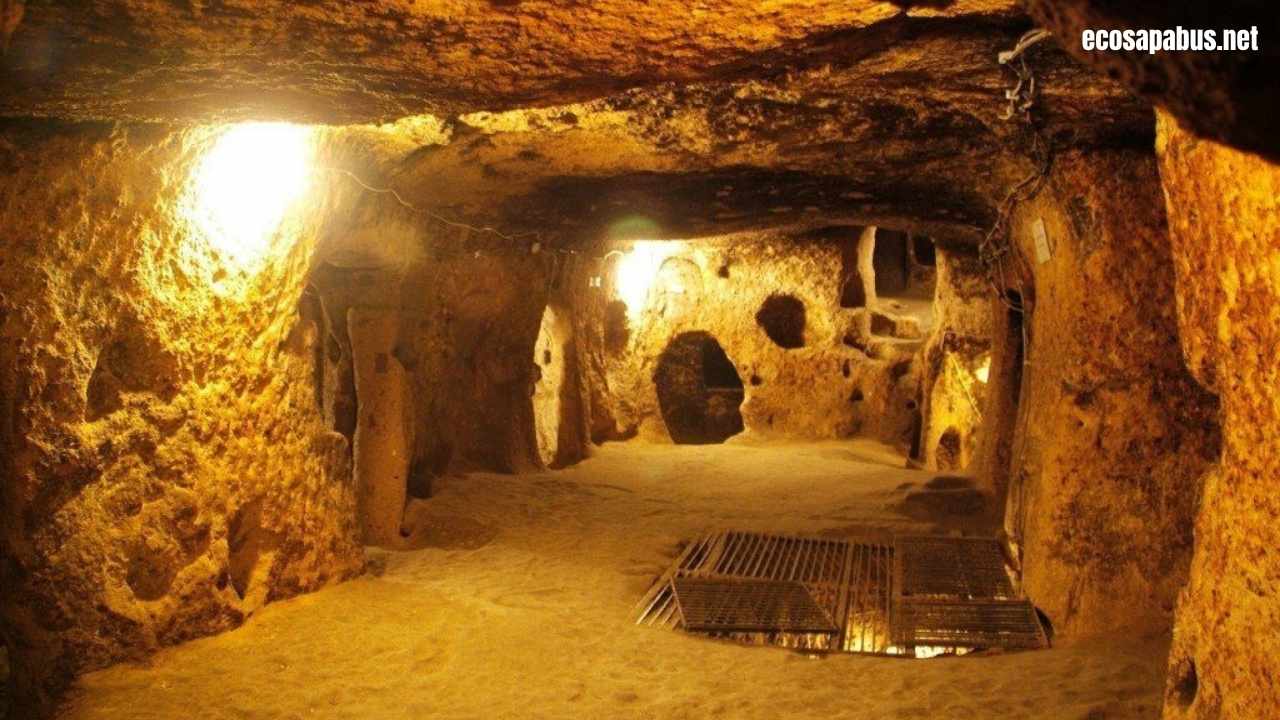
This is why you came. Ben Dinh's visitor tunnel section has been widened from the original dimensions — the actual wartime tunnels were roughly 80cm wide and 80cm high, built to fit Vietnamese bodies of the 1960s. The visitor version is larger, somewhat air-conditioned, and has electric lighting. It is still genuinely cramped by any normal standard. The main visitor tunnel at Ben Dinh is approximately 100 metres long, with exit hatches positioned every 20–30 metres for people who need to leave early. Taller visitors and those with broad shoulders will find it uncomfortable — ducking the whole way is necessary for anyone over 170cm. People with moderate claustrophobia often manage; those with severe claustrophobia should skip the underground section. The above-ground site is substantial on its own and misses nothing essential.
Practical Warnings for Ben Dinh — What to Know Before You Go
Ben Dinh is well-organised and straightforward to visit. The practical issues that catch visitors off guard tend to be about managing expectations rather than logistics:
- The crowd situation is real: Between approximately 9 AM and 11:30 AM on weekdays — and from 8:30 AM on weekends and Vietnamese public holidays — Ben Dinh is busy. Multiple tour buses arrive in close succession, and the tunnel section in particular becomes a queue. This does not ruin the visit but it does change the atmosphere significantly. The single most effective thing you can do is join a tour or hire a private car that gets you to Ben Dinh before 9 AM. Arriving at 8:00–8:30 AM means you'll experience the site with perhaps 20–30 other visitors rather than 200.
- The shooting range is optional and noisy: Ben Dinh has a firearms range where visitors can pay to fire AK-47s, M16s and other military weapons. The experience is legal, popular with some visitors, and audible from most of the site. If the sound of gunfire during a war history tour strikes you as tonally wrong, you're not alone — it strikes many visitors that way too. You are under no obligation to use it or to pay anything beyond the entrance fee.
- Overpriced group tours are common in the tourist areas: Budget "Cu Chi Tunnels" tours sold from Bui Vien bars or certain travel agencies at below $10 USD often cut corners — they spend less time at the site, rush the tunnel section, and may include a longer stop at a lacquerware factory (the classic commission-generating detour) than at the tunnels themselves. The entrance fee alone is 110,000 VND ($4.40) — any tour below $12 USD deserves scrutiny. Ask specifically: how long at the site? Is the entrance fee included? Does the tour stop anywhere before the tunnels?
- Heat and hydration: Cu Chi District is low-lying and humid. Unlike Hanoi or Sapa, there is no elevation to moderate the temperature. In March–November the heat on the above-ground jungle trail is significant — bring at least 1 litre of water per person. The underground tunnel section is cooler than the surface. Wear light, breathable clothing. Hats and sun protection matter on the open areas of the site.
- Claustrophobia: If you know you have claustrophobia, decide in advance whether you want to enter the tunnel section. There is no shame in watching from the entrance hatch — the above-ground site is substantial and the tunnel section is the physically challenging part, not the most historically informative. Guide staff are experienced at supporting nervous visitors. Exit hatches are positioned regularly if you change your mind mid-way.
- Photography restrictions: Photography is freely permitted throughout the above-ground site and at the tunnel entrance. Flash photography is discouraged inside the tunnel section — it's dark, other visitors are crouching, and the infrastructure isn't designed for controlled lighting. Bring a phone that performs adequately in low light; a bulky camera is awkward underground.
Real Prices for Ben Dinh & Cu Chi Tunnels 2026 — What Things Actually Cost
The Cu Chi Tunnels are not expensive. The entrance fee is modest, and even a private guided tour from Ho Chi Minh City costs less than a restaurant meal in District 1. Where costs inflate is in overpriced tour packages sold to tourists who don't know the ground-level rate. Here's what things actually cost in 2026:
| Item | Price (VND) | USD | Notes |
|---|---|---|---|
| Ben Dinh entrance fee | 110,000 | ~$4.40 | Covers introductory film and guided walk. Check if included in your tour. |
| Group tour (minibus, HCMC District 1) | 250,000–500,000 | $10–20 | Entry usually included. Quality varies — see warning above on cheap tours. |
| Private car/taxi from HCMC (one way) | 600,000–900,000 | $24–36 | Grab Car or booked driver. More flexible, worth it for 2–4 people. |
| Private guided Cu Chi tour (driver + guide) | 1,250,000–2,000,000 | $50–80 | Best experience. Small group or solo. Knowledgeable guide, your own pace. |
| Public bus (HCMC to Cu Chi) | 20,000–30,000 | $0.80–1.20 | Bus 13 from Ben Thanh. Slow but cheap. Add motorbike taxi from Cu Chi town. |
| Motorbike taxi from Cu Chi town to Ben Dinh | 40,000–70,000 | $1.60–2.80 | Negotiate before boarding. 15–20 min ride. |
| Firearm shooting range (optional) | 50,000–80,000 per bullet | $2–3.20 per round | AK-47, M16, etc. Minimum usually 10 rounds = $20–32. Entirely optional. |
| Food/drinks on site | 30,000–80,000 | $1.20–3.20 | Basic stall food — tapioca (the wartime staple food), snacks, cold drinks. |
| Parking — car | 20,000–30,000 | $0.80–1.20 | Flat fee at the parking area. |
| Combined Ben Dinh + Ben Duoc full day | 1,800,000–2,800,000 | $72–112 | Private tour, guide, transport, both entrance fees. The most comprehensive option. |
| HCMC budget hotel (near tunnels day-trip) | 250,000–600,000 | $10–24 | District 1 or Bui Vien area — well-connected for morning tour departure. |
Best Time to Visit Ben Dinh — Month by Month & Time of Day
Cu Chi District sits at near-sea-level and has a straightforward tropical climate: a dry season and a wet season, with little temperature variation year-round. The more important timing consideration at Ben Dinh is actually the time of day, not the month.
November–March (dry season): The most comfortable months for the surface walk. Low humidity, manageable heat (28–33°C), dry paths through the jungle site. December–February are the peak tourist months, which means Ben Dinh can be especially crowded — arrive early. April: The hottest month of the year in southern Vietnam, typically 35–38°C and humid. The underground section is a relief. Hydrate heavily. May–September (wet season): Afternoon downpours are frequent but the mornings are usually dry. Rain doesn't cancel your visit — the jungle paths drain well and the tunnels are underground. The site is lush and atmospheric in the wet season. June–September is lower tourist season, which means slightly fewer people at the site. Time of day — this matters more than the month: Ben Dinh is a fundamentally different experience before 9 AM versus after 10 AM. Before 9 AM the site is genuinely quiet — you can take your time at the trapdoor demonstration, enter the tunnel without queuing, and hear the guide properly. After 10 AM multiple coach tours have arrived and the atmosphere shifts. The single most impactful decision you can make for your Ben Dinh visit is choosing a tour or transport option that gets you there before the gates have been open an hour.
How to Get to Ben Dinh from Ho Chi Minh City
Ben Dinh is the easier of the two Cu Chi sites to reach from central Ho Chi Minh City — and it's still 50 kilometres, which means your transport choice matters. Here are your realistic options:
Option 1: Group Tour (Most Common)
The vast majority of visitors reach Ben Dinh on an organised minibus tour from District 1, Bui Vien or near the War Remnants Museum. Prices range from $10–20 USD all-in including transport and entrance fee. The convenience is real — hotel pickup, someone handling the logistics, a guide included. The trade-off is pace: group tours move on a fixed schedule and the quality of guiding varies significantly by operator. Ask before booking: how long at the site? Does the entrance fee come with? Do they stop at any factories or showrooms en route? Anything below $12 USD all-in deserves extra scrutiny. See our Cu Chi tour options →
Option 2: Private Car or Grab Car
From Ho Chi Minh City center, a Grab Car or booked private taxi to Ben Dinh costs approximately 600,000–900,000 VND one way. At that price for 2–4 people sharing, private transport is not much more expensive than a group tour per person and gives you complete flexibility on departure time and time spent at the site. This is the best option for families, people who want to arrive at opening (7:30 AM) before the first coaches, or anyone combining Ben Dinh with Ben Duoc in a single day.
Option 3: Public Bus Combination
Bus 13 from Ben Thanh Market bus station travels to Cu Chi town — a journey of 2–2.5 hours depending on traffic. From Cu Chi town, a motorbike taxi (xe ôm) takes you the remaining 10–15 minutes to Ben Dinh: 40,000–70,000 VND, negotiate before boarding. Total one-way cost: around 60,000–100,000 VND. It's slow — plan for 2.5–3 hours each way — but it's genuinely cheap and the bus journey through the suburban and exurban fringes of Ho Chi Minh City is interesting in its own right.
Option 4: Motorbike (For Experienced Riders Only)
If you're confident riding in Vietnamese traffic — and Cu Chi's Highway 22 does carry significant volume at morning commute times — the motorbike journey from central HCMC takes 1–1.5 hours each way. Park at the site for 5,000–10,000 VND. This option gives you complete time flexibility and the freedom to continue to Ben Duoc afterward. Not recommended for first-time Vietnam riders — the ring roads leaving Ho Chi Minh City are genuinely demanding.
If you're coming from Hanoi, Da Nang or Hue: fly or take the train to Ho Chi Minh City first, then join a Cu Chi tour the following morning. From Hanoi, the flight is approximately 2 hours; the Reunification Express train is 30–35 hours (an experience in itself for the scenic central Vietnam coastline). Flying in and spending 2–3 days in HCMC with a half-day Ben Dinh visit is the standard and sensible approach. See our Vietnam travel guides →
Ben Dinh Visit Itineraries — Half-Day, Full Day & Combined
Itinerary A: Ben Dinh Half-Day Tour (Best for Most Visitors)
| Time | Activity | Notes |
|---|---|---|
| 07:30 | Depart Ho Chi Minh City | Hotel pickup in District 1. Allow for traffic — Highway 22 can be congested. |
| 08:45 | Arrive Ben Dinh — buy tickets | 110,000 VND entrance. Confirm if included in your tour before joining the queue. |
| 09:00 | Introductory film (15 min) | Sit near the front. The historical context this provides is genuinely worth paying attention to. |
| 09:20 | Guided above-ground site walk | Trapdoor demonstrations, bomb craters, booby trap displays, tank wreck. ~45 minutes. |
| 10:10 | Underground tunnel section | ~100m, low ceiling, genuinely narrow. Exit hatches every 20–30m. 15–20 minutes. |
| 10:35 | Free time — tapioca, drinks, site browse | Try the tapioca (khoai mì) — the wartime food staple. It's served here as part of the experience. |
| 11:00 | Depart Ben Dinh | Beat the 11 AM rush hour of arriving coaches. |
| 12:30 | Back in Ho Chi Minh City | Afternoon free — War Remnants Museum is the natural complement to a morning at Cu Chi. |
Itinerary B: Ben Dinh + War Remnants Museum (The Full HCMC War History Day)
| Time | Activity | Notes |
|---|---|---|
| 07:00 | Early breakfast in District 1 | Bún bò Huế or bánh mì — fuel before the road. Most pho spots open by 6:30 AM. |
| 07:30 | Depart for Ben Dinh | Early start is essential — the tunnel experience before 9:30 AM is noticeably better. |
| 09:00 | Ben Dinh — film, site walk, tunnels | Allow 2.5 hours. See Itinerary A above. |
| 11:30 | Depart Ben Dinh | Return to Ho Chi Minh City. |
| 13:00 | Lunch in HCMC — District 1 or Bến Thành | Rest. The tunnels are not a light experience and a pause matters before the museum. |
| 14:30 | War Remnants Museum (open until 18:00) | The photographic documentation of the American War. Allow 2 hours minimum. Not easy viewing. |
| 17:00 | Reunification Palace (open until 16:30 — visit tomorrow) | If timing doesn't work today, the Palace and the Central Post Office are good next-morning additions. |
Itinerary C: Ben Dinh + Ben Duoc Full Day (For Thorough Visitors)
This requires your own transport — a private driver for the day (1,800,000–2,800,000 VND all-in including both entrance fees) or a self-drive motorbike for experienced riders. Depart HCMC at 7:00 AM. Ben Dinh from 8:00–10:30 AM (earlier and faster than a standard group tour allows). Drive 20km north to Ben Duoc. Ben Duoc from 11:00 AM–13:00 PM — quieter, larger, with the significant temple memorial that Ben Dinh lacks. Return to HCMC by 15:00–16:00. This is the most thorough way to understand the Cu Chi Tunnels complex — both sites, contrasting atmospheres, one complete picture. Read our full Cu Chi Tunnels guide for the complete Ben Dinh vs Ben Duoc breakdown →
What to Eat — Food at Ben Dinh and Near Cu Chi
Ben Dinh itself has a small food stall area serving drinks and the historically significant tapioca (khoai mì) — the calorie-dense food that sustained the tunnel communities when rice supplies were low. Worth trying as context. Beyond that, most visitors eat either before leaving Ho Chi Minh City or after returning. Here's what to know:
Where to Stay — Accommodation Guide for a Cu Chi / Ben Dinh Visit
There is no visitor accommodation at Ben Dinh or in the immediate Cu Chi site area. You sleep in Ho Chi Minh City and visit Ben Dinh as a morning day trip. HCMC offers every price point from backpacker dorms to luxury five-star hotels. Your accommodation location matters because the morning traffic on Highway 22 leaving Ho Chi Minh City affects your departure time.
On Lam Son Square in the heart of District 1 — five minutes from the Opera House, well-positioned for a 7:30 AM departure toward Cu Chi. The breakfast buffet is worth the premium the morning before a tunnel visit. Service is impeccable, and the concierge can arrange private Cu Chi tours directly. Not cheap — but if luxury is your baseline, this is the benchmark Saigon hotel experience.
A colonial-era hotel on Dong Khoi Street with atmosphere that no modern property can replicate — it appears in Graham Greene's "The Quiet American," which is set partly in the city during the French War period that preceded the American War you'll be visiting at Ben Dinh. Rooms are well-maintained, the location is central, and the connection between the hotel's history and your tunnel visit the next morning is worth sitting with.
The Bui Vien backpacker street and surrounding lanes in District 1 have dozens of clean, reliable guesthouses at $12–30 per night. Most tour operators selling Cu Chi day trips have offices on or near Bui Vien — the proximity means hotel pickup is easy to arrange. The noise from the street at night is real; request an upper-floor room away from the street for anything resembling sleep before a 7:30 AM departure.
Who Ben Dinh Is Right For — And Who Might Prefer Ben Duoc
Ben Dinh is not the wrong choice for anyone visiting Cu Chi. But being honest about who it suits best helps you have a better experience:
| Visitor Type | Ben Dinh? | Better Option? |
|---|---|---|
| First-time visitor to Cu Chi on a group tour | ✅ Yes — this is what the tour visits | — |
| Traveler with 2 days in HCMC on a tight schedule | ✅ Yes — half-day, easy logistics | — |
| Family with young children | ✅ Yes — good infrastructure, clear route | Children under 8 may find the underground section distressing |
| Independent traveler with own transport who wants fewer crowds | ⚠️ Consider carefully | Ben Duoc — quieter, more atmospheric |
| Repeat visitor who has already done Ben Dinh | ❌ No new ground | Ben Duoc — larger, different experience |
| Traveler who wants maximum historical depth | ⚠️ Works with the right guide | Ben Dinh + Ben Duoc combined full day |
| Someone with claustrophobia | ✅ Yes — above-ground site is substantial | Skip the underground section — it's optional |
| Photography-focused visitor | ⚠️ Crowds can be an issue | Ben Dinh before 9 AM, or Ben Duoc |
Insider Tips — What to Know Before You Go to Ben Dinh
Frequently Asked Questions — Ben Dinh Tunnels, Cu Chi
Ben Dinh is one of two main visitor sites within the broader Cu Chi Tunnels complex. The Cu Chi Tunnels are an underground network stretching approximately 250 kilometres through Cu Chi District — built over decades by Vietnamese fighters and civilians and used extensively during the American War. Ben Dinh is the southern, closer site (about 50km from Ho Chi Minh City) and is where the vast majority of group tours visit. Ben Duoc is the larger, quieter, northern site about 20km further on. When people say they're "going to the Cu Chi Tunnels," they almost always mean Ben Dinh — it's become the de facto name for the visitor experience.
Different, not one better than the other — though each suits a different visitor. Ben Dinh is closer, better set up for visitor volumes, included on all group tours, and works perfectly as a first encounter with the tunnels. It can be crowded between 9–11 AM on weekdays, significantly more so on weekends. Ben Duoc is larger, quieter, has a significant war memorial temple, and feels more contemplative — but it's 20km further and requires your own transport or a private driver. For independent travelers who want the less touristy experience, Ben Duoc. For first-time group tour visitors on a half-day schedule, Ben Dinh. Read our complete Cu Chi Tunnels guide for the full side-by-side comparison.
Ben Dinh is the most visited Cu Chi site and it shows between 9 and 11:30 AM when multiple coach tours arrive in sequence. At this peak, the tunnel section involves queuing and the site loses much of its atmospheric quality. The solution is simple: arrive before 9 AM. Book a tour or hire a car that gets you there at or before the 7:30 AM opening time, or by 8:00–8:30 AM at the latest. Before 9 AM the site can feel almost empty. Weekend visits are significantly more crowded than weekdays. If you're visiting during Vietnamese public holidays (Tết, Reunification Day on 30 April, National Day on 2 September), arrive extra early or consider Ben Duoc instead.
The entrance fee at Ben Dinh is 110,000 VND (approximately $4.40 USD) as of early 2026. This covers the mandatory introductory film and the guided site walk including the underground tunnel section. Parking costs extra: 5,000–10,000 VND for motorbikes, 20,000–30,000 VND for cars. The optional firearms shooting range costs 50,000–80,000 VND per bullet (most operators enforce a minimum purchase of 10 rounds). Check whether your group tour package includes the entrance fee before paying at the gate — it usually does.
The on-site experience at Ben Dinh takes approximately 2–2.5 hours: 15 minutes for the introductory film, 30–45 minutes for the above-ground guided walk (trapdoors, bomb craters, weapons displays), 15–20 minutes for the underground tunnel section, and 20–30 minutes of free time for food, rest and the site exit area. A standard half-day tour from Ho Chi Minh City (depart 7:30 AM, return 13:00) allows comfortable time at the site without rushing. If you're doing Ben Dinh and Ben Duoc in a single day, allow a full day with your own transport.
Generally yes, with some considerations by age. Children 10 and above typically engage well with the site — the physical elements (crawling through tunnels, looking into bomb craters, seeing trap displays) connect in ways that a museum exhibition doesn't. The historical content is sobering but not graphic. Children under 8 may find the underground tunnel section distressing — it is dark, cramped and claustrophobic even in the widened visitor version. The above-ground site is excellent on its own and skipping the tunnel section is completely reasonable for younger children. The heat and humidity on the above-ground walk is the practical challenge for families — bring ample water and sun protection.
Yes — Ben Dinh is open to independent visitors who pay the entrance fee at the gate. The site has assigned guides who lead groups (in Vietnamese, with varying English) through the above-ground walk and tunnel section on a roughly hourly schedule. The advantage of visiting independently: flexibility on timing and pace. The disadvantage: the quality of historical context depends on the assigned guide's English and knowledge level. An independent visit works well if you've done background reading before arriving. A private guide who knows the site in depth — and speaks good English — turns a competent visit into a genuinely memorable one.