If you've just traveled through the intense heat of Ho Chi Minh City or the humid coastal plains of Nha Trang, arriving in Da Lat feels like stepping onto a different continent. Sitting at an altitude of 1,500 meters (4,900 feet) in the Lang Biang Highlands, Da Lat replaces palm trees with pine forests, and sticky air with crisp, cool mountain breezes.
As the founders of EcoSapa Bus, our operations primarily focus on the rugged mountains of Northern Vietnam (Sapa & Ha Giang). But when our international clients ask us to help design their full North-to-South Vietnam itinerary, Da Lat is the one place in the South we absolutely insist they visit. It offers a totally different mountain vibe: romantic, French-inspired, and agriculture-rich.
Known as the "City of Eternal Spring," Da Lat was originally built as a resort town for the French in the early 1900s. Today, it has transformed into Vietnam's premier destination for outdoor adventure—specifically waterfall canyoning and motorbike touring. Here is our honest, comprehensive guide to experiencing the real Da Lat.
How to Get to Da Lat (and Avoid Scams)
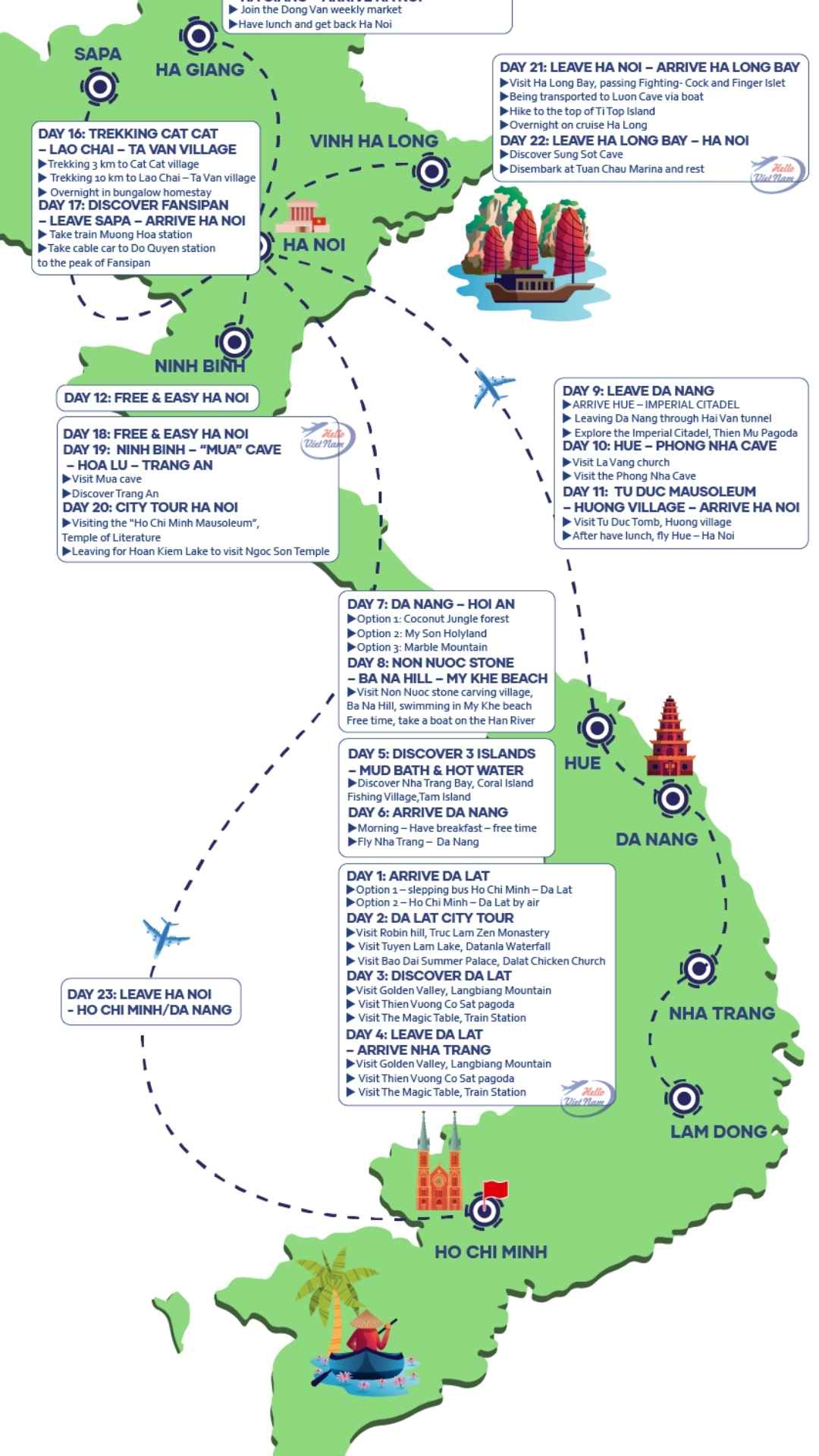
Despite being high in the mountains, getting to Da Lat is incredibly easy. Most travelers visit Da Lat as a natural stop between Ho Chi Minh City (Saigon) and the central coastal cities like Nha Trang or Hoi An.
By Air (Fastest Route)
Da Lat is served by Lien Khuong Airport (DLI). There are cheap daily domestic flights via Vietnam Airlines and VietJet Air from Ho Chi Minh City (45 mins), Da Nang (1 hour), and Hanoi (1h 50 mins). If you are short on time, flying is highly recommended.
Crucial detail: Lien Khuong Airport is actually 30km (45 mins) outside of Da Lat city center, located down in the valley. When you land, you need reliable transport to climb up the mountain pass to the city. Taxis at the airport can be pushy, notorious for overcharging foreigners, and the public shuttle bus only drops you at a central point, forcing you to walk with heavy luggage on steep, hilly streets.

By Luxury Sleeper Bus (Most Popular for Backpackers)
If you are traveling overland on a budget, sleeper buses are the way to go. The roads winding up to Da Lat are incredibly scenic, weaving through pine forests and cloud-covered passes.
- From Ho Chi Minh City: ~6 to 7 hours. Tickets cost around 250,000 - 350,000 VND. We highly recommend booking an overnight VIP cabin bus so you sleep through the journey and wake up in the cool mountains.
- From Nha Trang: ~3.5 to 4 hours. A dramatic, twisting mountain pass connects the hot beach directly to the highlands. (Pro tip: Take motion sickness pills if you are prone to car sickness!).
Getting Around the City
Da Lat is famously known as the only city in Vietnam without traffic lights (though a few were recently installed due to modernization). The roads are hilly, winding, and completely devoid of the flat-grid layout seen in other cities.
- Grab / Be App: Works perfectly here. Grab bikes are very cheap for solo travelers, and Grab cars are great for couples or rainy days.
- Renting a Scooter: Renting a scooter (150,000 VND/day) is the best way to explore the countryside. Warning: Only do this if you are a confident rider. The steep hills and unpredictable local traffic can be dangerous for beginners.
- Taxis: Mai Linh and Lado Taxi are reputable local brands. Always ensure they use the meter.
Where to Stay in Da Lat (Best Areas)
Da Lat is built on a series of hills and valleys. Unlike flat cities, picking the wrong location here means you will be walking up 45-degree inclines every time you want a coffee. Here is how to choose your base:
- The City Center (Near Xuan Huong Lake & Night Market): Best for first-timers who want to be in the middle of the action. You can walk to the night market, bakeries, and cafes. However, it can be noisy and traffic-heavy. Look for hotels in Ward 1.
- The French Quarter (Tran Hung Dao / Tran Phu Streets): This is where the old French colonial villas are located, many of which have been converted into stunning boutique hotels. It is quiet, surrounded by pine trees, and incredibly romantic, but you will need to take a quick taxi to reach the night market.
- Tuyen Lam Lake (The Eco-Resort Area): Located about 5km outside the city center. This area is pure tranquility, featuring high-end wellness resorts hidden in the pine forests right on the water's edge. Perfect for honeymooners, but you are isolated from city dining options.
Pro Tip: Da Lat rarely needs air conditioning. In fact, many authentic local hotels do not even install AC units because the night air naturally drops to 16°C. Don't panic if your booking says "No AC"—just ask if they provide thick blankets!
Top Activities: Canyoning & Exploration
The real magic of Da Lat lies in its raw nature and adrenaline activities. And the undisputed king of Da Lat activities is Canyoning at Datanla Waterfall.
1. Waterfall Canyoning (The Main Event)
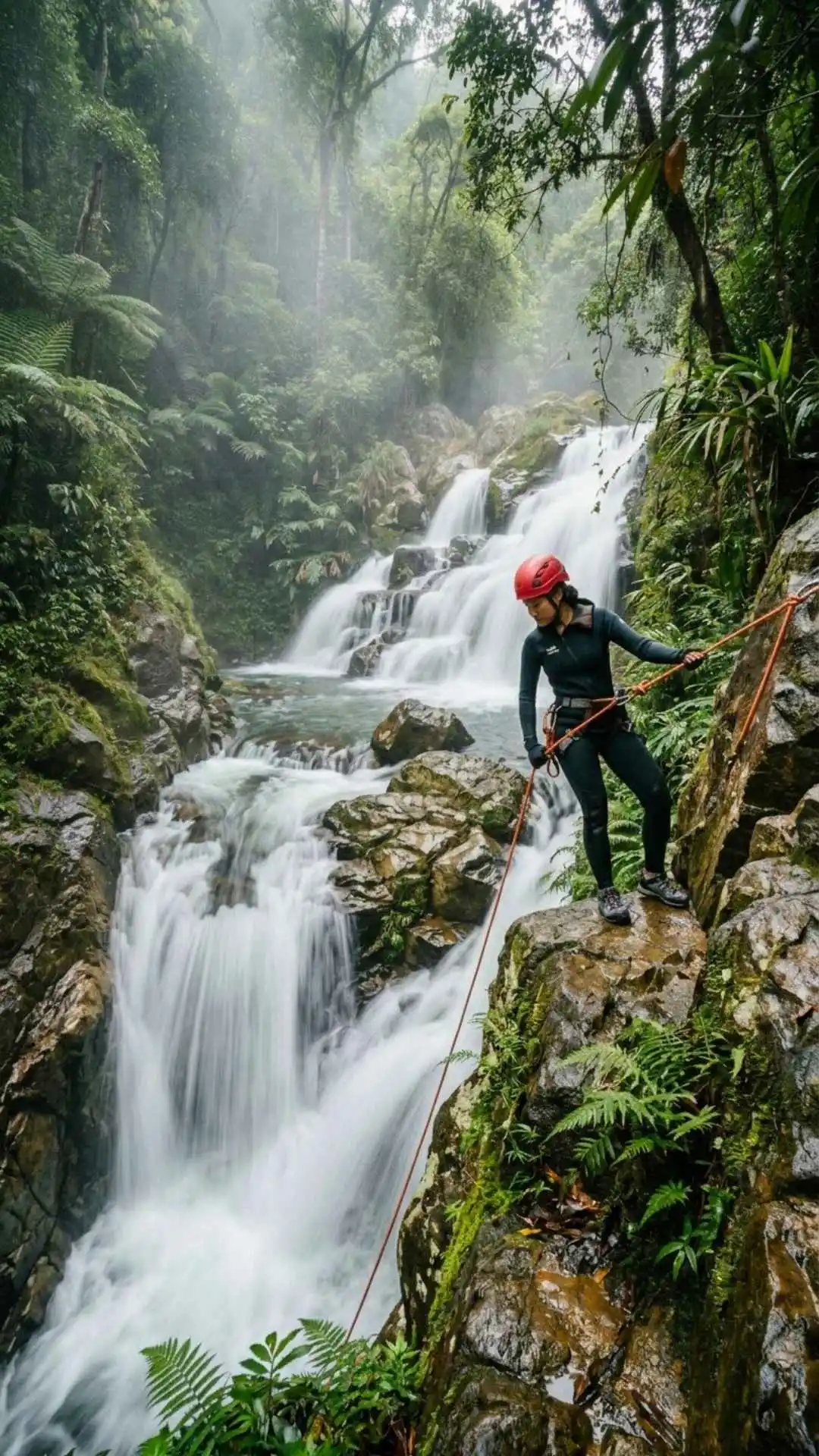
If you only do one thing in Da Lat, make it this. Canyoning involves hiking deep into the jungle, abseiling (rappelling) down sheer rock faces through rushing waterfalls, sliding head-first down natural stone water slides, and cliff jumping into deep natural pools.
It sounds extreme (and it is thrilling), but certified guides make it incredibly safe even for absolute beginners who have never touched a climbing harness. You will undergo extensive dry-land training before you ever touch the water. The famous 25-meter drop and the intimidating "Washing Machine" rappel are legendary among the global backpacker community.
2. Cloud Hunting at Cau Dat Tea Hill
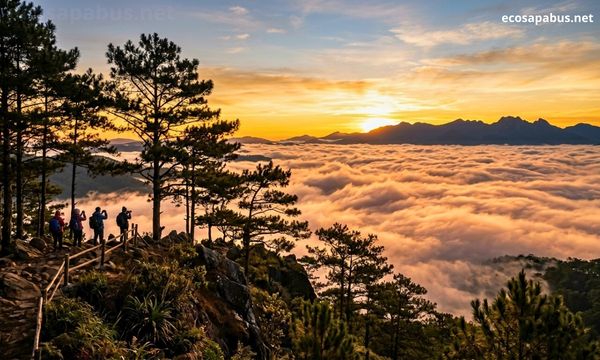
You have to wake up at 4:30 AM, but it’s worth it. Drive about 25km outside the city to Cau Dat. In the early morning, thick, fluffy clouds settle into the valleys below the tea hills. Standing on the wooden platforms as the sun rises over a sea of clouds is one of the most breathtaking sights in Central Vietnam.
3. Hire an "Easy Rider" for the Countryside
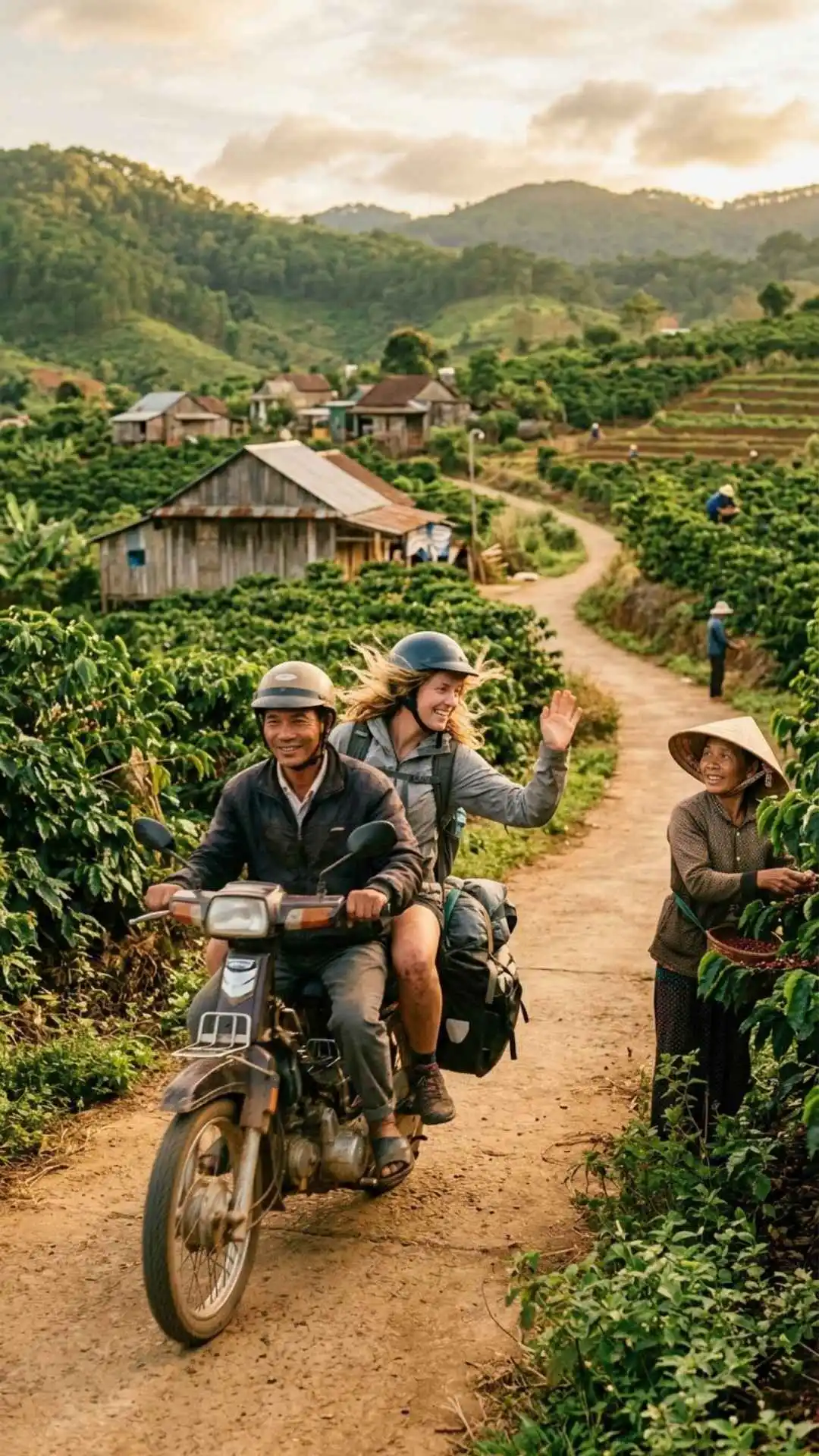
The "Easy Riders" are a legendary group of local Vietnamese motorcycle guides. Instead of a standard bus tour, you ride pillion (on the back) of a powerful motorbike while your guide takes you far off the tourist trail. They will take you to silk factories, cricket farms, massive greenhouses, and the roaring Elephant Waterfall (Thac Voi).
4. French Villas & The Crazy House
Because the French used Da Lat to escape the Saigon heat, the city is dotted with beautiful, decaying French colonial villas. You can spend an afternoon visiting the old Da Lat Railway Station (Ga Đà Lạt), an Art Deco masterpiece featuring vintage steam locomotives.
However, the most famous architectural site in Da Lat is entirely Vietnamese: The Crazy House (Hang Nga Guesthouse).
Designed by Vietnamese architect Dang Viet Nga, this active guesthouse looks like a melting, surrealist treehouse straight out of a Salvador Dalí painting. You can pay a small entrance fee (~60,000 VND) to wander through a massive maze of twisting, narrow outdoor staircases, cave-like hallways, and bizarre animal-themed rooms.
What to Eat (The Highland Diet)
Because the climate is cold, Da Lat's food scene is entirely built around keeping you warm. Forget the light, fresh summer rolls of the south; here, you eat hearty, steaming, grilled dishes.
- Bánh Tráng Nướng (Da Lat Pizza): The undisputed king of street food here. It’s a sheet of rice paper grilled over hot coals, topped with quail egg, scallions, dried shrimp, pork paste, and chili mayo. Eat it piping hot at the Night Market.
- Lẩu Gà Lá É (Chicken Hotpot with É Leaves): Nothing beats sitting in a steamy local restaurant on a rainy 16°C night eating this boiling pot of free-range chicken, mushrooms, and the distinctively aromatic, slightly minty 'É' leaves.
- Hot Soy Milk (Sữa Đậu Nành Nóng): A Da Lat evening tradition. Locals sit on tiny plastic chairs on the sidewalk, drinking steaming cups of sweet soy milk, often paired with a sweet pastry (bánh sừng trâu).
The Coffee Culture
Da Lat is the coffee capital of Vietnam. The altitude makes it perfect for growing both Robusta and high-quality Arabica beans.
You must visit a local plantation outside the city. Places like Me Linh Coffee Garden or La Viet Coffee allow you to see the roasting process, walk among the coffee trees, and sit on a wooden deck overlooking the sweeping valleys while sipping incredibly fresh, locally roasted coffee.
Detailed Da Lat Itineraries
Whether you have a quick stopover or a full weekend, here is how to maximize your time in the city of Eternal Spring.
1-Day Speed Run (The Adrenaline Fix)
If you only have 24 hours, you have to prioritize.
- Morning (8 AM - 3 PM): Book the Canyoning Tour. It takes up most of your day but is the absolute highlight of Da Lat. Lunch is included in the jungle.
- Late Afternoon (4 PM): Head back to town, shower, and grab a coffee at La Viet Coffee to see how local beans are processed.
- Evening (6 PM): Walk around Xuan Huong Lake at sunset, then hit the Da Lat Night Market for street food (try the "Vietnamese Pizza" - Banh Trang Nuong).
2 Days, 1 Night (The Perfect Weekend)
Day 1: City & Adventure
- Morning: Canyoning at Datanla Waterfall.
- Afternoon: Explore the Crazy House and the old Da Lat Railway Station.
- Evening: Dinner at a local BBQ joint (eating BBQ in the cold mountain air is a Da Lat tradition).
Day 2: The Countryside
- Morning: Hire an Easy Rider. Head out to the Me Linh Coffee Garden, silk farms, and Elephant Waterfall.
- Afternoon: Visit the serene Tuyen Lam Lake and take the scenic cable car up to Truc Lam Zen Monastery before leaving the city.
3 Days, 2 Nights (The Full Explorer)
Add a third day to truly appreciate the nature of the Lang Biang plateau.
- Day 1 & 2: Follow the 2-day itinerary above.
- Day 3 (The Cloud Hunt): Wake up at 4:30 AM. Take a taxi 25km to Cau Dat Tea Hill. Watch the sunrise over a literal sea of clouds trapped in the valley below. Afterwards, return to the city for a steaming pot of Chicken Hotpot (Lau Ga La E) before your departure.
Da Lat vs. Sapa: The "Twin Highlands"
As experts in Northern Vietnam transport at EcoSapa Bus, we get asked this question by travelers every single day: "I only have time for one mountain town. Should I visit Da Lat or Sapa?"
The honest truth: They offer entirely different experiences. If you love mountains, you should do both!
| Feature | Da Lat (Central Highlands) | Sapa (Northern Mountains) |
|---|---|---|
| Landscape | Pine forests, lakes, waterfalls | Towering peaks, terraced rice fields |
| Vibe | Romantic, French colonial, agricultural | Raw, dramatic, tribal (Hmong & Dao) |
| Top Activity | Canyoning & Motorbike tours | Multi-day trekking & Homestays |
| Weather | Mild "Eternal Spring" (15-24°C) | Distinct seasons (can snow in winter) |
The "Twin Highlands" Connection
Loved the relaxing pine forests of Da Lat? Now it's time to see the towering peaks. Fly from Da Lat directly to Hanoi, and let EcoSapa Bus take you straight from the airport to the real mountains of Sapa in our VIP Sleeper Bus.
- Private massage-bed cabins
- Direct Hanoi Airport (HAN) pickup
- No stopping to pick up locals
- Directly operated by EcoSapa
What to Pack for the Highlands
If you are traveling South to North, Da Lat will be your first real encounter with cold weather. Do not pack like you are going to the beach!
- Layers & Jackets: The temperature drops to 12-15°C at night. A good fleece, a warm hoodie, or a light puffer jacket is mandatory.
- Long Pants: You will want jeans or trekking pants for the evenings and motorbike rides. Shorts are fine for midday.
- Good Footwear: Bring sneakers with good grip. The sidewalks are uneven, and if you visit waterfalls, it gets slippery. (For canyoning, they provide shoes, but bring your own socks).
- Sunscreen: The air is cool, but because of the high altitude, the UV rays are intense. You will get sunburned on a motorbike without realizing it.
Best Time to Visit & Live Weather
Because of its altitude, Da Lat has a completely different micro-climate compared to the rest of Southern Vietnam. It never gets brutally hot, but it can get surprisingly cold, especially at night.
Check the live 7-day forecast before you pack. Remember, even if traveling in the middle of summer, you will absolutely need a jacket for the evenings!
Da Lat essentially has two main seasons:
- Dry Season (November to March): This is the absolute best time to visit. The skies are generally blue, the weather is crisp (ranging from 15°C to 24°C), and the famous cherry blossoms and hydrangeas are in full bloom. Warning: December and January can get very chilly at night (dropping down to 10°C / 50°F), so pack accordingly.
- Rainy Season (April to October): During these months, it usually rains heavily for a few hours in the late afternoons. Canyoning is still very possible (and sometimes considered more fun because the waterfalls are much stronger!), but you will definitely need a good raincoat for exploring the city on a motorbike. The mornings are usually still clear and beautiful.
Frequently Asked Questions
While we are famous for operating our own VIP Hanoi to Sapa Limousines and curating Northern Vietnam tours, our team at EcoSapa helps thousands of international travelers plan their complete North-to-South Vietnam itineraries.
Whether you need to book a domestic flight from Da Lat to Hanoi, secure a trusted canyoning tour, or reserve your luxury sleeper bus to the Northern Mountains, Contact us on WhatsApp or via Email for 24/7 fluent English support.