Why Visit Pu Luong in 2026? What Makes It Special
Northern Vietnam offers spectacular mountain destinations — Sapa dominates with developed trekking infrastructure, Ha Giang Loop draws motorbike riders to extreme passes, Mai Chau offers accessible valley homestays. Where does Pu Luong fit? The answer lies in what it hasn't become: a tourist destination. Pu Luong remains what Sapa was 20 years ago — pristine rice terraces, authentic village culture, and mountain serenity before mass tourism arrived.
1. Vietnam's Most Pristine Rice Terraces — Untouched Beauty
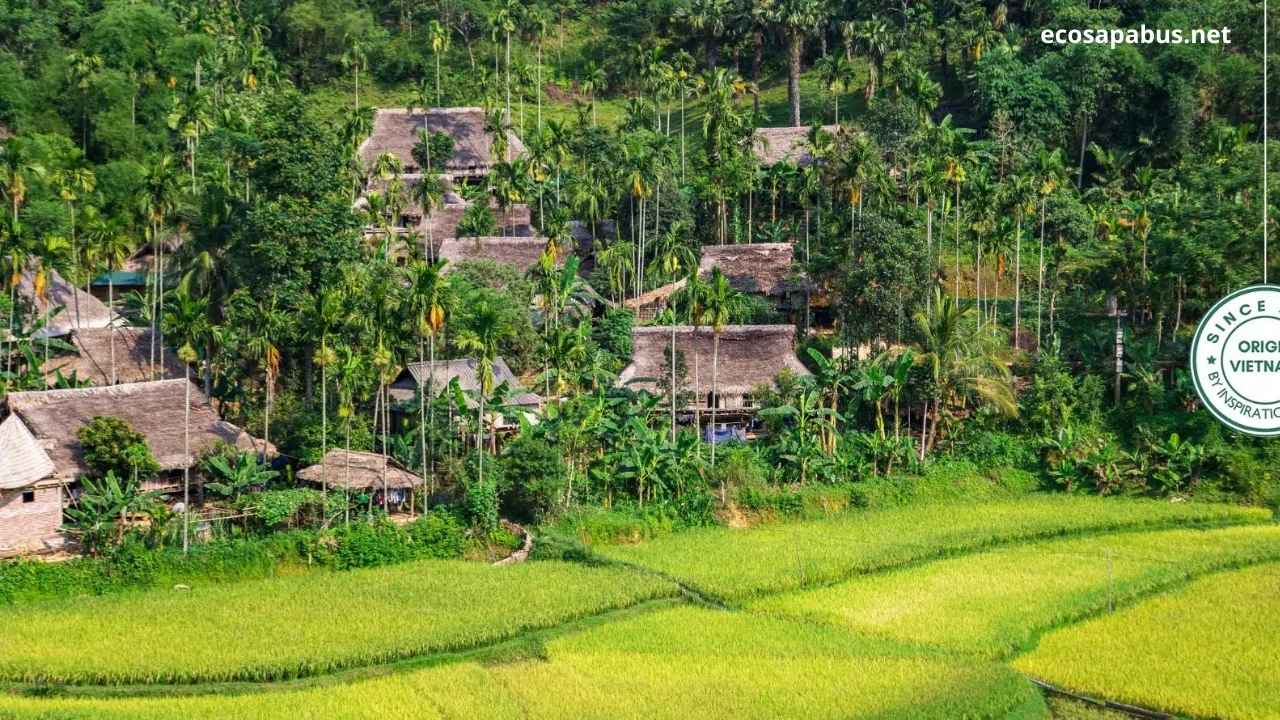
Pu Luong Nature Reserve spans 17,662 hectares of jungle-covered karst mountains and emerald rice terraces cascading down steep valleys. Unlike Sapa's terraces which host hundreds of trekkers daily, Pu Luong's trails remain quiet enough to hear water buffalo munching grass, farmers singing in paddies, and wind rustling through bamboo forests. The terraces here follow natural mountain contours without the groomed appearance of tourist-adapted landscapes — this is working farmland first, scenery second.
The reserve protects 1,109 plant species and 51 mammal species including civets, pangolins, and Delacour's langurs. This isn't a scenic viewpoint with a gift shop — it's a functioning ecosystem where rice cultivation, forest conservation, and traditional culture coexist without tourism infrastructure disrupting the balance.
2. Authentic Thai Ethnic Homestays — Not Tourist Theater
Pu Luong's Thai ethnic minority villages (Kho Muong, Lan, Don, Hieu, Pho Doan) offer homestays in traditional bamboo stilt houses elevated 2-3 meters above ground. These aren't purpose-built tourist accommodations — families genuinely live here, farm the surrounding terraces, and host travelers as supplemental income rather than primary business. You sleep on mattresses under mosquito nets, share meals cooked over wood fires, listen to village elders tell stories, and wake to roosters crowing and farmers heading to paddies.
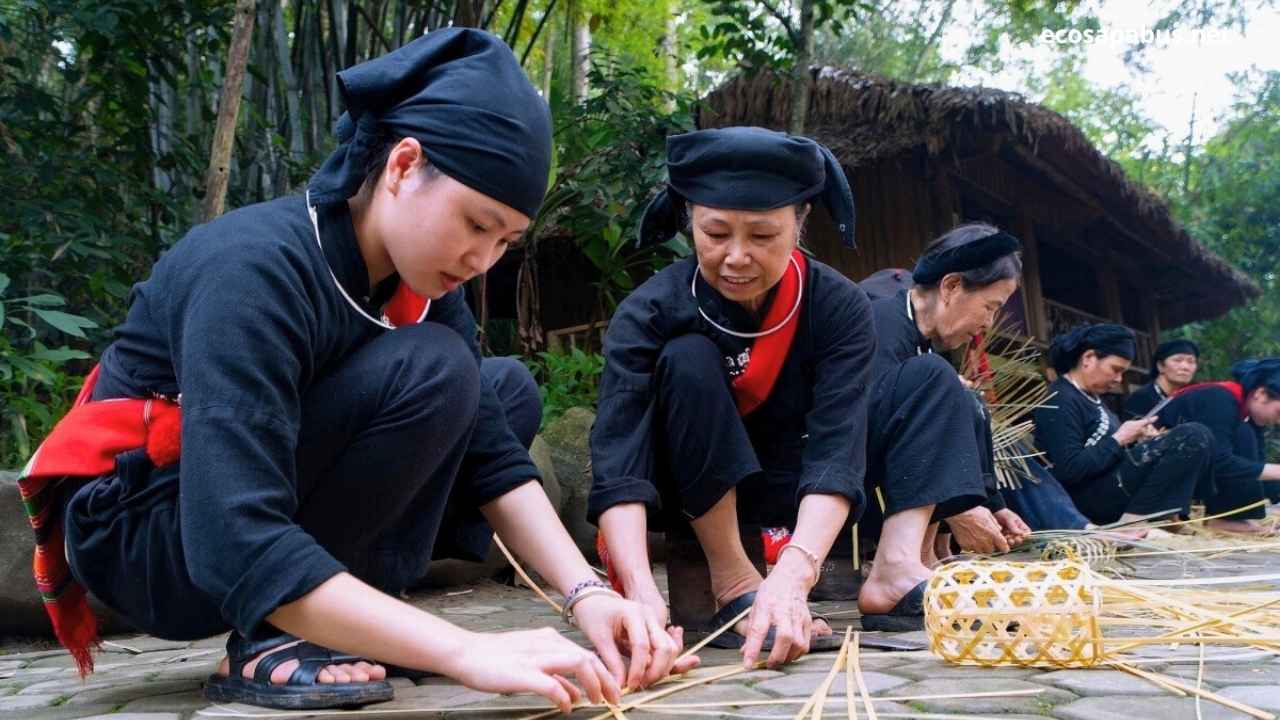
The cultural authenticity surpasses more developed destinations. There are no staged "cultural performances," no menu of tourist activities, no souvenir shops. Instead, you participate in actual daily life — helping plant rice during season, learning to weave bamboo, joining evening fishing trips, or simply observing the rhythm of mountain farming culture that continues as it has for centuries.
3. Bamboo Waterwheels — Living Cultural Heritage
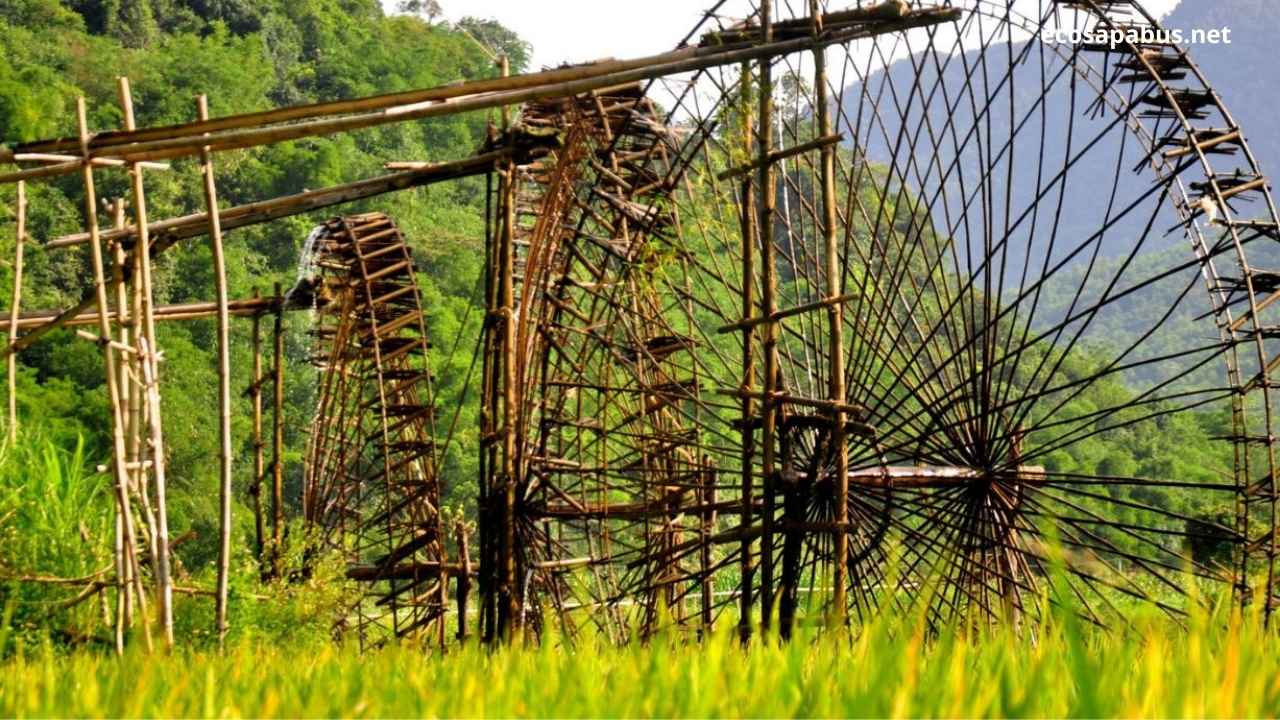
Pu Luong's signature feature is its bamboo waterwheels (called noria or muong) — ingenious irrigation systems built entirely from bamboo and powered by stream current. These aren't museum pieces or tourist props — they're functional agriculture tools still used daily to lift water from streams to rice terraces perched 5-10 meters above the valley floor. The largest wheels reach 10+ meters in diameter, rotating continuously with rhythmic creaking sounds that echo through valleys.
Watching waterwheels at sunrise or sunset — silhouetted against rice terraces with mist rising from streams — delivers photography moments impossible to replicate elsewhere in Vietnam. More importantly, these wheels represent sustainable mountain agriculture practiced for generations without relying on motors, pumps, or electricity.
4. Zero Tourist Crowds — Sapa Before Tourism
Pu Luong receives roughly 30,000 visitors annually compared to Sapa's 500,000+. This means you'll trek past rice terraces without encountering tour groups, photograph waterwheels without competing for viewpoints, and explore villages where children are genuinely curious about foreign visitors rather than habituated to tourist presence. Trails remain unmarked dirt paths requiring actual navigation rather than highways with signage every 50 meters.
This low tourism volume creates trade-offs. Advantage: authentic experiences, peaceful nature, cultural interactions without transaction. Disadvantage: less developed infrastructure, fewer English-speaking guides, basic homestay facilities. If you prioritize authenticity over amenities and solitude over convenience, Pu Luong's minimal tourism is its greatest asset.
5. Perfect Proximity to Hanoi — Weekend Escape
Pu Luong sits just 160km southwest of Hanoi, reachable in 3.5-4 hours by private car. This proximity makes it Vietnam's most accessible pristine mountain destination — you can leave Hanoi Friday afternoon, spend Saturday-Sunday trekking rice terraces and staying at homestays, and return Monday morning without excessive travel time. Combine it easily with Ninh Binh (2 hours away) or Mai Chau (1.5 hours) for extended Northern Vietnam circuits.
Pu Luong: Pristine terraces, minimal tourists, authentic culture, bamboo waterwheels, warmer climate, basic infrastructure. Best for: Travelers prioritizing authenticity over amenities.
Sapa: Dramatic high-altitude terraces, developed trekking infrastructure, cool climate, heavy tourism, persistent touts. Best for: Travelers wanting established mountain resort experience.
Mai Chau: Valley terraces, easy trekking, close to Hanoi, moderate tourists, White Thai culture. Best for: Families or first-time Vietnam visitors wanting accessible mountains.
Ideal approach: Visit Pu Luong first (pristine baseline) then Sapa (compare developed tourism) to appreciate both ends of Vietnam's mountain tourism spectrum.
Pu Luong 2-Day Homestay Experience — From Hanoi
Complete 2-day escape from Hanoi. Private car to Pu Luong, trekking through rice terraces and bamboo forests, waterwheel photography, traditional Thai stilt house homestay with family dinners, village cultural immersion. Local guide explains farming techniques and ethnic traditions. Zero hassle, maximum authenticity.
Best Time to Visit Pu Luong — Seasonal Guide & Weather
Pu Luong's climate follows Northern Vietnam's subtropical pattern with distinct wet and dry seasons. Elevation ranges 150-1,700m, creating cooler temperatures than Hanoi while remaining warmer than high-altitude Sapa. Your ideal visit time depends on priorities — rice terrace colors, trekking conditions, waterwheel activity, or avoiding rain.
Peak Season: May to June — Green Rice Terraces ⭐ Best for Photography
Late spring delivers Pu Luong's most vibrant landscapes. Rice planting season transforms terraces into brilliant emerald pools reflecting sky and mountains. Water fills every paddy, making waterwheels spin at maximum speed as farmers work to lift irrigation water to elevated fields. Temperatures sit comfortably between 25-30°C — warm but manageable for all-day trekking. This is when photography reaches peak potential: green terraces, working waterwheels, planting activity providing cultural context.
Advantages: Brightest green terraces, waterwheels at peak activity, comfortable temperatures, farmers planting rice (cultural immersion), moderate tourist numbers. Disadvantages: Occasional afternoon rain showers (brief, refreshing), higher homestay demand on weekends. What to expect: Farmers transplanting rice seedlings, water buffalo working paddies, waterwheels creaking continuously, warm humid days 25-30°C, cool evenings 20-22°C. Book: 2-3 weeks ahead for May weekends (Vietnamese Labor Day holidays).
Excellent Season: September to October — Golden Harvest ⭐ Best Weather
Post-monsoon autumn brings Pu Luong's best overall weather. Terraces transition from green to golden yellow as rice ripens for harvest. Skies clear to brilliant blue after summer monsoon, creating exceptional visibility and dramatic cloud formations. Temperatures drop to pleasant 22-28°C. Humidity decreases significantly, making extended trekking comfortable. This is photographer paradise — golden terraces against blue skies with perfect light.
Advantages: Best weather overall, stunning golden colors, clear skies, comfortable temperatures, harvest cultural activities, lower humidity. Disadvantages: Slightly more tourists than other seasons (though still uncrowded), waterwheels spin slower as farmers reduce irrigation. What to expect: Farmers harvesting rice, terraces golden-yellow, crisp mountain air, daytime 24-28°C, cool nights 18-20°C, minimal rain. Best for: Photographers, trekkers, anyone prioritizing weather reliability over maximum green.
Good Season: March to April — Spring Blooms
Spring transitions Pu Luong from cool winter dormancy to active growing season. Wildflowers bloom across mountains, fruit trees blossom in villages, and farmers prepare terraces for planting. Temperatures warm gradually from 20-28°C. Water flows increase from spring rains, bringing waterwheels back to life. This season offers quieter trails than peak months while maintaining good weather.
Advantages: Blooming flowers, increasing waterwheel activity, warming weather, very few tourists, lower prices. Disadvantages: Terraces not yet planted (brown soil visible), variable weather (bring rain jacket). What to expect: Farmers tilling soil, preparing irrigation, planting early crops. Moderate tourist numbers. Best for: Budget travelers, those avoiding crowds, nature lovers enjoying wildflowers.
Low Season: July to August — Monsoon Months
Summer monsoon brings heavy rain, high humidity, and challenging trekking conditions. Terraces remain lush green throughout, waterwheels operate at maximum capacity, but frequent storms disrupt outdoor activities. Trails become muddy and slippery. However, this is absolutely lowest season for tourists — you'll have trails and villages almost entirely to yourself.
Advantages: Zero crowds, rock-bottom prices, extremely lush vegetation, waterwheels at full power, authentic village life without tourism influence. Disadvantages: Frequent rain (daily afternoon storms), muddy trails, leeches in forests, reduced visibility, challenging photography. What to expect: Daily rain showers (usually afternoon), humid heat 26-32°C, dramatic cloud formations, very few other travelers. Only visit if: You don't mind rain, want absolute lowest prices and zero tourists, or are serious photographer chasing dramatic weather.
Shoulder Season: November to February — Cool Dry Winter
Winter brings Pu Luong's coolest temperatures (15-22°C days, 10-15°C nights) and least rain. Terraces sit fallow after harvest, appearing brown rather than green, but this creates different photographic opportunities — minimalist landscapes, focus on mountain forms, village architecture. Waterwheels slow or stop as irrigation needs decrease. This is extreme low season with minimal tourists.
Advantages: Zero rain, clear skies, cool pleasant temperatures for trekking, very low prices, almost zero tourists, authentic winter village culture. Disadvantages: Brown terraces (not green), waterwheels mostly inactive, cool mornings/evenings require layers. What to expect: Clear blue skies, dry trails, farmers focusing on home maintenance and craft work, peaceful empty valleys. Best for: Travelers unbothered by lack of green terraces who want total solitude and don't mind cooler weather.
Best for green terraces: May-June. Best for golden harvest: September-October. Best weather overall: September-October. Best for waterwheels: May-August. Best for avoiding crowds: November-February or July-August. Best value prices: July-August or December-February. Best for photography: Late May or early October. Best for cultural immersion: May-June (planting) or September (harvest).
| Season | Weather | Terrace Colors | Tourists | Rating |
|---|---|---|---|---|
| May-Jun | 25-30°C, occasional showers | Bright emerald green | Moderate | ⭐⭐⭐⭐⭐ |
| Sep-Oct | 22-28°C, clear skies, low humidity | Golden harvest yellow | Moderate | ⭐⭐⭐⭐⭐ |
| Mar-Apr | 20-28°C, spring blooms | Brown transitioning | Low | ⭐⭐⭐⭐ |
| Jul-Aug | 26-32°C, heavy rain, humid | Deep green, lush | Very Low | ⭐⭐ |
| Nov-Feb | 15-22°C, dry, cool, clear | Brown fallow fields | Very Low | ⭐⭐⭐ |
Top Things to Do in Pu Luong — Activities & Experiences
Pu Luong centers on active outdoor experiences — trekking rice terraces, photographing waterwheels, cycling villages, cultural homestay immersion. This isn't a destination for museums, shopping, or nightlife. It rewards travelers who appreciate nature, physical exploration, and authentic culture over tourist conveniences.
1. Trekking Rice Terrace Routes ⭐ Essential Experience
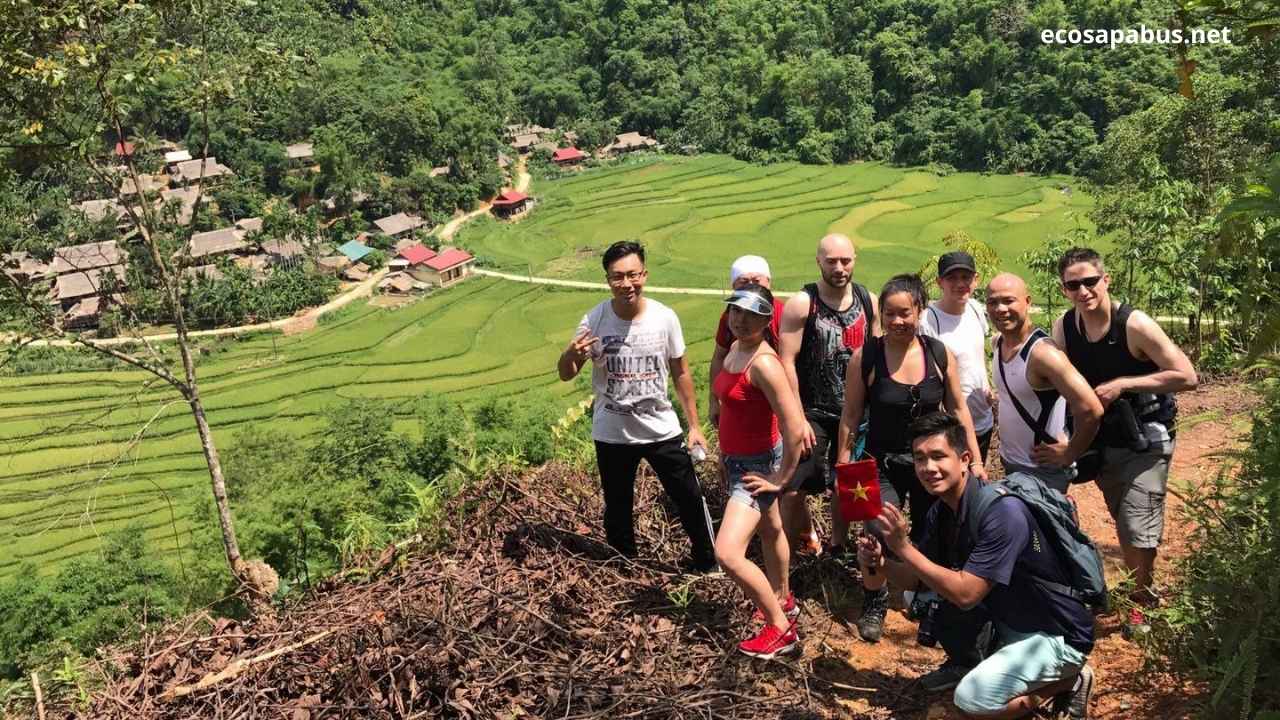
Pu Luong's signature activity is trekking between Thai ethnic villages through cascading rice terraces. Routes range from 2-hour easy walks to challenging full-day jungle treks. The most spectacular: Kho Muong to Lan village (4-6 hours) passes the reserve's largest bamboo waterwheels and most photogenic terraces with 360° valley views. Don to Hieu village (3-4 hours) features steep climbs through bamboo forests rewarded with panoramic vistas. Pho Doan circular route (2-3 hours) offers easier terrain suitable for families and older travelers.
Trails follow narrow dirt paths between rice paddies, ford small streams via stepping stones, climb steep hillsides through jungle, and descend into valleys where buffalo graze. You'll encounter farmers tending terraces, children walking to school, waterwheels creaking continuously. This is working farmland — trekking here means witnessing authentic mountain agriculture, not curated tourist landscapes.
Cost: Free if self-guided with offline maps (Maps.me works). Hiring local guide: 200,000-300,000 VND per day (~$8-12) — highly recommended for safety, cultural context, finding best viewpoints. Duration: Half-day treks 3-4 hours, full-day 6-8 hours including lunch stops. Difficulty: Varies widely — ask homestay host to match routes to fitness level. Best time: Early morning (6:00-10:00 AM) before heat peaks or late afternoon (3:00-6:00 PM) for golden hour light.
Trail conditions: Paths become extremely slippery after rain. Proper trekking shoes with grip are essential — not sandals or sneakers. Navigation: Trails aren't marked clearly. Multiple junctions without signs. Solo trekking risks getting lost — hire guide or trek with group. Sun exposure: Valleys trap heat. Bring 1.5-2L water, hat, SPF 50+ sunscreen. Stream crossings: Some routes ford streams via rocks or logs. Can be dangerous when water runs high after rain. Mobile signal: Weak or absent on trails. Inform homestay of your route and expected return time. Leeches: Present June-September in forests. Wear long pants, apply insect repellent to socks/shoes.
2. Photographing Bamboo Waterwheels — Pu Luong's Icons
The reserve's famous bamboo irrigation wheels create Pu Luong's most iconic images. These ingenious devices — some reaching 12 meters diameter — lift water from streams to terraces perched 5-10 meters above valley floors using only bamboo construction and stream current power. The largest concentrations cluster near Kho Muong village (10+ wheels ranging 5-12m diameter) and along streams between Kho Muong and Lan villages.
Best photography approach: Wake before sunrise, walk to waterwheel clusters by 6:00 AM, capture morning mist rising from streams with wheels silhouetted against terraces. The soft dawn light and atmospheric mist create ethereal compositions impossible later in day. Revisit same locations at sunset for dramatic golden hour backlighting.
Photography tips: Bring tripod for long exposure shots showing wheel motion blur. Polarizing filter cuts water glare and deepens sky. Shoot from low angles to emphasize wheel size against mountains. Visit during planting season (May-June) when wheels spin at maximum speed.
3. Traditional Homestay Cultural Immersion
Staying in Thai ethnic bamboo stilt houses transforms Pu Luong from sightseeing into genuine cultural experience. Evening activities at homestays: learning to cook com lam (bamboo rice tubes), weaving bamboo baskets and mats, sharing ruou can (rice wine) with village elders, listening to traditional music, helping prepare family dinners, hearing village stories and legends. These aren't staged tourist performances — they're authentic daily activities families share with curious guests.
Homestay accommodations are basic but authentic: sleeping on mattresses under mosquito nets in communal rooms (separate areas for men/women), shared bathrooms (mix of squat and Western toilets), cold to lukewarm showers, unreliable electricity. This rustic simplicity is intentional — preserving traditional architecture while providing tourist income. Embrace it as cultural immersion rather than accommodation downgrade.
4. Village Cycling Routes
Cycling offers perfect pace to explore Pu Luong's valleys — fast enough to cover distance, slow enough to observe daily life. Routes wind through rice paddies on narrow dikes, past bamboo groves, alongside irrigation streams, connecting multiple villages. Stop whenever something catches interest: farmers transplanting rice, children playing by streams, waterwheels creaking, buffalo wallowing in mud, weavers working on looms under stilt houses.
Bike rental: Most homestays provide bicycles free or minimal fee (50,000 VND/day ~$2). Routes are mostly flat valley floors with occasional hill climbs between villages. Typical half-day ride: 15-20km covering 2-3 villages in 2-3 hours. Best routes: Kho Muong → Lan → Hieu circular loop, Pho Doan → Don village out-and-back.
5. Swimming at Waterfalls & Natural Pools
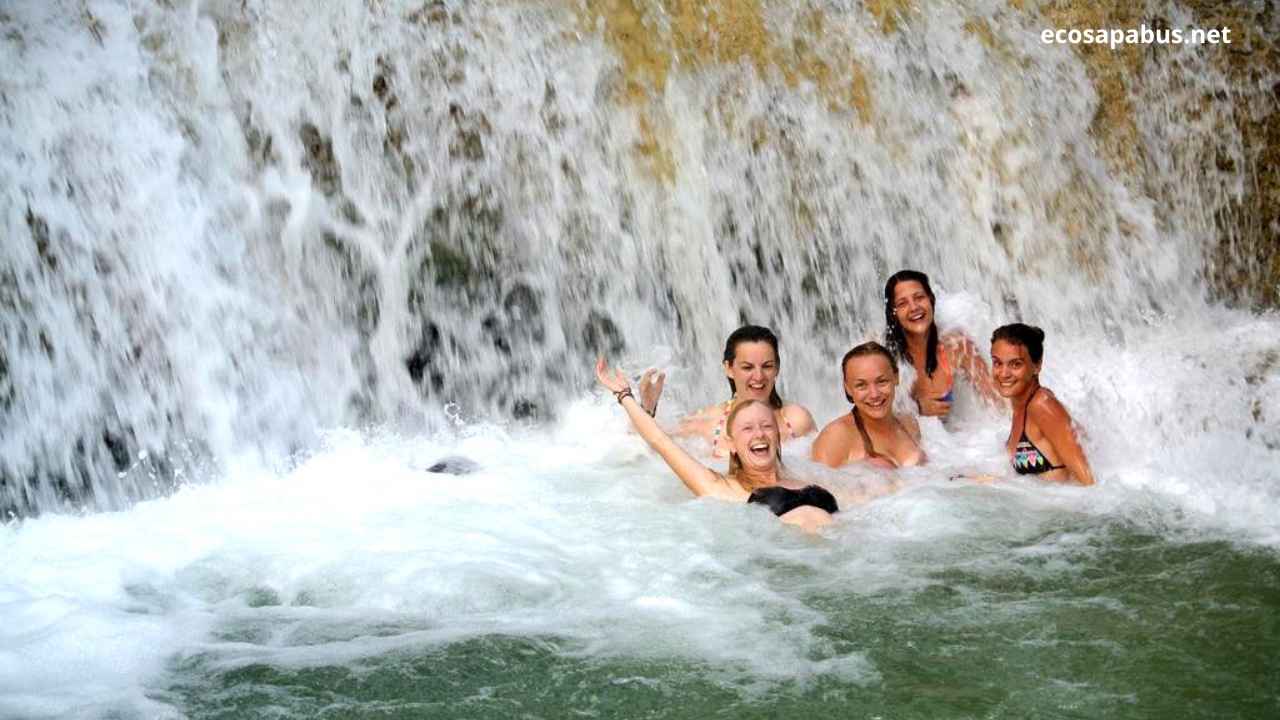
Small waterfalls dot the reserve, offering refreshing swimming after hot humid treks. Locations near main villages include natural pools with cool clean water perfect for post-trek recovery. Water temperature stays cool year-round (18-22°C), cleanest outside monsoon season when sediment settles.
What to Eat in Pu Luong — Local Cuisine & Homestay Meals
Food at Pu Luong reflects Thai ethnic culinary traditions featuring sticky rice, bamboo-cooked dishes, mountain vegetables, grilled meats, and fermented specialties. Nearly all meals happen at homestays where families prepare traditional dishes using ingredients from their gardens and surrounding forests. Expect simple but delicious food highlighting ingredient freshness over complex techniques.
Signature Pu Luong Dishes
Com Lam (Bamboo Sticky Rice): The area's most iconic dish — sticky rice stuffed inside fresh bamboo tubes with black beans or peanuts, roasted over charcoal until bamboo chars. The bamboo imparts sweet woody fragrance impossible to replicate in pots. Split tube open, peel charred inner layer, eat rice directly from bamboo. Absolutely delicious. Learning to make this with homestay families is cultural highlight. Cost: Included in homestay meals. Making it yourself: priceless experience.
Grilled Stream Fish: Freshwater fish caught from local streams, seasoned with lemongrass and mountain herbs, wrapped in banana leaves, grilled over charcoal. The banana leaves steam fish while adding subtle aromatic flavor. Served with sticky rice, fresh herbs, chili-lime dipping sauce. Cost: Homestay dinners (included in accommodation price 250,000-350,000 VND/night).
Mountain Vegetable Stir-Fry: Wild greens foraged from surrounding jungle — varieties unavailable in city markets with unique earthy, slightly bitter flavors. Stir-fried simply with garlic, sometimes with dried fish or pork. Each homestay's recipe differs based on which vegetables grow nearby. Cost: Homestay meals (included).
Grilled Pork with Lemongrass: Pork marinated in lemongrass, garlic, fish sauce, grilled over charcoal, served with fresh herbs and rice. Simple preparation letting quality ingredients shine. Cost: Homestay meals.
Ruou Can (Rice Wine): Fermented sticky rice wine drunk through long bamboo straws from communal ceramic jar. Central to Thai hospitality and social bonding. Alcohol content varies wildly by batch — some mild (6-8%), others surprisingly potent (15%+). Accepting a drink builds rapport with homestay families, though one symbolic sip suffices if you don't drink alcohol.
Homestay Meals — What to Expect
Dinner: Family-style with 4-6 dishes sharing the table — typically grilled or steamed meat/fish, vegetable stir-fry, soup, bamboo rice, fresh herbs. Meals eaten together (family + guests) around low table seated on floor cushions or small stools. Timing: Usually 6:30-7:30 PM. Portions: Generous — hosts encourage multiple helpings. Duration: 45-90 minutes as dishes appear gradually and conversation flows.
Breakfast: Sticky rice or rice porridge, fried eggs, stir-fried vegetables, sometimes leftover meat from dinner. Timing: 7:00-8:00 AM before trekking.
Dietary restrictions: Communicate vegetarian/vegan preferences when booking. Thai families accommodate easily with tofu, mushrooms, abundant vegetables. Food allergies: More challenging — homestay hosts may not understand cross-contamination. Severe allergies should bring translation cards in Vietnamese and pack safe snacks.
Where to Stay in Pu Luong — Villages & Homestays Ranked
Accommodation at Pu Luong centers on village homestays in traditional Thai ethnic stilt houses. A few eco-lodges and boutique resorts exist for travelers wanting more amenities, but homestays deliver the cultural immersion that makes Pu Luong memorable. Here's each village ranked by tourist infrastructure and access.
Kho Muong Village — Best Overall Base ⭐ Recommended
Kho Muong sits centrally in the reserve surrounded by spectacular rice terraces and hosts the highest concentration of giant bamboo waterwheels. The village offers the most developed homestay infrastructure while maintaining authentic Thai culture. Multiple families host travelers, creating healthy competition that keeps prices fair and service quality high. Kho Muong's location provides easy access to major trekking routes, waterwheel photography spots, and connections to other villages.
Advantages: Best waterwheel access, central location, multiple homestay options, good English speakers, proven track record hosting tourists. Homestay cost: 250,000-400,000 VND per person per night including dinner and breakfast (~$10-16). What's included: Accommodation, mosquito net, dinner (4-6 dishes), breakfast, often bicycle use. Best homestays: Mr. Duc's Homestay, Pu Luong Home Garden, Kho Muong Homestay.
Lan Village — Quieter Alternative
Lan offers similar rice terrace scenery and waterwheel access to Kho Muong but with fewer tourists and slightly more basic facilities. The village sits higher on hillsides providing excellent valley views. Homestays here feel more authentic with less tourism adaptation — expect lower English proficiency but warmer cultural immersion.
Advantages: Fewer tourists, authentic village atmosphere, beautiful valley views, lower prices. Disadvantages: Limited English, more basic facilities, fewer homestay options. Cost: 200,000-350,000 VND per person per night (~$8-14). Best for: Travelers prioritizing authenticity over convenience.
Don & Hieu Villages — Remote Immersion
These higher-elevation villages offer the most pristine trekking access but minimal tourist infrastructure. Homestays are very basic — this is where you experience Thai mountain culture least influenced by tourism. Limited electricity, cold water showers, minimal English, genuine village hospitality.
Cost: 200,000-300,000 VND per person. Best for: Adventure travelers comfortable with very simple conditions seeking deepest cultural immersion.
Pho Doan Village — Easiest Access
Pho Doan sits closest to the reserve entrance with easiest road access, making it popular for quick visits. However, this accessibility means more tourists and less pristine surroundings compared to deeper villages. Good choice if mobility limited or traveling with elderly family members.
Eco-Lodges & Boutique Resorts
For travelers unable or unwilling to handle homestay conditions, several upscale options exist: Pu Luong Retreat (luxury bungalows, infinity pool, restaurant, 800k-1.8M VND/night ~$32-72). Puluong Natura (eco-resort, private bungalows, hot water, 1-2M VND/night). Pu Luong Eco Garden (mid-range, private rooms, Western amenities, 600k-1M VND/night).
Advantages: Hot showers, private rooms, Western toilets, reliable electricity, WiFi, swimming pools, restaurant menus. Disadvantages: Zero cultural immersion, isolated from villages, significantly more expensive, miss the authentic Pu Luong experience.
Pu Luong 3-Day Village Homestay Trek — Deep Immersion
Comprehensive 3-day journey staying at carefully selected homestays in Kho Muong and Lan villages. Trek multiple rice terrace routes, photograph waterwheels at sunrise and sunset, learn bamboo rice cooking, share meals and stories with Thai families, cycle village roads, swim at waterfalls. Private transport from Hanoi, experienced English-speaking guide, all logistics handled.
How to Get to Pu Luong from Hanoi — Transport Options
Pu Luong sits 160km southwest of Hanoi in Thanh Hoa Province. The journey takes 3.5-4 hours one-way through mountain roads, meaning Pu Luong requires minimum 2 days (1 night) to visit properly. Day trips are technically possible but absurdly exhausting — 7-8 hours driving for 3-4 hours at Pu Luong.
Option 1: Private Car — Most Comfortable ⭐ Recommended
Private car from Hanoi to Pu Luong offers maximum comfort and flexibility. You control departure time, can stop for photos at scenic viewpoints, and arrive rested rather than bus-battered. Experienced drivers know mountain roads intimately and handle hairpin turns confidently. For 2-4 travelers, cost per person approaches bus prices while delivering vastly superior experience.
Cost: 2,500,000-3,500,000 VND round-trip for 4-seat car (~$100-140 total for entire car, not per person). 3,500,000-4,500,000 VND for 7-seat vehicle. Duration: 3.5-4 hours each way with stops. What's included: Door-to-door pickup/drop-off in Hanoi, experienced driver, fuel, tolls, water. Not included: Driver's meals and accommodation if overnight (you cover this ~100,000 VND/day). Book through: EcoSapa Bus for vetted drivers with excellent safety records.
Route: Hanoi → Highway 6 → Hoa Binh → Mai Chau turnoff → Canh Nang → Pu Luong. Road conditions: Good highway to Canh Nang, narrower winding mountain roads final 20km into reserve. Stops: Rest stop after 2 hours, optional Mai Chau viewpoint.
Option 2: Motorbike — Adventure Route
Experienced motorbike riders can self-drive Hanoi to Pu Luong. The route passes through Mai Chau valley, tea plantations, and mountain passes offering excellent scenery. This is genuinely adventurous — not a casual weekend ride for novices.
Distance: 160km one-way. Duration: 4-5 hours riding time (add stops). Difficulty: Moderate — good highways deteriorate to narrow mountain roads with trucks, sharp curves, steep grades. Bike rental: 150,000-250,000 VND per day in Hanoi (~$6-10) for semi-automatic or manual.
Requirements: International Driving Permit (IDP) or Vietnamese license, comprehensive travel insurance, mechanical competence, comfort riding 4+ hours, experience on mountain roads. Risks: Traffic accidents (most common), mechanical breakdowns, getting lost, fatigue.
Option 3: Public Bus — Budget Route
Public buses run Hanoi to Canh Nang town, from where you arrange motorbike taxi or car to Pu Luong villages. Cheapest option but most time-consuming and least comfortable.
Step 1: Hanoi to Canh Nang. Depart My Dinh bus station. Frequency: Multiple departures 6:00 AM - 1:00 PM. Duration: 4-5 hours. Cost: 100,000-150,000 VND (~$4-6). Step 2: Canh Nang to Pu Luong (20km). Motorbike taxi: 100,000-150,000 VND. Car: 200,000-300,000 VND. Total cost one-way: ~200,000-300,000 VND (~$8-12). Challenges: Language barriers, carrying luggage, finding reliable drivers.
Option 4: Organized Tour — Easiest
Pu Luong tour packages handle all logistics: transport, homestay booking, guide, meals, activities. You show up — everything else is organized.
Included: Round-trip transport (VIP car or mini-van), English-speaking guide, homestay accommodation (1-2 nights), all meals, trekking, waterwheel visits, cultural activities. Cost: 2,500,000-3,500,000 VND per person (~$100-140) for 2-day/1-night. 3,500,000-5,000,000 VND for 3-day/2-night. Group size: 4-12 travelers. Best for: First-time visitors, solo travelers wanting company, anyone prioritizing convenience.
Scams, Safety & Packing Checklist for Pu Luong
Pu Luong is extremely safe with virtually zero violent crime and welcoming Thai ethnic communities. However, tourism-related scams exist, and the remote mountain environment presents legitimate safety considerations. Here's what you need to stay safe and avoid getting ripped off.
Common Scams
Scam #1 — Homestay bait-and-switch: Photos show upgraded rooms; you arrive to basic communal sleeping. Or quoted price "includes all meals" but dinner drinks, snacks charged separately. Protection: Book through vetted operators who've inspected homestays. Confirm in writing: "250,000 VND includes private/communal room, dinner, breakfast, bicycle — any other fees?" Screenshot confirmation.
Scam #2 — Transport overcharges: Drivers quote inflated prices knowing you have no alternatives once in Canh Nang. Protection: Agree on round-trip price before departure. Get it in writing/text. Book transport through homestay who knows fair rates.
Scam #3 — Mandatory guide fees: Told trekking requires hiring guide when trails are actually manageable independently. Reality: Guides are recommended but not legally required for main trails. For complex routes or if uncomfortable navigating, hiring guide is genuinely valuable — but it's your choice.
Safety Considerations
Trekking hazards: Slippery trails after rain, stream crossings with fast current, leeches in wet season, steep descents, limited cell signal. Never trek alone — go with partner or hire guide. Tell homestay your route and expected return time.
Health: Mosquitoes present year-round — bring DEET 30%+ repellent. Water: Never drink from streams. Homestay food generally safe but bring anti-diarrheal medication. Nearest medical: Canh Nang clinic (20km). Serious emergencies require evacuation to Hanoi (3.5-4 hours).
Cash: NO ATMs in Pu Luong. Nearest ATM Canh Nang town (20km). Bring sufficient Vietnamese Dong cash from Hanoi for entire stay. Budget: 500,000-800,000 VND per day. Small notes (20k, 50k, 100k) — villages can't break 500k notes.
Essential Packing List
Footwear: Proper trekking shoes with grip (trails muddy after rain). Clothing: Quick-dry shirts, long pants (sun/leeches), rain jacket, warm layer for evenings, swimsuit. Sun protection: Hat, SPF 50+ sunscreen, sunglasses. Health: Insect repellent DEET 30%+, first aid kit, personal medications, anti-diarrheal. Gear: Headlamp (villages have limited lighting), power bank, waterproof bag for phone/camera, reusable water bottle. Cash: 500,000-800,000 VND in small notes for 2-day trip.
Pu Luong Itineraries — 2-Day & 3-Day Routes
How much time for Pu Luong? Minimum 2 days (1 night) covers essentials — trekking, waterwheels, homestay culture. Ideal is 3 days (2 nights) for unhurried exploration absorbing peaceful mountain rhythm. Here are tested itineraries with realistic timings.
2-Day Pu Luong Itinerary — Essential Experience
3-Day Pu Luong Itinerary — Comprehensive Exploration ⭐ Ideal
Combining Pu Luong with Other Destinations
Pu Luong + Mai Chau: Excellent combination — just 1.5 hours apart, both offer rice terraces and homestays but different ethnic groups (Thai vs. White Thai), 4-5 days total. Route: Hanoi → Pu Luong (2 days) → Mai Chau (2 days) → Hanoi.
Pu Luong + Ninh Binh: Contrasting landscapes — mountain terraces vs. river valleys, 2 hours apart, 4-5 days total. Pu Luong + Sapa: Epic mountain circuit comparing pristine vs. developed tourism, 6-7 hours between, 6-8 days total.
Frequently Asked Questions — Pu Luong 2026
What Travelers Say About Our Pu Luong Trips
"The rice terraces were even more stunning than photos. Our homestay in Kho Muong village was authentic — sleeping in bamboo stilt house, learning to cook com lam with the grandmother, sharing rice wine with the family. This guide's prices and village recommendations were spot-on accurate."
"We trekked from Kho Muong to Lan village with local guide who knew every waterwheel location and best photo viewpoints. Sunrise over the terraces was magical. Way better than crowded Sapa — this is what Sapa was 20 years ago before mass tourism. Don't skip Pu Luong."
"Solo female traveler — felt completely safe at homestays and trekking with guide. The 3-day itinerary from this guide was perfect pacing. Scam warnings about transport pricing saved me money. Pu Luong delivered authentic mountain culture without tourist circus of other destinations."
More Vietnam Travel Resources
