Mai Chau
from Hanoi — 2026 Guide
Vietnam's most peaceful valley — White Thai culture, golden rice fields, and a genuine escape just 3 hours from Hanoi.
A Valley That Slows Time Down
Mai Chau is not a city or a town. It's a wide, open valley cradled by limestone mountains in Hoa Binh Province — about 135km southwest of Hanoi. Most travelers arrive expecting a destination and leave having experienced something quieter and more affecting than they anticipated.
The valley is home predominantly to White Thai and Black Thai ethnic minority communities who have farmed this land for centuries. Their wooden stilt houses, traditional weaving, and way of life remain largely intact — remarkable given how close Mai Chau sits to the capital.
Unlike Sapa, which draws serious trekkers and has become increasingly commercial, Mai Chau stays relatively quiet. The terrain is flat. The pace is slow. The highlight is a morning bike ride through rice fields with mountain fog — not a landmark but a feeling that's hard to describe and surprisingly easy to find.
Mai Chau is not a secret anymore. Lac Village can get busy on weekend afternoons with domestic tour groups. If you want quiet, arrive on a weekday or stay in Pom Coong or deeper in the valley. Still a wonderful destination — just manage expectations of having it to yourself.
📋 Quick Facts — Mai Chau
Mai Chau has two rice harvest seasons per year — spring (May) and autumn (September). The valley is green or golden for most of the year, unlike regions with only one growing season.
12 Best Things To Do in Mai Chau
Mai Chau rewards slow travelers. The best activities here aren't big attractions — they're moments: mist over rice fields, a weaving lesson under a stilt house, sharing rice wine with a Thai family. Here's our curated list of the best things to do in Mai Chau for visitors from the US, Australia, and Singapore.
Cycle Through the Rice Fields & Villages
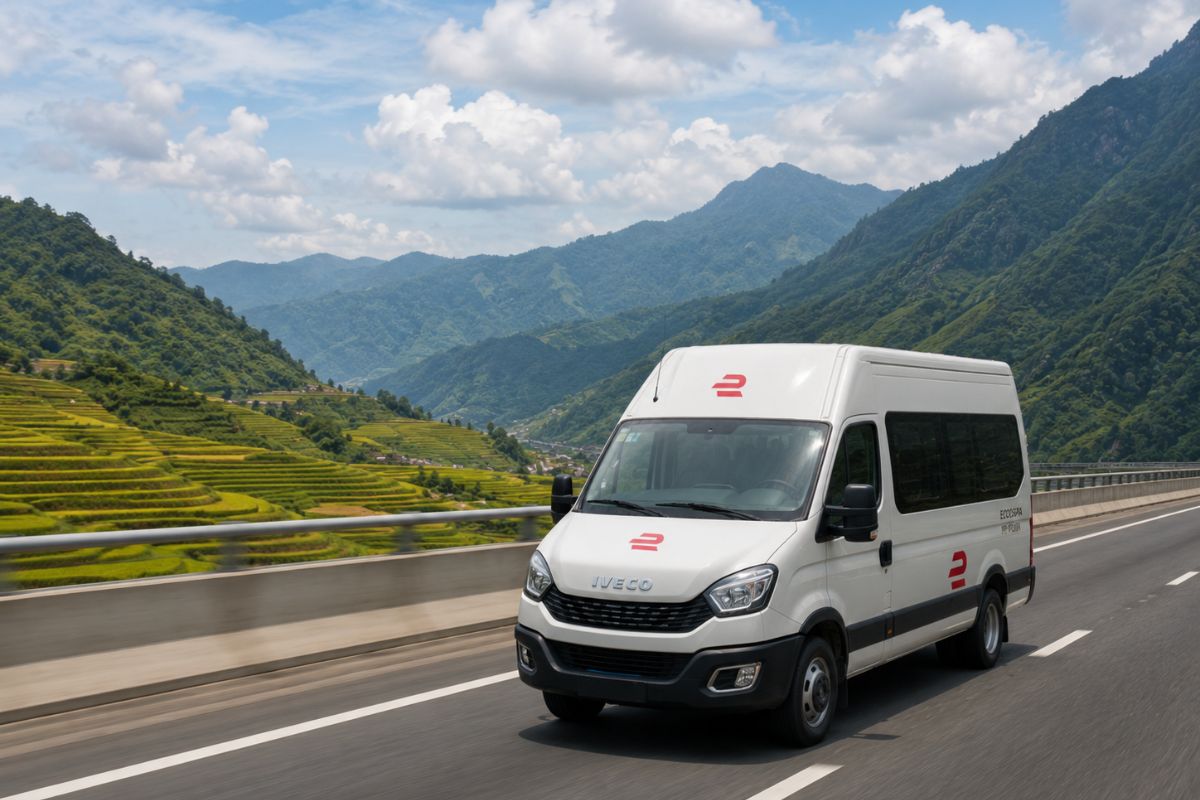
The valley floor is remarkably flat — a rarity in northern Vietnam — making cycling the single best way to experience Mai Chau. Wooden stilt houses appear between rows of rice, water buffalo graze alongside narrow paths, and limestone peaks form the entire horizon. No fitness, no skill, no guide required.
The classic loop runs from Lac Village through Pom Coong and back via the outer fields — approximately 8km, done in 2 hours or stretched into a full day. Most homestays provide free bicycles. If weather is a problem, hire an electric golf cart with a local driver.
Leave before 8:00am. Morning mist sits on the mountains for about an hour after dawn. After 10am, domestic tour groups arrive in Lac Village by coach and the atmosphere shifts considerably.
Stay in a Traditional Thai Stilt House
To properly experience Mai Chau homestay culture means sleeping in one. White Thai stilt houses are constructed from hardwood and bamboo, raised above the ground, with wide platforms as living spaces. Many are genuinely family-run — you'll share dinner with owners and wake to the sound of rice being prepared below.
Lac and Pom Coong villages have the highest concentration of homestays. Developed options offer private rooms with en-suite bathrooms. Further into the valley, options are simpler — shared bathrooms and more authentic immersion.
"Traditional" spans a wide range. Some stilt houses are fully renovated inside; others are genuinely spartan. Always check recent photos before booking, or ask us directly for specific recommendations.
Explore Lac Village & Pom Coong Village
Lac Village is the more developed of the two — shops selling locally-woven textiles, small family restaurants, weaving cooperatives where you can watch women working traditional looms under their houses. Pom Coong, a short cycle away, feels noticeably quieter and more residential.
Both villages are best explored on foot or by bicycle. Getting genuinely lost between the paths is half the point. The best purchases here are woven textiles bought directly from the weaving family — not from shops.
Buy directly from weavers, not middlemen shops. Prices are 20–30% lower and money goes entirely to the family. Look for women working looms under their houses — they're usually happy to sell.
Visit Pa Co Sunday Market (Hang Kia)
Forty-five minutes northwest into the mountains lies Hang Kia Commune and every Sunday, Pa Co Market. Hmong people descend from hillside villages in full traditional dress to trade produce, animals, and handicrafts. One of the most genuine ethnic minority markets in northern Vietnam.
The market runs 6:00–11:00am and peaks around 8:30am. Unlike touristy markets further north, Pa Co has not been adapted for visitors — the atmosphere is authentic, lively, and occasionally chaotic in the best way.
Photography here requires sensitivity. Ask permission before taking portraits — particularly of older Hmong women. Accept refusals gracefully. The experience is better than any photograph.
Climb to Chieu Cave (Hang Chiều)
Chieu Cave is the most dramatic natural attraction near the valley. The approach climbs over 1,200 stone steps up a limestone hillside. As you ascend, the entire Mai Chau Valley opens below — rice fields, stilt houses, and distant mountains before you've even reached the cave.
The cave contains several chambers with impressive limestone formations. In the late afternoon, shafts of sunlight pierce through openings in the rock and illuminate the interior dramatically. Budget 45 minutes up, 30 minutes inside, 30 minutes down.
Visit between 2:00–4:00pm for the sunlight beam effect inside. Morning is cooler but misses the light. Bring at least 1 litre of water — the climb is exposed even on cloudy days.
Boat Tour on Hoa Binh Lake
Hoa Binh Lake — created by one of Vietnam's largest hydropower dams — looks nothing like a reservoir in the Mai Chau section. Forested karst hills rise from calm water, fishing villages perch on stilts, and the whole scene has the quality of a mountain lake discovered by accident.
Short boat tours take you past floating fish farms, into remote bays, and sometimes into a hidden cave with a Buddhist temple inside. An experience that genuinely surprises visitors who assume Mai Chau is only rice fields and cycling.
Combine the lake with Go Lao Waterfall and kayaking — they're all within 10 minutes. A full lake day is the best option for Day 2 of any Mai Chau itinerary.
Go Kayaking — Valley Stream or Hoa Binh Lake
Two very different kayaking experiences are available. At Chieng Chau Kayak Pier near Lac Village, you paddle a quiet stream flanked by rice fields and bamboo groves — calm, flat water through a one-hour loop. Life jackets provided, equipment is decent.
At Hoa Binh Lake, the experience scales up considerably — open water with forested hills on every side and views of Muong fishing villages. Mai Chau Floating House is the best base: rent kayaks with no time limit.
No prior experience needed. The valley stream is completely flat and child-friendly. The lake can have a small chop in afternoon wind — go in the morning if in doubt.
Stop at Thung Khe Pass & Mai Chau Viewpoint
Every traveler arriving from Hanoi crosses Thung Khe Pass — and most drive straight through without stopping. This is a mistake. Near the summit before the descent, a wide parking area marks the Mai Chau Viewpoint. From here, the entire valley is visible in a single sweep.
On clear days it's one of the finest views in northern Vietnam — rice fields, stilt villages, mountain walls laid out below. Best appreciated on arrival, before descending into the valley.
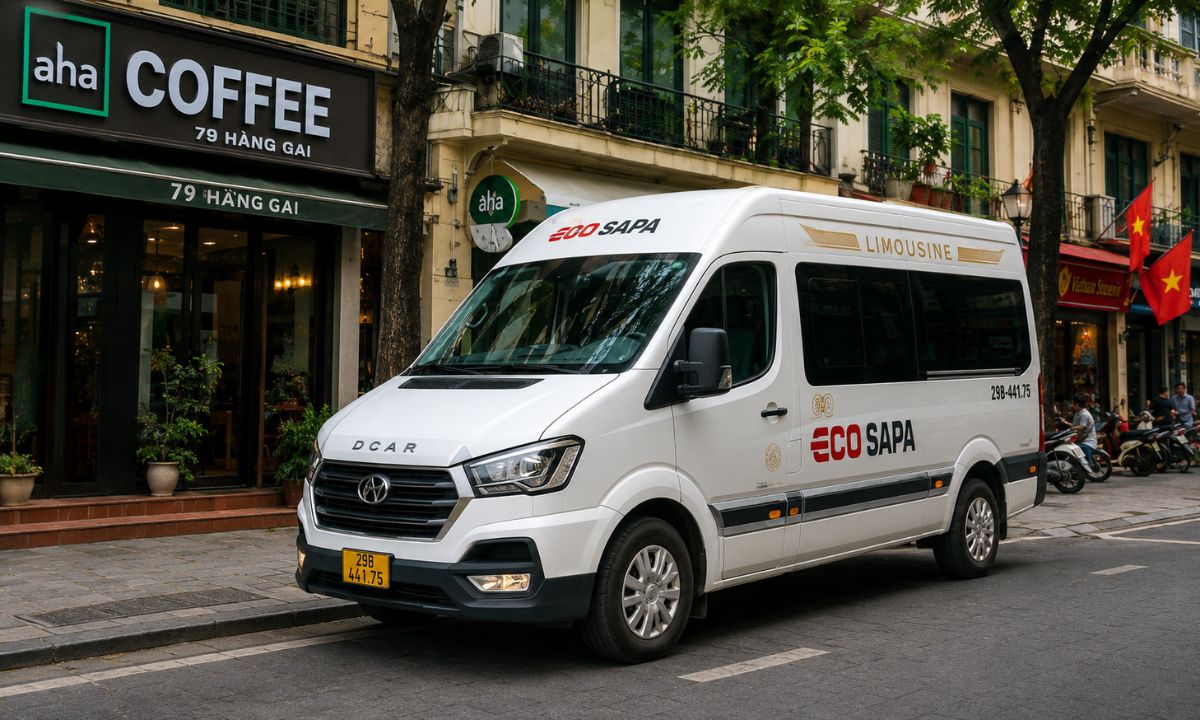
If you're travelling with EcoSapa Bus, just mention at booking and we stop automatically. Sunrise and late afternoon offer the best light.
Join a Weaving or Cooking Workshop
Traditional White Thai weaving is not a tourist performance — it's how these communities have clothed themselves and traded for generations. The geometric patterns carry cultural meaning, and watching an experienced weaver work a floor loom at speed is genuinely mesmerizing.
Cooking workshops are also available through homestays — preparing com lam (bamboo sticky rice), grilled meats with mountain herbs, and the distinctive sour bamboo soup that appears at virtually every Mai Chau table.
Book workshops through your homestay rather than tour operators. The money goes directly to the weaving family and the experience is far more personal — often extending into tea and conversation.
Watch a Traditional Thai Dance Performance
Most evenings in Mai Chau, homestays and lodges host short traditional White Thai dance and music performances. Women in traditional dress perform group dances to gongs and bamboo flutes. The bamboo pole dance — where dancers move between clapping bamboo sticks at increasing speed — is a particular highlight.
Many performances end with an open invitation for guests to join the final dance and share rice wine from a communal jar through bamboo straws. Warm, informal, and genuinely festive.
Performances typically begin around 7:30–8:00pm and run 45 minutes. The local rice wine (ruou can) is genuinely potent — pace yourself if you have an early morning bike ride planned.
Eat Local — Com Lam, Grilled Meats & Thai Food
Com lam — sticky rice cooked inside sections of green bamboo over an open flame — is the essential Mai Chau dish. The bamboo imparts a subtle smokiness and the rice emerges fragrant and toasted. It arrives alongside grilled pork with mountain herbs, banana flower salad, and sour bamboo shoot soup.
Homestay dinners are almost universally better than restaurant meals here — cooked from garden ingredients, served family-style at low tables, eaten cross-legged on a mat as the mountain air cools.
Restaurants in Lac Village aimed at day-trippers serve generic food. If staying overnight, eat at your homestay — it's usually included in the room price and consistently better than any alternative.
Day Trip to Pu Luong Nature Reserve
Pu Luong Nature Reserve lies 1.5–2 hours south of Mai Chau and offers a completely different landscape — steep terraced rice fields, bamboo forests, traditional water wheels, and remote ethnic villages. Where Mai Chau is flat and accessible, Pu Luong is rugged and immersive.
A day trip is very doable from Mai Chau, though an overnight stay does Pu Luong proper justice. Trekking is the main activity. A local guide is genuinely recommended — navigation is tricky and the cultural context transforms the experience.
We can arrange transport from Mai Chau to Pu Luong and back, or build a full Hanoi → Mai Chau → Pu Luong itinerary with accommodation. Ask us when booking your transfer.
Hanoi to Mai Chau
We run this route daily. Here's our honest comparison of every option.
Mai Chau has no airport or train station. All routes go via Hanoi. We run the Hanoi to Mai Chau route daily and know every option — here's our honest breakdown. The right choice depends on your budget, group size, and how much you value comfort vs. cost.
| Option | Duration | Price / person | Pickup point | Best for |
|---|---|---|---|---|
| EcoSapa Limousine BEST | 3–3.5 hrs | $19–22 USD | Hotel pickup, Old Quarter | Comfort + guaranteed seat |
| Local public bus | 3.5–4.5 hrs | $4–5 USD | My Dinh Bus Station | Budget travelers, flexible |
| Private car with driver | 3 hrs | $75–95 total (4 pax) | Hotel pickup, anywhere Hanoi | Families, groups of 3–4 |
| Motorbike rental | 3.5 hrs | $8–14 / day rental | Hanoi rental shop | Experienced riders, adventure |
| Organized day tour | Full day | $30–55 USD | Hotel pickup | One-day visitors, no planning |
About the Local Bus Option
Direct buses depart My Dinh Bus Station (west Hanoi) at approximately 6:00am, 8:30am, and 11:00am. Cost is 80,000–100,000 VND (~$4). Journey takes 3.5–4.5 hours. Ask the driver to stop at Lac Village crossroads. Return buses depart Mai Chau at 9:00am, 11:00am, and 1:00pm — your homestay can usually book your seat.
The local bus is perfectly legitimate. Downsides: fixed departure times, My Dinh is far from the Old Quarter, occasional standing passengers, no guaranteed seat. For $15 more, the limousine is meaningfully more comfortable. But if budget is your priority, the bus works just fine.
Book Hanoi → Mai Chau with EcoSapa Bus
Air-conditioned limousine, hotel pickup, English-speaking driver, flexible times. The easiest way to start your Mai Chau trip.
Best Time To Visit Mai Chau
Mai Chau can be visited year-round, but timing genuinely affects what you'll experience. The valley has two rice growing seasons and two distinct weather patterns. Here's what to expect each month — honestly.
🌾 Mai Chau Rice Field Calendar — What You'll See Each Month
Target May or September for golden rice fields. Target March–April or October–November for best weather and activities. See our 2-day itinerary to plan your visit around the season.
Where To Stay in Mai Chau
Mai Chau has no city center — it's a rural valley of small villages and scattered accommodation. Most travelers base themselves in or around Lac and Pom Coong villages, where options range from simple family homestays to stylish lodges with infinity pools overlooking rice fields.
Family-run stilt houses in Lac or Pom Coong. Rooms range from shared sleeping areas to basic private rooms. Dinner and breakfast typically included — often the best meals you'll eat in Mai Chau.
Private bungalows or renovated stilt-house rooms with en-suite bathrooms, air conditioning, and often a pool. The sweet spot between comfort and local atmosphere.
Full-service resorts with infinity pools, spa facilities, premium restaurants, and exceptional rice field views. Surprisingly high design quality for the price point.
Lac Village: Most homestays and restaurants, social, slightly touristy. Pom Coong: Quieter, more residential, 5 min from Lac. Deeper valley: Scattered eco-retreats for genuine seclusion. Hang Kia: Mountain Hmong homestays, 45 min drive, very remote. Hoa Binh Lake: Lakeside stays including Mai Chau Floating House — different scenery, great for kayaking, less ideal for cycling. Ready to book your Hanoi → Mai Chau transfer?
How To Spend Your Time in Mai Chau
Not sure how to structure your visit? We've put together three itineraries based on trip length and travel style. All assume arrival from Hanoi by limousine transfer.
Depart Hanoi by EcoSapa limousine — hotel pickup included.
Stop at Thung Khe Pass viewpoint — panoramic view of the full valley before descending.
Arrive Lac Village, check in and drop bags. Free bicycles from your homestay.
Cycle through rice fields — Lac → Pom Coong → outer villages (~8km). Take your time.
Lunch at homestay — com lam, grilled pork, banana flower salad. Eat family-style.
Weaving workshop — 60–90 min session with a Thai family at your homestay.
Walk to the edge of the valley for late afternoon light over the rice fields.
Dinner at homestay. Traditional dance performance and shared rice wine after dinner.
Breakfast. Early morning bike ride in the mist — worth repeating if yesterday was good.
Drive to Chieu Cave — 1,200 steps up the hillside. Valley views from the stairs.
Drive to Go Lao Waterfall — cool off in the pool at the base.
Lunch at lakeside restaurant or packed lunch from your homestay.
Boat tour on Hoa Binh Lake — cave temple, floating fish farms, mountain scenery.
Optional kayaking at Mai Chau Floating House — no time limit rental.
Depart toward Hanoi. Arrive approximately 8:00pm.
Depart Hanoi. Arrive Mai Chau ~10:30am with Thung Khe Pass stop.
Cycle through rice fields, visit Pom Coong village, relax at homestay.
Weaving workshop, dinner at homestay, traditional dance performance.
Depart Mai Chau by car toward Pu Luong Nature Reserve (1.5–2 hours).
Trekking through terraced rice fields with local guide. Visit Ban Hieu or Kho Muong villages.
Lunch in a local village — simple but excellent. Often included with guide booking.
Continue trekking — bamboo forests, water wheels, valley lookout points.
Return to Mai Chau. Dinner and rest — you've earned it.
Final morning bike ride in the valley.
Drive to Hoa Binh Lake — boat tour and kayaking.
Visit Chieu Cave on the return route.
Depart Mai Chau. Arrive Hanoi ~7:30pm.
Depart Hanoi — earliest possible departure is essential for a one-day trip to Mai Chau.
Thung Khe Pass viewpoint stop — photograph the whole valley from above before descending.
Arrive Lac Village. Rent a bicycle immediately — time is limited.
Cycle Lac → Pom Coong → outer fields loop (~8km). Don't rush — this is the highlight.
Lunch at a local homestay restaurant — com lam and grilled meats.
Visit a weaving cooperative in Lac Village. Browse and buy directly from weavers.
Walk around Pom Coong — quieter and more residential than Lac Village.
Depart for Hanoi. Arrive approximately 6:30–7:00pm.
One day is genuinely tight. You'll get a taste — rice fields, cycling, local food — but you'll miss the morning mist, the evening dance performance, and the slower pace that makes Mai Chau special. If you have any flexibility, stay one night. The difference is enormous and the cost is modest. Ask us about our overnight Mai Chau tour options.
Practical Travel Tips for Mai Chau
Everything you need to know before arriving — money, weather, health, cultural etiquette, and what to pack for your Mai Chau trip from Hanoi.
Money & ATMs
No ATMs in Lac or Pom Coong village. The nearest is ~2km away in Mai Chau town — not always reliable. Bring sufficient VND cash from Hanoi. Budget $30–60/day covers accommodation, all meals, and activities comfortably. Mid-range lodges accept cards; most homestays and village restaurants prefer cash only.
Weather & What to Pack
Light clothes for the day, a warm layer for evenings Oct–Feb (can drop to 12°C). Rain jacket essential May–September. Sunscreen critical year-round — the valley is exposed. Sturdy shoes for Chieu Cave stairs and any trekking. Reusable water bottle recommended.
WiFi & SIM Cards
WiFi available at lodges and most homestays — speeds are modest, don't plan on video calls. Buy a local SIM card in Hanoi before departing (Viettel or Mobifone, ~$5 for 10GB). Mobile coverage in the main valley is decent; it degrades in remote areas like Hang Kia commune.
Health & Safety
Mai Chau is one of the safest destinations in Vietnam. No serious endemic health risks. Mosquitoes present May–October — bring DEET repellent. Nearest hospital in Hoa Binh city (45 min drive). Travel insurance with medical evacuation coverage is strongly recommended for any Vietnam trip.
Cultural Etiquette
Ask permission before photographing people — particularly elders and children. Remove shoes before entering stilt houses (look for shoes at the door). Dress modestly in villages: cover shoulders and knees. Accept offered food or drink graciously — refusing can cause unintentional offence in Thai culture.
Language Tips
English spoken at lodges and popular homestays. Village restaurants may use picture menus or Google Translate. Three phrases that will serve you well: Xin chào (hello), Cảm ơn (thank you), Bao nhiêu tiền? (how much?). Smiling is universally understood and appreciated.
Getting Around the Valley
Cycling is best for the main valley (flat, quiet, free bikes). Motorbike for further destinations — Go Lao Waterfall, Hoa Binh Lake, Hang Kia (experience required on mountain roads). For longer day trips, hire a car with driver from your accommodation. See our full transport guide.
Ready to Visit Mai Chau?
We'll Take You There.
EcoSapa Bus runs comfortable limousine transfers from Hanoi to Mai Chau with hotel pickup, English-speaking drivers, and flexible departure times. Over 10,000 travelers transported since 2015.
Frequently Asked Questions
Yes — Mai Chau is one of the safest destinations in Vietnam for solo travelers of any gender. The local White Thai community is welcoming and genuine safety incidents are extremely rare. Standard precautions apply: keep belongings secure, don't leave drinks unattended, let someone know your plans if venturing into remote areas alone. Many of our passengers are solo female travelers who consistently report feeling comfortable and well-treated.
Two nights and three days is the sweet spot — enough for the valley (cycling, weaving, cultural evening) plus one full-day excursion to Hoa Binh Lake or Pu Luong. One night is doable but you'll feel slightly rushed. Three nights if you want to do Pu Luong properly. One day without overnight is possible but you'll miss the morning mist and evening performance — the two things most visitors remember most.
Absolutely. Mai Chau is one of the most independent-traveler-friendly destinations in northern Vietnam. The main valley is flat and easy to navigate by bicycle, accommodation staff mostly speaks English, and key activities (cycling, village walks, weaving) require no guide. Where a guide adds genuine value is for Pu Luong trekking or visits to Pa Co Market — more complex to navigate solo.
September is the best month for golden rice fields — the autumn harvest season turns the valley from green to gold over 2–3 weeks, typically mid-September to early October. May also offers a spring golden harvest, usually in the last two weeks of the month. The exact timing shifts slightly year to year. Check with us before booking — we update guests with current rice conditions before departure. See our full seasonal guide above.
Sapa offers dramatic high-altitude mountain scenery and serious trekking — but it's become significantly more commercialized. Mai Chau is quieter, flatter, warmer, and more accessible — a genuine countryside experience rather than a mountain trekking destination. If you want trekking and mountain drama: Sapa. If you want rice fields, cycling, and authentic village culture with fewer crowds: Mai Chau. We run both routes — ask us for honest advice based on your interests.
Yes — motorbike rentals are available in Lac Village and from several homestays, typically 150,000–250,000 VND per day (~$6–10). A motorbike opens up significant territory including Go Lao Waterfall, Hoa Binh Lake, Hang Kia, and Pa Co Market. The mountain roads beyond the valley require genuine riding experience — don't attempt Thung Khe Pass on a motorbike if you're a true beginner.
Com lam (sticky rice in bamboo) is non-negotiable. Beyond that: grilled pork or chicken with mountain herbs and galangal, banana flower salad with roasted peanuts, sour bamboo shoot soup, and smoked buffalo meat (thit trau) if you encounter it. For drinks, ruou can — local rice wine shared communally through bamboo straws — is a genuine cultural experience. Be warned: it tastes mild but isn't. See our local food guide above.
To Pu Luong: approximately 1.5–2 hours by car via Quan Hoa. No direct public bus — you'll need a private car, rented motorbike, or book through your accommodation. EcoSapa Bus can arrange this as part of a multi-destination booking. To Ninh Binh: roughly 2 hours by car heading east — a highly recommended addition to any northern Vietnam itinerary, particularly if heading south toward Hoi An or Da Nang.
Other Destinations on EcoSapa Bus Routes
Sapa Travel Guide 2026
Mountain trekking, terraced rice fields, Hmong & Dao culture
Explore guide →
Ninh Binh Travel Guide
Limestone karsts, Trang An boat tours, Bai Dinh temple complex
Explore guide →Pu Luong Nature Reserve
Nature reserve, terraced fields, bamboo forests, remote trekking
Explore guide →
Ha Giang Loop Guide
Vietnam's most dramatic mountain road, remote highland culture
Explore guide →