Quick Answer: Which Hanoi to Sapa Option Is Best?
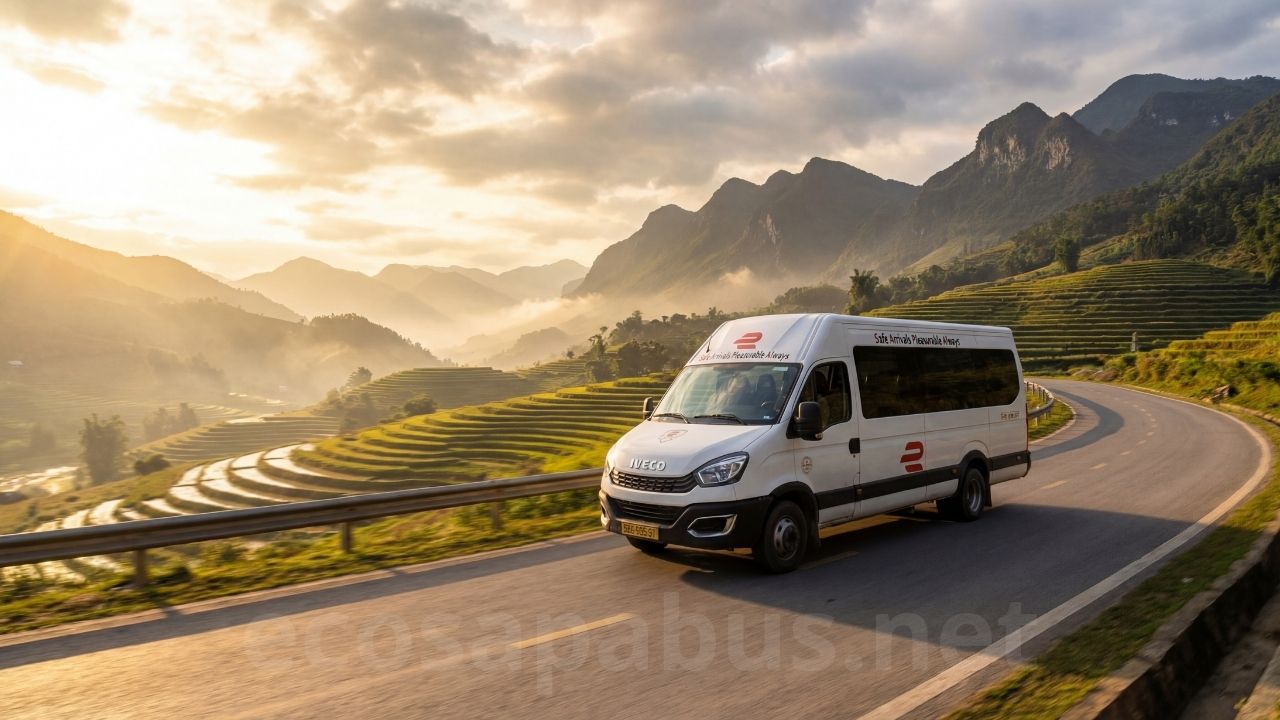
For most first-time international travelers, the daytime Hanoi to Sapa limousine is the best overall option. It departs from the Hanoi Old Quarter in the morning, takes around 5.5–6.5 hours, and arrives in Sapa while it is still daylight. It balances comfort, price, hotel pickup, and arrival timing better than any other option for most travelers.
The sleeper bus is the cheapest option and technically saves a hotel night — but it arrives in Sapa around 05:00–06:00, before most hotels open for check-in. Sleep quality on the mountain section is genuinely poor. The train to Lao Cai is comfortable and scenic but does not go directly to Sapa, adding a 45–60 minute road transfer at the end. The private transfer is the most comfortable option of all and is worth it in specific situations: airport arrivals, families with children, older travelers, or groups with a lot of luggage.
The biggest mistake I see repeatedly: travelers choose the overnight sleeper bus because it is cheap and they think it is efficient. They arrive in Sapa at 5 AM exhausted, cold, and unable to check in. The savings are real. The cost to Day 1 of your Sapa trip is also real. For most first-time visitors, especially those with limited days, the daytime limousine is nearly always the better decision.
Hanoi to Sapa: Full Comparison Table
Here is an honest side-by-side comparison of every realistic option for 2026. Read this before making any booking — especially if it is your first time on this route.
| Option | Travel Time | Comfort | Pickup | Drop-off | Arrival Timing | Luggage | Best For | Not Ideal For | Local Verdict |
|---|---|---|---|---|---|---|---|---|---|
| Daytime Limousine | 5.5–6.5 hrs | ⭐⭐⭐⭐ | Hanoi Old Quarter / hotel area | Central Sapa Town or near your hotel | Arrive 13:00–15:30 (daylight) | Good — shared van luggage space | First-timers, couples, solo travelers, Singapore visitors | Large groups needing privacy | ✅ Best overall for most travelers |
| Sleeper Bus | 7–8 hrs (overnight) | ⭐⭐ | Often outside Old Quarter — confirm exact point | Can be Lao Cai bus station, not Sapa Town | Arrive 05:00–06:00 (pre-dawn, cold) | Limited — check luggage policy | Budget backpackers, experienced overnight bus travelers | Families, first-timers, older travelers, trekking day next morning | ⚠️ Works with verified operator only |
| Train to Lao Cai + Transfer | 8.5–10.5 hrs total | ⭐⭐⭐⭐ | Hanoi Railway Station (not Old Quarter) | Lao Cai station, then 45–60 min to Sapa | Arrive Lao Cai 05:00–07:00; Sapa ~06:00–08:00 | Good in train cabin; Lao Cai transfer is extra | Train experience seekers, Australian travelers with 3+ nights | Singapore short trips, travelers with tight schedules | 🚂 Great experience — slower total journey |
| Private Transfer | 5–6.5 hrs | ⭐⭐⭐⭐⭐ | Anywhere — Noi Bai Airport, hotel, or custom | Door-to-door to your Sapa hotel | Flexible — you choose departure time | Excellent — dedicated vehicle, no limits | Families, airport arrivals, older travelers, groups 3–5 | Solo travelers or couples who want best value | 🏆 Best comfort — worth it in the right situation |
Option 1: Hanoi to Sapa Limousine — Best Overall for Most Travelers
When someone asks me what the best way to get from Hanoi to Sapa is, my standard answer is: the daytime limousine van, for most people, most of the time. Here is why.
A Hanoi to Sapa limousine van departs from the Hanoi Old Quarter in the morning — usually between 07:00 and 09:00. Most quality operators can arrange hotel pickup or a nearby meeting point. The vehicle takes the modern Noi Bai–Lao Cai Expressway, then winds up the mountain road to Sapa. Total journey is around 5.5–6.5 hours depending on traffic, weather, and your drop-off location.
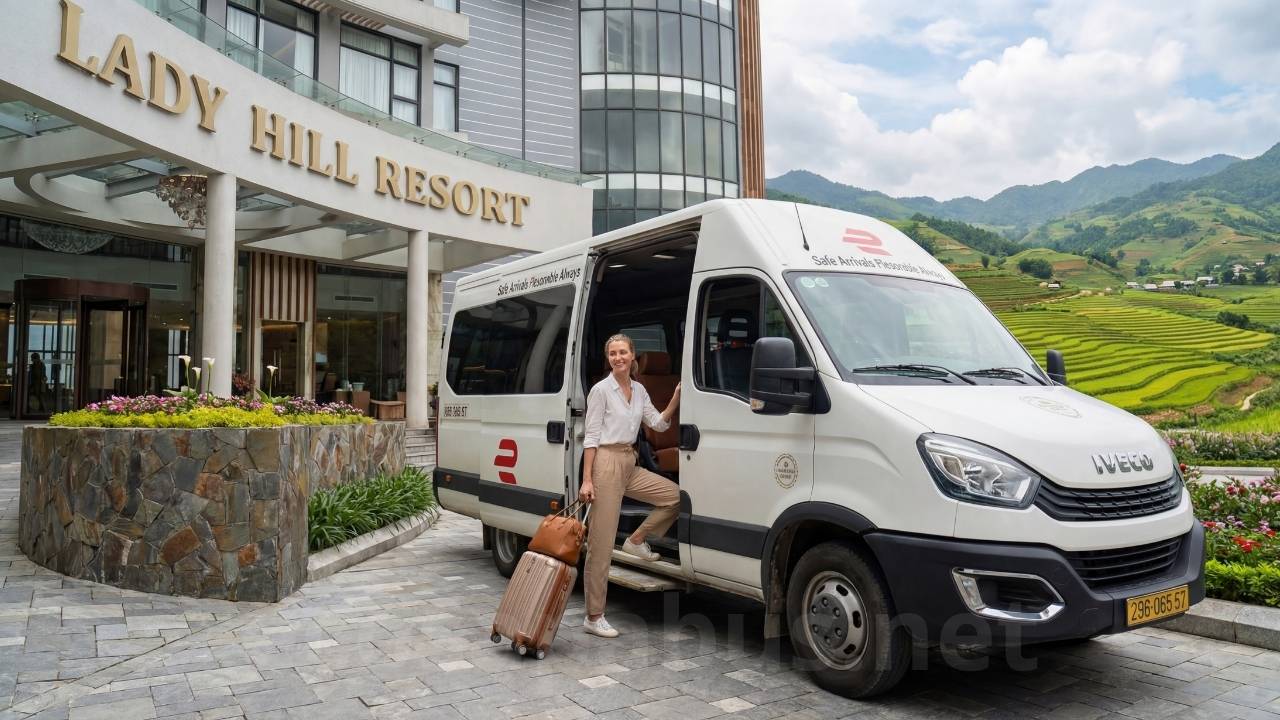
You arrive in Sapa in the early to mid-afternoon, in full daylight. You can check in properly, have lunch, explore Sapa Town, and still have time for a coffee with a valley view before dinner. Compare that with arriving at 5 AM on a sleeper bus — exhausted, cold, with nowhere to go — and the difference in experience is significant. This looks obvious on paper, but in real travel it makes all the difference to how you feel on Day 1.
Why the Limousine Works for Singapore Travelers
Singapore travelers on a 3D2N or 4D3N trip typically fly in the day before and stay one night in Hanoi's Old Quarter. A 7:30 or 8:00 AM limousine departure the next morning is easy to catch from any Old Quarter hotel, and arriving in Sapa by 14:00 gives a genuine first afternoon in the mountains — time to walk around Sapa Town, eat a proper meal, and settle in before the next day's activity. For this traveler profile, the daytime limousine is almost always the right call.
Why the Limousine Works for Australian Travelers
Australian travelers doing North Vietnam often follow a Hanoi–Sapa–Ninh Binh–Ha Long Bay circuit. The limousine fits naturally into this route: depart Hanoi mid-morning, arrive Sapa early afternoon, spend two or three nights, then return. No complicated connections, no sleep deprivation, and the journey through the Lao Cai valley is genuinely beautiful in the morning light.
Book Hanoi → Sapa Limousine with EcoSapa Bus
EcoSapa Bus runs Hanoi to Sapa limousines and private transfers for first-time visitors, Singapore families, Australian couples, and small groups. Tell us your hotel, arrival time, and dates — we match your pickup to your schedule.
- Hanoi Old Quarter pickup support
- Noi Bai Airport pickup support
- Comfortable limousine van seats
- WhatsApp confirmation within 15 minutes
- Clear, honest pricing — no hidden fees
- Help matching pickup time with hotel check-in
Option 2: Hanoi to Sapa Sleeper Bus — Cheapest, But Not Always the Best
The overnight sleeper bus is the most talked-about option in backpacker circles, and for a reason: it is the cheapest way to get from Hanoi to Sapa, and it theoretically saves you one hotel night. If you are on a very tight budget and have slept on overnight buses before, it can work.
Here is the honest version though. The sleeper bus departs from Hanoi late at night — usually around 21:00 to 22:00 — and arrives in Sapa (or sometimes Lao Cai bus station, requiring another short transfer) at around 05:00 to 06:00. You arrive in pre-dawn darkness on a cold mountain. Most hotels do not open check-in until 08:00 or later. You wait in the cold, usually at a bus station or a café. If you are young, flexible, and used to this kind of travel, it is manageable. If you are on your first trip to Vietnam, or traveling with children, or have a guided Sapa trekking day booked, this is a very poor idea.
Sleep quality on the mountain section is also genuinely poor. The road from Lao Cai to Sapa has hairpin bends that you feel even on a decent bus at night. Some cheaper operators use older berths that are not designed for taller travelers. Air conditioning is often either too cold or barely working. The savings are real — but so is the cost to your first day in Sapa.
Do not choose the cheapest sleeper bus based on price alone. Check all of the following before booking:
- Exact pickup point: Is it in the Old Quarter, or at a depot 20 minutes away?
- Drop-off in Sapa: Does it drop at a central Sapa Town point, or at Lao Cai bus station (which requires another transfer)?
- Recent reviews: Check Google Maps or TripAdvisor — not just the booking platform.
- Luggage policy: Large suitcases and backpacks can be an issue on some buses.
- WhatsApp support: Can you reach the operator if something changes on the night?
Option 3: Train from Hanoi to Lao Cai — Scenic, But Slower and Less Direct
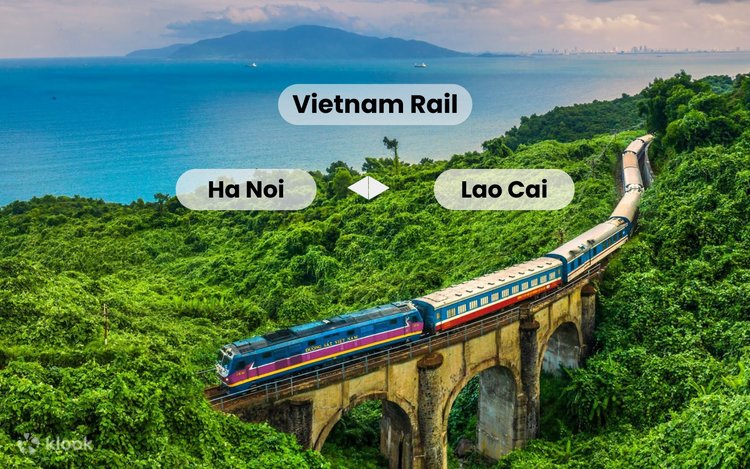
The overnight train from Hanoi to Lao Cai is a genuinely enjoyable experience for the right traveler. The train has soft-sleeper compartments with air conditioning, and the Vietnamese countryside rolling past as you head north toward the mountains is something the bus simply cannot replicate. Many travelers describe the train to Lao Cai as one of the highlights of a Vietnam trip.
There are two important things to understand before booking.
First: the train goes to Lao Cai, not Sapa. Lao Cai is a border town about 38 km from Sapa at a much lower altitude. From Lao Cai station, you need a further 45–60 minute road transfer up the mountain. This transfer typically happens at 06:00 or 07:00 in the morning, organizing a taxi or shared bus at a busy station with your luggage. It is manageable but adds friction to an already long journey.
Second: the total journey time is significantly longer. Factor in check-in at Hanoi station, the 8–8.5 hour train, plus the Lao Cai to Sapa transfer, and you are looking at 9.5–10.5 hours door-to-door — compared to 5.5–6.5 hours on a limousine van from Hanoi to Sapa.
For Singapore travelers on a 3D2N or 4D3N trip, the train usually does not make sense. Every hour counts when you have limited leave. For Australian travelers doing a slower 10–14 day Vietnam itinerary and specifically wanting the train experience, it can be a meaningful part of the trip — book a soft sleeper cabin in advance, as these fill up fast in peak season.
Option 4: Private Transfer — Best for Families, Airport Arrivals and Groups
A private car from Hanoi or Noi Bai Airport to Sapa is the most comfortable and flexible option available. You travel in your own vehicle with a dedicated driver, stop whenever you need, and go directly to your hotel in Sapa without any shared-bus logistics. It costs more than a shared limousine, but in the right circumstances it is absolutely worth it.
The clearest case for private transfer is when you are landing at Noi Bai Airport and heading directly to Sapa. Rather than traveling from the airport into central Hanoi, finding your hotel, settling in, then getting back on a limousine bus the next morning — a direct Noi Bai to Sapa private car eliminates all of that. Land, meet your driver at arrivals, load your bags, and go. For families with young children or travelers with a lot of luggage, this is often the best possible option.
- You arrive at Noi Bai Airport in the morning and want to go directly to Sapa
- You are traveling with young children or older family members
- You have large suitcases or equipment
- You want no bus station stress and direct drop-off at your hotel
- You are a group of 3–5 people where the per-person cost becomes competitive
- You want flexible stops on the way — rest stops, viewpoints, food breaks
| Situation | Private Transfer? |
|---|---|
| ✅ Arriving at Noi Bai Airport (morning or midday) | Recommended — go directly to Sapa without the Hanoi detour |
| ✅ Traveling with young children | Recommended — flexible stops, no bus station stress, direct to hotel |
| ✅ Group of 3–5 people | Consider it — cost per person becomes competitive with limousine |
| ✅ Large luggage or photography equipment | Recommended — shared vans have limited luggage space |
| ✅ Older or less mobile travelers | Recommended — no shared bus, no awkward loading, door-to-door |
| ❌ Solo traveler in Hanoi Old Quarter | Not necessary — shared limousine is better value |
| ❌ Couple on normal Hanoi–Sapa schedule | Not necessary unless you specifically want the comfort and privacy |
Safety Comparison: Limousine vs Sleeper Bus vs Train
This is one of the most common questions I get from first-time visitors: is it safe? The honest answer is yes, for normal travelers using reputable operators. But the safety question breaks down differently depending on which option you choose.
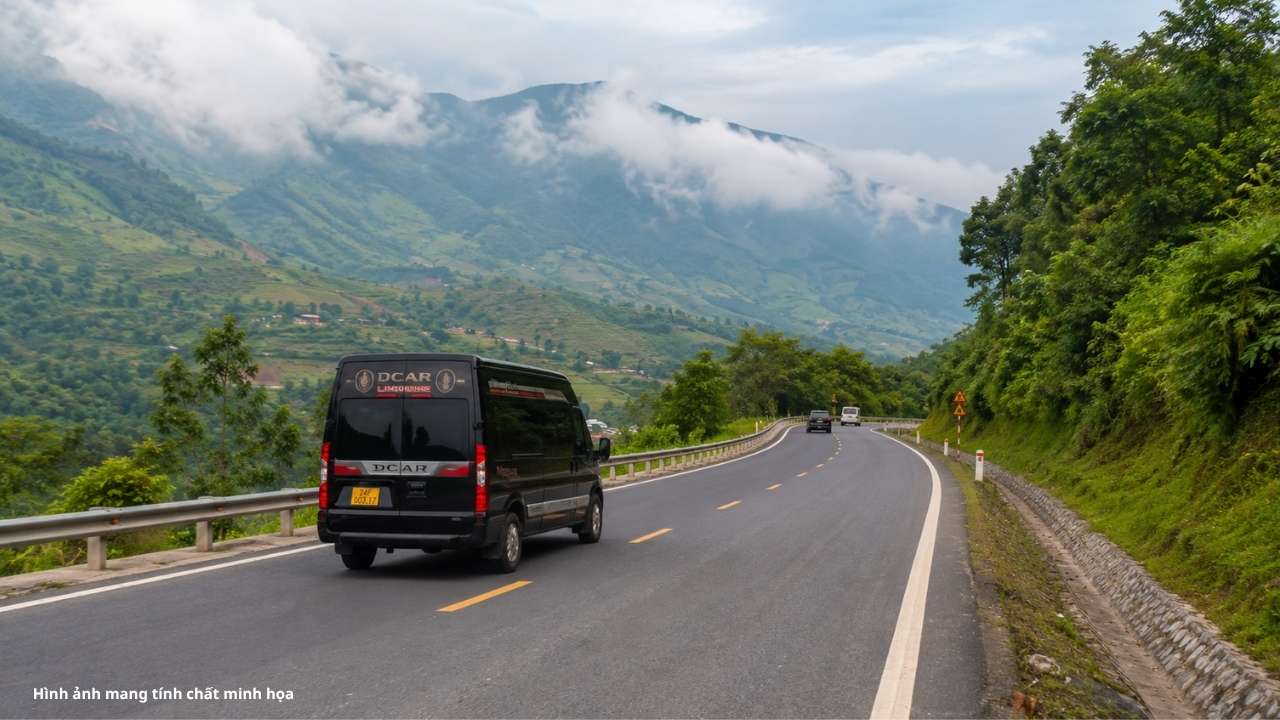
The Noi Bai–Lao Cai Expressway used for most of the limousine and sleeper bus journey is a modern, well-maintained divided highway — not dramatic mountain driving. The final section from Lao Cai up to Sapa has hairpin bends and feels steep, but it is a proper paved road driven safely by hundreds of vehicles daily. The risk is not the road itself — it is unlicensed operators, inexperienced drivers, and nighttime driving in poor visibility.
For daytime limousine travel with a verified operator, the safety picture is very reassuring. You travel in daylight, your driver knows the road, and fog or rain slow the journey without making it dangerous.
For overnight sleeper bus, the road safety risk is similar with a good operator, but the mountain hairpin section at night is harder on passengers and requires more from the driver. The greater risk is booking an unknown operator without checking credentials.
The train to Lao Cai avoids mountain road travel entirely for the main journey, which some nervous travelers find reassuring. However, you still need the Lao Cai to Sapa road transfer at the end — usually at dawn — which is the same mountain section as everyone else uses.
My local recommendation: for nervous first-time visitors, the daytime limousine with a trusted, WhatsApp-confirmed operator is the most reassuring choice. You can see the road, the driver is experienced, and you arrive before dark.
| Safety Point | Action |
|---|---|
| ✅ Use a licensed, reviewed operator | Check Google Maps, TripAdvisor, or book directly with EcoSapa Bus |
| ✅ Confirm exact pickup point and time | Ask for the full address, not just "Old Quarter" |
| ✅ Avoid street agents | Do not book from random touts on Hang Bac or Ta Hien street |
| ✅ Get operator WhatsApp number | So you can reach them if anything changes on the day |
| ✅ Take motion sickness medicine if needed | The Lao Cai to Sapa mountain section has curves |
| ✅ Travel daytime if you are a nervous traveler | Daylight mountain driving is far easier on the nerves than overnight |
| ✅ Allow travel buffer before flights | Never plan a same-day Sapa → airport → flight without time to spare |
| ⚠️ Fog and rain slow the journey | Normal — does not make the road dangerous with a careful driver |
Comfort Comparison: Seats, Sleep, Luggage and Stops
Comfort on the Hanoi to Sapa route means more than just seats. It means sleep quality, luggage space, toilet access, personal space, and how you feel when you arrive. Here is the honest comparison across all four options.
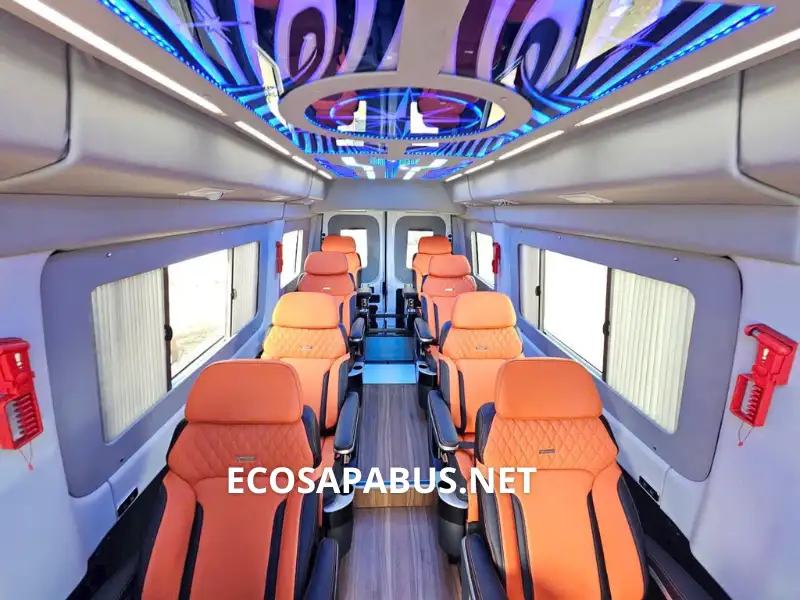
Limousine van seats are reclining seats in a 9–16 seat shared minivan. They are not flat beds or business class seats, but they are comfortable enough for a 5.5–6.5 hour daytime ride. There is usually a rest stop about halfway. Luggage goes in the rear boot. The limousine is not luxury — but it is the best value comfort option for most travelers.
Sleeper bus berths are flat or semi-flat pods in a double-decker bus. They are wider than a regular bus seat, which sounds good in theory. In practice, the mountain section from Lao Cai to Sapa means you are lying down on a rocking bus navigating hairpin bends in the dark. Taller travelers find the berths too short. The air conditioning is often either extreme or nonexistent. Personal space is limited when the bus is full.
Train soft sleeper cabins are the most comfortable option for sleeping, with proper bunk beds in a 4-berth cabin and better suspension than a road vehicle. However, you arrive at Lao Cai very early in the morning and still need to arrange a further road transfer to Sapa with your luggage. The transition from comfortable train to chaotic early-morning bus station resets the comfort equation.
Private car transfer is the most comfortable option overall — your own vehicle, your own climate control, stops when you want, direct drop-off at your hotel. If you have 3 or more people sharing, the cost per person becomes much more reasonable compared to a limousine.
| Your Situation | Best Option | Why |
|---|---|---|
| First-time visitor to Vietnam | Daytime limousine | Comfort, hotel pickup, daylight arrival, easiest for first-timers |
| Singapore traveler on 3D2N or 4D3N | Limousine or airport private transfer | Short leave means every hour counts — daytime is most efficient |
| Australian traveler on 10–14 day itinerary | Limousine (best value) or train if you want the experience | More flexibility — train works if you have 3+ Sapa nights |
| Family with children or older travelers | Private transfer | Door-to-door, flexible stops, no shared bus stress |
| Budget backpacker with flexibility | Sleeper bus (verified operator only) | Cheapest option — accept reduced comfort and early arrival |
| Arriving at Noi Bai Airport | Private transfer directly to Sapa (morning) or Hanoi hotel first (late arrival) | Skip Old Quarter detour if you land before midday |
Which Option Is Best for Singapore Travelers?
Singapore travelers face a challenge that is worth addressing directly: limited annual leave. Most are working with 3 days and 2 nights, or 4 days and 3 nights including travel days. Every hour of transport time is an hour not spent in Sapa. The transport choice matters more for Singapore travelers than for someone doing a two-week Vietnam trip.
From local experience guiding Singapore visitors: the most common pattern is fly Changi to Noi Bai, arrive mid-morning, spend one night in Hanoi's Old Quarter, then take an early limousine to Sapa the next morning. This works well and gives you a genuine 2-night Sapa experience. If you arrive early enough, a direct Noi Bai to Sapa private transfer on the same day as landing can save the extra Hanoi night and give you one more full evening in the mountains.
For Singaporeans, Sapa offers something genuinely rare: cool mountain air, rice terrace landscapes, and authentic hill tribe culture — all accessible without a long-haul flight. It has become increasingly popular with Singapore travelers who want a nature and culture escape that does not require the budget or time of an Alps or Himalayan trip. Even a short Sapa itinerary can be deeply rewarding if you arrive with enough energy to explore.
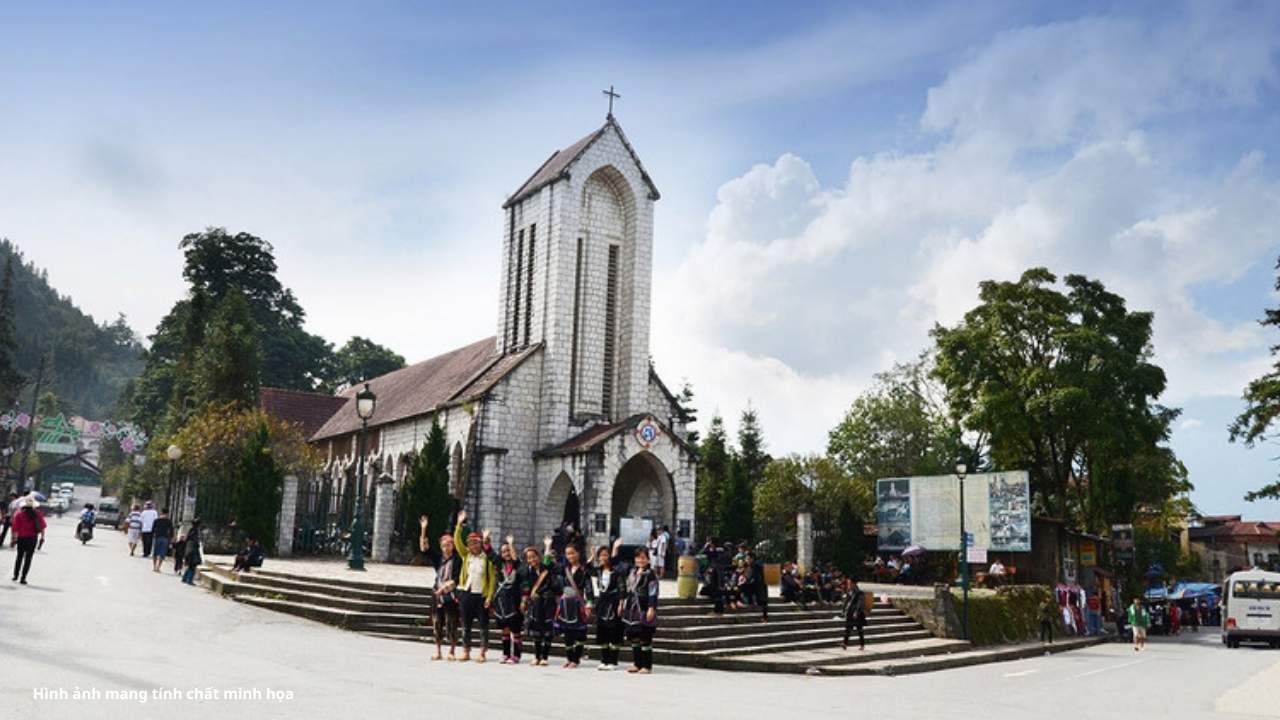
Suggested Singapore to Sapa Itinerary (4D3N)
| Day | Plan |
|---|---|
| Day 1 | Fly Singapore (Changi) to Hanoi (Noi Bai). Check in to Old Quarter hotel. Evening street food walk along Hang Bac or Ta Hien Street. |
| Day 2 | Morning limousine to Sapa (depart 07:30–08:00). Arrive ~13:30–14:30. Check in, explore Sapa Town, dinner with mountain view. |
| Day 3 | Fansipan cable car in the morning or Cat Cat Village and valley walk. Afternoon at leisure. Local Hmong market in the evening. |
| Day 4 | Return limousine to Hanoi (depart ~13:00). Arrive Hanoi ~19:00. Evening flight back to Singapore or one more Hanoi night. |
Use the daytime limousine if you are already staying in Hanoi. Use a private transfer if arriving directly at Noi Bai Airport. Do not use the train for a 3D2N or 4D3N trip — there is not enough time to justify the longer journey. Do not take the overnight sleeper bus the night before an active Sapa trekking day — the sleep quality is too poor to recover quickly at altitude.
Which Option Is Best for Australian Travelers?
Australian travelers typically have more time in Vietnam — 10 to 14 days is common — and tend to value a combination of nature, culture, food, and authentic local experience. Sapa fits beautifully into a North Vietnam travel circuit, and there is more flexibility in how you get there.
From local experience: most Australian travelers I have helped want the mountains without excessive travel pain. They want to arrive feeling good, eat well, do a proper valley trek, and come back with photographs that feel authentic rather than tourist-box-ticking. The Muong Hoa Valley, the Hmong village markets, the cloud-shrouded rice terraces in September and October — these experiences live up to the reality, if you arrive with enough time and energy to appreciate them.
Typical North Vietnam Route for Australian Travelers
Hanoi (2 nights) → Sapa (2–3 nights) → Ninh Binh (1–2 nights) → Ha Long Bay / Cat Ba (2 nights). Sapa sits comfortably in the middle of this circuit. A morning limousine from Hanoi to Sapa on Day 3 gives you a full afternoon in the mountains. The return to Hanoi on Day 5 or 6 connects easily onward toward Ninh Binh or Ha Long.

Train Option for Australian Travelers
If you have 3 nights in Sapa, taking the overnight train one direction (Hanoi to Lao Cai on the way there) and the limousine back is a reasonable and enjoyable choice. The train adds the rail experience, and with 3 nights in Sapa you have enough time that a slightly longer arrival journey does not hurt you. For 2 nights only, use the limousine both ways.
Limousine is the best value for most Australian travelers. Private transfer is worth considering for families or those wanting door-to-door convenience. If the train experience appeals and you have 3+ nights in Sapa, the overnight train to Lao Cai is genuinely enjoyable — book a soft sleeper cabin in advance. After Sapa, continuing south to Ninh Binh and Ha Long Bay makes for one of the best North Vietnam circuits.
Common Mistakes When Choosing Hanoi to Sapa Transport
After helping many international travelers plan this journey, these are the avoidable mistakes that come up most often.
- Booking the cheapest sleeper bus without checking reviews. Price alone is not a guide to quality. An operator with a confusing pickup point, worn-out berths, and no WhatsApp support will make your journey miserable. Always check recent reviews before booking.
- Taking the overnight bus the night before a trekking day. You will arrive exhausted and spend your best trekking day dragging your feet through the valley. If you have paid for a guided Sapa tour, take the daytime limousine the day before.
- Not confirming your exact pickup point. "Old Quarter pickup" can mean a corner of Hang Bac street 50 meters from your hotel, or a loading bay 10 minutes away. Confirm the full address and arrival time, not just the general area.
- Assuming the train goes directly to Sapa. It does not. The train goes to Lao Cai — you still need a road transfer up the mountain from there.
- Arriving at Sapa at 5 AM on a sleeper bus with no plan. Hotels do not open at 5 AM. If you take the sleeper, arrange late check-in with your hotel in advance, or accept that you will be sitting in a cold café until 08:00.
- Not allowing travel buffer before flights. If your return flight is in the evening, do not take an afternoon limousine back and hope it arrives on time. Mountain weather, traffic, and unexpected delays happen. Build in at least 3–4 hours of buffer before your flight.
- Ignoring weather during rainy season. June through August is Sapa's heaviest rainy season. Roads can be slowed by rain and reduced visibility. Allow extra time and check forecasts.
- Booking via random street agents. Agents on Hang Bac or Ta Hien Street may not represent the operator you think you are booking with. Always book directly with a verified operator or through a platform that shows real reviews. Ask EcoSapa Bus directly on WhatsApp — it takes about 15 minutes to confirm.
- Booking a hotel far outside Sapa Town without checking your drop-off point. Some Sapa hotels are in Ta Van or Lao Chai village — beautiful, but 20–30 minutes from the main limousine drop-off point. Know in advance how you will get from the bus drop to your specific hotel.
🏨 Local hotel location note: If this is your first time in Sapa, do not choose a hotel only because the photo looks beautiful. For a Hanoi to Sapa limousine or sleeper bus arrival, your hotel's location affects drop-off, luggage handling, return pickup, and how easy your first evening feels after a 5.5–6.5 hour journey. A central Sapa Town hotel is the safest first choice before committing to a remote valley stay.
 Recommended Town-Based Hotel to CompareIf this is your first time in Sapa, staying in Sapa Town can make your arrival much easier. A central hotel helps with limousine drop-off, luggage handling, early arrival, cafés, restaurants, and return transfer timing. KK Sapa Hotel is a practical town-based option to compare before choosing a remote valley stay.Easier Drop-OffStaying centrally makes drop-off and return pickup much easier than remote valley stays, especially after a long road journey from Hanoi.Good for First-Time VisitorsUseful if you arrive by limousine with luggage and want simple check-in without arranging another local taxi immediately on arrival.Better for Short TripsFor Singapore families and Australian couples on 2-night Sapa trips, a central hotel maximizes time in town and minimizes transfer stress.💡 Local guide note: A remote valley homestay can be beautiful, but it is not always the easiest choice on arrival day. If you are arriving by limousine or sleeper bus, a town-based hotel like KK Sapa Hotel usually makes the first night significantly smoother. Save the remote valley stay for your second Sapa visit when you know the logistics.Affiliate note: compare the latest room price, cancellation terms, room type, location map, and recent guest reviews on Agoda before booking. After choosing your hotel, message EcoSapa Bus so we can confirm whether the location works well for your pickup and drop-off timing.
 - Not checking luggage policy before booking a sleeper bus. Large backpacks and wheeled suitcases can be an issue on some buses. Confirm before you pay.
- Booking transport and accommodation separately without checking timing. If your limousine arrives at 13:00 but hotel check-in is 14:00, you need a plan for that hour. Ask EcoSapa Bus to help you think through the logistics before you confirm everything.
Final Verdict: Which Hanoi to Sapa Option Should You Choose?
Here is the final decision guide, as clearly as possible.
| Choose This | If… |
|---|---|
| ✅ Daytime Limousine Van | You are a solo traveler, couple, or small group staying in Hanoi Old Quarter. You want the best balance of comfort, timing, and price. You are a first-time visitor to Vietnam. You are a Singapore traveler with limited days. You have a trekking day planned and need to arrive rested. |
| 🚗 Private Transfer | You are arriving at Noi Bai Airport and want to go directly to Sapa. You are traveling with young children or older family members. You have a lot of luggage. You are a group of 4–5 people. You want door-to-door service with no sharing. |
| 🛏️ Sleeper Bus | You are on a strict budget. You are an experienced backpacker comfortable with overnight bus travel. You have verified the operator's reviews, pickup point, and drop-off location in Sapa Town (not Lao Cai bus station). You have no trek or activity booked for arrival morning. |
| 🚂 Train to Lao Cai | You want the train journey as part of the experience. You are doing 3+ nights in Sapa so the extra journey time does not reduce your Sapa time significantly. You have booked your soft sleeper cabin in advance. You are an Australian traveler on a longer Vietnam itinerary. |
| ❌ Avoid Self-Drive | You are a tourist unfamiliar with Vietnamese mountain roads. Motorbike rental from Hanoi to Sapa is genuinely risky for anyone who does not have extensive experience on this specific type of road. This is not a safety exaggeration — it applies regardless of your confidence on normal roads. |
For most Singapore, Australian, and first-time international travelers, a daytime Hanoi to Sapa limousine is the best balance of comfort, safety, timing, and price. It is not the cheapest, but it is the option that gives you the best start to your Sapa trip. Book with a verified, WhatsApp-supported operator who can confirm your pickup point, match your hotel location, and be reachable on the day. That is what makes the difference between a smooth arrival and a stressful one.
