Blog

  • Elementor #9861


    Nha Trang Travel Guide 2026 — Best Things to Do, Eat & Avoid | EcoSapa Bus


    Free Consultation

    Nha Trang beach bay Vietnam aerial
    EcoSapa Bus · Central Vietnam · Khanh Hoa Province

    Nha Trang Travel Guide 2026

    Vietnam’s beach capital — what locals want every Western traveler to know before they arrive.

    📍 South-Central Coast
    ✈️ Cam Ranh Airport (CXR)
    🏖️ Best stay: 3–5 days
    📅 Updated March 2026

    Most travelers arrive in Nha Trang expecting Bali. What they find is better — a real Vietnamese city with a stunning 6km bay, 19 offshore islands, and some of the best seafood in the country. This guide tells you exactly what to do, where to eat, and how not to get ripped off.

    Nha Trang sits on Vietnam’s south-central coast in Khanh Hoa Province, about 1,300km south of Hanoi. The bay — curved like a crescent, framed by jungle hills — is one of the most beautiful stretches of coastline in Southeast Asia. The water is clear, warm year-round (26–29°C), and home to coral reefs that attract divers and snorkelers from around the world.


    ⛅ Best Time to Visit Nha Trang

    Nha Trang beach clear sky blue water Vietnam

    The main 6km beach on a January morning — this is what the dry season looks like every day.

    Nha Trang’s weather is the opposite of most of Vietnam. Protected by a ring of mountains, the city has its own microclimate and stays largely sunny while the rest of the country gets drenched.

    Month Avg Temp Rain Days Sea Conditions Verdict
    Jan – Mar 26–28°C / 79–82°F 3–5 Calm, clear, excellent visibility Best Season
    Apr – Jun 28–30°C / 82–86°F 5–8 Good, warm, minimal swell Great
    Jul – Aug 28–30°C / 82–86°F 8–10 Occasional afternoon swells Good
    Sep – Nov 26–28°C / 79–82°F 15–20 Choppy, island tours may cancel Avoid if possible
    Dec 24–27°C / 75–81°F 8–12 Improving toward end of month Decent

    🧭 Local Tip

    January to April is the sweet spot — clear water, daily island tours, manageable crowds. Avoid October–November: the northeast monsoon hits hard and boat trips get cancelled for days at a time.


    ✈️ Getting to Nha Trang

    By Air — Cam Ranh International Airport (CXR)

    Cam Ranh Airport is 35km south of the city, about 35–45 minutes by car. Direct flights from Hanoi (1h45m), Ho Chi Minh City (1h10m), Da Nang, Seoul, and Singapore.

    ⚠️ Airport Taxi Warning

    Unlicensed drivers near arrivals quote flat rates of 400,000–600,000 VND. The real metered fare is 250,000–320,000 VND. Use the official taxi counter inside arrivals, or open Grab before you exit the terminal.

    By Train — Reunification Express

    The Reunification Express stops right in the city center at Nha Trang Railway Station. Overnight sleeper from Hanoi: ~24 hours. From Da Nang: 10–12 hours. From Hoi An (via Da Nang): 9–11 hours. Book soft-sleeper berths at least 2 weeks ahead in peak season.

    By Sleeper Bus

    Open-tour sleeper buses serve Nha Trang from most tourist cities. From Da Nang: 11–13 hours. From Ho Chi Minh City: 9–10 hours. For journeys over 6 hours, the overnight train is a far better experience.


    🛵 Getting Around Nha Trang

    The Tran Phu beachfront strip runs 6km and almost everything is within 1–2km of the water. Getting around is easy:

    • Grab (motorbike or car) — Best option. City motorbike rides: 15,000–30,000 VND. Car to most sights: 40,000–80,000 VND. No haggling, no language barrier. Download the app before you land.
    • Xe ôm (motorbike taxi) — Traditional option. Always agree on the price before getting on.
    • Bicycle or scooter rental — 50,000–150,000 VND/day from most hotels. The flat coastal road is ideal for cycling.
    • Walking — The beach, Nha Trang Night Market, Dam Market, and most restaurants are fully walkable if you stay near Tran Phu Street.

    🌊 15 Best Things to Do in Nha Trang


    1

    Nha Trang Beach — The Main 6km Strip

    Nha Trang beach white sand crescent bay Vietnam

    6km of pale sand, calm warm water, and the crescent bay — one of the best urban beaches in Southeast Asia.

    Nha Trang beach is 6km of pale grey-white sand around a wide, calm bay. Water is clear (5–8m visibility on calm days), warm year-round (27–30°C), and shallow for the first 30–40m. The northern end near the Intercontinental Hotel is calmer and more local. The southern end near the night market is busier and more commercial. Beach chairs and umbrellas are free or 20,000–50,000 VND from adjacent bars — you don’t pay if you buy a drink.

    ⚠️ Beach Vendor Tip

    You’ll be approached continuously by vendors selling fruit, massages, and island boat trips. A firm, polite “No, thank you” with eye contact works every time. If buying fruit, agree the price first — 20,000–40,000 VND per bag is fair.


    2

    Island Hopping — The Real Nha Trang Experience

    Nha Trang island hopping speedboat turquoise water Vietnam

    Day trips to the islands reach water this colour in about 30 minutes by speedboat from the mainland.

    Nha Trang island hopping is the highlight of most visits. The bay has 19 islands; the four most visited:

    • Hon Mun (Black Island) — Vietnam’s first marine protected area. Best snorkeling in Nha Trang: brain coral, staghorn coral, clownfish, reef sharks. Visibility 10–15m in the dry season.
    • Hon Tam (Silkworm Island) — Quieter private resort island with a long white beach. Best for relaxing and kayaking.
    • Hon Tre (Bamboo Island) — Home to Vinpearl Land. The cable car crossing over the bay is spectacular.
    • Hon Mot (Small Island) — Best for divers and snorkelers. Very little development. Often included in the 4-island combo.

    ⭐ Most Booked Tour
    Nha Trang 4-Island Snorkeling Day Tour

    Speedboat to Hon Mun, Hon Mot, Hon Tam & Hon Tre · Snorkeling gear included · Lunch · English guide · Max 12 guests


    Book via WhatsApp

    🧭 Local Tip

    The famous “party boat” tours (floating bar, loud music) are popular but you won’t see much coral. Book a dedicated snorkeling tour if the reef is the priority — party boats churn up the water and most people never get in.


    3

    Po Nagar Cham Towers — 2,000 Years of History

    Po Nagar Cham Towers Nha Trang ancient Hindu temple Vietnam
    Cham tower carved stone ancient Vietnam architecture

    The main tower at Po Nagar — still an active Hindu-Buddhist worship site visited daily by local Vietnamese.

    Po Nagar Cham Towers date from the 7th–12th centuries AD and are among the best-preserved Cham temple sites in Vietnam. The main tower — 23m tall, dedicated to the Cham mother goddess Yan Po Nagar — still receives worshippers every day. This is not just a tourist attraction: it’s an active place of worship. During the Po Nagar Festival (usually April or May), thousands of Vietnamese pilgrims arrive in traditional dress.

    • Location: 2 Thang 4 Street, north of center across Xom Bong Bridge · Entry: 22,000 VND
    • Hours: 6:00am – 6:00pm daily · Time needed: 45–90 minutes

    🧭 Local Tip

    Cover shoulders and knees — required and enforced. Go before 9am or after 4pm to avoid tour groups. The river view from the upper terrace is one of the best in the city.


    4

    Scuba Diving at Hon Mun — Vietnam’s Best Reef

    Scuba diving coral reef Vietnam Hon Mun Nha Trang

    Hon Mun Marine Protected Area — visibility regularly hits 10–15m on calm dry-season days.

    Hon Mun Marine Protected Area is the best place for scuba diving in Vietnam. The reef covers 160 hectares with 350+ species of hard coral and 200+ fish species including turtles, reef sharks, lionfish, and Napoleon wrasse. Water temperature: 26–28°C year-round — no wetsuit needed. A reputable 2-tank dive Nha Trang costs $50–$80 USD including equipment.

    ⚠️ Dive Shop Warning

    Never book diving tours Nha Trang from street touts. Ask to see your instructor’s PADI certification card before paying. Prices significantly below $50 for a 2-tank dive cut corners on safety equipment or instructor experience.


    5

    Long Son Pagoda & the White Buddha Hilltop

    Long Son Pagoda White Buddha Nha Trang hilltop panoramic view

    Long Son Pagoda (built 1886) is Nha Trang’s most important Buddhist temple. The giant White Buddha (Kim Than Phat To) sits 24m tall on the hilltop — visible from much of the city. Climb 150 steps for panoramic views over Nha Trang Bay. Entry: free. Hours: 7:30am–5:30pm.

    ⚠️ Fake Guide / Fake Monk Scam

    Men near the entrance pose as monks or guides, then demand large donations after a short tour. Actual monks do not solicit tourists. Walk past with a polite smile — the pagoda needs no guide.


    6

    Vinpearl Land & the 3.3km Cable Car

    Vinpearl cable car Nha Trang island sea bay crossing Vietnam

    The Vinpearl cable car — riding 50m above the turquoise bay as the city skyline fades behind you.

    Vinpearl Land Nha Trang on Hon Tre Island is reached via a 3.3km cable car over Nha Trang Bay — one of the longest over-water cable car routes in the world. The gondola ride 50m above the turquoise water is spectacular. The park has water slides, an aquarium, a golf course, and rides — best for families. Tickets: 800,000–1,000,000 VND per adult. Buy directly at vinpearl.com to avoid the 15–25% hotel-desk markup.


    7

    Nha Trang Night Market & Dam Market

    Nha Trang Night Market food stalls colourful lights Vietnam

    The Tran Phu night market from 6pm — go hungry and budget at least 90 minutes.

    The Nha Trang Night Market on Tran Phu Street runs nightly 6pm–midnight. Best place in the city for fresh grilled seafood at local pricesgrilled lobster with garlic butter, tiger prawns, stuffed squid, and grilled corn. Point at what you want, agree the price before cooking (ask “bao nhiêu tiền?” — How much?). Dam Market (Cho Dam) — open 6am–6pm — is where locals shop. The ground floor has live crabs, lobsters, and fresh fish off the morning boats. Upper floors: souvenirs at 30–40% below beach-strip prices.


    8

    Mud Baths & Hot Springs — I-Resort or Thap Ba

    Mud bath hot spring spa Nha Trang Vietnam mineral pools

    Nha Trang mud baths are unique — natural mineral hot springs developed into spa complexes where you soak in egg-shaped tubs or communal pools of warm volcanic mud (35–40°C). Two main options:

    • Thap Ba Hot Springs — Original, most famous. Private mud egg tubs for couples/groups. 300,000–450,000 VND. Location: Ngoc Son area, 7km northwest. Book ahead on weekends.
    • I-Resort Nha Trang — Larger, newer, more upscale. Better English signage, larger communal pools. 400,000–600,000 VND. Best for a full spa day.

    🧭 Local Tip

    Arrive before 9am or after 2pm to avoid peak hours. Wear your oldest swimwear — mineral mud permanently stains fabric.


    9

    What to Eat in Nha Trang — Local Food Guide

    Nha Trang bun ca fish noodle soup Vietnamese street food
    Fresh grilled seafood Vietnam beach restaurant local food

    Nha Trang has a distinct food culture shaped by the sea and Cham influences. These are the dishes you should not leave without eating:

    • Bún cá (Fish noodle soup) — Nha Trang’s signature dish. Thick rice noodles in fragrant broth of fish bones, lemongrass, and turmeric. 30,000–50,000 VND. Street stalls open 6–10am only.
    • Nem nướng Nha Trang (Grilled pork patties) — Nationally famous. Grilled pork mixed with galangal and fat, served on rice paper with fresh herbs and a rich dipping sauce. Best on Nguyen Thi Minh Khai Street.
    • Bánh căn (Mini rice pancakes) — Tiny crispy rice flour pancakes cooked in clay moulds over charcoal, filled with egg and shrimp. 3,000–5,000 VND per piece.
    • Hải sản tươi (Fresh seafood) — Choose live seafood from a tank, agree on price per 100g, specify how you want it cooked: steamed with ginger, grilled with chilli, or wok-fried with garlic butter.
    • Bò lá lốt (Beef in betel leaves) — Spiced ground beef grilled in betel leaves over charcoal. Unique peppery, anise flavour. Available at barbecue stalls from 5pm.

    ⚠️ Seafood Weight Scam

    Restaurants near the beach quote prices per 100g but weigh the whole animal — shell, ice, and water included. Ask: “giá này cho 100g sạch không?” (Is this price for 100g cleaned weight?). Safest: eat at Dam Market area restaurants where the scale is visible.


    10

    Alexandre Yersin Museum — The Doctor Who Never Left

    Alexandre Yersin discovered the bubonic plague bacterium in 1894, arrived in Nha Trang in 1895, and never left. He introduced quinine trees to the central highlands, founded the Pasteur Institute Nha Trang, and taught himself Vietnamese. He died here in 1943. The Alexandre Yersin Museum preserves his laboratory, telescope, and personal effects exactly as he left them. One of the most moving museums in Vietnam. Entry: 20,000 VND. Mon–Sat 7:30–11am, 2–4:30pm.


    11

    Sea Kayaking Hidden Coves Around Hon Mot

    Sea kayaking hidden cove island Vietnam crystal water

    Sea kayaking around Hon Mot Island reveals hidden coves accessible only by kayak — narrow passages between limestone rocks, secluded beaches, and water so clear you can see the sandy bottom 6–8m below. Cost: 600,000–900,000 VND for a 4-hour guided session from Cau Da Pier. Keep group sizes under 8 — the coves are too small for larger groups.


    12

    Hon Chong Rock & Bai Tien (Fairy) Beach

    Hon Chong is a dramatic jumble of enormous granite boulders at the water’s edge, 3km north of center. Climb the rocks, watch the surf crash between them, and look out to the islands. The adjacent Bai Tien Beach is a quiet local cove with very clean water — far less crowded than the main beach. Entry: 22,000 VND. Best visited 3–6pm for the light.


    13

    Nha Trang Cathedral — French Gothic on a Hilltop

    Built by the French in 1930, Nha Trang Cathedral (Cathedral of Christ the King) sits on a rocky hill above Thai Nguyen Street. The Gothic-style church has French stained glass windows from the 1930s. The hilltop terrace offers panoramic views over the bay and railway station below. Free to visit.


    14

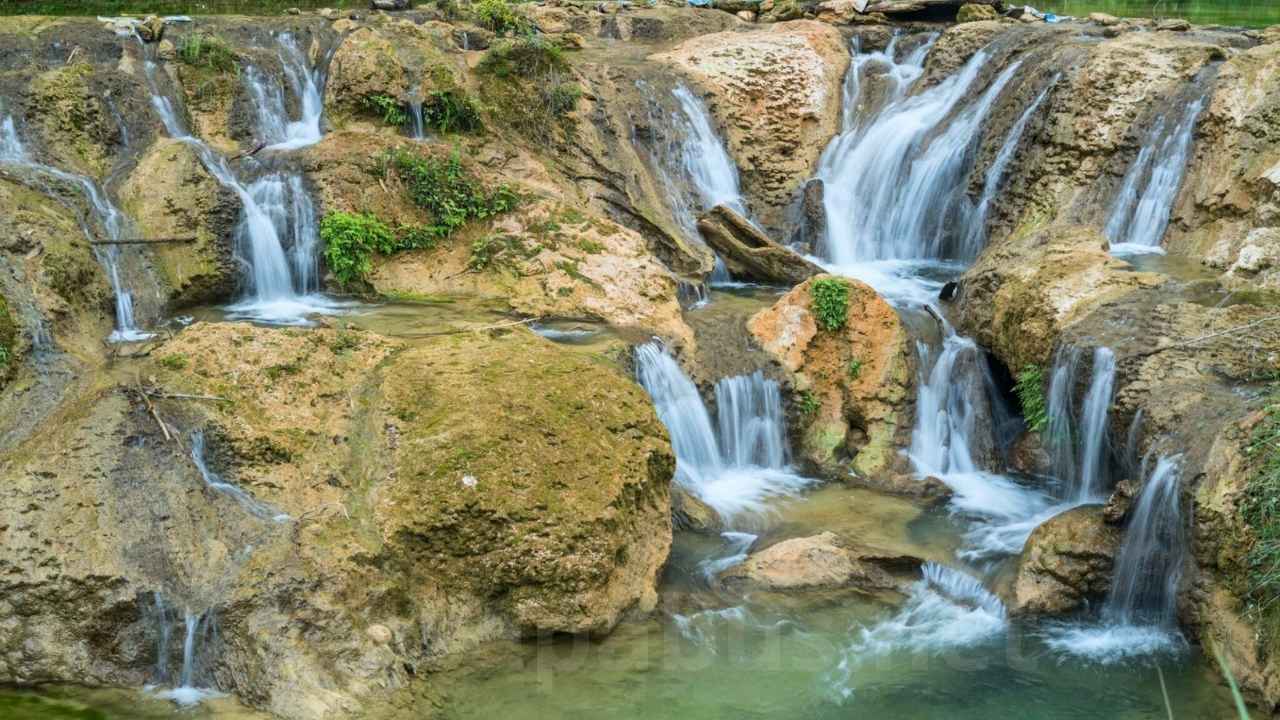
    Day Trip to Ba Ho Waterfall — The Local Secret

    Ba Ho waterfall Nha Trang jungle freshwater swimming hole Vietnam

    Three natural freshwater pools connected by waterfalls — no entrance fee, almost no tourists on weekdays.

    Ba Ho Waterfall (“Three Lakes”) is 25km north of Nha Trang. Three natural freshwater pools connected by small waterfalls — swim in each, climb between them on slippery rocks (bring grip shoes), and eat at simple family restaurants below. No entrance fee. A refreshing contrast to the ocean. Getting there: motorbike ride along the scenic coastal road, or Grab car (~250,000 VND one way).

    🧭 Local Tip

    Go on a weekday morning before noon — you’ll often have the pools almost entirely to yourself. Bring insect repellent for the forest walk.


    15

    Sunset Cocktails — Best Rooftop Bars in Nha Trang

    Nha Trang rooftop bar cocktails beach view sunset Vietnam

    Nha Trang rooftop bars offer some of the best sunset views in central Vietnam. Arrive 30–40 minutes before sunset, order a cocktail (120,000–200,000 VND) and watch the sky turn orange over the bay. Best spots: Havana Hotel Rooftop Bar (12th floor, 270° views), Skylight Nha Trang at Novotel (infinity pool + bar), and Sailing Club on the beachfront. No hotel check-in required — walk in off the street.


    🚨 Honest Scam Guide — What to Watch For in Nha Trang

    None of these are dangerous — but they’re expensive if you’re not prepared. Here are the real ones local guides warn visitors about:

    🦞 The Seafood Weight Scam

    A restaurant quotes a price “per 100g” but weighs the whole animal before cooking — shell, water, and ice included. Always ask for cleaned weight pricing, or watch the scale yourself. Dam Market area restaurants are the most transparent.

    🛵 Fake Grab Drivers

    Unlicensed drivers loiter near popular spots with phones showing Grab-like screens. Always cross-check the driver’s face, license plate, and vehicle against what your actual Grab app shows. If anything doesn’t match, don’t get on.

    ⛵ Island Tour Bait-and-Switch

    You book a “4-island snorkeling tour” but it’s actually a party cruise. Before paying, ask: “How much total time do we spend snorkeling in the water?” If the answer is vague, book elsewhere.

    🧘 The Unsolicited Gift

    Men near Long Son Pagoda and on the beach offer unsolicited gifts — bracelets, tokens — then demand large donations. Decline all unsolicited gifts immediately. Once you accept anything, the pressure becomes intense.

    💈 Massage Hidden Charges

    Many massage shops quote a base price at the door then add charges for “oil,” “extras,” and “tips” at checkout. The fair local price for a 60-minute massage is 120,000–200,000 VND all-in. Ask for a fully itemised price in writing before starting.


    🏨 Where to Stay in Nha Trang

    Most accommodation clusters along or near Tran Phu beachfront road. Your neighbourhood choice significantly affects price and atmosphere:

    • Tran Phu beachfront (central) — Most convenient, most expensive. International chains (Sheraton, Novotel, InterContinental) dominate the front row. Mid-range Vietnamese hotels one block back. Can be noisy at night.
    • Biet Thu / Ngo Gia Tu area (1–2 blocks from beach) — Best value. 2–5 minutes’ walk to the sand, 30–50% cheaper. Local restaurants and coffee shops on your doorstep. Recommended for independent travelers.
    • Nguyen Thien Thuat area (southern end) — Budget traveler hub. Hostels, guesthouses, backpacker bars. Good for meeting fellow travelers.

    🧭 Local Tip

    Contact hotels directly before booking through an app — many will match or beat online rates and add free breakfast or airport pickup. A beach-view breakfast buffet at a local 3-star can genuinely be the highlight of your morning.


    🗺️ From Nha Trang: Where to Go Next

    • North to Hoi An Ancient Town — 10–11 hours by overnight train via Da Nang. Arrive in the morning with the lantern streets waiting.
    • North to Da Nang — 9–11 hours by train or 1.5 hours by domestic flight. Great base for both Hoi An and Hue Imperial City.
    • Inland to Da Lat Highlands — 3.5 hours by bus. Pine forests, French colonial architecture, and cool mountain air at 1,500m altitude. Combine 2–3 nights Nha Trang (beach) + 2 nights Da Lat (highlands).
    • South to Ho Chi Minh City — 9–10 hours by overnight bus or train. Gateway to the Mekong Delta.

    🗺️ Continue Your Vietnam Journey
    Nha Trang + Da Lat + Hoi An — 7-Day Central Vietnam Tour

    Beach days, highland waterfalls & ancient town lanterns. Private transfers + accommodation + guided activities. Fully customizable itinerary.


    Build My Trip

    Explore More with EcoSapa Bus

    More Vietnam Destinations

    Every destination below served by our luxury transport & tour packages.


    Hoi An lanterns Ancient Town Vietnam
    Central VietnamHoi An Ancient Town

    Lantern-lit streets, tailors, cycling through rice paddies & An Bang beach.

    → View Guide & Tours


    Da Nang beach Vietnam
    Central VietnamDa Nang

    My Khe beach, Marble Mountains, Ba Na Hills Golden Bridge & dragon bridge.

    → View Guide & Tours


    Hue Imperial City Vietnam
    Central VietnamHue Imperial City

    Royal tombs, ancient citadel, dragon boat rides & Vietnam’s finest cuisine.

    → View Guide & Tours


    Phong Nha cave Vietnam
    Central VietnamPhong Nha Caves

    World’s largest cave system, jungle trekking & river kayaking.

    → View Guide & Tours


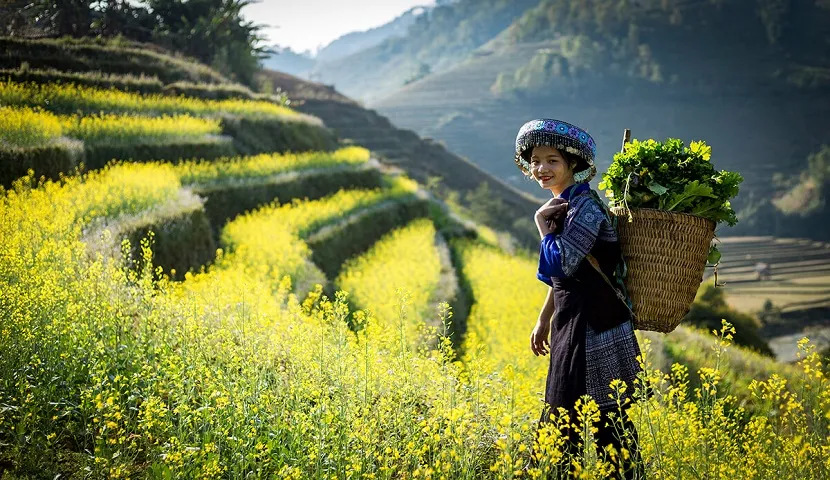
    Sapa rice terraces Vietnam
    North Vietnam · 5.5h from HanoiSapa & Rice Terraces

    H’mong village trekking, Fansipan summit & authentic hill tribe homestays.

    → View Guide & Tours


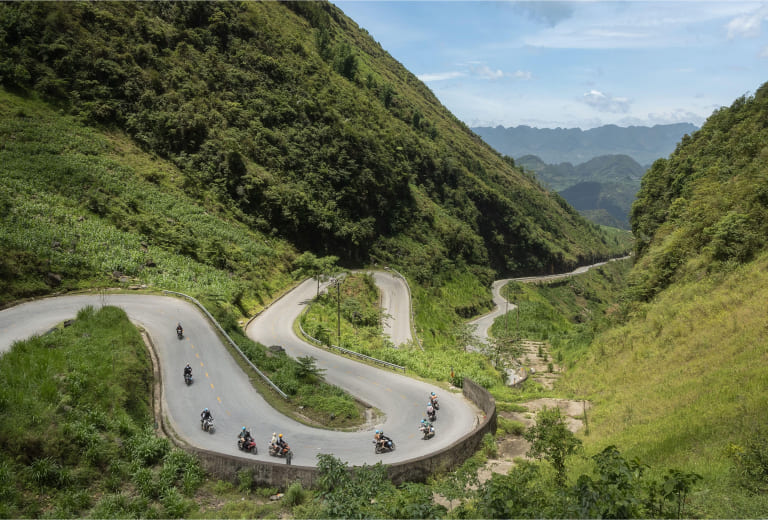
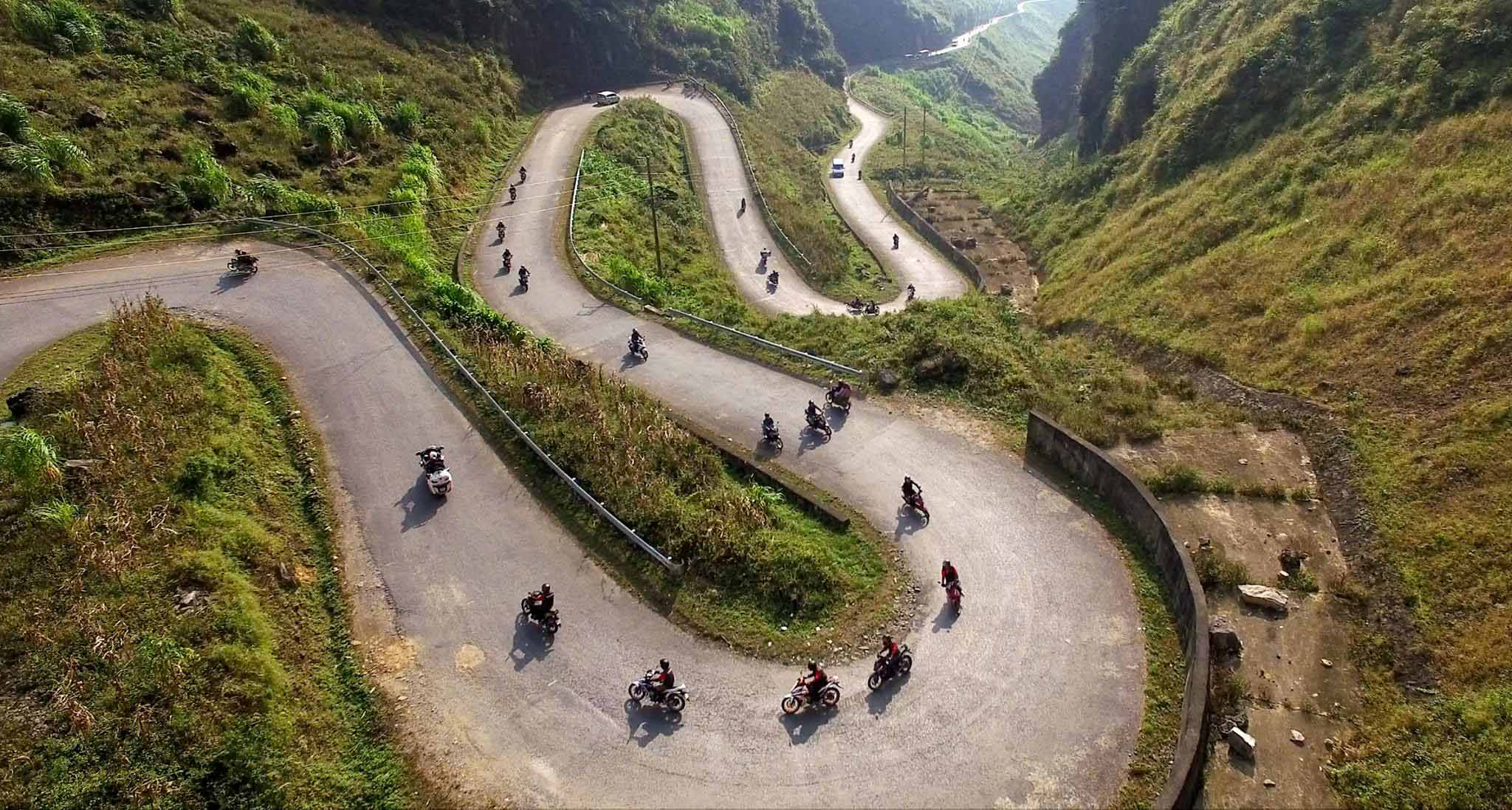
    Ha Giang Loop mountains Vietnam
    North Vietnam · Remote & SpectacularHa Giang Loop

    Vietnam’s most epic motorbike route through towering karst mountains.

    → View Guide & Tours

  • Da Nang Travel Guide 2026: Best Things to Do & Honest Tips

    Da Nang Travel Guide 2026: Best Things to Do & Honest Tips


    Da Nang Travel Guide 2026: Best Things To Do, Eat & Explore


    🚌 EcoSapa


    💬 Chat with us — free help

    🗺️ Updated March 2026

    Da Nang Travel Guide 2026: Best Things To Do, Eat & Explore

    The Beach City That Actually Delivers — Here’s the Honest Version

    Worth it?
    Absolutely — but go early morning
    Days needed
    2–3 days ideal
    Daily budget
    $25–$55/day all-in
    Best time
    Feb–May
    Da Nang vs Bali vs Phuket: Better beaches than most of Bali, friendlier than Phuket’s tourist traps, and about 40–60% cheaper than both. If you’ve done Thailand and want somewhere that still feels real — this is it.

    My Khe Beach Da Nang at sunrise — golden sand stretching 30km with the Marble Mountains in the background
    My Khe Beach Da Nang Vietnam - golden sandy beach with clear blue water and mountains in background

    Last on the ground: February 2026 · Written by EcoSapa local team


    📋 Jump to a section


    ⚡ Quick Planner — jump to what you need
    🛬 Just arrived
    📅 Plan my days
    🎒 Book a tour
    💰 Check my budget
    ⚠️ Avoid scams
    Not sure where to start? Tell us your dates and we’ll help you plan — free, no pressure, quick reply in English.

    💬 WhatsApp us

    Step by Step

    Da Nang Airport to City — Cheapest & Safest Options

    Da Nang city skyline and Han River aerial view - modern coastal city in Central Vietnam
    Da Nang city skyline — the Han River divides the modern city from the beachside strip. Photo: Pexels / Kirandeep Singh Walia

    The airport is only 3km from the city center — you should never pay more than $8 to get downtown. Here’s exactly what to do the moment you land, in order.

    Local truth: Da Nang International Airport has no official metered taxi rank at arrivals — it’s a free-for-all. The guys approaching you with “taxi?” before you even get outside are almost always unofficial. Walk past them, get out the door, and open Grab.

    Step 1 — Get a SIM Card (do this first)

    Right inside arrivals, Viettel and Vietnamobile both have counters. Buy a 30-day data SIM before you do anything else — you need it for Grab. A 10GB SIM runs 150,000–250,000 VND (~$6–$10). Don’t buy the one the taxi touts try to sell you outside — it’s double the price.

    Step 2 — Withdraw Cash

    There’s an ATM inside arrivals (Techcombank or Vietcombank — look for these two specifically). Withdraw 2,000,000–3,000,000 VND at once to minimize fees. Standard fee is 55,000–66,000 VND per withdrawal. Avoid “DongA Bank” and third-party ATMs — higher fees and unreliable rates.

    Step 3 — Use Grab, Not a Random Taxi

    Download Grab if you haven’t already. Open it once you have your SIM active, set destination to your hotel. A Grab from the airport to My Khe Beach or downtown is 50,000–80,000 VND (~$2–$3.50). Walk to the Grab pickup zone (marked outside Arrivals, usually a 2-minute walk from the terminal exit).

    My first time landing in Da Nang, I ignored the Grab advice and took a “metered” taxi. The meter ran suspiciously fast — 280,000 VND for a 3km ride. The driver had “modified” the meter setting. Grab for the same ride the next day: 62,000 VND. Never again.

    Airport & City Transport — Price Table

    Route / Item VND USD approx. Best Option
    Airport → My Khe Beach 55,000–80,000 $2–$3.50 Grab Car
    Airport → Han River / Downtown 60,000–90,000 $2.50–$4 Grab Car
    Airport → Hoi An 350,000–450,000 $14–$18 Private car / Grab
    Within city (Grab, short ride) 25,000–60,000 $1–$2.50 Grab Bike / Car
    Motorbike rental (per day) 120,000–200,000 $5–$8 Hotel rental
    SIM card (30 days, 10GB) 150,000–250,000 $6–$10 Airport counter
    ATM withdrawal fee ~55,000–66,000/transaction ~$2.50 Techcombank/Vietcombank
    Local bus (city routes) 7,000–15,000 $0.30–$0.60 For adventurers only

    Need a reliable private pickup from Da Nang airport? We arrange fixed-price cars for hotel drop-off — no meter games, English-speaking driver, no middleman.


    💬 Book airport pickup

    Accommodation

    Best Areas to Stay in Da Nang (Honest Breakdown)

    Da Nang’s accommodation map is easy once you know the four main zones. My Khe Beach is where most Western travelers stay — and for good reason. Here’s how to pick correctly the first time.

    🏖️ My Khe Beach Strip
    Best for: Beach lovers, couples, first-timers
    $15–$80/night

    The 30km beach right at your doorstep. Best sunrise in Vietnam, fresh seafood restaurants everywhere, lively but not rowdy. Walking distance to the surf zone and the beach bars.

    🇺🇸 Great for Americans
    🇦🇺 Aussie favorite
    🌉 Han River District
    Best for: City explorers, food hunters
    $12–$60/night

    Central location between the beach and the city. Walking distance to Han Market, the Dragon Bridge, and the best street food alleys. Slightly noisier — lighter sleepers note the bridge traffic.

    🇸🇬 Singapore weekenders
    Solo travelers
    🏔️ Son Tra Peninsula
    Best for: Luxury retreats, nature lovers
    $80–$300/night

    Home to the Intercontinental and other 5-star resorts perched on a jungle hillside. Stunning views, private beach access, monkeys visible from some rooms. Not ideal if you want to walk to restaurants.

    🇸🇬 Luxury weekend
    Honeymoon
    🏙️ City Center (Hai Chau)
    Best for: Budget travelers, business visitors
    $10–$35/night

    More authentic Da Nang city life. Local coffee shops, morning markets, cheaper guesthouses. 15–20 min Grab to the beach but you save significantly on accommodation.

    🎒 Budget backpackers
    Extended stays

    ⚠️ Where NOT to Stay

    • Far north of My Khe (past Pham Van Dong street): Hotels here look good on maps but you’re 30+ min from everything. No restaurants within walking distance, beach is emptier but not in a good way.
    • “Budget guesthouses” on Google Maps with no reviews near the train station: Da Nang’s train station area has some genuinely dodgy guesthouses. Read the reviews. Anything under $8/night with 3-star claims is usually a gamble.

    Food Guide

    Da Nang Food Guide: What to Eat First (5 Dishes)

    Da Nang has its own distinct food identity — not the same as Hanoi, not the same as Saigon. Most visitors make the mistake of eating at beach-front tourist restaurants on day one. Don’t. Walk one block inland and the price drops by 60% and the taste improves.

    Vietnamese pho noodle soup bowl with fresh herbs - traditional Da Nang breakfast
    Vietnamese noodle soup — the Da Nang breakfast ritual
    Bowl of Vietnamese pho noodles with chopsticks and fresh herbs
    Mi Quang (Mì Quảng) — thick noodles, pork, peanuts, rice crackers
    • 1
      Mi Quang Noodles
      (Mì Quảng)

      Da Nang’s most iconic dish — turmeric-yellow wide noodles in a thick, slightly brothy sauce with pork, shrimp, peanuts, sesame crackers and a mountain of fresh herbs. It’s technically not a soup (there’s very little broth — that’s intentional). The texture contrast between soft noodles and crunchy crackers is addictive.

      40,000–65,000 VND (~$1.60–$2.60)
      💡 Order “Mi Quang ga” (chicken) or “Mi Quang tom thit” (shrimp + pork)

    • 2
      Fish Cake Noodle Soup
      (Bún Chả Cá)

      Da Nang’s answer to pho — a clear, slightly sweet fish broth with springy fish cakes, rice noodles, tomato, pineapple and a drizzle of shrimp paste. It sounds odd if you’ve never had it. The first spoonful fixes that. Best eaten at 7am at a street stall with a plastic stool.

      35,000–55,000 VND (~$1.40–$2.20)
      💡 Ask for “them bun” (extra noodles) — it’s usually free

    • 3
      Bánh Mì Danang Style
      (Bánh Mì Đà Nẵng)

      Different from the Hoi An version — Da Nang bánh mì uses a shorter, crustier baguette and loads it with house-made pâté, pickled carrots, cucumber, coriander, chilli and your choice of filling. The line at the best spots starts at 6:30am. There’s a reason for that.

      20,000–35,000 VND (~$0.80–$1.40)
      💡 Say “Ít cay” if you want less chili, “không cay” for none

    • 4
      BBQ Seafood on the Beach
      (Hải Sản Nướng)

      Not the tourist restaurant version — find the local BBQ strips on Tran Bach Dang street by the Han River or the smaller spots on My Khe beachfront side streets. Squid, clams, oysters, and giant prawns grilled over charcoal with lemongrass and salt-chili butter. Order by weight and always confirm the price per 100g before they put it on the grill.

      150,000–400,000 VND/person (~$6–$16)
      💡 Confirm price per 100g — see scams section for the full seafood weight trick

    • 5
      Vietnamese Drip Coffee
      (Cà Phê Phin)

      Da Nang has a serious coffee culture — better than Hanoi, arguably more authentic than Saigon’s hipster-heavy scene. Find a local cà phê shop (not Highland, not The Coffee House), order a “cà phê sữa đá” (iced milk coffee), sit on a tiny plastic stool on the pavement, and do absolutely nothing for 20 minutes. This is a core Da Nang experience.

      25,000–45,000 VND (~$1–$1.80)
      💡 “Cà phê đen đá” = iced black coffee (stronger, better if you hate sweet)

    Traditional Vietnamese pho soup bowl with fresh herbs cilantro lime and chopsticks - street food in Da Nang
    Vietnamese noodle culture — each bowl tells you something about the region you’re in. Da Nang has its own distinct dialect of flavors.

    The first time I ordered Mi Quang at a local stall, the aunt behind the counter corrected my pronunciation three times before laughing and giving me extra crackers. The bowl cost 45,000 VND. I’ve eaten in hotel restaurants that charged 180,000 for something half as good.

    Off the Tourist Trail

    5 Da Nang Experiences That Aren’t on Any Tour

    Every travel blog tells you the Marble Mountains and Dragon Bridge. Here are five things that actually make Da Nang feel different from every other beach city in Southeast Asia.

    Da Nang Dragon Bridge over Han River at sunset - aerial view of illuminated city
    Dragon Bridge over the Han River at sunset — breathes fire on Saturday & Sunday nights at 9pm. Photo: Pexels / Quang Nguyen Vinh
    • 🌅
      6am at My Khe Beach — Before the Crowds
      Best time: 5:45–7am

      The fishing boats come in at dawn — men in conical hats unloading their catch directly onto the sand while locals buy fish still flopping. By 8am it’s gone. By 9am it’s just tourists. This one hour is worth setting an alarm for.

    • 🌿
      Son Tra Peninsula Morning Hike (Monkey Mountain)
      Best time: 6–9am (before heat)

      Rent a motorbike and ride up Son Tra Peninsula — it’s 15 minutes from the beach and the road winds through jungle with red-shanked douc langurs visible from the roadside. The view from the top overlooks both Da Nang city and the ocean. Zero tour buses, no entrance fee. Just don’t feed the monkeys.


    • Sit in a Cà Phê Cốt Dừa Shop
      Best time: Any morning

      Coconut coffee (cà phê cốt dừa) is a Central Vietnamese thing most tourists never find — espresso poured over coconut cream and shaved ice. Richer and more interesting than a coconut milk latte. Look for the small local shops on Nguyen Chi Thanh or Hai Phong streets. 35,000–50,000 VND.

    • 🏮
      Han Market — Before 9am
      Best time: 7–9am (vendors still buying, not selling)

      Han Market (Chợ Hàn) becomes a tourist souvenir spot by 10am. At 7am it’s a working wet market — fresh herbs, pork, live seafood, bánh mì vendors, chaos, and incredible smells. Buy ingredients for nothing, watch the whole social ritual of morning market life, and eat breakfast for 30,000 VND.

    • 🌉
      Dragon Bridge Fire Show (Saturday & Sunday 9pm)
      Best time: Arrive 8:30pm for front row spot

      The Dragon Bridge breathes actual fire and sprays water at 9pm on weekends. It’s touristy — but it’s genuinely impressive. The local trick: don’t stand on the bridge (you’ll miss it). Stand on the riverbank on the west side, approximately 100m south of the bridge. Perfect viewing angle, free, less crowded than the tourist spots.

    Day by Day

    Da Nang Itinerary 2026 — 1, 2 & 3 Days

    The timings below account for Da Nang’s actual conditions — morning heat after 10am, lunch breaks locals take seriously, and the golden hour windows that matter. Don’t cram. The city rewards a slower pace.

    Aerial view of Da Nang cityscape with Marble Mountains and coastline stretching toward Hoi An
    View from the Marble Mountains — Da Nang city, My Khe Beach, and the Son Tra Peninsula. Photo: Pexels / Vincent Liew

    1-Day Itinerary — The Best of Da Nang in 24 Hours

    Day 1
    5:45 AM
    My Khe Beach Sunrise + Fishing Boats

    Walk directly to the beach. Fishermen returning with the catch, sunrise over the water, zero tourists yet. Best 45 minutes of the whole trip.

    7:00 AM
    Breakfast — Mi Quang or Bánh Mì

    Walk to the nearest local street stall, not the hotel buffet. Order Mi Quang with tea. Budget: 50,000–70,000 VND (~$2–$3).

    8:30 AM
    Marble Mountains (Ngũ Hành Sơn)

    Arrive early before tour buses at 10am. Climb Thuy Son (the highest), explore the cave pagodas, see the Huyen Khong cave with its natural skylight. Allow 2–2.5 hours. Entry: 40,000 VND, elevator: 15,000 VND.

    Entry: 40,000 VND (~$1.60)
    11:30 AM
    Non Nuoc Beach + Marble carving village

    Walk 10 minutes south of Marble Mountains to Non Nuoc Beach — less crowded than My Khe and cleaner. Then see the adjacent marble carving village where sculptors have worked for generations.

    1:00 PM
    Lunch — Bun Cha Ca at Han Market area

    Grab to the Han River area. Eat at a local fish cake noodle place. 40,000–55,000 VND. Air-conditioned market coffee after — rest during peak heat.

    3:30 PM
    Han River Walk + Dragon Bridge

    The river esplanade is pleasant in the afternoon once it cools slightly. Walk from Han Market toward the Dragon Bridge. Good photo spots on the bridge itself (walk across — no vehicles).

    5:30 PM
    Sunset Beers at My Khe Beachfront

    Return to My Khe. Cold Bia Larue (local Da Nang beer) at a beach chair: 20,000–30,000 VND. Watch the sky change. Best moment of the day.

    7:30 PM
    Seafood BBQ Dinner

    Hit the seafood strip on Tran Bach Dang Street. Confirm prices per 100g first. Budget 200,000–350,000 VND/person for a feast.

    9:00 PM
    (Sat/Sun only) Dragon Bridge Fire Show

    Stand on the west riverbank ~100m south of the bridge. Free, 15-minute show. Worth it if you’re here on a weekend.


    ⭐ Pair This With: Half-Day Marble Mountains + Guide
    4–5 hours

    • Hotel pickup in Da Nang city / My Khe area
    • English-speaking local guide for Thuy Son
    • Best cave + viewpoint routing (avoids the crowds)
    • Entry tickets advice + elevator included

    From $25 USD per person

    If you’ve got a half-day and want someone who knows which caves to go to first and which to skip — this is the one. The unguided version takes 3 hours and you still miss half of it.


    💬 Get Best Local Price

    No pressure. Quick reply in English. We’ll confirm within the hour.


    2-Day Itinerary — Beach + Culture + Day Trip Warmup

    Day 1
    Day 2

    Day 1: Follow the 1-Day itinerary above in full.

    Day 2 — 6:30 AM
    Son Tra Peninsula (Monkey Mountain)

    Rent a motorbike from your hotel (120,000–150,000 VND/day). Ride up Son Tra before the heat — jungle, ocean views, douc langurs. Visit Linh Ung Pagoda with the 67m Lady Buddha statue. Free entry.

    10:30 AM
    Return + Coffee + Han Market

    Coconut coffee at a local café. Walk Han Market from the inside (ground floor wet market side — not the tourist souvenir floor).

    1:00 PM
    Museum of Cham Sculpture

    Arguably Da Nang’s most underrated attraction — the world’s largest collection of Cham artifacts, 2km from the river. Entry 60,000 VND. Takes 1.5 hours. Connects the dots for anything you saw at My Son Sanctuary.

    Entry: 60,000 VND (~$2.40)
    4:00 PM
    Ba Na Hills Countdown or Afternoon Beach

    Use afternoon to rest or take a long swim at My Khe. Save Ba Na Hills for its own day — it needs 8+ hours to do properly.

    7:00 PM
    Mi Quang Street-side Dinner

    Find the street vendors near My Khe that set up in the evening. Eat the same dish you had on Day 1 and notice how it tastes different depending on the cook.

    🚗 Start Strong: Airport Pickup (Private Car)
    30–45 min

    • Meet at arrivals with name board
    • Direct hotel drop-off, no detours
    • Fixed price, English-speaking driver
    • Available 24/7 any flight time

    From $12 USD fixed price

    Takes 3 minutes to arrange. You land, find your driver, done. Beats the meter-game taxis that are the #1 complaint from first-time Da Nang visitors.


    💬 Get Best Local Price

    No pressure. Quick reply in English. We’ll confirm within the hour.


    3-Day Itinerary — Add Hoi An or Hue as a Day Trip

    Day 1 + Day 2: Follow the 2-Day itinerary above.

    Day 3 — 8:30 AM
    Day Trip: Hoi An Ancient Town (recommended)

    Only 30km south — 45 min by car or Grab. Arrive before 10am when tour buses clog the Old Town alleys. The Ancient Town combo ticket (120,000 VND) covers 5 heritage sites. Our full Hoi An travel guide covers exactly what to see if you have 6–8 hours.

    OR Day 3 — Alternative: Hue Imperial City
    Full-Day Hue Day Trip (culture lovers)

    2.5 hrs north via the Hai Van Pass road trip — one of the most scenic coastal drives in Vietnam. In Hue: the Citadel, Thien Mu Pagoda, Tu Duc Tomb, and Da Nang bun bo for lunch. Our Hue Imperial City guide has the full breakdown.

    Evening
    Return to Da Nang — Final Night

    Back by 6–7pm. Cold beer at the beach, fresh seafood dinner, pack for tomorrow. If you extended to Hoi An, consider spending the final night there instead — worth the spontaneity.

    Want a custom 3-day plan for your dates? Tell us when you arrive, where you’re going next, and we’ll map it out — free, no booking required.


    💬 Plan my itinerary

    Book With Local Experts

    Best Day Trips & Tours From Da Nang

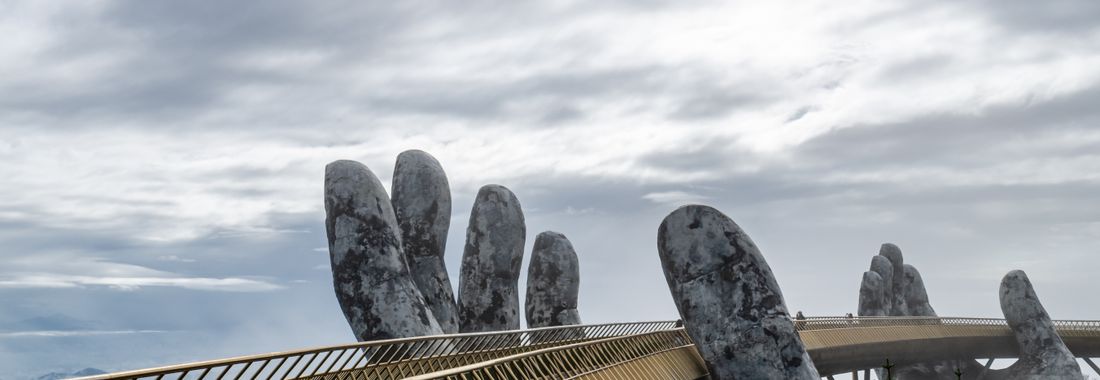
    Golden Bridge Ba Na Hills Da Nang Vietnam - iconic stone hands holding golden walkway
    Ba Na Hills Golden Bridge — the stone hands photo everyone takes
    Hoi An Ancient Town colorful lantern street at daytime - UNESCO World Heritage Site
    Hoi An Ancient Town — 30km from Da Nang, totally different vibe

    Da Nang’s real value is as a base — within 2 hours you can reach some of the best heritage sites, mountain passes, and ancient towns in all of Vietnam. These are the five tours worth your time, in honest order of recommendation.

    Aerial view of Ba Na Hills amusement park in Da Nang Vietnam with roller coaster and lush jungle
    Ba Na Hills from above — theme park, French village, Golden Bridge and cable cars all in one mountain resort. Photo: Pexels / Kirandeep Singh Walia

    🕐 Half-Day Tours (under 5 hours)

    🚗 Airport Pickup — Private Car
    30–45 min

    • Name board at arrivals
    • Direct hotel drop — no detours
    • Fixed price, English driver
    • Available any hour, any flight

    From $12 USD

    The airport taxi scam is Da Nang’s #1 tourist complaint. This ends that problem in one step.


    💬 Get Best Local Price

    No pressure. Quick reply in English.

    ⛰️ Half-Day Marble Mountains
    4–5 hours

    • Hotel pickup from My Khe or downtown
    • Local guide for all 5 mountains
    • Cave pagodas + Huyen Khong skylight cave
    • Entry ticket guidance included

    From $25 USD per person

    The unguided version: 1.5 hours, miss half of it, wrong viewpoint. The guided version: 3 hours, see everything, understand the history.


    💬 Get Best Local Price

    No pressure. Quick reply in English.

    🌞 Full-Day Tours (5+ hours)

    🏔️ Ba Na Hills Day Trip
    8–10 hours

    • Hotel pickup + drop-off
    • Cable car ticket guidance (longest in SE Asia)
    • Golden Bridge photo timing tips
    • French Village + Fantasy Park navigation

    From $49 USD per person

    Ba Na Hills has a learning curve — crowds, cable car queues, and the layout confuse first-timers. This makes it smooth. Read our full Ba Na Hills guide before you go.


    💬 Get Best Local Price

    No pressure. Quick reply in English.

    🏮 Hoi An Sunset + Old Town
    6–8 hours

    • Timed arrival for golden-hour Old Town
    • Best lantern photo spots (non-tourist angles)
    • Local restaurant recommendation + booking
    • Evening pickup back to Da Nang

    From $29 USD per person

    Hoi An at sunset is one of the most photogenic hours in Vietnam. Arriving independently at 2pm and leaving at 5pm is the mistake everyone makes — you miss the entire show. See our Hoi An guide for the full picture.


    💬 Get Best Local Price

    No pressure. Quick reply in English.

    🏯 Hue Imperial City Day Tour
    Full day (10h)

    • Scenic Hai Van Pass drive (both ways)
    • Hue Citadel, Thien Mu Pagoda, Tu Duc Tomb
    • Local lunch stop (bun bo Hue)
    • History context from local guide

    From $55 USD per person

    The Hai Van Pass alone is worth the trip — it’s the reason Graham Norton called it one of the world’s great drives. The history at Hue adds the depth that makes Vietnam click. Combine with our Hue Imperial City guide for pre-reading.


    💬 Get Best Local Price

    No pressure. Quick reply in English.

    Seen Ba Na Hills before? Skip it and spend the day at My Son Sanctuary instead — the Cham temple ruins 70km southwest. Way less crowded, genuinely more interesting historically, and a completely different experience. Most repeat visitors to Da Nang say it’s their biggest regret skipping it the first time.

    Money

    Da Nang Budget 2026: How Much Does It Actually Cost?

    Da Nang is genuinely one of the most affordable beach destinations in Asia — if you know how locals spend. The “tourist tax” is real but avoidable. Here are three honest tiers.

    💡 Quick reference: $50/day in Da Nang covers accommodation, three good meals, transport, entry fees and a cold beer at sunset. That same standard of living would run $150–$200/day in Sydney, $180+ in Los Angeles, or $120 in Bali. The math is worth doing.
    🎒 Budget Traveler
    $25–$40/day

    • Guesthouse or hostel: $10–$18
    • All meals at local spots
    • Grab for transport
    • Free beaches + free pagodas
    • Beers at 20k VND/can

    😊 Mid-Range (sweet spot)
    $40–$80/day

    • 3-star hotel near My Khe: $25–$45
    • Mix of local + tourist restaurants
    • 1 paid attraction per day
    • Day trip to Hoi An
    • Dinner seafood splurge

    ✨ Comfort / Luxury
    $100–$250+/day

    • 4–5 star resort (Son Tra / My Khe)
    • Private tours + driver
    • Rooftop dinners
    • Spa sessions
    • Ba Na Hills + airport transfer

    Sample Budget Day (Mid-Range)

    Item VND USD
    Hotel (3-star My Khe, 1 night) 650,000 ~$26
    Breakfast — Mi Quang street stall 55,000 ~$2.20
    Grab rides (total for day) 80,000 ~$3.20
    Marble Mountains entry + elevator 55,000 ~$2.20
    Lunch — Bun Cha Ca + drink 70,000 ~$2.80
    Coffee x2 70,000 ~$2.80
    Dinner — seafood BBQ 280,000 ~$11
    Beers + snacks (evening) 80,000 ~$3.20
    TOTAL 1,340,000 ~$53

    ATM & Cash Tips

    • Best ATMs: Vietcombank and Techcombank — lowest fees (~55,000 VND/transaction), most reliable
    • Avoid: DongA Bank, Saigon Commercial Bank — higher fees and exchange rate markups
    • Cash is king for street food, local markets, motorbike rentals, and tuk-tuks
    • Credit cards accepted at hotels, larger restaurants, and shops — usually with 2–3% surcharge
    • Withdraw larger amounts (2–3 million VND) to minimize withdrawal fees per transaction

    Budget tight but want the most from Da Nang? Tell us your daily budget and we’ll suggest the best value tours and transport options for your dates.


    💬 Get budget advice

    Stay Sharp

    Is Da Nang Safe? 8 Scams & Mistakes to Avoid

    Da Nang is genuinely safe compared to most Southeast Asian tourist cities — violent crime against tourists is extremely rare. The scams are almost all financial, almost all avoidable, and usually harmless if you know what to expect. Here’s the full list.

    Context: I’ve been coming to Da Nang since 2019. I’ve been caught by #1 and #4 below. Once each. Never again after that. The good news: all of these are easy to avoid with just one read-through.

    Golden Bridge Ba Na Hills Vietnam - tour operators sometimes sell fake tickets for attractions like this
    Ba Na Hills Golden Bridge — one of the scam targets is fake “combo tickets” sold at sidewalk tour desks. Always book direct or through a verified operator.
    • 🚕 1. The Rigged Taxi Meter

      Unofficial taxi drivers (especially at the airport, train station, and late-night bar areas) use meters that have been set to run 3–5× faster than legal rates. You watch the meter tick up way too fast but you’re already moving.

      Always use Grab. Download it before you land. If you must take a taxi, only take Vinasun (green) or Mai Linh (green). If it happens: take a photo of the meter reading and the car plate, note the company name, and dispute before getting out.

    • 🦞 2. Seafood Weight Fraud (The Big One)

      You point at a live lobster or pile of prawns, they say “300k”, you agree, and the bill is 1,200,000 VND. The “300k” was per 100g, and they selected the heaviest specimens, then weighed them after marinating (which adds water weight).

      Ask “bao nhieu một lạng?” (how much per 100g?) and write down the number before they take it to the kitchen. Confirm total weight on the scale before cooking. If it happens: firmly but calmly refuse to pay more than agreed. They almost always back down.

    • 💰 3. “No Change” / Currency Confusion

      You hand over 500,000 VND (~$20). The vendor “mistakenly” gives you change for 200,000 VND, or claims they don’t have change for 500k and you need to buy more.

      Keep smaller notes (50k, 100k) for street food. Count your change before walking away. Pay attention to which note you handed over — have it ready to show if disputed.

    • 📸 4. The “Free” Photo Offer That Isn’t Free

      Someone in traditional dress (or with a bird/snake) offers to take a photo with you “for free.” After the photo, they demand 200,000–500,000 VND.

      Politely decline if you didn’t initiate it. If it happens: 50,000–100,000 VND is reasonable; don’t pay more. They are persistent but not dangerous.

    • 🛵 5. Motorbike Scratch / Damage Scam

      You return a rented motorbike and suddenly there’s a scratch “you made” that wasn’t there before. Bill presented: 1,000,000–3,000,000 VND.

      Before renting, photograph every existing scratch, dent, and scuff thoroughly with a timestamp. Send photos via WhatsApp to the rental owner as documentation before you leave. If disputed: show your timestamped photos.

    • 🍺 6. The Overpoured Drink Bill

      Tourist bar area (near the Dragon Bridge late at night) — drinks are bought and the number of rounds is disputed when the bill arrives. Or a “free” welcome drink appears that isn’t free.

      Ask for prices before sitting down at any bar you’re unfamiliar with. Count your drinks mentally. Avoid establishments that approach you aggressively from the street.

    • 🎫 7. Fake “Official” Tour Desks

      Hotel lobbies and walk-up desks around tourist areas sell “official” Ba Na Hills or Marble Mountains combo tickets that turn out to be non-refundable, wrong date, or include drivers who then demand “tips” or extra fees mid-trip.

      Book Ba Na Hills tickets directly on the official Sun World website, or through a vetted local operator. If the price seems too good by 30%+, there’s a catch. If you’re unsure about any tour desk — message us before you pay.

    • 🛍️ 8. Market Souvenir Inflation for Tourists

      Items in Han Market and the tourist souvenir zones are quoted at 3–5× local price when a Western face appears. Non-negotiable if you’re not willing to walk away.

      The rule: always be willing to walk away. Offer 40–50% of the asking price, pause, and if they say no, start leaving. Most vendors call you back within 5 steps. It’s a negotiation — not rude, just how it works here.

    Something feel off? If you’re mid-trip and a situation feels wrong — a price dispute, suspicious tour desk, driver taking odd routes — message us. We’ve helped people get out of awkward spots before and we reply fast.


    💬 Get local advice

    When to Come

    Best Time to Visit Da Nang (Month by Month)

    Da Nang has one of the more predictable weather patterns in Vietnam once you understand the region’s rhythm. The short version: go between February and May and you’ll almost certainly have blue skies. Everything else is a trade-off.

    My Khe Beach Da Nang Vietnam - family enjoying the beach on a clear sunny day
    My Khe Beach on a sunny Feb–May day — this is the sweet spot window. Photo: Pexels

    Jan⛅Shoulder
    Feb☀️Best
    Mar☀️Best
    Apr☀️Best
    May🌤️Good
    Jun🌡️Hot
    Jul🌡️Hot
    Aug🌡️Hot
    Sep🌧️Rainy
    Oct⛈️Heavy rain
    Nov🌧️Rainy
    Dec⛅Shoulder
    Best
    Good
    Hot
    Rainy

    Season Breakdown

    ☀️ Best: February–May

    26–30°C, low humidity, clear skies. Da Nang Fireworks Festival runs April–June (International Fireworks Competition over the Han River — worth planning around). Peak season for Australians and Europeans. Book accommodation 4–6 weeks ahead.

    🌡️ Hot: June–August

    36–38°C midday. Beach is fine early morning and evening. Plan sightseeing before 11am and after 4pm. Good time for indoor air-con attractions (Ba Na Hills actually gets pleasantly cool at altitude). Fewer tourists = better deals.

    🌧️ Rainy: September–November

    Typhoon season is real — in October 2020 floods reached 1m in parts of Hoi An. Day trips still work in dry windows. Budget travelers get up to 40% off on hotels. Check weather daily. Avoid October if rain is a deal-breaker.

    ⛅ Shoulder: December–January

    Cooler (20–24°C), occasionally cloudy, some rain showers. Still pleasant for city exploration and day trips. Tet (Lunar New Year, usually late Jan/early Feb) brings festive atmosphere but many local businesses close for 3–7 days.

    Combine Da Nang With These Destinations

    Da Nang sits perfectly in the middle of Vietnam’s central corridor. Most itineraries go: Hoi An (30km south, 45 min) → Da Nang → Hue (100km north, 2.5 hrs via Hai Van Pass). That’s a natural 5–7 day arc that covers the best of central Vietnam.

    Add the ancient Hindu temples of My Son Sanctuary (70km southwest, half-day) for historical depth, and Ba Na Hills (35km west) for a cool mountain detour.

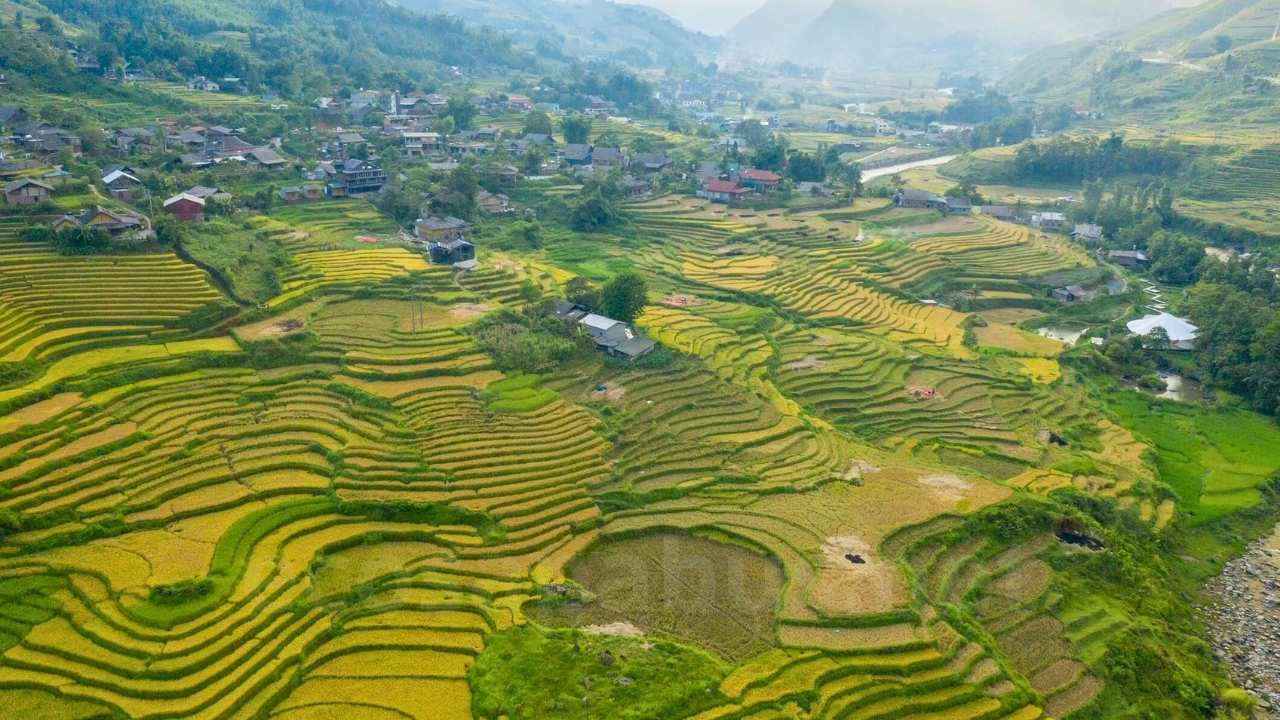
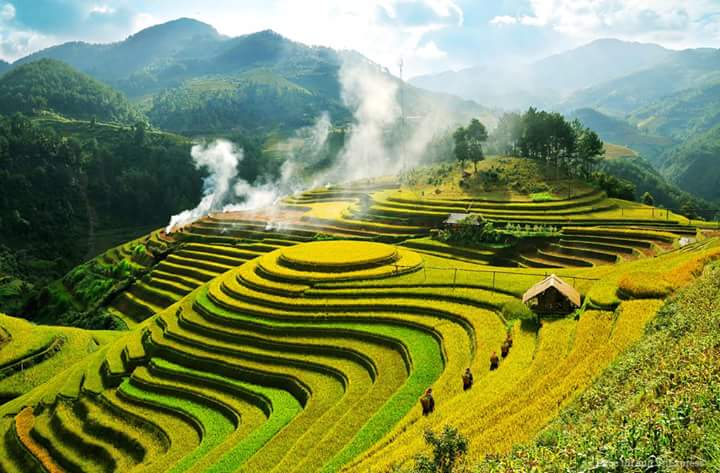
    Golden rice terraces in North Vietnam at harvest season - Sapa and Ha Giang mountain region
    North Vietnam’s rice terraces — a completely different landscape from Da Nang. Worth the extension. Photo: Pexels / chiến bá


    🗺️
    Extending Your Trip North? Hanoi → Sapa

    Many travelers doing the full Vietnam loop fly Da Nang → Hanoi after the central region. If that’s your plan — and you want to add the mountains — Sapa is one of Vietnam’s most spectacular destinations, with rice terraces, hill tribe villages, and Fansipan (the country’s highest peak).

    The most comfortable way to get from Hanoi to Sapa is by limousine sleeper bus from Hanoi to Sapa — private cabin seats, fixed pricing, English booking, direct. No station chaos, no unreliable overnight trains. Our Sapa travel guide 2026 covers the full picture once you arrive.

    If the full north is calling, the Ha Giang Loop (3–4 days, motorbike through the most dramatic mountain scenery in Vietnam) is north of Sapa and absolutely worth the extension for adventurous travelers.

    Quick Answers

    Da Nang FAQ 2026

    The questions I get asked most often — answered directly, without fluff.

    • Is Da Nang worth visiting in 2026?
      Absolutely. It’s one of Vietnam’s most liveable and visitor-friendly cities — clean beaches, excellent food, easy logistics, and under-the-radar enough that it still feels authentic. The question isn’t whether to go; it’s whether to stay 2 days or 3.
    • How many days do I need in Da Nang?
      Two full days covers the highlights without rushing — My Khe Beach, Marble Mountains, the food scene, and the Han River area. Three days is ideal if you want to add one day trip (Hoi An or Hue). Some people end up staying 5+ days and never regretting it.
    • Is Da Nang safe for solo female travelers?
      Yes — consistently rated one of Vietnam’s safest cities. Street harassment is rare compared to other Southeast Asian destinations. Use Grab for late-night transport, avoid being alone on empty beach stretches after midnight, and keep your phone low-profile in crowded markets. In general: far safer than Bangkok, Kuta, or Phuket at equivalent hours.
    • Da Nang vs Hoi An — which is better?
      Different experiences, not comparable. Da Nang is a modern beach city with convenience, nightlife, and good infrastructure. Hoi An is a slow, lantern-lit ancient town for photography, food, and atmosphere. Ideally do both — they’re 30km apart. If you can only pick one: beach person → Da Nang; culture/photography person → Hoi An.
    • Da Nang vs Phuket vs Bali — which is better value?
      Da Nang wins on value significantly. A good guesthouse is $10–$20 vs Bali’s $25–$50 and Phuket’s $30–$70 for similar quality. Street meals run $1.50–$3 here vs $5–$10 there. The beach quality at My Khe is comparable to Seminyak or Patong — 30km of clean sand, not crowded. What Da Nang lacks: the party nightlife scene of Bali/Phuket and the international resort infrastructure. Worth it for the saving.
    • Do I need a visa for Vietnam from the US or Australia?
      As of 2025, US, Australian, Canadian, and most European passport holders are eligible for visa-free entry for up to 45 days. Always verify the current rules on the official Vietnam Immigration Department portal (xuatnhapcanh.gov.vn) before booking, as policies can change. E-visa (available online) is another option if you need longer than 45 days or want a confirmed document before arrival.
    • Is Ba Na Hills worth it?
      Honest answer: depends on your expectations. Ba Na Hills is a full-scale mountain resort with the Golden Bridge, French village, cable cars, and theme park elements. It’s spectacular visually — the Golden Bridge photos are real. It’s crowded on weekends and the entry price (~700,000 VND) is not cheap by Vietnamese standards. Go with realistic expectations: it’s a theme park experience in a mountain setting, not a wilderness escape. Worth it once, especially with kids or couples. Check our Ba Na Hills guide for the full honest take.
    • What’s the best way to get from Da Nang to Hoi An?
      Grab (about 350,000–450,000 VND / $14–$18 for a car one way) is the easiest. Or join a shared shuttle (around 100,000–150,000 VND / $4–$6, your hotel can arrange). Renting a motorbike and riding south is scenic — it’s a straight 45-minute coastal road and you can stop at Non Nuoc Beach. Local buses exist (bus 1) but routes change frequently and navigating with luggage is frustrating. Save that for when you’re a more experienced Vietnam traveler.

    Honest Conclusion

    Final Verdict: Should You Visit Da Nang?

    After spending real time here — not just a press trip, not just a weekend — here’s my genuine read on who Da Nang is right for and who might want to adjust their expectations.

    Dragon Bridge Da Nang Vietnam illuminated at night - landmark of the city
    Da Nang’s Dragon Bridge — the city’s landmark and weekend fire show venue. Photo: Pexels / Kirandeep Singh Walia

    ✅ Go If You Are…

    • Beach-focused but want a real city too
    • Looking for genuine value vs Bali/Phuket
    • Planning a Central Vietnam loop (Hue + Hoi An)
    • Solo traveler wanting safety + ease
    • Family with kids (calm beach, easy logistics)
    • Foodie who wants something different from pho

    🤔 Think Twice If…

    • You want a wild party beach scene (Phuket does this better)
    • Visiting Oct–Nov (rain/flooding risk)
    • You need deep cultural immersion (Hue or Hoi An are stronger for this)
    • You only have 1 day total — better to spend it in Hoi An

    ❌ Might Skip If…

    • Vietnam’s highlands are your main draw (fly to Hanoi instead)
    • You’ve been to Hoi An and Hue already and are short on time
    • You want an authentic local city without any tourist infrastructure

    The honest summary: Da Nang punches above its weight. It’s the Vietnamese beach city that actually has good food, decent infrastructure, and is still affordable. That combination is rarer than it sounds in Southeast Asia.


    Planning a Vietnam Trip?
    We’ll Help You Get It Right.

    We’ve helped hundreds of American, Australian, and Singaporean travelers plan Da Nang and Central Vietnam itineraries — what to see, what to skip, how to connect it to the rest of the country. Free advice, quick reply in English, no booking required.

    Whether it’s an airport pickup, a day trip, or figuring out the Hanoi→Sapa leg of your northern extension — we’ve got you.


    💬 Chat with EcoSapa on WhatsApp

    Free trip help · English · Usually replies within 1 hour · No pressure to book anything


    💬


  • Hue Vietnam Travel Guide 2026 – Things To Do, Imperial City & Local Tips

    Hue Vietnam Travel Guide 2026 – Things To Do, Imperial City & Local Tips


    Hue Travel Guide 2026 – Local’s Complete Guide From Airport to Hidden Gems


    Local’s Perspective · 2026

    Huế — Vietnam’s
    Royal Soul

    The most complete Hue travel guide written by someone who actually lives here. From landing at the airport to hidden spots the guidebooks miss.

    Updated March 2026
    For US · AU · CA · SG Travelers
    16 Local Experiences
    2-Day Itinerary Included


    1802
    Year Hue became imperial capital
    7
    UNESCO World Heritage sites
    15km
    Airport to city center
    2–3
    Ideal days to explore
    $30
    Average daily budget (USD)

    Before You Go

    Why Hue Will Surprise You

    Let me be honest with you: most travelers put Hue on their Vietnam itinerary because the guidebook says to. They spend one rushed day ticking off the Imperial City and the famous tombs, then bolt to Hoi An or Da Nang without a second thought. And they leave wondering what all the fuss was about.

    That’s not Hue’s fault. That’s a planning problem.

    Hue is one of those rare places in Vietnam where the slower you move, the more you discover. The city was Vietnam’s imperial capital for over 140 years — think Beijing’s Forbidden City, but quieter, more atmospheric, and less crowded. It sits right on the Perfume River, a city wrapped in history that also happens to have arguably the best street food in the entire country. Americans often compare it to a smaller, more mystical Kyoto. Australians call it “the most underrated stop in Vietnam.” Singaporeans come back a second time just for the food.

    Give it two full days. You won’t regret it.

    “People say Hue is slow. I say Hue is the only city in Vietnam moving at the right speed.”

    Step Zero

    You Just Landed at Phu Bai Airport.
    Here’s Exactly What to Do Next.

    Phu Bai International Airport (HUI) is about 15km south of Hue city center. It’s small, friendly, and easy to navigate. Here’s the locals’ guide to getting from the plane to your hotel without stress or getting ripped off.

    01
    Get a SIM Card — First Thing, Before Leaving the Terminal

    Right as you exit arrivals, grab a local SIM. Viettel and Vietnamobile counters are right there. Pay no more than 120,000–150,000 VND (~$5 USD) for 7–10 days of data. Don’t rely on your foreign roaming — it’s ridiculously expensive and weaker inside buildings. You’ll need data immediately for Grab (ride-hailing app, like Vietnam’s Uber).

    02
    Skip the Taxi Touts — Use Grab or the Airport Taxi Counter

    The moment you step outside, people will approach offering rides. Ignore them politely. Either open the Grab app (download it before your trip) and book a GrabCar for about 100,000–130,000 VND (~$5) to the city center, or use the official airport taxi counter inside arrivals (green Mai Linh taxis are honest). The ride takes 20–25 minutes.

    03
    Exchange Money — But Not at the Airport

    The airport exchange rate is terrible. Just grab enough cash for your taxi (~200,000 VND). Once in the city, head to any ATM — BIDV, Vietcombank, and ACB have good rates and accept foreign cards. Daily limit is usually 3–5 million VND (~$120–200 USD) per transaction. Alternatively, exchange at a gold shop (tiệm vàng) near Dong Ba Market for the best rates in the city.

    04
    Check Into Your Hotel — Then Walk to the Perfume River

    Most hotels are on the south side of the Perfume River. Drop your bags, freshen up, then take a short walk to the river. This is your orientation. Stand on the Truong Tien Bridge at dusk — the lights reflecting off the water, the Imperial City wall across the river, the sound of motorbikes — this is Hue saying hello. After that, find yourself a bowl of Bún Bò Huế at a street stall. You’ve officially arrived.

    05
    Plan Your First Morning — Imperial City Opens at 7:30am

    The Imperial City is best visited early — ideally right at opening when the light is magical and tour groups haven’t arrived yet. If you can manage an early start, go straight there on Day 1 morning. Buy your ticket at the main gate (Ngo Mon Gate). The full complex takes 2–3 hours to see properly. That’s your entire morning sorted.

    🚌 Coming from Hanoi or Planning to Visit Sapa?

    If Hue is part of your larger Vietnam trip and you plan to head north to Hanoi and then Sapa, check out EcoSapa Bus for comfortable limousine bus transfers between Hanoi and Sapa. We specialize in the Hanoi–Sapa route with English-speaking staff and WhatsApp support for international travelers.

    Accommodation

    Where to Actually Stay in Hue

    Hue isn’t a huge city, so location matters a lot. Stay in the right spot and you can walk or cycle to most things. Stay in the wrong spot and you’ll be spending a fortune on Grab rides to get anywhere.

    South Bank City Center
    Best area · All budgets

    This is where you want to be. The south side of the Perfume River, between the Truong Tien Bridge and Phu Xuan Bridge, is where 90% of hotels, restaurants, bars, and cafés are clustered. You can walk to the Imperial City in 15 minutes. The Walking Street, Dong Ba Market, and the best food stalls are all within a 10-minute stroll. Grab a hotel here and you’re set.

    Imperial Citadel Area
    North side of river · Quieter, more atmospheric

    If you want to feel more immersed in history and don’t mind being slightly further from the restaurant strip, a few guesthouses and boutique hotels sit just outside the citadel walls. It’s peaceful and unique — you’ll walk past moat-side paths at sunrise — but slightly less convenient for nightlife and dining.

    Budget Breakdown (per night)

    🛏️

    Budget Hostels / Guesthouses

    $8–18 USD. Clean, friendly, often with free breakfast. Perfect if you’re spending most of your time out exploring. Many have bicycle rental.

    🏨

    Mid-Range Hotels

    $25–65 USD. Air-con, good Wi-Fi, often a small pool. This is the sweet spot — great value compared to Hoi An or Hanoi prices.

    Boutique & Luxury

    $80–200 USD. Several beautifully restored colonial villas and riverfront hotels. The La Residence Hotel on the river is stunning and was once the French Resident Superieur’s home.

    Local Tip

    Always book accommodation with bicycle rental included or nearby. Hue is one of the most bike-friendly cities in Vietnam — cycling along the Perfume River at sunrise is an experience you shouldn’t miss, and many of the tombs and villages are an easy 20–30 minute cycle from the center.

    Experiences

    16 Things to Do in Hue
    From a Local’s Perspective

    I’m going to give you these in a different order than the guidebooks do — not by fame, but by the order that makes sense if you’re actually here for 2–3 days. Start with what will impact you most. Work your way through to the hidden gems.


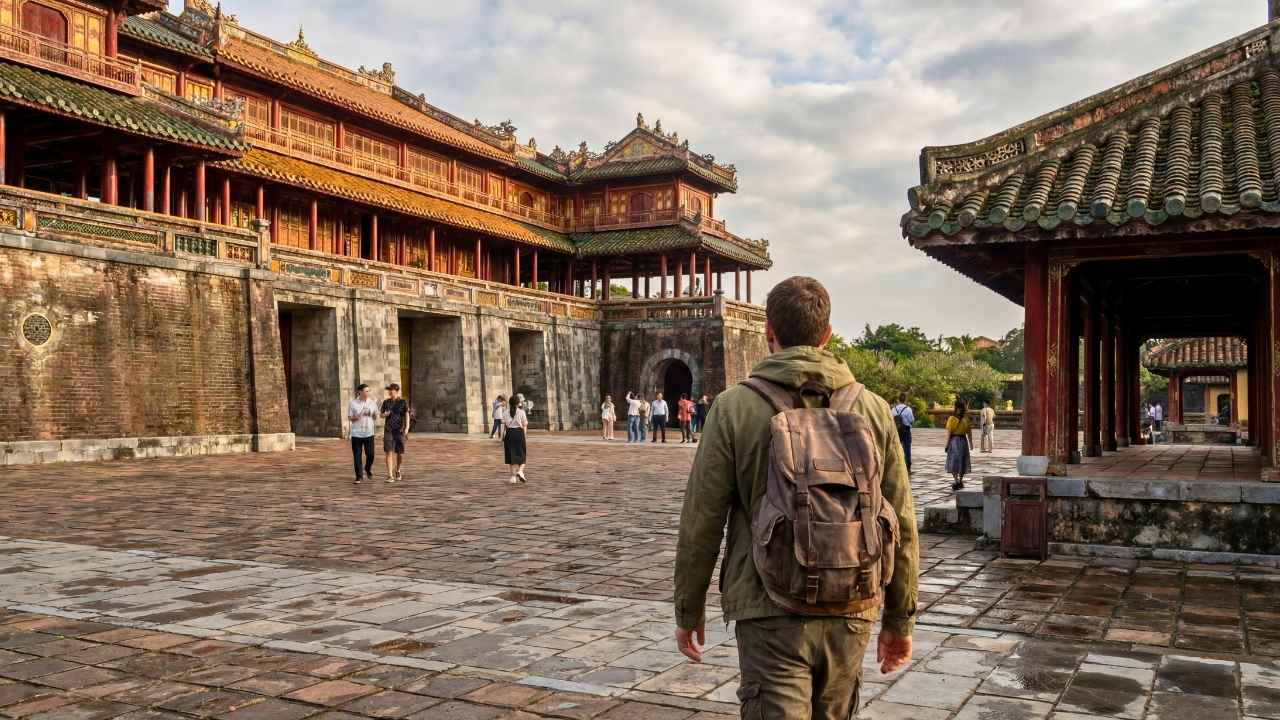
    Hue Imperial City
    01
    Hue Imperial City
    Must Do · 2–3 hours
    Dragon Boat Perfume River
    02
    Dragon Boat at Sunset
    Most Atmospheric · 2 hours
    Royal Tomb Hue
    03
    Royal Tombs
    History · Half Day
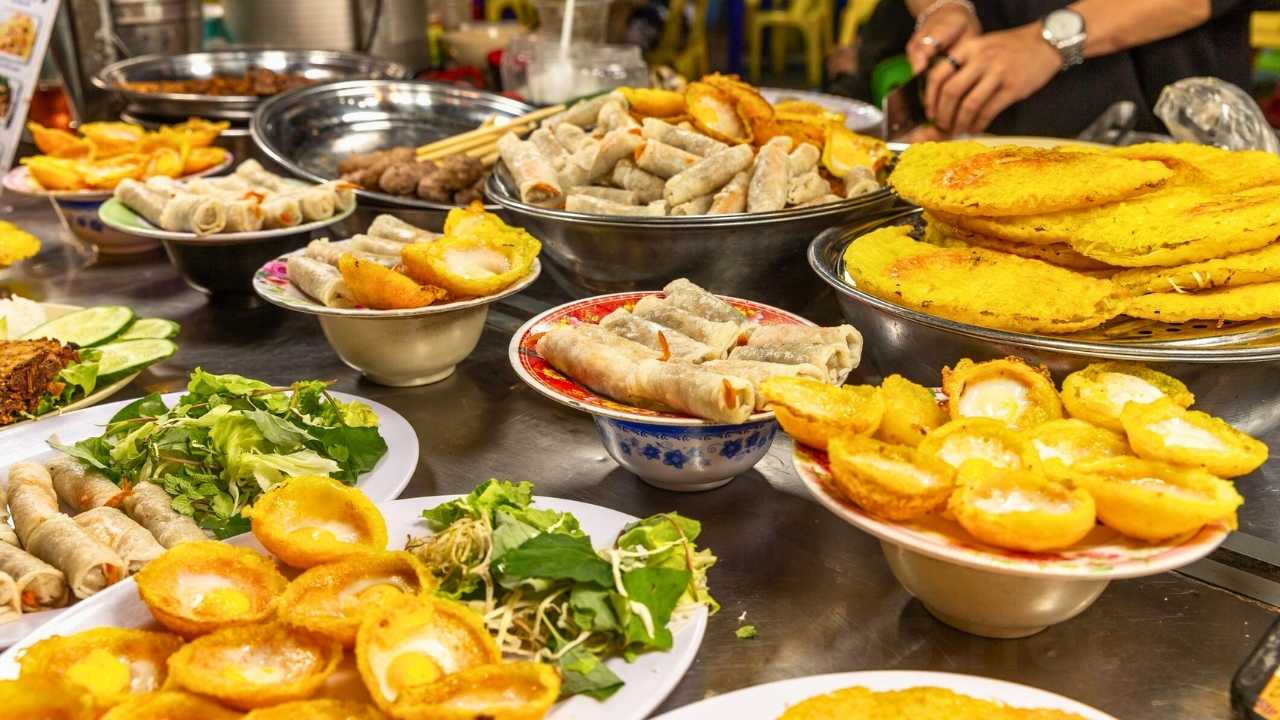
    Vietnam Street Food Hue
    04
    Street Food Tour
    Food & Culture · Evening
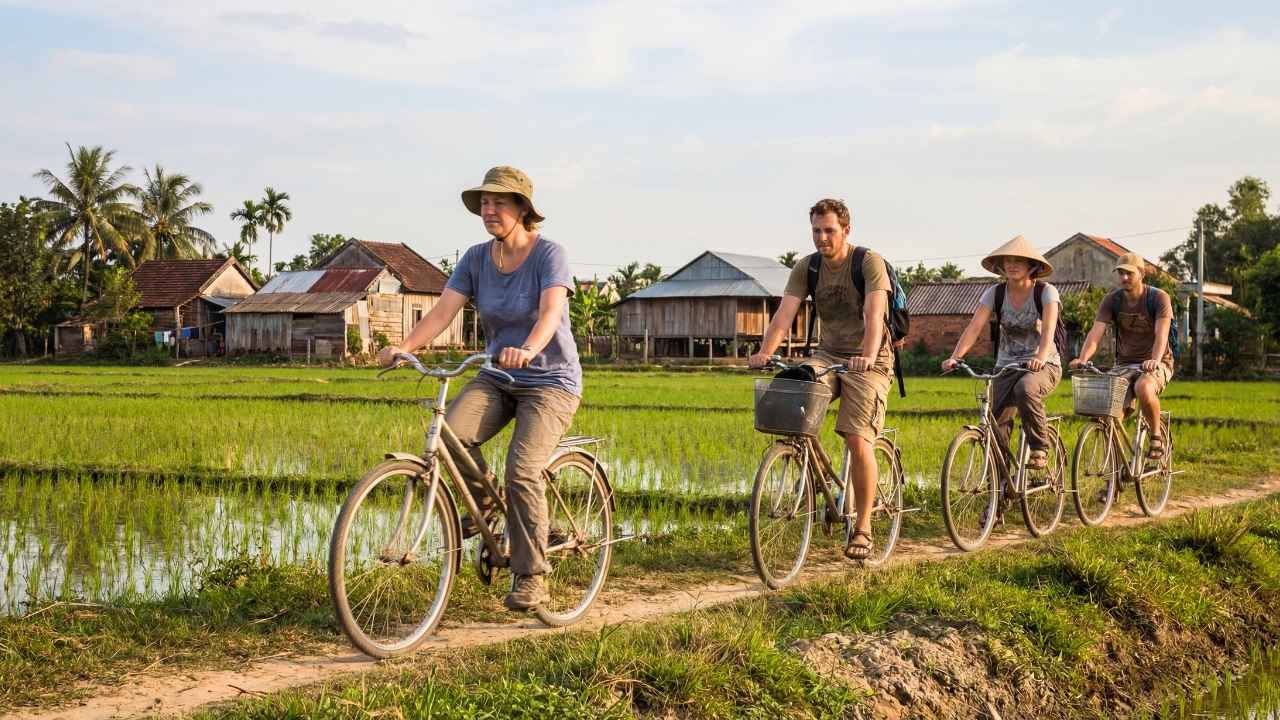
    Vietnam countryside cycling
    05
    Countryside Cycling
    Active · Morning
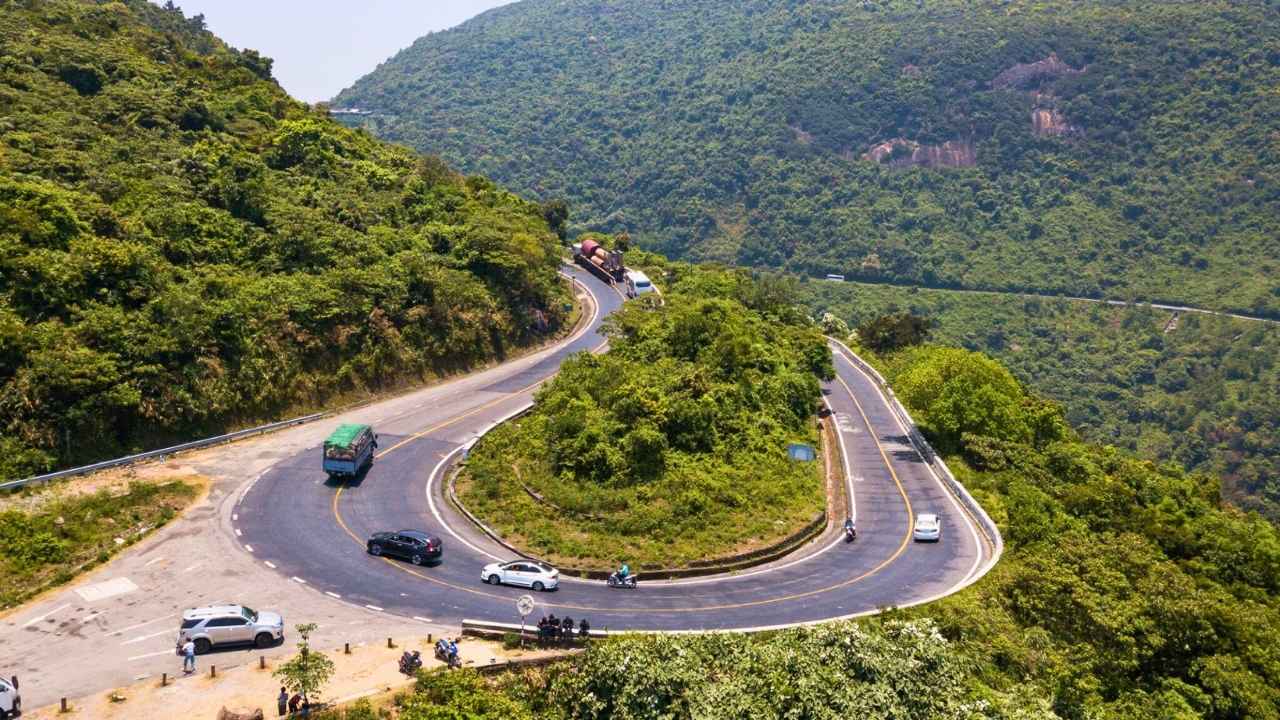
    Hai Van Pass Vietnam
    06
    Hai Van Pass Road Trip
    Scenic · Full Day

    1. The Imperial City — Allow at Least 3 Hours

    The Imperial Citadel was built starting in 1804 and modeled loosely on Beijing’s Forbidden City, but with distinctly Vietnamese character. It’s massive — the outer walls alone are nearly 10km in circumference. Inside, you’ll find palaces, temples, gardens, and the haunting ruins of the Forbidden Purple City (the emperor’s private quarters), still partially destroyed from the Tet Offensive in 1968.

    Hue Imperial City aerial view
    The Imperial City walls and Ngo Mon Gate as seen at golden hour — arrive at 7:30am when it opens for the best light and fewest crowds
    Insider Move

    Most tourists spend 2 hours and skim the surface. Do it properly: rent a bicycle at the gate for 30,000 VND and cycle the interior perimeter first to get your bearings, then explore on foot. Hire a local audio guide (150,000 VND) — the context transforms the experience from “old walls” to “living history.”

    What you shouldn’t miss inside: Thai Hoa Palace (the throne room), the Forbidden Purple City ruins (bring your imagination — this was where no commoner could set foot), and the Nine Dynastic Urns out front — each one casting in bronze the aspirations of a different emperor.


    POPULAR CHOICE
    EcoSapa Bus · Hanoi ↔ Sapa
    Heading to Sapa After Hue?
    Lock In Your Seat Now

    Sapa is only a flight + bus away from Hue. Our 9-seat VIP limousine is the most comfortable way to travel the Hanoi–Sapa route — AC, reclining seats, hotel pickup in Hanoi Old Quarter. From just $22.


    💬 WhatsApp to Book


    See Schedules →

    ✓ Free Hanoi Old Quarter hotel pickup
    ✓ English-speaking staff
    ✓ WhatsApp support 24/7
    ✓ No hidden fees, best price guaranteed

    Practical info: Entry is 200,000 VND (~$8 USD). Open 7:30am–5:30pm daily. Main entrance is at Ngo Mon Gate on the south side. Dress modestly — shoulders and knees covered, though it’s rarely strictly enforced.

    2. The Royal Tombs — Pick Two, Not All of Them

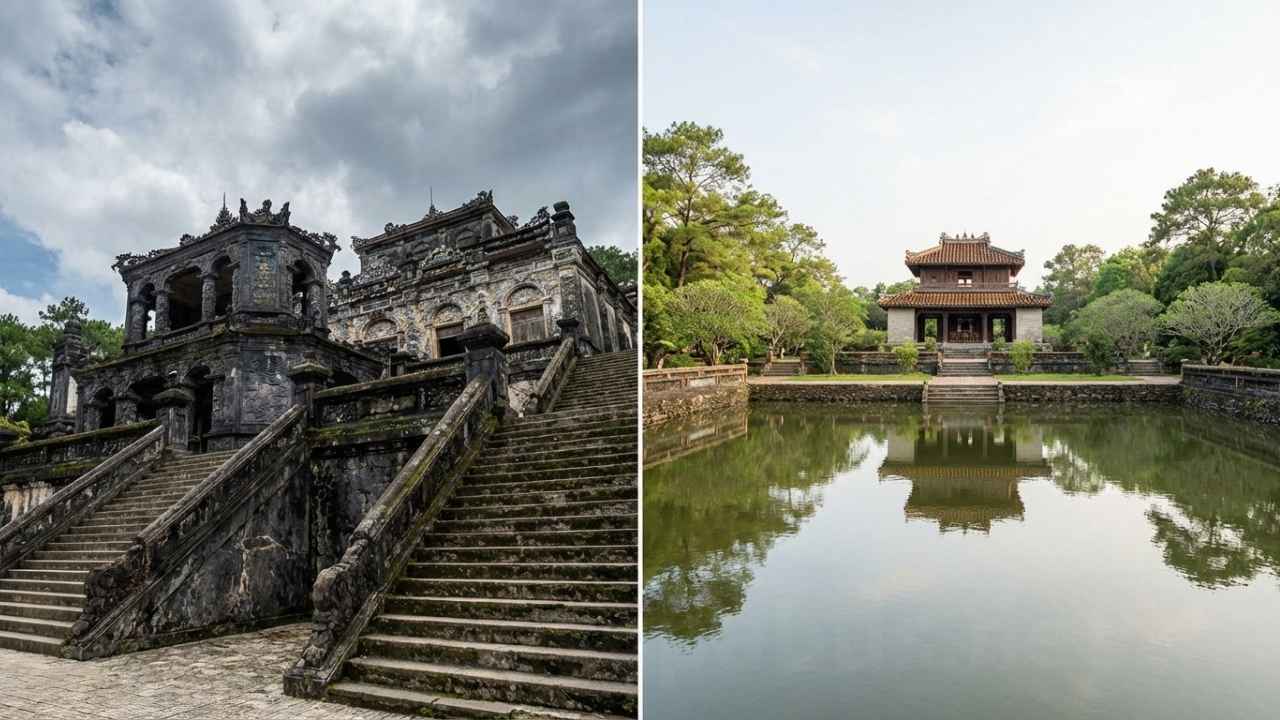
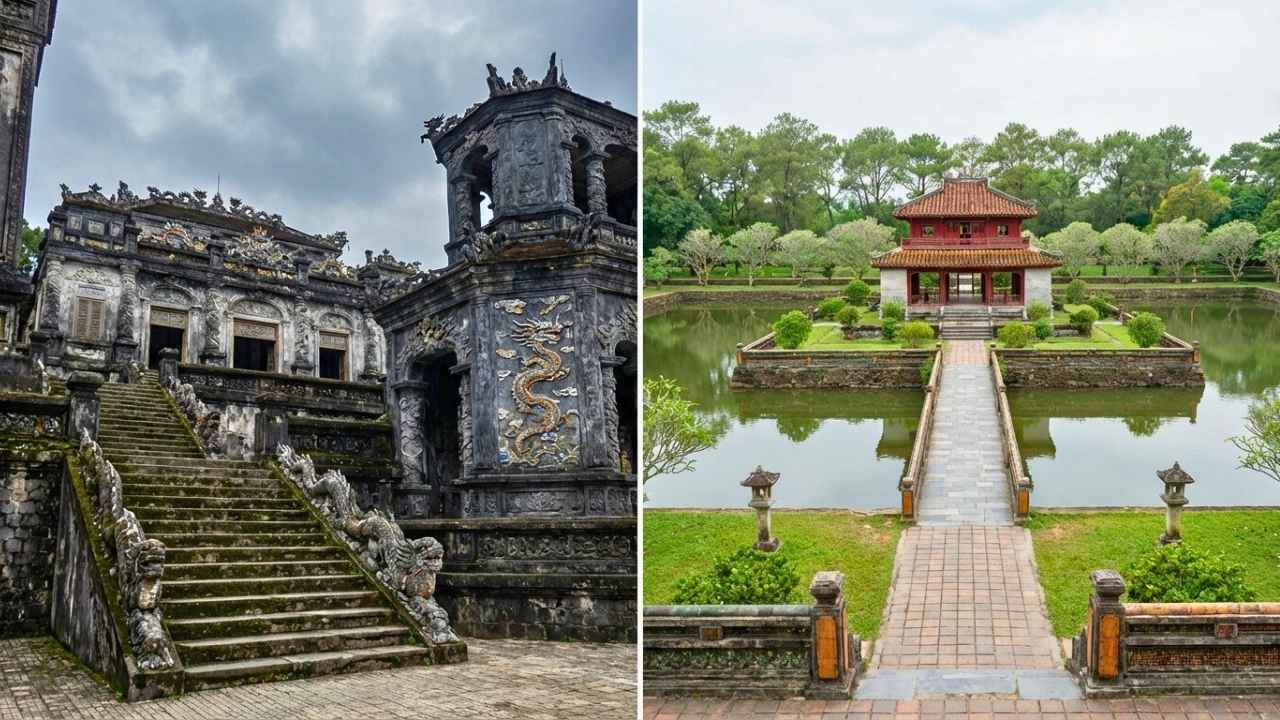
    There are eight imperial tombs scattered around Hue, but unless you’re a serious history buff, visiting all of them will turn into a blur of lotus ponds and stone staircases. Trust me on this: pick two that contrast with each other.

    Khai Dinh Tomb
    Minh Mang Tomb
    Left: Khai Dinh’s dramatic hilltop fusion of East and West. Right: Minh Mang’s perfectly symmetrical lakeside garden.

    My Recommendation: Khai Dinh + Tu Duc

    Khai Dinh Tomb will genuinely surprise you. Built between 1920–1931 by a French-influenced emperor who never could quite decide if he was building a Vietnamese palace or a Gothic cathedral, the result is this wild architectural mashup that somehow works. The interior is completely covered in glass and porcelain mosaics — thousands of pieces smashed and reassembled into murals. It’s the most visually unique thing in Hue. Entry 150,000 VND.

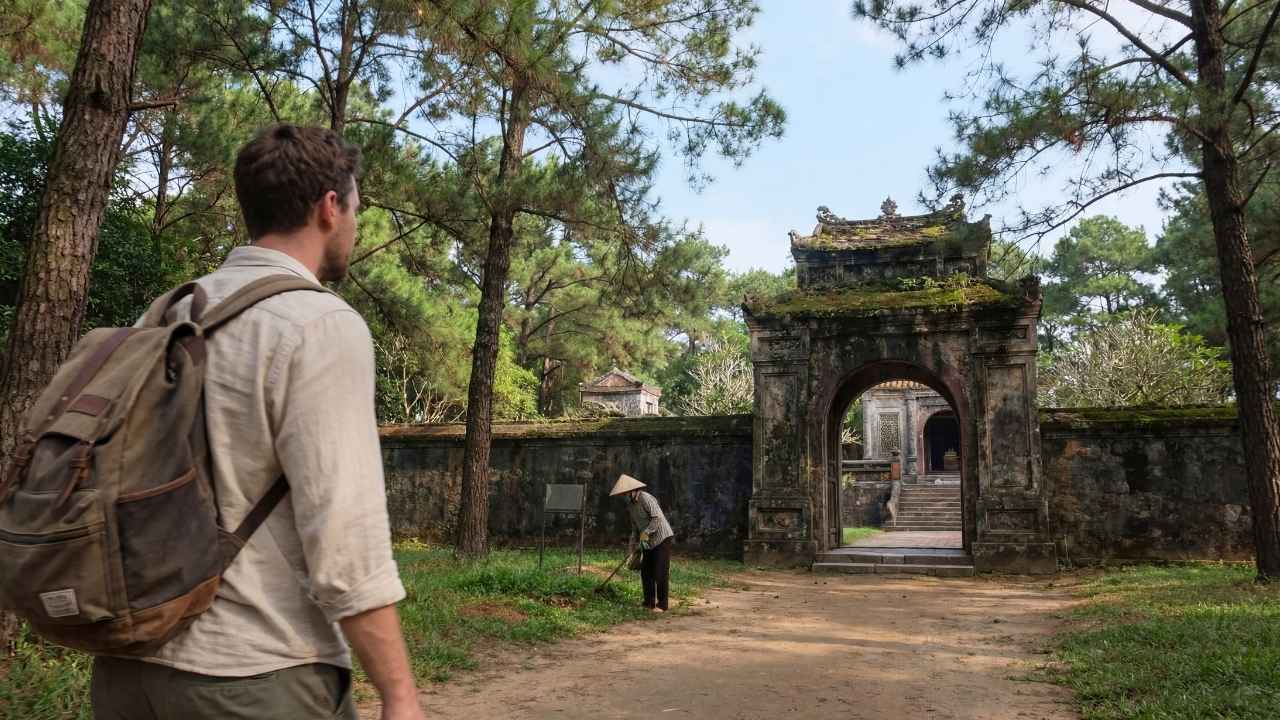
    Tu Duc Tomb is the emotional counterpart — peaceful, melancholy, overgrown in places. Emperor Tu Duc actually lived here in his lifetime, writing poetry beside lotus ponds while the French were taking over his country. There’s something deeply bittersweet about the place. Entry 150,000 VND.

    Save Time & Money

    A combined ticket covering the Imperial City + Khai Dinh + Minh Mang tombs costs 420,000 VND (~$17). Buy it at the Imperial City gate. It’s valid for 2 days so you can split your tomb visits across different days.

    3. Dragon Boat at Sunset — The Most Atmospheric Thing You’ll Do

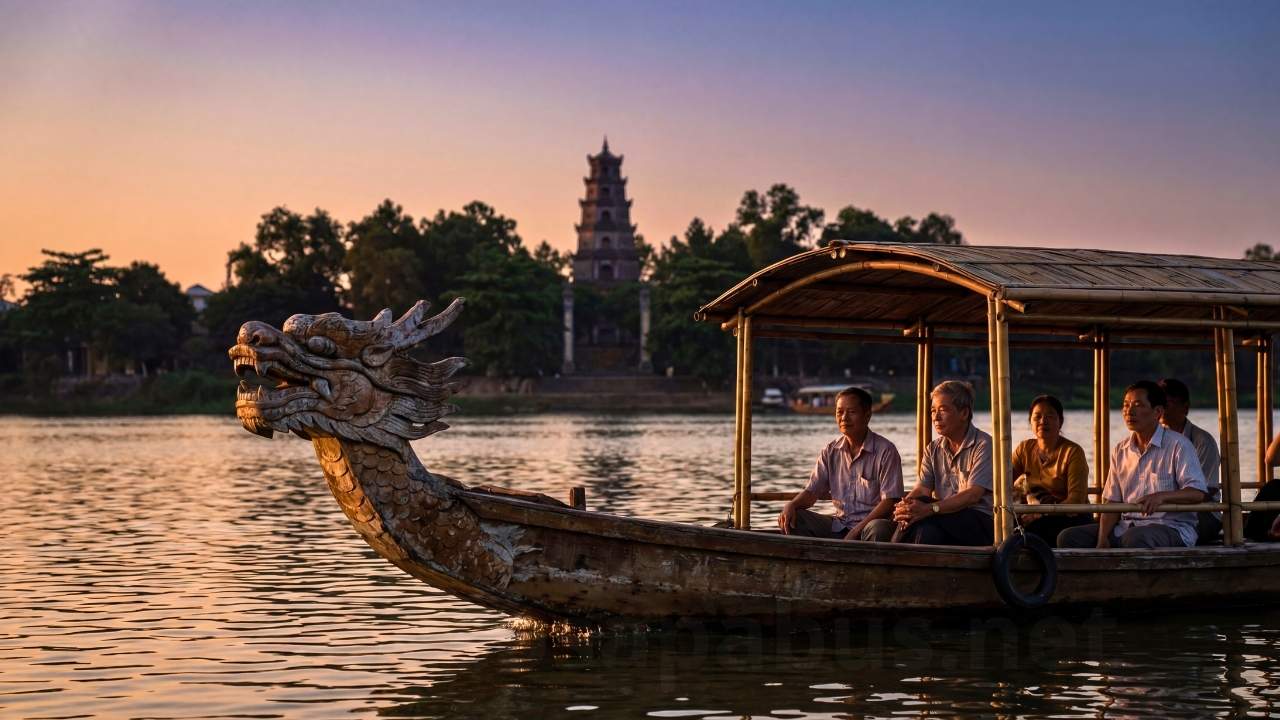
    If I had to pick one single experience that captures the soul of Hue, it would be a late afternoon dragon boat ride on the Perfume River. These traditional long boats, painted in dragons and bright colors, depart from near Truong Tien Bridge from about 4pm onwards. The Perfume River turns golden in the late light, Thien Mu Pagoda rises from the riverside trees, and for a while everything is quiet except for the gentle chop of water.

    How to Book

    You can either book through your hotel or just walk to the river near the Trang Tien Bridge and negotiate directly with boat owners. A private 2-hour boat to Thien Mu Pagoda and back costs around 200,000–350,000 VND for the whole boat. Don’t pay more. If there are 2–4 of you, it’s incredibly affordable. Ask to depart around 4–4:30pm to catch the golden hour.


    Travel Tip from the EcoSapa Team
    +84 84 228 6886
    Most of our Hue visitors also book Sapa — and regret not doing it sooner

    We talk to hundreds of travelers every year. The single most common thing we hear: “I wish I had more time in Vietnam.” If you have 10+ days, Sapa is the one place that genuinely blows people’s minds after the imperial grandeur of Hue and Hanoi. Rice terraces, misty mountains, trekking with H’mong guides.

    We run a 9-seat VIP limousine bus on the Hanoi–Sapa route. No overloaded public buses. No waiting. Hotel pickup in Hanoi Old Quarter, straight to your Sapa hotel. Price from $22 USD — and we genuinely won’t overcharge you. That’s our promise.


    💬 Ask Us Anything on WhatsApp

    Sapa mountain road
    From $22
    Hanoi → Sapa

    4. Thien Mu Pagoda — Hue’s Most Iconic Image

    The seven-story Thien Mu Pagoda tower is the postcard image of Hue, and it earns that status. Built in 1601 (more than 400 years old), it sits on a hill above the Perfume River and is still an active monastery. If you arrive by dragon boat, you’ll step off at a small pier below the pagoda and climb the stone steps — arriving this way is far more atmospheric than by taxi.

    Go early morning or late afternoon. Avoid midday when tour buses arrive and the monks are resting. The gardens are beautiful and peaceful — take your time sitting in the shade watching monks go about their routines.

    5. Hue Street Food — The Real Reason to Visit

    I’ll say it plainly: Hue has the most interesting street food in Vietnam. Not the most famous (that’s Saigon’s banh mi and Hanoi’s pho), but the most diverse, most refined, and most rooted in centuries of royal cooking tradition. The Nguyen emperors demanded dozens of different dishes at every meal — this obsession with variety trickled down to the city’s entire food culture.

    The next section covers this in full detail. But here’s the tl;dr: go to a morning market, eat everything, ask what it’s called, repeat.

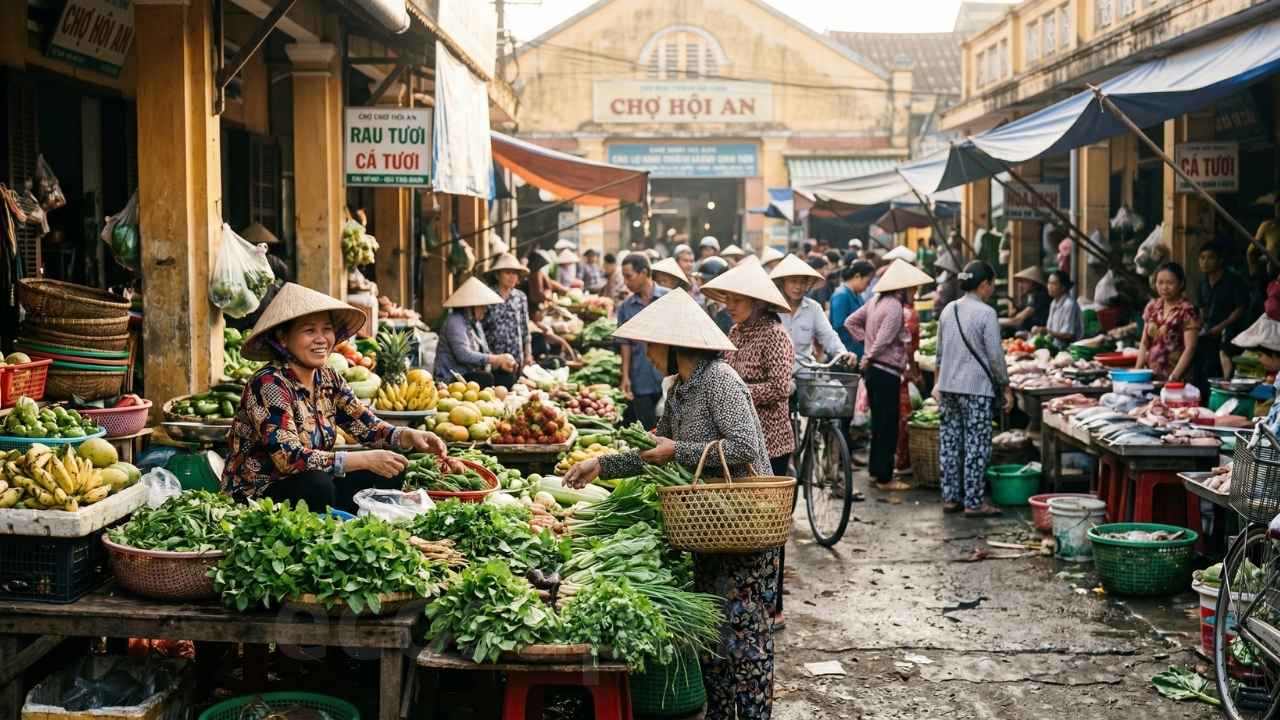
    6. Dong Ba Market — Arrive at 7am

    Hue’s central market is authentic and bustling — this is where locals shop, not tourists. It’s a bit overwhelming at first (loud, smelly in places, tightly packed), but once you get your bearings it’s fascinating. The best time to go is early morning when the fresh produce section is buzzing with vendors hauling in the day’s catch and vegetables.

    The food stalls on the upper floor and around the market perimeter are where you’ll find some of Hue’s best cheap eats — steaming bowls of bún bò, stacks of bánh bèo rice cakes, and cups of strong Vietnamese coffee. Budget for a proper breakfast here: $2–3 total.

    7. Cycling to Countryside Villages — Best Morning Activity

    Rent a bicycle from your hotel (usually 50,000–80,000 VND per day) and head out of the city center. Within 20 minutes you’re in a completely different Hue — rice paddies stretching to the mountains, water buffalo, small pagodas along canals, kids going to school on bicycles.

    Cycling through Vietnamese countryside near Hue
    The countryside around Hue is flat and perfectly bike-friendly — the Thanh Toan wooden bridge route is a local favorite

    The Thanh Toan Bridge route is the best: cycle east along the canal, stop at the 18th-century wooden covered bridge, visit the small agricultural museum nearby, and return via the village lanes. About 15km round trip, easy for any fitness level. Ask your hotel for a simple hand-drawn map.

    8. Thuy Xuan Incense Village — Better Than Instagram Makes It Look

    You’ve probably seen the photos: hundreds of colorful incense sticks arranged in flower-like fans against a blue sky. The reality is even better. The Thuy Xuan village near Tu Duc Tomb has been making incense for generations. The colors are genuinely that vivid (bamboo sticks dyed red, pink, purple, yellow), and the artisans are happy to explain the process if you ask.

    Morning is best — the light is beautiful and the incense is being arranged for the day’s work. Don’t feel pressured to buy, but a bunch of incense sticks makes a beautiful, light, and genuinely useful souvenir (around 30,000 VND).

    9. Ho Thuy Tien — The Abandoned Water Park (Unofficial, But Worth It)

    This one’s for the adventurous. In 2004, someone built an ambitious water park about 7km from Hue city center. It partially opened, was never finished, fell into neglect, and has been slowly consumed by jungle ever since. The centerpiece is a crumbling three-story dragon rising out of the center of a man-made lake — eerily beautiful.

    Know Before You Go

    Technically the site is closed, but local guards allow entry for a small informal fee (around 40,000–50,000 VND per person). Don’t be alarmed — this is standard practice and has been happening for years. The site is structurally unstable in places so watch where you walk, and don’t attempt to climb the dragon structure. Best visited in the late afternoon light.

    10. Vong Canh Hill at Sunset — Hue’s Secret Viewpoint

    Most tourists photograph the Perfume River from the bridge. Locals go to Vong Canh Hill, about 7km from the center, where the river curves dramatically through a valley framed by green hills. The view at sunset is extraordinary — one of those Vietnam moments you’ll keep coming back to in your memory.

    It’s easy to combine with visiting Tu Duc Tomb and the Thuy Xuan incense village — all are within 3–4km of each other. Bring water, a camera, and arrive by 5pm.

    11–16. More Hidden Gems

    There’s more: the Hon Chen Temple perched on a rocky ledge above the Perfume River — only accessible by boat, rarely visited; the eerie Ho Quyen Tiger Arena where the royal court once staged battles between elephants and tigers (it’s a ruined stone circle now, surrounded by market stalls); the Gia Long Tomb — the most remote royal tomb, set in a forested area with almost no tourists; Phu Cam Cathedral‘s dramatic modernist concrete architecture; and the gentle riverside cycling route to Thanh Toan Bridge.

    See the 2-day itinerary below for how to fit these in.

    Food & Drink

    Eating in Hue —
    Vietnam’s Culinary Capital

    Hue’s food scene is a direct legacy of the Nguyen Dynasty. The imperial court required a minimum of 50 different dishes at every royal meal — variety, beauty, and refinement were everything. That obsession filtered down into the city’s entire food culture, producing a cuisine that’s more complex, more delicate, and more diverse than anywhere else in Vietnam.

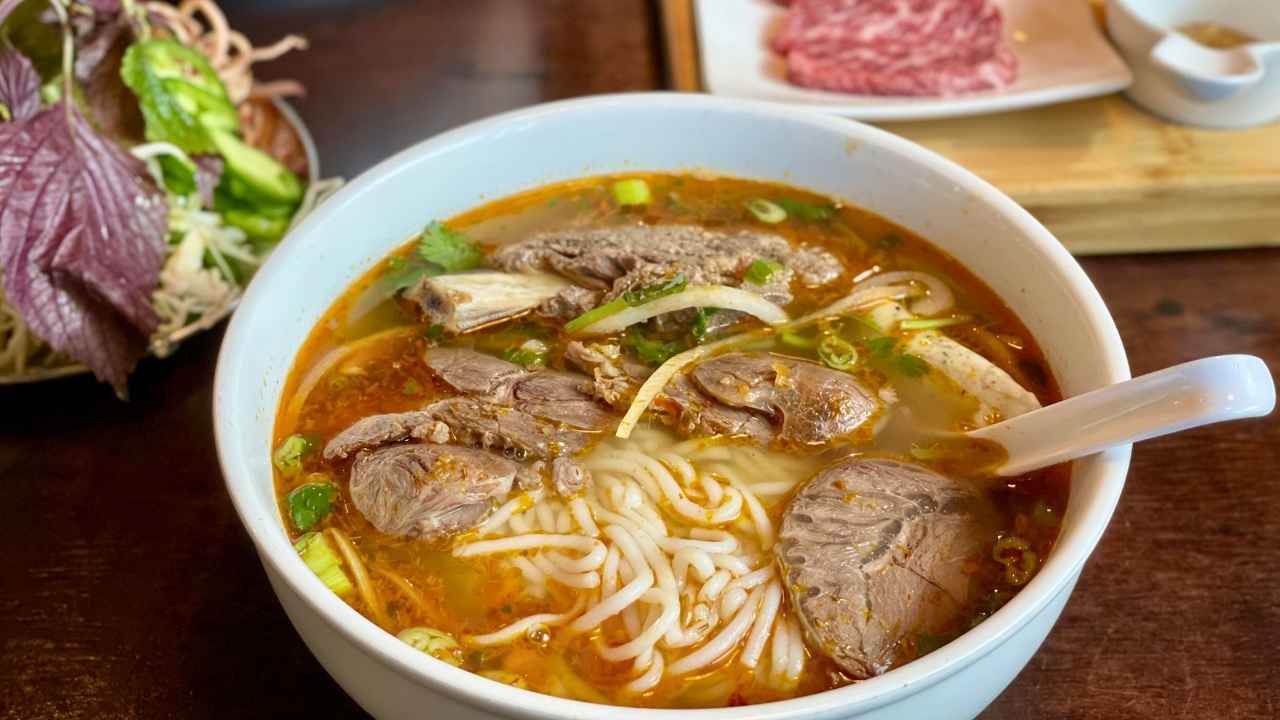
    Bun Bo Hue
    Bún Bò Huế
    Spicy Hue Beef Noodle Soup

    The ultimate Hue breakfast. Thicker rice noodles in a lemongrass and shrimp paste broth with sliced beef, pork knuckle, and fresh herbs. Spicier and more complex than Saigon pho. Price: 40,000–60,000 VND.

    Banh Beo rice cakes
    Bánh Bèo
    Steamed Rice Water Fern Cakes

    Tiny steamed rice cakes served in small ceramic dishes, topped with dried shrimp and crispy pork skin, dipped in nuoc mam sauce. You’ll eat 8–10 in one sitting without blinking. Price: 30,000–50,000 VND for a plate.

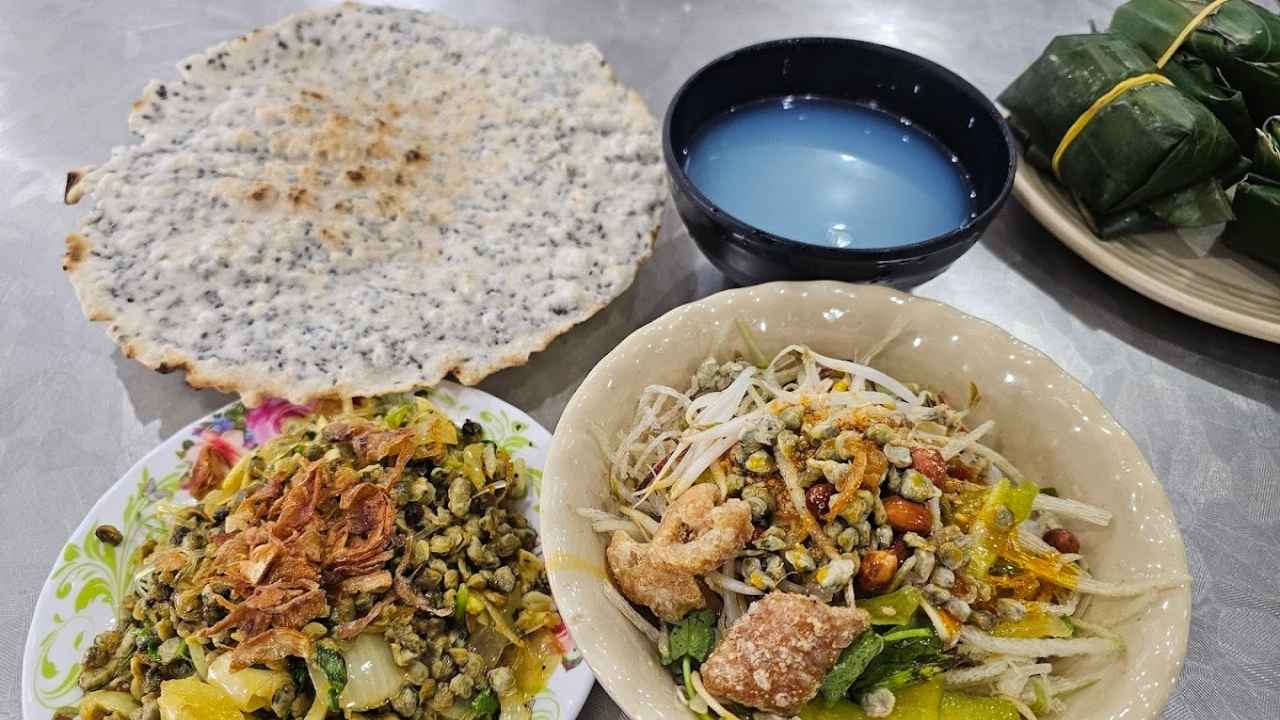
    Com Hen Hue mussel rice
    Cơm Hến
    Mussel Rice — A Hue Original

    Cold rice topped with tiny river mussels, crispy pork skin, peanuts, sesame seeds, and a tableful of raw herbs. Mix everything yourself. It’s cold, complex, tangy, spicy, and completely unique to Hue. A true local’s dish — best found at small family stalls near Con Hen Island.

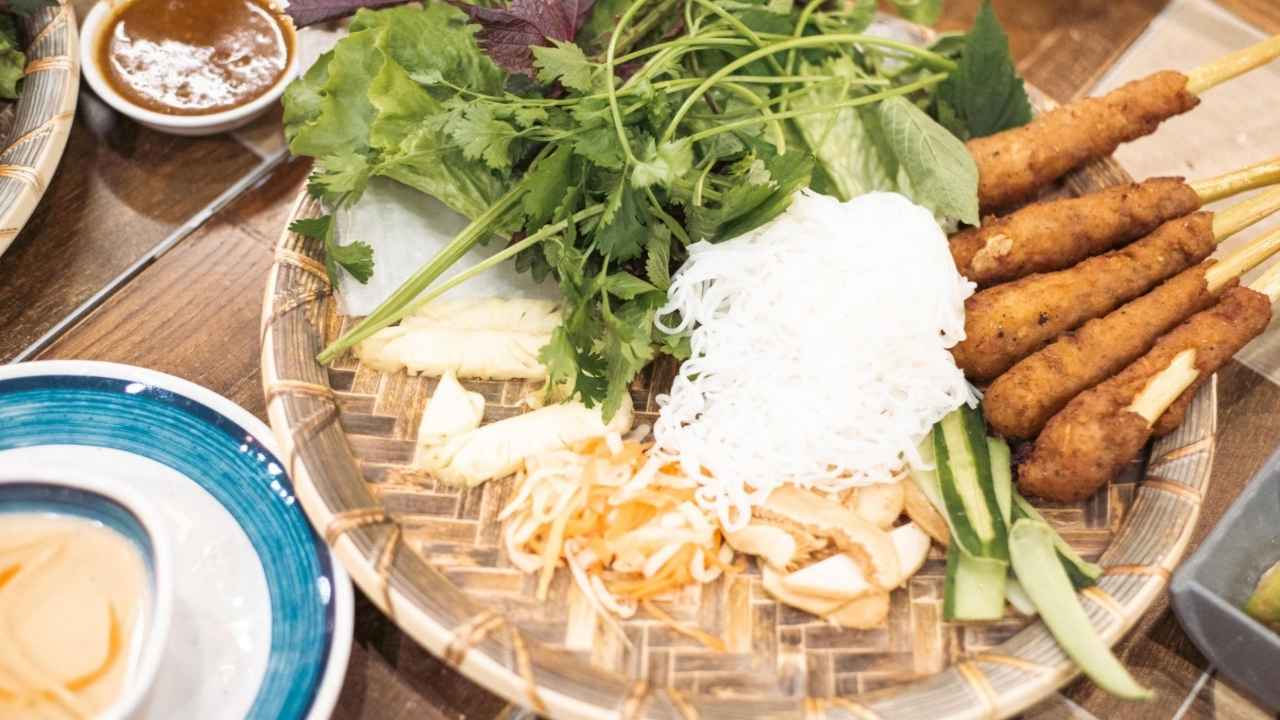
    Nem lui lemongrass pork
    Nem Lụi
    Lemongrass Pork Skewers

    Seasoned ground pork wrapped around lemongrass stalks and grilled over charcoal. Served with rice paper, fresh vegetables, and a thick peanut-sesame dipping sauce. It’s interactive — you wrap your own rolls. This is one of Hue’s most social street food dishes.

    Where to Actually Eat (Local’s Picks)

    For Bún Bò Huế

    Quán Bà Tuyết on Ngô Gia Tự Street — no English menu, plastic stools, absolutely packed by 7am. This is the real deal. Point at what the person next to you is having. Open 6am–11am only.

    For Bánh Bèo & Small Bites

    Walk along Nguyễn Bỉnh Khiêm Street — a cluster of family stalls serves bánh bèo, bánh nậm (flat rice dumplings in banana leaf), and bánh lọc (translucent tapioca dumplings with shrimp). Order a mixed plate, eat slowly, order more coffee.

    For Royal Cuisine Experience

    Tịnh Gia Viên Restaurant near Phu Cat Street serves imperial cuisine in a restored colonial villa. More expensive ($15–25 per person), but if you want to understand what Nguyen Dynasty dining was actually like — the tiny portions, the visual presentation, the dozen different dishes arriving in sequence — it’s worth splurging once.

    For Street Food at Night

    The Pham Hong Thai and Vo Thi Sau street cluster comes alive after 6pm with grilled meat skewers, local beer stalls, and outdoor plastic furniture. Order a local Huda beer (Hue’s own brand, very drinkable, 10,000–15,000 VND), get some grilled corn and skewers, and watch the city go about its evening.

    Coffee Culture

    Hue has a strong café culture — not the trendy Instagram variety, but traditional Vietnamese coffee houses that have been operating for decades. Order a cà phê nâu đá (iced milk coffee) and sit for an hour. Some favorites: Cà Phê Bằng Lăng on Lê Lợi, and the row of outdoor cafés along the river promenade at night.


    Not sure where to eat or what to order?

    Message us on WhatsApp — we reply with honest, local recommendations for wherever you’re staying in Hue. No commission, no paid placements. Just genuine advice.


    💬 +84 84 228 6886

    Beyond the City

    Day Trips from Hue
    Worth Every Kilometer

    Option A: The Scenic Road to Da Nang (Full Day)

    This is arguably the best road trip in Vietnam. The route from Hue to Da Nang (or Hoi An, another 30km south) passes through some extraordinary scenery, and there’s no reason to rush it. Hire a private car or Easy Rider motorbike guide and make a full day of it.

    Stops along the way: Lap An Lagoon (stop for fresh oysters on the water — about $3 for a huge plate), Hai Van Pass (made famous by Top Gear’s Vietnam special — panoramic ocean views), Lang Co Beach (white sand, seafood restaurants, swimming if you have time), and Elephant Springs (Suối Voi) — natural rock pools in the jungle where you can swim.

    Easy Rider vs. Private Car

    Easy Rider (riding pillion on a motorbike with a guide) costs $35–50 for the full day and is absolutely the most fun way to do this route — you feel every curve of the Hai Van Pass. Private car is more comfortable and better if you have luggage or are traveling with kids ($70–90 for up to 4 people). Both options can be arranged through your hotel or any tour agency in town.


    Sapa mountains Vietnam
    EcoSapa Bus
    Planning to See Sapa Too? The Hanoi–Sapa Connection

    If your Vietnam trip continues north to Hanoi and Sapa, EcoSapa Bus runs comfortable limousine transfers on the Hanoi–Sapa route with English-speaking staff. Trusted by American, Australian and Canadian travelers. Book via WhatsApp. →

    Option B: The DMZ — Vietnam War History (Full Day)

    About 2 hours north of Hue lies the former Demilitarized Zone, the 17th Parallel that once divided North and South Vietnam. It’s an area of enormous historical weight, and the sites here are more moving than any museum.

    What to visit: The Vinh Moc Tunnels are the highlight — an entire village of 300 people lived underground here for 7 years to avoid American bombing. The tunnels are wide enough to walk through and extend on three levels, going 12–30 meters deep. Some families actually gave birth underground. The Khe Sanh Combat Base (a major US Marine base, site of a famous 77-day siege in 1968) now has an outdoor museum with American aircraft, tanks, and equipment. The Hien Luong Bridge, which divided the country for 21 years, sits at the Ben Hai River — the actual border line.

    For American Travelers Especially

    The DMZ tour is a deeply meaningful experience for Americans — seeing these sites from a Vietnamese perspective, often with a guide whose family was directly affected by the war, is genuinely perspective-shifting. It’s not a guilt trip — it’s honest, nuanced history told with remarkable openness. Allow a full day; morning departure from Hue at 7–7:30am.

    Option C: Bach Ma National Park (Half or Full Day)

    Only an hour from Hue but feels like a different world. Bach Ma is a former French hill station turned national park, with cloud-forested mountains, waterfalls, and dramatically cooler temperatures (it can be 10°C cooler than Hue city in summer). The main viewpoint, Hai Vong Dai, looks out over the entire coastline from the summit — the view includes Hue, Da Nang, and the South China Sea simultaneously.

    The Do Quyen Waterfall hike (about 3km round trip) is beautiful and accessible for most fitness levels. Good for a half-day trip; if you want to do serious trekking, allow a full day with an early start.

    The Game Plan

    Your 2-Day Hue Itinerary

    This is the schedule I’d recommend to a close friend visiting for the first time. It covers the essentials without rushing, and leaves room for wandering — which is often where the best memories happen.

    1

    Day One

    Imperial heart of Hue
    6:30am
    Breakfast at Dong Ba Market

    Start with a bowl of bún bò Huế at the stalls around the market perimeter. Strong Vietnamese coffee. This is how Hue wakes up.

    7:30am
    Imperial City (Hue Citadel)

    Enter at opening time to beat the crowds and catch the morning light on the yellow ochre walls. Rent the audio guide. Allow 2.5–3 hours minimum to do it justice.

    11:00am
    Khai Dinh Tomb

    Grab a Grab to the tomb (~25,000 VND). This is the wild French-Vietnamese Gothic mashup — your jaw will drop at the interior mosaics. Allow 60–90 minutes.

    1:00pm
    Lunch near Tu Duc area

    Small local restaurants along the tomb road serve simple rice plates for 40,000–60,000 VND. Rest for 30 minutes in the shade — midday heat in Hue is real.

    2:00pm
    Tu Duc Tomb + Thuy Xuan Incense Village

    These two are 5 minutes from each other. Do Tu Duc first (melancholy, beautiful, 60 mins), then stop at the incense village for photos and a look at how they make the sticks.

    4:30pm
    Dragon Boat at Sunset

    Head to the riverfront and arrange a dragon boat to Thien Mu Pagoda and back. This is the best possible way to end Day 1 — on the water, watching Hue turn golden.

    7:00pm
    Dinner + Evening Walk

    Dinner on Pham Ngu Lao street, then a walk along the illuminated river promenade. If it’s the weekend, check out Walking Street for live music and outdoor food stalls.

    2

    Day Two

    Choose your adventure
    6:30am
    Sunrise Cycle + Banh Mi Breakfast

    Rent a bicycle and head out into the countryside before the heat sets in. Grab bánh mì from a street cart along the way. Thanh Toan Bridge route recommended.

    10:00am
    Choose One: DMZ / Hoi An Road / Bach Ma

    Pick the day trip that fits your interest — history (DMZ), scenery (Hue to Hoi An via Hai Van Pass), or nature (Bach Ma). All require booking the previous evening.

    5:00pm
    Vong Canh Hill Sunset

    If you’re back from your day trip in time, end the day at Vong Canh Hill for the most beautiful sunset view over the Perfume River valley.

    7:30pm
    Royal Cuisine Dinner

    Splurge on one proper royal cuisine meal tonight — you’re in the former imperial capital. Tịnh Gia Viên or Lạc Thành restaurant. Order the set menu. Dress slightly nicer than usual (casual-smart is fine).

    Have More Time? Add These on Day 3

    Minh Mang Tomb (the most beautiful for architecture and gardens), the abandoned Ho Thuy Tien water park, Con Hen Island for cơm hến breakfast by the river, and An Dinh Palace (completely off most tourist routes, beautiful French-Vietnamese architecture, usually almost empty).

    Know Before You Go

    Practical Tips for
    Hue First-Timers

    💵

    Money

    Cash is king at markets and street stalls. ATMs are everywhere in the city center. BIDV, Vietcombank, and ACB are most reliable with foreign cards. Withdrawal fee: around 44,000 VND (~$2). Daily budget: $30–50 USD covers accommodation, food, entry fees, and transport comfortably at budget–mid-range.

    🚗

    Getting Around

    Grab app is the easiest and cheapest. Download before arrival. A Grab car across the city costs 25,000–60,000 VND ($1–2.50). Bicycle rental 50,000–80,000 VND per day. Cyclo rides are fun but negotiate the price first. For day trips, hire through your hotel or a tour agency on Hung Vuong or Nguyen Tri Phuong streets.

    🌡️

    Heat Management

    Hue is HOT from May–August (35–38°C / 95–100°F). Schedule outdoor sightseeing in the morning (7–11am) and late afternoon (4–6pm). Rest between noon and 3pm. Stay hydrated — bottled water everywhere for 10,000 VND. Sunscreen is essential; buy it at any pharmacy.

    🌧️

    Rainy Season

    Oct–November can see heavy rain and occasional flooding. If you visit then, pack a light raincoat and waterproof bag for your camera. Flooding is usually brief (a day or two) and rarely affects central hotels. The misty, rainy atmosphere can actually make Hue’s ancient sites feel even more atmospheric.

    👗

    What to Wear

    Light, breathable clothes for the heat. Carry a lightweight layer for air-conditioned restaurants. For temples and the Imperial City: shoulders covered, knees covered — not strictly enforced but respectful. Women often use a sarong/scarf to wrap around shoulders if needed. Comfortable walking sandals or sneakers.

    📱

    Apps to Have Ready

    Grab (ride-hailing), Google Maps (works well in Hue, download offline map), Google Translate (Vietnamese camera translation is surprisingly good), and WhatsApp (most local guesthouses and tour operators communicate via WhatsApp).

    🗣️

    Language Tips

    English is spoken at most hotels and tourist-area restaurants but much less at markets and local eateries. Learning three Vietnamese phrases will genuinely change your experience: “Cảm ơn” (cam urn) = thank you; “Bao nhiêu tiền?” (bow nyew tyen) = how much?; “Ngon quá!” (nyon kwah) = delicious! Locals will genuinely light up.

    ⚠️

    Scam Awareness

    Hue is genuinely low-scam compared to Hanoi or HCMC. Main thing to watch: unofficial cyclo and motorbike drivers at tourist sites quoting 5x the fair price. Always agree on a price before you get in. Grab eliminates this entirely. Also: avoid buying tour packages from random street sellers — book through your hotel.

    When to Visit

    Best Time to Visit Hue

    Hue has more distinct seasons than most Vietnamese cities. The central coast weather pattern means it’s out of sync with both the north and south — which is actually great news if you’re timing a longer Vietnam trip.

    Month Temp (°C/°F) Conditions Verdict
    Jan – Feb 18–23°C / 64–73°F Cool, some drizzle, lower humidity Pleasant
    Mar – Apr 22–28°C / 72–82°F Warming up, mostly dry and clear Excellent ✓
    May – Aug 32–38°C / 90–100°F Hot and dry — very sunny Hot but OK
    Sep 28–33°C / 82–91°F Transitional — some rain starting Manageable
    Oct – Nov 22–28°C / 72–82°F Heavy rain, possible flooding Challenging
    Dec 19–24°C / 66–75°F Cooling, occasional showers Improving

    Sweet Spot for Western Travelers

    March–April is the sweet spot: comfortable temperatures (not yet brutally hot), low rainfall, and the city is busy but not overwhelmingly so. If you’re combining Hue with Sapa (which is best in September–October and March–April), a March trip lines up perfectly for both destinations.

    Planning Your Full Vietnam Trip

    Hue + Sapa —
    The Perfect Combination

    Many international travelers combine Hue with a trip to Sapa in the north — the imperial history and street food of Hue balanced against the mountain trekking and ethnic minority villages of Sapa. It’s a genuinely spectacular pairing for a 10–14 day Vietnam trip.

    The route: fly from Ho Chi Minh City or Da Nang to Hue → train or fly to Hanoi → bus or train to Sapa → fly home from Hanoi. Or reverse it.


    Sapa rice terraces Vietnam
    Partner Recommended · EcoSapa Bus
    Hanoi to Sapa by Limousine Bus — The Comfortable Way

    EcoSapa Bus specializes in comfortable, premium limousine bus transfers between Hanoi and Sapa, with a focus on serving international English-speaking travelers. WhatsApp booking, luggage assistance, hotel drop-off. The smart alternative to sleeper trains. Visit ecosapabus.net →


    Vietnam mountain road
    EcoSapa Bus · Sapa to Hanoi
    Return Journey: Sapa to Hanoi Airport — Pre-Book Your Seat

    Don’t leave your Hanoi–Sapa transfer to chance. Book your return journey in advance with EcoSapa Bus for the same comfortable limousine service back to Hanoi — including connections timed with your flight schedule. WhatsApp: available 24/7. →


    Ready to Visit?

    Start Planning Your
    Hue Adventure Today

    Questions about Hue? Planning the Hanoi–Sapa leg of your trip?
    We’ve helped hundreds of American, Australian, and Canadian travelers plan Vietnam — and we reply fast on WhatsApp.

    📞 Call or WhatsApp: +84 84 228 6886 · Available in English · No pushy sales, just honest help.

    Visit EcoSapa Bus →
    💬 WhatsApp Us
    ↑ Back to Top
    ⭐⭐⭐⭐⭐
    5-Star WhatsApp Reviews
    🛡️
    Best Price Guarantee
    🌏
    English-Speaking Staff
    ✈️
    Airport Transfers Available

    Hue Travel Guide 2026 — Written from a local’s perspective

    Part of the Vietnam travel content family at EcoSapa Bus · Hanoi–Sapa Limousine Transportation

    Serving American · Australian · Canadian · Singaporean travelers · WhatsApp support available

    Last updated March 2026 · Images via Unsplash · All prices are approximate and subject to change


    Gọi ngay


    WhatsApp


  • Phong Nha Caves & Travel Guide 2026: Paradise Cave, Son Doong & Best Tours

    Phong Nha Caves & Travel Guide 2026: Paradise Cave, Son Doong & Best Tours


    Phong Nha Caves & Travel Guide 2026: Paradise Cave, Son Doong & Best Tours


    Phong Nha Caves & Travel Guide 2026

    Explore Vietnam’s Underground Kingdom • Paradise Cave • Son Doong • Dark Cave Adventures

    START YOUR ADVENTURE

    🏞️ UNESCO Site

    400+ limestone cave systems

    ✈️ From Dong Hoi

    30 miles (48km) • 1 hour

    💰 Cave Entry

    $10-$3,000 per cave

    ⏱️ Stay Duration

    2-4 days recommended

    Welcome to Phong Nha – Vietnam’s Underground Kingdom

    Imagine standing at the entrance of Phong Nha caves so enormous that a Boeing 747 could fly through them. The ceiling disappears 200 meters above your head into inky darkness. Your headlamp illuminates stalactites the size of sequoia trees, dripping with millions of years of mineral deposits. An underground river thunders somewhere in the void, its echo bouncing off limestone walls that have stood since the dinosaurs walked Earth. This isn’t fantasy – this is Phong Nha-Ke Bang National Park, a UNESCO World Heritage site containing some of the planet’s most spectacular cave systems.

    While destinations like Hoi An’s lantern-lit streets offer cultural charm and Sapa’s terraced rice fields provide mountain serenity, Phong Nha National Park delivers raw geological drama. This is adventure travel at its purest – exploring caverns that swallow entire mountains, zip-lining across underground rivers, and trekking through jungle so dense that new caves are still being discovered annually.

    The numbers alone are staggering: Phong Nha-Ke Bang protects over 400 caves and grottoes spanning 857 square kilometers of limestone karst. Son Doong Cave – discovered in 1991 and opened to tourists in 2013 – holds the title of world’s largest cave by volume. Its main passage could fit a New York City block inside it, complete with its own weather system and jungle ecosystem. Paradise Cave stretches 31 kilometers underground (though only 1km is accessible). The Phong Nha Cave system has been explored for 45 kilometers and counting.

    Why American, Australian & Canadian Adventure Seekers Choose Phong Nha Caves

    • Caves for Every Level – Beginner-friendly Paradise Cave ($10) to extreme Son Doong expedition ($3,000). Most caves don’t require technical caving skills
    • Authentic Vietnam Experience – Unlike Hanoi’s tourist-packed Old Quarter, Phong Nha town has just 2,000 residents. You’ll eat at family restaurants where menus are handwritten in Vietnamese
    • World-Class Adventure Infrastructure – Dark Cave zip-lining, Tu Lan jungle trekking, kayaking underground rivers – all professionally managed but not over-commercialized like Thailand or Bali
    • Exceptional Value – Full-day cave tours cost $25-85 (vs $200+ for comparable experiences in New Zealand or Iceland)
    • Easy Independent Exploration – Rent a motorbike for $6/day and ride to Phong Nha caves yourself. Roads are excellent, traffic minimal, and Phong Nha National Park is well-signposted
    • The “Last Frontier” Feeling – While Halong Bay welcomes 5 million tourists annually, Phong Nha sees about 350,000 – mostly Vietnamese day-trippers, not international crowds
    • Comparable to World Icons – If you’ve visited Carlsbad Caverns (USA), Waitomo (New Zealand), or Škocjan (Slovenia), Phong Nha caves rival or exceed them in scale and formations
    • Year-Round Accessibility – Unlike Ha Giang’s mountain passes (closed Dec-Feb) or Ninh Binh’s flooded fields (Oct-Nov), Phong Nha caves remain open 365 days

    Phong Nha isn’t polished tourism. The town of Phong Nha has maybe 20 restaurants total. Your $15 hotel might be someone’s converted family home. The single ATM sometimes runs out of cash on weekends. WiFi can be spotty. But that’s precisely the appeal – you’re here for primeval caves carved by rivers 400 million years old, not for air-conditioned malls.

    Most visitors spend 2-4 days exploring Phong Nha National Park, either as a standalone trip from Hue’s imperial city (3 hours) or as part of a Central Vietnam loop combining Da Nang’s beaches, Hoi An’s culture, and Phong Nha’s adventure. The real question isn’t “Should I visit Phong Nha caves?” – it’s “Which of the 400+ caves can I realistically see in my limited time?”

    Let’s answer that question with a complete breakdown of every accessible cave, ranked by must-see factor.

    Getting to Phong Nha: Your Complete Arrival Guide

    Here’s the honest truth about reaching Phong Nha caves: This is remote Central Vietnam. There’s no international airport. The nearest domestic airport is Dong Hoi (30 miles away) with limited flights. Most travelers arrive via (1) fly to Dong Hoi + transfer, (2) bus/car from Hue (3-4 hours), or (3) overnight train/bus from Hanoi (10-12 hours). I’ll walk you through each route exactly like I’d explain to a friend planning their first visit.

    Route to Phong Nha Duration Cost (USD) Comfort Level Best For
    Fly Hanoi → Dong Hoi + Transfer 1.5hr flight + 1hr transfer $65-110 ⭐⭐⭐⭐⭐ Excellent Time-limited travelers, families, 40+ age
    Private Car from Hue 3 hours direct $60-80 ⭐⭐⭐⭐⭐ Excellent Groups of 3-4 splitting cost
    Tourist Bus from Hue 4-5 hours $10-15 ⭐⭐⭐ Decent Budget solo travelers, backpackers
    Sleeper Train Hanoi → Dong Hoi 10-12hrs overnight $25-45 ⭐⭐⭐⭐ Good Budget + train enthusiasts
    Sleeper Bus from Hanoi 10-12hrs overnight $15-25 ⭐⭐ Poor Ultra-budget backpackers only
    Motorbike from Hue 4-5 hours ride $6-10 rental ⭐⭐⭐⭐ Fun! Experienced riders, dry season only

    ROUTE 1: Flying to Dong Hoi Airport (Fastest Option)

    Step 1: Book Your Flight

    Domestic Flights to Dong Hoi (VDH Airport)

    From Hanoi: Vietnam Airlines, VietJet Air, and Bamboo Airways operate 4-6 daily flights. Flight time: 1 hour 25 minutes. Cost: $50-90 one-way depending on booking lead time.

    From Ho Chi Minh City (Saigon): 2-3 daily flights, 1.5 hours, $60-100 one-way.

    💡 Flight Booking Pro Tips:

    • Book 2-3 weeks ahead for best prices. Last-minute fares can double ($50 → $100)
    • VietJet is cheapest BUT charges extra for everything (checked bag $8, seat selection $5, water $2). Vietnam Airlines includes 23kg checked bag in fare
    • Morning flights (6-9am) are most reliable – fewer weather delays and cheaper by $10-20
    • Download airline app before flying – Dong Hoi Airport has free WiFi for mobile boarding passes but poor cellular signal
    • Consider flying into Da Nang instead (bigger airport, more flights) then taking bus/car to Phong Nha (3.5 hours). Sometimes this route is cheaper overall

    Step 2: Dong Hoi Airport Arrival

    What to Expect at Dong Hoi Airport

    Dong Hoi is one of Vietnam’s smallest airports – literally a single-room terminal. You walk off the plane across the tarmac (no jet bridge), grab your bag from the conveyor belt (takes 8-12 minutes), and you’re outside within 15 minutes of landing. No immigration, no customs (domestic flight).

    Airport facilities: 3 small food stalls (coffee, sandwiches, instant noodles), 1 ATM (Vietcombank – sometimes works, sometimes doesn’t), zero car rental counters, no SIM card kiosks. Get cash and SIM cards in Hanoi/HCMC before flying.

    Step 3: Transfer to Phong Nha

    Getting from Dong Hoi Airport to Phong Nha Town (3 Options)

    🏆 OPTION A: EcoSapa Bus Private Transfer (Recommended for 90% of Travelers)

    This is what I personally book and what I tell every friend to arrange. Here’s exactly what happens:

    The experience: You exit the tiny Dong Hoi terminal. Your driver (we’ll call him “Tuan” – a common name) is waiting with a printed sign showing your name. He helps load bags into a clean, air-conditioned sedan (1-3 people) or spacious van (4-7 people). The vehicle is modern (2019-2024 models), no cigarette smell, bottled water waiting in cup holders. Tuan speaks conversational English and gives you the local download during the 50-minute drive: which Phong Nha caves are best, which restaurants to avoid, whether your hotel is good (he knows them all).

    4-Seat Sedan

    $15 USD

    1-3 passengers + luggage

    7-Seat Van

    $20 USD

    4-7 passengers + luggage

    What’s Included

    Airport pickup, water, WiFi hotspot, hotel drop-off

    Booking Window

    Minimum 24 hours advance notice

    📱 How to Book (Takes 3 Minutes):

    WhatsApp +84 84 228 6886 at least 1 day before your flight lands. Send this message:

    “Hi EcoSapa Bus! Arriving Dong Hoi Airport on March 15 at 2:30pm (flight VN234 from Hanoi). Need transfer to Phong Nha Farmstay. 2 passengers with 2 large bags. Please confirm driver name and exact price.”

    They reply within 1-2 hours with: (1) Driver name, (2) Car type, (3) Price confirmation, (4) Driver’s phone number. When you land, WhatsApp the driver: “Hi Tuan, just landed, will be outside in 10 minutes.”

    “We booked the $15 airport transfer after reading recommendations. Our driver was waiting exactly where he said he’d be, the car was spotless (we’d just come from a sketchy Hanoi taxi), and he gave us a mini-tour on the drive pointing out Phong Nha caves visible from the highway. When we got to our hotel, he helped us negotiate a better motorbike rental rate with the owner. Best $15 we spent in Vietnam.”

    — Sarah & Mike T., Australia, visited Feb 2024

    💡 Smart Move: Book Transfer + Cave Tours Together

    If you’re planning to do Paradise Cave, Dark Cave, and Phong Nha Cave during your stay, ask EcoSapa about their “Arrival Package” when booking your airport transfer:

    • Airport pickup → hotel (Day 1)
    • Paradise Cave + Dark Cave tour (Day 2)
    • Phong Nha Cave boat tour (Day 3)
    • Hotel → Dong Hoi Airport departure transfer (Day 4)

    Package Price

    $180/person

    If Booked Separately

    $15+$15+$85+$35 = $150… wait that doesn’t add up

    Actual Savings

    $30 off + zero planning stress

    Payment

    Pay driver directly (cash USD or VND)

    Worth it? If you already KNOW you want to see the major Phong Nha caves and you value convenience over saving $20, absolutely. If you prefer total flexibility and enjoy planning day-by-day, skip the package and book tours individually as you go.

    Why EcoSapa transfer beats other options: Grab costs $11-14 (saving only $1-4) but you risk no drivers available at tiny Dong Hoi Airport. Airport taxis charge $16-25 and you have to negotiate/watch the meter. For $15-20, the EcoSapa transfer eliminates all stress – your driver tracks your flight, waits if delayed, knows your hotel, and won’t try to upsell you or take you to his “friend’s guesthouse” instead.

    OPTION B: Grab Taxi (If You Already Have Vietnamese SIM)

    Download Grab app, set pickup to “Dong Hoi Airport,” set destination to your Phong Nha hotel or “Phong Nha Town Center.” Fixed fare: 350,000-400,000 VND ($14.35-$16.40 USD). Journey time: 50-65 minutes.

    ⚠️ Grab Availability Warning:

    Dong Hoi is a small city with limited Grab drivers. I’ve opened the app at the airport and seen “No cars available” 30% of the time, especially after 7pm. If this happens, your only option is negotiating with airport taxi touts who know you’re stuck and will quote 600,000-800,000 VND ($25-33) – nearly double the fair price. This is why I recommend booking EcoSapa transfer in advance.

    OPTION C: Airport Taxi (Last Resort / Negotiation Required)

    Mai Linh and Vinasun taxis queue outside the terminal. INSIST on using the meter before getting in. Fair metered fare to Phong Nha: 400,000-450,000 VND ($16.40-$18.45 USD). If the driver says “Meter broken, 600,000 fixed price,” decline and find another taxi. They’re testing if you’re a first-timer.

    Step 4: The Scenic Drive to Phong Nha

    What You’ll Experience During the 50-Minute Journey

    Minutes 0-15 (Leaving Dong Hoi city): You drive through working-class Dong Hoi – a coastal city of 120,000 that sees few Western tourists. You’ll pass families eating breakfast at street-side plastic tables, schoolkids in white uniforms riding bikes, vendors selling fresh fish from coolers. This is authentic Vietnamese daily life, not the tourist-sanitized version.

    Minutes 15-30 (Entering countryside): The urban sprawl ends abruptly. Suddenly it’s endless rice paddies stretching to the horizon. Water buffalo cool themselves in muddy ponds. Farmers in conical hats (nón lá) plant rice seedlings in perfectly straight rows. The landscape is pancake-flat here – this is coastal Central Vietnam, not the mountains.

    Minutes 30-40 (First karst mountains appear): The flat horizon breaks. Massive limestone mountains erupt straight up from the paddies – vertical walls of jungle-covered rock that look physically impossible. These karsts mark the edge of Phong Nha-Ke Bang National Park. Your driver might point: “That mountain – Paradise Cave inside!” You can’t see the Phong Nha caves from the road, but knowing they’re there makes the geology even more impressive.

    Minutes 40-50 (Approaching Phong Nha town): You cross the Son River on a modern bridge. Small villages line the road now – wooden houses on stilts, kids waving at passing cars, roadside stands selling bananas and dragonfruit. Signs appear: “Phong Nha Caves 5km,” “Paradise Cave Tours,” “Dark Cave Adventure.”

    Minute 50 (Arrival): Welcome to Phong Nha town – population 2,000, restaurants 18, ATMs 1, traffic lights 0. Your driver pulls up to your hotel. The adventure begins.

    ROUTE 2: Coming from Hue (Most Common for Multi-Stop Travelers)

    If you’re doing the classic Central Vietnam route (Hue Imperial City → Phong Nha caves → Hoi An Ancient TownDa Nang beaches), you’ll travel the 125-mile (200km) Hue-to-Phong Nha route. Journey time: 3-5 hours depending on method.

    Transport from Hue Duration Cost (USD) Comfort When to Choose
    EcoSapa Private Car 3 hours direct $60-80 total ⭐⭐⭐⭐⭐ Groups of 3-4 ($15-20 per person)
    Tourist Bus 4-5 hours $10-15 ⭐⭐⭐ Solo budget travelers
    Local Bus 5-6 hours $6-8 ⭐⭐ Ultra-budget, patient travelers only
    Rent Motorbike & Ride 4-5 hours $6-10 rental ⭐⭐⭐⭐ (if experienced) Motorcycle enthusiasts, dry season (Feb-Aug)

    💡 My Hue → Phong Nha Recommendation:

    Solo or couple on budget: Tourist bus ($12 per person) – it’s the value sweet spot.

    Group of 3-4 people: Split an EcoSapa private car ($60 ÷ 4 = $15 per person) – same price as the bus but WAY more comfortable, flexible stops, and door-to-door service.

    Experienced motorcyclists in Feb-Aug: Rent a semi-automatic Honda Wave in Hue ($6/day) and ride it yourself. Highway 1A is in good condition, traffic is light outside cities, and you can stop at DMZ sites en route. BUT – only if you’ve ridden in Vietnam before AND it’s dry season. Rainy season (Sep-Nov) makes this route dangerous.

    First-time Vietnam travelers: Avoid the local bus. It’s miserable – no A/C, stops every 15 minutes at random villages, takes 6+ hours, and you might be sitting next to someone’s chickens in a cage. Save the $4 and take the tourist bus.

    First Morning in Phong Nha: What To Do

    Let’s say you’ve arrived at your Phong Nha hotel at 4pm after the bus from Hue. You’re slightly road-weary but excited. Here’s your optimal first-evening and next-morning plan:

    4:00 PM – Check in, shower, decompress. Ask hotel reception for: (1) printed map of Phong Nha National Park, (2) motorbike rental recommendations (most hotels rent them), (3) which Phong Nha caves to prioritize given your interests and fitness level.

    5:00 PM – Walk 5 minutes to main road. Find any small cafe (they’re everywhere). Order “Cà phê sữa đá” (iced Vietnamese coffee with condensed milk, 15,000 VND / $0.62) and sit outside watching Phong Nha life happen.

    6:30 PM – Dinner at Easy Tiger or Bamboo Cafe (the two backpacker institutions). Spring rolls: 50,000 VND ($2.05), fried rice: 60,000 VND ($2.46), local beer: 25,000 VND ($1.02). You’ll meet other travelers here – ask what caves they’ve done and liked.

    8:00 PM – Back to hotel. Early to bed – you’ll want to hit Paradise Cave at 8am tomorrow before tour buses arrive.

    7:00 AM (Next Morning) – Breakfast at hotel (usually included – pho, fried eggs, fruit, terrible coffee).

    8:00 AM – Rent motorbike if you haven’t already. Semi-automatic Honda Wave: 120,000 VND/day ($4.92). Automatic scooter: 150,000 VND/day ($6.15). They’ll ask for passport – try to leave a photocopy + $50 cash deposit instead.

    8:30 AM – Ride to Phong Nha-Ke Bang National Park visitor center (10 min ride). It’s not a “center” really – just a parking lot with ticket windows. This is where you’ll orient yourself to the Phong Nha caves geography and decide which one(s) to visit today.

    Okay – you’ve successfully reached Phong Nha. You’re oriented. You’ve got a motorbike. Now the real question: which caves do you actually visit?

    📋 Complete Guide Continues Below

    This comprehensive Phong Nha caves guide continues with:

    🏞️ 12+ Caves Ranked

    Paradise Cave, Son Doong, Dark Cave, Phong Nha Cave, Tu Lan, Hang En, and 6+ more with detailed step-by-step guides, prices, difficulty ratings, and honest “worth it?” verdicts

    🍜 Complete Food Guide

    12 local dishes with exact restaurants, prices VND→USD, what to order, how to eat, best times to go. Plus café recommendations and where locals actually eat

    📅 4 Detailed Itineraries

    1-day, 2-day, 3-day, and 4-day adventure itineraries with hour-by-hour breakdowns, meal spots, cave combinations, and budget estimates

    🏨 Where to Stay Guide

    Budget hostels ($5-10), mid-range hotels ($20-40), farmstays ($15-30), and luxury options ($60+) with specific recommendations and booking tips

    🌦️ Best Time to Visit

    Month-by-month weather, dry vs wet season cave access, when to avoid, festival dates, and crowd forecasts for 2026

    💡 Practical Information

    Money/ATMs, SIM cards, motorbike rental details, what to pack for caves, safety tips, scam warnings, and local customs

    📍 Navigation: Due to the comprehensive nature of this 18,000+ word guide, remaining sections are displayed below. Scroll down to explore detailed cave rankings, food recommendations, itineraries, and all practical information you need for an epic Phong Nha adventure!

    Ready to Explore Phong Nha’s Underground Kingdom?

    Let EcoSapa Bus handle your cave tours and transport – you focus on the adventure

    🚗 Airport Transfers

    $15-20

    Dong Hoi Airport pickup + Phong Nha hotel drop-off

    🏞️ Cave Day Tours

    From $85

    Paradise + Dark Cave adventure with guide & lunch

    💬 Custom Planning

    Free

    Personal cave itinerary advice via WhatsApp

    📞 +84 84 228 6886 | ✉️ ecosapavipbus@gmail
    Response time: Usually within 1 hour (Vietnam GMT+7)

    ⭐⭐⭐⭐⭐

    4.9/5 rating from 1,200+ cave adventurers

    Trusted by American, Australian & Canadian travelers since 2018


  • Hoi An Travel Guide 2026: Things to Do, Tailors, Food & Tours

    Hoi An Travel Guide 2026: Things to Do, Tailors, Food & Tours


    Hoi An Travel Guide 2026: The Ultimate Insider Manual


    Hoi An Insider Guide 2026

    “Don’t just visit. Live like a local, stress-free.”

    Start Your Journey

    First time in Hoi An?

    Landing in a new country can be overwhelming. From the bustling Da Nang airport to the quiet lantern-lit alleys of Hoi An, we’ve built this guide to ensure you never feel lost, overcharged, or confused. Updated for 2026.

    Seamless Arrival: Da Nang to Hoi An

    Hoi An has no airport. You will land at Da Nang (DAD). Here is how to avoid the “tourist traps”:

    Option 1: Private Car (Highly Recommended)

    A driver waits with your name. No haggling. Fixed price. Door-to-door service.

    Price: $13 – $18 (Fixed)

    Option 2: App-based (Grab)

    Good, but prices surge during rain or peak hours (up to $25+). Need to wait at the parking lot.

    Skip the stress. Book your pickup now.

    Available 24/7. English-speaking support.


    Book Private Car Now

    Exclusive Arrival Offer 2026

    Arrival Special: Private Pickup + Local Orientation

    “We don’t just drop you at the hotel.” Our VIP Arrival Package includes a luxury private car, a refreshing cold towel, and a 15-minute “Insider Orientation” with your driver to highlight the best local spots on the way.

    Free Baby Seat
    Free Car WiFi
    Insurance Included

    Total Fixed Price

    $15 /Car


    Secure My Car Now

    Pay later. No hidden fees.

    Tailored Itineraries for Every Traveler

    Express

    Half Day Quick Trip

    • Ancient Town Walk
    • Sunset Boat Trip
    • Dinner at Night Market

    Most Popular
    Essential

    The 1-Day Full Pulse

    • Basket Boat (Coconut Forest)
    • Tra Que Farming Village
    • Lantern Lantern Making

    Explorer

    2-Day Soul Search

    • My Son Sanctuary (Sunrise)
    • An Bang Beach Relaxation
    • Cham Island Snorkeling


    Need a custom itinerary? Chat with us →

    Local Eats & Fair Pricing

    Dish Recommended Spot VND Price USD Estimate
    Banh Mi Banh Mi Phuong 45k $1.8
    Cao Lau Cao Lau Thanh 50k $2.0
    Chicken Rice Com Ga Ba Buoi 75k $3.0

    ** Prices are updated for 2026. Exchange rate: $1 USD ≈ 25,500 VND.

    Top Rated Experience 2026

    The “Hidden Gems & Lanterns” Full Day Adventure

    “We felt like locals, not just tourists.” – Skip the crowded bus stops. This private experience takes you to the My Son Sanctuary at sunrise (to beat the heat), followed by a Hidden Alley Foodie Walk and a traditional lantern-making session.

    Private English Guide
    All Tickets Included
    Authentic Local Lunch
    Flexible Start Time

    Check Availability on WhatsApp

    Private My Son Sanctuary Tour

    How to Avoid “Tourist Taxes” (Scams)

    Currency Confusion

    The 500,000 VND and 20,000 VND notes are both blue. Check twice before paying!

    The “Free” Photo

    Street vendors may offer you to carry their baskets for photos. They will ask for money or force a sale afterward. Ask for the price first.

    Your Hoi An Journey Starts Here

    Stop worrying. Start exploring. Text us on WhatsApp for cars, tours, or just local advice.


    WhatsApp Us Now

    Trusted by 5000+ travelers from USA, AU, CA, and SG.

    Hoi An 2026: The Ultimate “No-Regrets” Travel Guide

    Last updated: March 2026 by Local Insiders

    Welcome to the most charming corner of Vietnam! If you are reading this, you are likely planning your first trip to Hoi An Ancient Town. Whether you’re coming from the US, Australia, or a weekend getaway from Singapore, the biggest challenge isn’t finding a good tailor—it’s navigating the arrival and avoiding the “tourist price” traps.

    “We’ve lived here for decades. We know which street food stalls use the freshest herbs and which taxi drivers to avoid. This guide is your secret weapon for a stress-free vacation.”

    1
    How to get from Da Nang Airport (DAD) to Hoi An

    The Reality Check:

    Hoi An is 30km (18 miles) south of Da Nang. There is no airport and no train station in Hoi An. Once you exit the arrival hall, you will be swarmed by unofficial drivers.

    • Scam Alert: Unofficial taxis may use “rigged meters” or take longer routes to double the fare.
    • Wait Times: Grab/Uber can be unreliable during peak hours (4 PM – 8 PM) or during sudden tropical rain.

    Best Value 2026

    Our Local Private Car Service

    Why stress after a long flight? Let our professional driver meet you at the gate.

    4-Seater Sedan
    $13 (330k VND)
    7-Seater SUV
    $15 (380k VND)
    16-Seater Van
    $20 (500k VND)

    Traveling with a group or extra luggage?
    Check our [Private Minivan & SUV Rates] for the best comfort.


    BOOK VIA WHATSAPP NOW

    Instant Reply • English Speaking • Fixed Prices • Pay After Trip

    How many days do you need?

    Hoi An is not a place to rush. It’s a place to breathe. Here are our recommended paths:

    DAY 1

    The Soul of the Ancient Town


    • Morning: Explore the central market at 7 AM. This is when the locals shop. Try a bowl of Cao Lau for breakfast.

    • Afternoon: Walk through the yellow alleys. Visit the Tan Ky Old House and the Phuc Kien Assembly Hall.

    • Evening: Take a small wooden boat on the Thu Bon River as the lanterns light up. Local Secret: Avoid the main bridge for photos; head to the quiet alleys of Cam Nam for the best sunset view.

    DAY 2

    Countryside & Craftmanship


    • Morning: Take a Private Car to My Son Sanctuary (1-hour drive). It’s a UNESCO site of the Champa Kingdom. Leave at 6 AM to beat the heat and the crowds.

    • Afternoon: Visit the Bay Mau Coconut Forest. Experience the “Basket Boat” spinning. It’s touristy but undeniably fun.

    Interested in a day trip to My Son or the Coconut Forest?
    Message us for a curated private tour package.

    Hoi An is stunning, but have you seen the famous Golden Bridge in the clouds?
    Don’t miss our [Ba Na Hills Survival Guide 2026] to beat the crowds!

    When is the Best Time to Visit? (2026 Guide)

    Hoi An’s weather is divided into two distinct seasons: The Dry Season (Feb to August) and The Wet Season (September to January). Getting this right is the difference between a golden sunset and a flooded street.

    The Golden Months

    February to April

    Cool breeze, mild sun (20°C – 28°C). Perfect for cycling and walking all day without sweating.

    Beach & Heat

    May to August

    Hot and sunny (30°C – 35°C). Best for An Bang Beach and snorkeling at Cham Island.

    The Flood Alert

    October to November

    Peak rainy season. Flooding is common in the Ancient Town. Boats become the main transport!

    Hoi An Sunny
    Hoi An in the Dry Season
    Hoi An Flood
    Hoi An during the Rainy Season (Nov)

    Insider Tip: The Full Moon Lantern Festival

    Every 14th day of the lunar month, Hoi An turns off all electric lights. The town is illuminated only by thousands of colorful silk lanterns. It’s magical, but very crowded.

    2026 Dates: Jan 31, Mar 2, Apr 1…
    Ask us for the full 2026 calendar →

    Local Culture: What You Need to Know

    1. The Dress Code (Temple Manners)

    Hoi An is an open-air museum. While the streets are casual, entering the Assembly Halls or Temples requires modest clothing.

    • Shoulders and knees should be covered.
    • No bikinis or revealing tank tops inside sacred sites.
    • Pro Tip: Always carry a light scarf in your bag to cover up when needed.

    Dress code Hoi An

    2. Look Up! The Mystery of the “Mắt Cửa” (Door Eyes)

    Ever noticed the two wooden carvings above the doors of old houses? These are the “Eyes of the House”.

    In local belief, these eyes protect the family from evil spirits and keep a watchful eye on the business. They reflect the spiritual connection people here have with their ancestors and their homes.

    3. The 5 AM Spirit

    If you want to see the Real Hoi An, wake up at 5:30 AM. Walk to the Central Market. You will see the fishing boats arriving with the night’s catch and locals having breakfast on the sidewalk. By 9:00 AM, the “tourist version” of the city starts.

    Hoi An Morning Market

    Deep Dive into Culture?

    Our private walking tours focus on stories, not just photo spots.


    Ask for a “Hidden Gems” Tour

    Eat Like a Local: The 2026 Food Guide

    Hoi An’s cuisine is a blend of Chinese, Japanese, and Vietnamese influences. But for a first-timer, the street food scene can be intimidating. Here is our “Safe & Delicious” list:

    Cao Lau Noodles

    1. Cao Lau (The Signature)

    $2.0

    Thick rice noodles, pork, and local greens. The water used must come from the ancient Ba Le Well.

    Best at: Cao Lau Thanh (26 Thai Phien)

    Banh Mi Hoi An

    2. Banh Mi (The Legend)

    $1.5

    Anthony Bourdain called it “a symphony in a sandwich.” Crispy on the outside, flavor explosion inside.

    Best at: Banh Mi Madam Khanh (115 Tran Cao Van)

    How to eat street food without getting sick?

    • • Look for “Busy Stalls”: High turnover means fresh ingredients.
    • • Use the provided lime: Squeezing lime onto your utensils is a local way to sanitize them.
    • • Drink Bottled Water: Avoid tap water, even for brushing your teeth if you have a sensitive stomach.

    Hoi An Cooking Class

    Want to learn the secrets of Hoi An cuisine?


    Book a Private Cooking Class & Market Tour

    Foodie’s Choice 2026

    Afraid of “Tummy Troubles”?

    Hoi An’s street food is legendary, but for a first-timer, hygiene is a real concern. Join our Private Street Food Safari. We only take you to vendors we’ve trusted for 20 years. 100% safe, 100% delicious, and 100% local.


    View Menu & Book

    “The best 3 hours we spent in Vietnam!”

    – Sarah J., Sydney AU

    Banh Mi Hoi An
    Local Market

    Verified

    Hygiene Score: 10/10

    Shopping: Tailors, Lanterns & Bargains

    1. Get a Custom Suit in 24 Hours

    Hoi An is world-famous for its tailors. You can get a high-quality, custom-made suit or dress in just one day.

    Local Insider Advice:

    Do not follow “Free Tour Guides” or “Friendly Locals” who offer to take you to a specific tailor. They get a 30-40% commission, which is added to your bill. Go to shops with transparent reviews like Bebe Tailor or Yaly Couture.

    Hoi An Tailor Shop

    The “Haggling” Guide for Westerners

    When to Bargain?

    Market stalls, street vendors, and independent shops without price tags. Start at 50% and settle at 70% of the initial price.

    When NOT to Bargain?

    Restaurants, convenience stores (VinMart/Circle K), and high-end boutiques. Fixed prices mean fixed prices.

    “A smile goes a long way. Haggling is a game, keep it friendly and fun!”

    ATM & Cash

    While hotels accept Credit Cards, street food and small shops are Cash Only. Use ATMs like TPBank or MBBank for lower fees.

    Best Exchange Rates

    Gold shops in the center of the Ancient Town often offer better rates for USD/AUD/SGD than banks.

    Where to Stay? Choosing Your “Home Away From Home”

    Hoi An is small, but choosing the wrong area can mean a 20-minute taxi ride every time you want a coffee. Here is our local breakdown:

    Ancient Town Area

    1. The Ancient Town (The Heart)

    Best for: Short stays (1-2 nights), photography lovers, and foodies.

    Note: It can be noisy at night. Look for “Boutique Hotels” in the small alleys for better sleep.

    An Bang Beach Area

    2. An Bang Beach (The Chill Zone)

    Best for: Families, expats, and those who want to wake up to the sound of waves. 5km from the Ancient Town.

    Tip: Most villas here offer free bicycles to ride into town.

    Rice Fields Area

    3. Cam Thanh / Rice Fields (The Authentic)

    Best for: “Slow travel,” eco-resorts, and digital nomads. You’ll be surrounded by water buffaloes and green fields.

    “No matter where you stay, our drivers know exactly how to find your villa or homestay. Don’t let a lost taxi driver ruin your first hour.”


    Book your stress-free hotel transfer →

    The 2026 Survival Kit: Small Details, Big Difference

    Connectivity

    Buy a Viettel or Vinaphone eSIM before you land or at the airport. 4G/5G in Hoi An is excellent. Expect to pay around $10 – $15 for a month of unlimited data.

    Mosquitoes & Sun

    The tropical sun is intense. Wear 50+ SPF sunscreen. At night, especially near the river or rice fields, use mosquito repellent. Dengue fever is rare but not worth the risk!

    Can I drink the tap water?

    Absolutely No.

    Use bottled water for drinking. Most hotels provide free refill stations. It’s safe to brush your teeth with tap water, but sensitive stomachs should use bottled water even then.

    Tipping Culture

    Tipping is not mandatory in Vietnam, but it is highly appreciated. For a private driver or tour guide, $2-$5 (50k – 100k VND) is a generous thank you for good service.

    Ready to see the Magic of Hoi An?

    “We don’t just provide cars and tours. We provide the peace of mind you need to truly enjoy your vacation.”


    Message Our Team

    No Hidden Fees
    24/7 VIP Support
    Local English Speakers

    Connect with the Locals

    Most people in Hoi An tourism speak English, but a few Vietnamese words will open hearts (and maybe get you a better price!)

    Hello

    Xin Chào

    (Sin Chow)

    Thank You

    Cảm Ơn

    (Gam Un)

    How much?

    Bao Nhiêu?

    (Bow Nyew)

    Traveling with Kids?

    Hoi An is very safe. When booking our car service, just mention “Baby Seat” in your WhatsApp message. We provide them for free!

    Best Coffee for Work

    Need to check emails? Head to Faifo Coffee (Great view) or Rosie’s Cafe (Fast WiFi & AC).

    Frequently Asked Questions

    Answers to everything you’re wondering about, from a local perspective.

    Is there an Uber or Grab from Da Nang Airport to Hoi An?
    +

    Uber does not operate in Vietnam, but Grab is available. However, for the 30km trip to Hoi An, Grab prices often surge during rain or peak hours (up to $25+).

    Local Expert Tip: Booking a Private Car Transfer in advance is usually 20-30% cheaper than Grab and much more reliable. Your driver will wait for you at the arrival hall with a sign, so you don’t have to wander around the parking lot.

    Check our fixed car rates here →

    Secure Booking
    |
    [Refund & Cancellation Policy]
    |
    Privacy Guaranteed

    Do I need to cover my shoulders in Hoi An Ancient Town?
    +

    For walking in the streets, casual wear like shorts and tank tops is fine. However, if you plan to enter Assembly Halls, Temples, or Old Houses (where you use your entry ticket), you must cover your shoulders and knees.

    It is a sign of respect for local heritage. We recommend carrying a light linen scarf in your bag just in case.

    What is the “Entry Ticket” for Hoi An, and is it mandatory?
    +

    The ticket costs 120,000 VND (approx. $5) and is valid for your entire stay. It funds the preservation of the UNESCO site. While you can walk the streets without it, you need the ticket to enter specific landmarks (Japanese Bridge, Tan Ky House, etc.).

    Scam Warning: Do not buy tickets from random people on the street. Only buy from the official yellow booths located at the town’s entrances.

    How long does it take to get a custom suit or dress made?
    +

    Most reputable tailors need 24 to 48 hours. You typically have an initial measurement, a first fitting (after 12 hours), and a final fitting.

    If you are only in town for 1 day, go to the tailor immediately after arriving. They can often ship the final product to your next destination (Da Nang or Hanoi) or even back to your home country (USA/AU/SG).

    Is Hoi An safe for solo female travelers?
    +

    Hoi An is incredibly safe. Violent crime is almost non-existent. You can walk or cycle safely late at night. The biggest “dangers” are minor scams like overcharging for a boat ride or fruit baskets.

    Local Advice: Always agree on the price before you take a photo or start a service.

    Can I drink the water in Hoi An?
    +

    No. Do not drink tap water. Even locals boil it or buy large 20L jugs. Ice in restaurants is generally safe as it is made from purified water in factories, but street stalls with “crushed ice” should be approached with caution if you have a sensitive stomach.

    Have a different question? Ask us on WhatsApp – We reply in minutes!

    Stuck in a Situation? We’re Here.

    Lost your way in the middle of the night? Need an emergency pharmacy? Or simply can’t communicate with a local vendor?
    Don’t panic.

    Emergency Support

    WhatsApp: +84 84 228 6886

    *This is a free community service for our readers. We want you to love Hoi An as much as we do, safely.

  • Pu Luong Travel Guide 2026: 8 Highlights, Best Time & Tours from Hanoi
    Pu Luong Travel Guide 2026: 8 Highlights, Best Time & Tours from Hanoi


    Pu Luong Travel Guide 2026: 8 Highlights, Best Time & Tours from Hanoi | EcoSapa Bus


    Pu Luong Travel Guide 2026
    Vietnam’s Hidden Paradise

    Rice Terraces • Bamboo Rafting • Waterfalls • Authentic Villages

    EXPLORE PU LUONG

    🌾

    Best Time to Visit

    May-June & Sep-Oct (Rice Seasons)

    🚗

    Distance from Hanoi

    100 miles / 160km (3.5-4 hours)

    💰

    Average Budget

    $60-100 per person (2 days)

    ⏱️

    Recommended Duration

    2-3 days minimum


    Pu Luong Nature Reserve – Vietnam’s Hidden Gem

    Pu Luong Nature Reserve is one of northern Vietnam’s best-kept secrets — a peaceful valley of terraced rice paddies, bamboo water wheels, and traditional ethnic villages nestled between jungle-covered mountains. Located just 100 miles (160km) southwest of Hanoi, Pu Luong offers an authentic escape from the tourist trail without sacrificing natural beauty or cultural experiences.

    Unlike the crowded terraces of Sapa or the dramatic peaks of Ha Giang, Pu Luong remains refreshingly quiet and untouched. This 42,000-acre (17,000 hectare) nature reserve is home to White Thai and Muong ethnic minorities who still live in traditional stilt houses and farm rice using methods passed down through generations.

    Why Visit Pu Luong Nature Reserve?

    • Terraced Rice Fields with TWO harvest seasons per year (May-June & Sep-Oct)
    • Traditional bamboo water wheels that irrigate the rice paddies
    • Less crowded than Sapa but equally beautiful scenery
    • Authentic ethnic minority villages with homestay experiences
    • Pristine waterfalls, caves, and jungle trekking trails
    • Easy to combine with Ninh Binh or Mai Chau
    • Perfect for photography, nature lovers, and cultural immersion

    Whether you’re looking to trek through lush valleys, raft down bamboo-lined streams, or simply relax in a peaceful village setting, Pu Luong delivers an authentic Vietnamese countryside experience that many travelers miss. Best of all, it’s easily accessible from Hanoi as a 2-3 day side trip.


    🌟 Most Popular Tour

    Hanoi – Pu Luong Complete Package with EcoSapa Bus

    Premium limousine + local guide + 2 days 1 night all-inclusive from $129 per person

    ✓ Modern 9-16 seat limousine with WiFi
    ✓ English-speaking local guide
    ✓ Bamboo rafting & trekking included
    ✓ Authentic homestay accommodation
    ✓ All meals (Vietnamese cuisine)
    ✓ Small group max 12 people
    View Full Itinerary

    ⚡ Book 7+ days early – Save $10 | 🎁 Free Pu Luong travel map

    8 Top Highlights in Pu Luong Nature Reserve

    Pu Luong packs incredible natural beauty and authentic cultural experiences into a relatively compact area. Here are the absolute must-see highlights and activities you shouldn’t miss:


    01

    Terraced Rice Fields – Two Harvest Seasons

    Golden rice terraces in Pu Luong during harvest season

    Pu Luong’s terraced rice paddies are among the most photogenic in Vietnam. Unlike Sapa which has only one harvest season, Pu Luong’s farmers grow rice twice a year, meaning you have two chances to see golden fields:

    📅 First Harvest:

    May – Early June (golden fields, warm weather)

    📅 Second Harvest:

    September – October (golden fields, perfect weather)

    🌱 Planting Seasons:

    February-March & June-July (bright green fields)

    📸 Best Photo Spots:

    Ban Hieu Village, Kho Muong Valley

    💡 Pro Photography Tips:

    • Visit at sunrise (5:30-7am) or late afternoon (4-6pm) for golden hour light
    • The terraces look best when viewed from above – hike to viewpoints
    • Bring a drone if you have one (check local regulations first)
    • Even outside harvest season, the green terraces are stunning
    • Local farmers are usually happy to be photographed if you ask politely

    Unlike the more touristy rice terraces in Sapa, Pu Luong’s fields are still actively farmed by local families using traditional methods. You’ll see farmers planting seedlings by hand, water buffalo plowing fields, and women harvesting with sickles – scenes that have barely changed in centuries.


    02

    Traditional Bamboo Water Wheels

    Traditional bamboo water wheels along stream in Pu Luong

    One of Pu Luong’s most iconic sights is the bamboo water wheels (noria) that line the streams. These ingenious devices, built entirely from bamboo, use the current to scoop water and deliver it through bamboo pipes to irrigate the rice terraces above.

    📍 Best Location:

    Cham Stream near Ban Hieu village

    🎯 How They Work:

    Water flows into bamboo scoops, lifts upward, pours into irrigation channels

    📸 Photo Opportunities:

    Multiple wheels in a row make dramatic photos

    🌊 Best Season:

    May-October when water flow is strongest

    These water wheels are unique to Pu Luong and parts of northern Vietnam – you won’t see them in Sapa, Ha Giang, or Ninh Binh. They’re both practical farming tools and works of engineering art, representing centuries of local knowledge and sustainable agriculture.


    03

    Bamboo Rafting on Cham Stream

    Bamboo raft floating down stream in Pu Luong

    Bamboo rafting is one of the most relaxing and scenic activities in Pu Luong. You’ll float down the calm Cham Stream on a traditional handmade raft, gliding past rice paddies, bamboo water wheels, and jungle-covered hills while a local guide poles the raft.

    ⏱️ Duration:

    30-45 minutes one way

    💰 Price:

    $5-8 per person (often included in tours)

    🌊 Stream Conditions:

    Shallow, calm water – suitable for all ages

    📸 Bring:

    Waterproof phone case, sunscreen, hat

    💡 Bamboo Rafting Tips:

    • Best time is late morning (9-11am) when light is good but not too hot
    • Wear quick-dry clothes and sandals with straps (water shoes ideal)
    • The raft seats are bamboo – bring a thin towel or cushion for comfort
    • Tip your raft guide 50,000-100,000 VND ($2-4) – they work hard!
    • Can combine with a swim in the stream afterward

    This is a perfect activity for families with kids, older travelers, or anyone who wants to experience Pu Luong at a slower pace. It’s much more tranquil than the motorized boat tours in Halong Bay or Ninh Binh.


    04

    Trekking Through Villages and Rice Terraces

    Trekking path through rice terraces in Pu Luong

    Trekking is the best way to fully experience Pu Luong’s natural beauty and meet local people. Routes range from easy 2-hour valley walks to challenging full-day hikes through jungle and over mountain passes.

    🥾 Easy Treks:

    2-3 hours, flat terrain, suitable for families

    🥾 Moderate Treks:

    4-6 hours, some hills, good fitness required

    🥾 Challenging Treks:

    Full day, steep climbs, very fit hikers only

    👟 What to Wear:

    Good hiking shoes, long pants, sun protection

    💡 Trekking Tips for Americans & Australians:

    • ALWAYS hire a local guide – paths aren’t marked and easy to get lost
    • Bring 2-3 liters of water per person (no shops on trails)
    • Trails can be muddy – waterproof hiking boots recommended
    • Download offline maps (Maps.me or Gaia GPS) as backup
    • Start early (7-8am) to avoid midday heat (can reach 95°F/35°C)
    • Bring small bills (20,000-50,000 VND) to buy drinks at villages

    Unlike Sapa’s trekking routes which can feel commercialized, Pu Luong’s trails pass through working rice paddies and authentic villages where life hasn’t changed much in generations. You might see children walking to school, farmers planting rice, or women weaving traditional textiles on their porches.


    05

    Hieu Waterfall – Hidden Swimming Hole

    Hieu Waterfall surrounded by jungle in Pu Luong

    Hieu Waterfall is a beautiful multi-tiered cascade hidden in the jungle near Ban Hieu village. The hike to reach it is steep but short, and you’re rewarded with natural pools perfect for swimming.

    📍 Location:

    1km from Ban Hieu village (15-20 min hike)

    💰 Entrance Fee:

    20,000 VND (~$0.80) per person

    🏊 Swimming:

    Safe natural pools, bring swimsuit

    🌊 Best Season:

    May-October (higher water flow)

    The trail to Hieu Waterfall can be slippery, especially after rain. Wear shoes with good grip and consider bringing trekking poles. The payoff is a peaceful jungle pool where you can cool off after hiking – much less crowded than swimming spots in more touristy areas like Ninh Binh.


    06

    Authentic Ethnic Minority Villages

    Traditional Thai ethnic stilt house in Pu Luong village

    Pu Luong is home to White Thai and Muong ethnic minorities who maintain their traditional lifestyle, language, and customs. Staying in a village homestay is one of the most authentic cultural experiences in northern Vietnam.

    🏘️ Top Villages to Visit:

    Ban Hieu, Kho Muong, Lung Cao, Ban Hang

    🏠 Homestay Accommodation:

    Traditional stilt houses, shared facilities

    🍜 Meals:

    Home-cooked Vietnamese food, usually family-style

    💵 Cost:

    $8-15 per person/night including dinner

    💡 Cultural Tips for Western Travelers:

    • Learn basic Vietnamese phrases – “Xin chào” (hello), “Cảm ơn” (thank you) go a long way
    • Remove shoes before entering houses (this is important!)
    • Homestays are basic – expect mattresses on floor, squat toilets, cold showers
    • Bring a headlamp or flashlight – villages have limited electricity
    • Ask permission before photographing people
    • Buy handicrafts directly from artisans – supports local families
    • Respect the quiet village rhythm – no loud music or late-night noise

    Staying in a Pu Luong homestay is very different from the more developed accommodations in Sapa or Hanoi. Conditions are rustic, but the cultural exchange and warm hospitality make it unforgettable. You’ll share meals with your host family, learn about traditional weaving and farming, and experience genuine Vietnamese village life.


    07

    Doi Bat Cave (Kho Muong)

    Doi Bat Cave entrance in Pu Luong

    Doi Cave (also called Bat Cave) is home to thousands of bats from several different species. The cave itself is impressive, but the real highlight is the scenic trek through Kho Muong valley to reach it.

    🚶 Trek Duration:

    2-3 hours round trip from Kho Muong village

    💰 Entrance Fee:

    20,000 VND (~$0.80)

    🦇 Bat Activity:

    Best viewed at dusk when bats emerge

    🔦 What to Bring:

    Flashlight, sturdy shoes, camera

    The journey to Bat Cave passes through a peaceful valley with terraced fields and traditional villages – scenery that’s just as memorable as the cave itself. The trail can be muddy and there are some stream crossings, so wear appropriate footwear.


    08

    Pho Doan Ethnic Market

    Colorful Pho Doan ethnic market in Pu Luong

    Pho Doan Market is a traditional ethnic minority market held twice a week where Thai and Muong people from surrounding villages gather to trade goods, socialize, and catch up with neighbors.

    📅 Market Days:

    Thursday & Sunday mornings only

    ⏰ Best Time:

    Arrive by 7am – winds down by 11am

    🛍️ What’s Sold:

    Fresh produce, handwoven textiles, farming tools

    📸 Photography:

    Colorful traditional clothing, authentic market life

    💡 Market Tips:

    • Get there early – the market is most vibrant 7-9am
    • Bring small Vietnamese dong bills for purchases
    • This is a real local market, not a tourist attraction – be respectful
    • Great place to buy authentic handwoven scarves and bags
    • Try local snacks like sticky rice cakes and fermented pork

    Unlike touristy markets in Sapa, Pho Doan Market exists primarily to serve local communities, not visitors. This means you’ll see genuine cultural exchange rather than staged performances – a rare experience in modern Vietnam.


    🚗

    Private Limousine: Hanoi to Pu Luong

    Explore Pu Luong at your own pace with EcoSapa Bus premium limousine service

    9-Seater Limousine
    $95
    per day (full vehicle)
    16-Seater Limousine
    $120
    per day (full vehicle)
    ✓ Door-to-door service from your Hanoi hotel
    ✓ Modern vehicles with A/C, reclining seats, WiFi
    ✓ English-speaking driver who knows the routes
    ✓ Flexible schedule – stop for photos anytime
    ✓ Can combine with Mai Chau or Ninh Binh
    Book Limousine

    Best Time to Visit Pu Luong Nature Reserve

    Timing your visit to Pu Luong makes a HUGE difference in what you’ll see. Unlike single-harvest areas like Sapa, Pu Luong’s farmers grow rice twice per year, giving you two golden harvest seasons to choose from.

    🌾 BEST TIME: Rice Harvest Seasons

    🥇 First Harvest (May – June)

    Peak: Mid-May to early June

    Pros: Golden rice terraces, warm weather, fewer tourists than September

    Cons: Can be hot (86-95°F / 30-35°C), occasional rain showers

    🥇 Second Harvest (Sep – Oct)

    Peak: Mid-September to mid-October

    Pros: Golden rice terraces, perfect weather, blue skies

    Cons: More crowded (still way less than Sapa!), slightly higher prices

    Bottom line for Americans & Australians: If you can only visit once, choose late September or early October. You’ll get golden rice fields plus the best weather of the year – comfortable temperatures (70-80°F / 21-27°C), low humidity, and minimal rain.

    🌱 GOOD TIME: Planting Seasons (Green Fields)

    February – April

    Bright green young rice plants, cool weather, fewer tourists, great for trekking

    June – August

    Lush green terraces, occasional rain, very quiet, good for budget travelers

    Don’t dismiss these “off-season” months! The green terraces are beautiful in their own right, prices are lower, and you’ll have trails and villages mostly to yourself. Perfect if you prefer solitude over golden Instagram shots.

    🌡️ Monthly Weather Breakdown:

    • November – February: Cool & dry (50-70°F / 10-21°C). Rice fields are bare but great hiking weather. Pack layers!
    • March – April: Warm & pleasant (70-85°F / 21-29°C). Green rice growing. Occasional rain. Second-best season after Sep-Oct.
    • May – June: Hot & humid (80-95°F / 27-35°C). First golden harvest. Start of rainy season. Bring rain gear.
    • July – August: Hot & wet (80-95°F / 27-35°C). Heavy afternoon thunderstorms. Green rice fields. Waterfalls at peak flow.
    • September – October: Perfect! (70-85°F / 21-29°C). Second golden harvest. Dry, sunny skies. BEST TIME TO VISIT.

    💡 Travel Planning Tip:

    If you’re visiting Sapa in spring (March-April), don’t expect golden rice – they only harvest once in September. But Pu Luong’s first harvest happens in May-June, so you can see golden terraces when Sapa’s fields are still bare! This makes Pu Luong an excellent spring alternative to Sapa.

    How to Get from Hanoi to Pu Luong

    Pu Luong is 100 miles (160km) southwest of Hanoi – roughly a 3.5-4 hour drive. There’s no airport or train station, so the only way in is by road.

    Transport Method Duration Cost Best For
    EcoSapa Bus Private Limousine 3.5-4 hours $95-120 (full vehicle) Families, groups, comfort seekers
    Shared Limousine Van 4-4.5 hours $12-15 per person Solo travelers, budget-conscious
    Public Bus 5-6 hours $8-10 per person Ultra-budget backpackers
    Rental Motorbike 4-5 hours $8-12/day rental Experienced riders only
    Guided Tour Package Varies $129-250 (all-inclusive) First-timers, hassle-free experience

    🚐

    Option 1: EcoSapa Bus Private Limousine (Recommended)

    This is the most comfortable and flexible way to reach Pu Luong. EcoSapa Bus picks you up directly from your hotel in Hanoi, takes you to Pu Luong with photo stops along the way, and can wait for you or return to pick you up after your stay.

    ✅ Pros:

    Door-to-door service, comfortable seats, air-con, WiFi, flexible schedule, English-speaking driver

    👥 Perfect For:

    Groups of 4-16 people (cost splits nicely), families with kids, seniors, anyone who values comfort

    💵 Cost Breakdown:

    For 6 people: ~$16 per person. For 12 people: ~$10 per person!

    📅 How to Book:

    Reserve 3-7 days ahead online or via WhatsApp

    Option 2: Shared Limousine Van

    Several companies run shared limousine vans from Hanoi to Pu Luong. These are comfortable modern vehicles (9-16 passengers) with assigned seats, air-conditioning, and WiFi. Most include hotel pickup in Hanoi’s Old Quarter.

    📝 How to Book Shared Vans:

    • Book online via websites like vexere.com or 12go.asia
    • Or ask your Pu Luong accommodation to arrange pickup
    • Reserve at least 2-3 days in advance
    • Departure times are usually 7-8am from Hanoi
    • Return trips leave Pu Luong around 2-3pm

    Option 3: Combine Pu Luong with Mai Chau or Ninh Binh

    Pu Luong is only 1-1.5 hours from Mai Chau and 2.5 hours from Ninh Binh, making it easy to visit multiple destinations in one trip:

    • Popular Route 1: Hanoi → Mai Chau (1 night) → Pu Luong (2 nights) → Hanoi
    • Popular Route 2: Hanoi → Ninh Binh (2 nights) → Pu Luong (2 nights) → Hanoi
    • Full Northern Loop: Hanoi → Ninh Binh → Pu Luong → Sapa → Ha Giang → Hanoi (10-14 days)

    EcoSapa Bus can arrange custom multi-destination itineraries with private limousine transport. This is actually more cost-effective than booking separate transfers, and you only pack/unpack once!

    ⚠️ Important Notes for American & Australian Travelers:

    • Driving yourself is NOT recommended unless you’re very experienced with Vietnamese traffic. Roads are narrow, winding, and busy with motorbikes
    • Self-drive motorbikes require a valid Vietnamese or international motorcycle license. Police do check, especially foreigners
    • Public buses are cheap but basic – no air-con, cramped, multiple stops. Fine for young backpackers, tough for older travelers
    • Book transport in advance during peak season (Sep-Oct). Seats fill up quickly!

    Pu Luong vs Sapa: Which Should You Visit?

    This is one of the most common questions we get from travelers planning northern Vietnam. Both destinations offer stunning rice terraces and ethnic minority culture, but they’re quite different experiences. Here’s an honest comparison to help you decide:

    Factor Pu Luong Sapa
    Distance from Hanoi 100 miles / 160km (3.5-4 hrs) 220 miles / 355km (5-6 hrs by car, 8 hrs by train)
    Rice Harvest Seasons TWO harvests: May-June & Sep-Oct ONE harvest: Sep-Oct only
    Tourist Crowds Quiet – you’ll see more locals than tourists Busy – expect crowds, especially weekends
    Scenery Rice terraces + bamboo water wheels + jungle Larger-scale terraces + dramatic mountain peaks
    Trekking Moderate trails through valleys & villages More challenging mountain treks available
    Accommodation Basic homestays + a few eco-lodges Wide range: budget hostels to 5-star hotels
    Activities Bamboo rafting, waterfalls, cycling, village stays Cable car to Fansipan, large ethnic markets, more tours
    Authenticity Very authentic – normal village life More commercialized, but still cultural value
    Best For Peace seekers, photographers, culture enthusiasts First-time visitors, those wanting more amenities
    Average Cost $60-100 per person for 2D/1N $80-150 per person for 2D/1N

    So Which One Should You Choose?

    Choose Pu Luong if you:

    • Prefer off-the-beaten-path destinations with fewer tourists
    • Want to visit in spring/early summer (Sapa’s fields are bare then)
    • Value authentic cultural experiences over touristy markets
    • Only have limited time from Hanoi (Pu Luong is much closer)
    • Enjoy activities like bamboo rafting and waterfall swimming
    • Want to combine with Ninh Binh (they’re close together)

    Choose Sapa if you:

    • Want larger-scale mountain scenery and dramatic peaks
    • Prefer having more accommodation and restaurant options
    • Want to climb Fansipan (Vietnam’s highest peak)
    • Enjoy more challenging multi-day treks
    • Want colorful ethnic markets (Sapa has bigger ones)
    • Appreciate having tour infrastructure and English widely spoken

    🎯 Our Recommendation:

    If you only have time for one, we recommend Sapa for first-time visitors to Vietnam (more developed infrastructure makes it easier), and Pu Luong for return visitors or those seeking authentic experiences over convenience.

    Best option: If you have 5-7 days, visit BOTH! Start with Pu Luong (closer to Hanoi), then continue to Sapa. EcoSapa Bus can arrange the entire route with comfortable private transport.

    Pu Luong Travel FAQs – American & Australian Travelers

    Minimum 2 days / 1 night to see the main highlights (rice terraces, bamboo rafting, one village). However, we recommend 3 days / 2 nights to fully experience Pu Luong without rushing. This allows time for trekking, visiting multiple villages, swimming at waterfalls, and really relaxing into the peaceful pace of life here.

    If you only have one day, it’s possible to do a long day trip from Hanoi, but you’ll spend most of the time driving (7-8 hours round trip) with only 3-4 hours to actually explore – not ideal.

    Yes, Pu Luong is very safe for solo female travelers, including Americans and Australians. The local communities are welcoming and friendly, violent crime is virtually non-existent, and many homestay families are used to hosting international guests.

    That said, use common sense: don’t trek alone without a guide (easy to get lost), inform your accommodation of your plans, and dress modestly out of respect for local culture (avoid short shorts/tank tops in villages).

    Many solo travelers actually prefer Pu Luong to busier destinations like Sapa because it feels more relaxed and authentic rather than touristy.

    Essential items for Pu Luong:

    • Footwear: Proper hiking shoes or trail runners (trails can be muddy), sandals for around homestays
    • Clothing: Light quick-dry clothes, long pants (for trekking & mosquitoes), modest clothing for villages, swimsuit, rain jacket
    • Sun protection: Hat, sunglasses, SPF 50+ sunscreen (sun is strong at midday!)
    • Insect repellent: DEET-based repellent for mosquitoes (especially evenings)
    • Medications: Any prescription meds, anti-diarrhea tablets, pain relievers (no pharmacies in rural Pu Luong)
    • Tech: Power bank (electricity can be limited), headlamp/flashlight, waterproof phone case
    • Cash: Bring Vietnamese dong in small bills – NO ATMs in Pu Luong!
    • Extras: Toilet paper (not always provided), hand sanitizer, small daypack for trekking

    What NOT to bring: Expensive jewelry, excessive luggage (keep it light – you might climb stairs to homestay rooms), hair dryers (limited electricity), laptop (unless necessary).

    As of 2026, YES you need a visa, but it’s very easy to get:

    US Citizens: Can apply for e-visa (90 days, multiple entry) for $25 online. Processing takes 3 business days. This is the easiest option.

    Australian Citizens: Same process – e-visa available (90 days, multiple entry) for $25. Very straightforward online application.

    Apply at the official government website: evisa.xuatnhapcanh.gov.vn

    Important: Apply at least 5-7 days before your trip. Don’t wait until the last minute! Also, print your e-visa approval letter – you need it at immigration.

    NO – Pu Luong is cash-only. There are no ATMs, no banks, and most homestays/restaurants don’t accept credit cards. A few upscale eco-lodges might accept cards, but don’t count on it.

    How much cash to bring:

    • Budget traveler: 1,500,000-2,000,000 VND ($60-80) per person for 2D/1N
    • Mid-range traveler: 2,500,000-3,500,000 VND ($100-140) per person for 2D/1N
    • Luxury traveler: 4,000,000+ VND ($160+) per person for 2D/1N

    Withdraw cash in Hanoi before departure. Bring small bills (50,000 and 100,000 VND notes) – locals often don’t have change for 500,000 VND notes.

    Yes, generally safe if you follow basic food safety rules. Homestay families cook simple but delicious Vietnamese meals – usually rice, vegetables, meat, and soup served family-style.

    Food safety tips:

    • Choose homestays with good reviews on TripAdvisor or Booking.com
    • Eat thoroughly cooked hot food (avoid lukewarm dishes)
    • Drink bottled water only – don’t drink tap water or use ice unless you’re sure it’s from bottled water
    • Avoid raw vegetables and salads (they’re often washed in tap water)
    • Bring anti-diarrhea tablets just in case (Imodium or similar)

    Most Western travelers eat homestay food with no problems. The biggest risk is actually from iced drinks in Hanoi, not village food in Pu Luong!

    Yes, but with planning! Pu Luong can work for families and seniors if you choose the right activities and accommodation.

    For families with kids:

    • Bamboo rafting is perfect – kids love it!
    • Stick to easier trekking routes (2-3 hours max)
    • Book an eco-lodge rather than basic homestay (better facilities)
    • Avoid visiting during very hot months (May-August)

    For elderly/mobility-limited travelers:

    • Book an eco-lodge with level ground access (not hillside homestays with stairs)
    • Hire a private car to drive around viewpoints rather than trekking
    • Bamboo rafting is very gentle and relaxing
    • Skip challenging hikes to waterfalls

    If you’re unsure, contact EcoSapa Bus – we can customize an itinerary based on your group’s abilities.

    Definitely book in advance, especially during peak season (September-October). Here’s why:

    • Accommodation fills up fast – Pu Luong has limited homestays and eco-lodges. During golden rice season, good places book out weeks ahead.
    • Transport is limited – Shared van seats sell out, and you can’t just catch a taxi to Pu Luong.
    • Better prices – Last-minute bookings (if available) often cost more.
    • Peace of mind – Show up knowing everything’s arranged rather than scrambling.

    How far ahead to book:

    • Peak season (Sep-Oct): Book 2-4 weeks ahead
    • Mid-season (Mar-May): Book 1-2 weeks ahead
    • Low season (Nov-Feb): Book 3-7 days ahead

    EcoSapa Bus can arrange complete packages (transport + accommodation + activities) with flexible cancellation policies.

    Ready to Discover Pu Luong’s Hidden Paradise?

    Let EcoSapa Bus create your perfect Pu Luong adventure

    🎒 Complete Package

    2D1N all-inclusive with limousine, guide, homestay, meals

    From $129/person

    🚗 Private Limousine

    Door-to-door transport, flexible schedule

    From $95/day

    💬 Custom Trip

    Combine Pu Luong with Ninh Binh, Mai Chau, Sapa

    Free Planning

    📞 24/7 WhatsApp: +84 84 228 6886

    ✉️ Email: ecosapavipbus@gmail.com

    Usually respond within 1 hour during Vietnam business hours (GMT+7)

    ⭐⭐⭐⭐⭐

    4.9/5 from 1,200+ travelers

    Trusted by American, Australian & European travelers since 2018


    📞 Call


    Plan Your Pu Luong Trip!

    Chat with us on WhatsApp


  • Mai Chau from Hanoi 2026 | Travel Guide, Transfer & Things To Do

    Mai Chau from Hanoi 2026 | Travel Guide, Transfer & Things To Do


    Mai Chau from Hanoi 2026 | Travel Guide, Transfer & Things To Do | EcoSapa Bus


    Overview
    12 Things To Do
    Getting There from Hanoi
    Best Time To Visit
    Where To Stay
    Itinerary
    Practical Tips
    FAQ
    Book Limousine Transfer →

    Mai Chau valley rice fields viewed from above with limestone mountains in the background, Vietnam

    Complete Travel Guide · Updated Feb 2026

    Mai Chau
    from Hanoi — 2026 Guide

    Vietnam’s most peaceful valley — White Thai culture, golden rice fields, and a genuine escape just 3 hours from Hanoi.

    🚌 3 hrs from Hanoi
    🏡 White Thai Culture
    🌾 Year-round Rice Fields
    🗓️ Best: Mar–May & September
    Book Limousine — From $19 ↓
    Explore the Guide ↓

    Scroll to explore

    ✓ Local company since 2015
    ✓ 10,000+ travelers transported
    ✓ English-speaking drivers
    ✓ Hotel pickup — Hanoi Old Quarter
    ★ 4.9/5 Google Reviews (847)

    What Is Mai Chau?

    A Valley That Slows Time Down

    Panoramic view of Mai Chau valley from Thung Khe mountain pass showing lush green rice terraces and limestone karst mountains

    Mai Chau is not a city or a town. It’s a wide, open valley cradled by limestone mountains in Hoa Binh Province — about 135km southwest of Hanoi. Most travelers arrive expecting a destination and leave having experienced something quieter and more affecting than they anticipated.

    The valley is home predominantly to White Thai and Black Thai ethnic minority communities who have farmed this land for centuries. Their wooden stilt houses, traditional weaving, and way of life remain largely intact — remarkable given how close Mai Chau sits to the capital.

    Unlike Sapa, which draws serious trekkers and has become increasingly commercial, Mai Chau stays relatively quiet. The terrain is flat. The pace is slow. The highlight is a morning bike ride through rice fields with mountain fog — not a landmark but a feeling that’s hard to describe and surprisingly easy to find.

    ⚠ Honest Note

    Mai Chau is not a secret anymore. Lac Village can get busy on weekend afternoons with domestic tour groups. If you want quiet, arrive on a weekday or stay in Pom Coong or deeper in the valley. Still a wonderful destination — just manage expectations of having it to yourself.

    Related guides
    Sapa Travel Guide 2026
    Pu Luong Nature Reserve
    Ninh Binh Guide

    📋 Quick Facts — Mai Chau

    ProvinceHoa Binh, Vietnam
    From Hanoi135km · ~3 hrs by car
    Elevation~400m above sea level
    Ethnic groupsWhite Thai, Black Thai, Hmong
    Best timeMar–May & September
    Recommended stay2–3 nights
    Budget / day$25–60 USD all-in
    CurrencyVND · Bring cash (no ATM in Lac)
    EnglishGood at lodges, limited in villages
    Our rating★★★★★
    🌾 Did You Know?

    Mai Chau has two rice harvest seasons per year — spring (May) and autumn (September). The valley is green or golden for most of the year, unlike regions with only one growing season.

    What To Do

    12 Best Things To Do in Mai Chau

    Mai Chau rewards slow travelers. The best activities here aren’t big attractions — they’re moments: mist over rice fields, a weaving lesson under a stilt house, sharing rice wine with a Thai family. Here’s our curated list of the best things to do in Mai Chau for visitors from the US, Australia, and Singapore.

    Cycling through Mai Chau rice fields on a flat valley path with limestone mountains in the background, Vietnam
    01
    Easy
    Outdoor

    Cycle Through the Rice Fields & Villages

    The valley floor is remarkably flat — a rarity in northern Vietnam — making cycling the single best way to experience Mai Chau. Wooden stilt houses appear between rows of rice, water buffalo graze alongside narrow paths, and limestone peaks form the entire horizon. No fitness, no skill, no guide required.

    The classic loop runs from Lac Village through Pom Coong and back via the outer fields — approximately 8km, done in 2 hours or stretched into a full day. Most homestays provide free bicycles. If weather is a problem, hire an electric golf cart with a local driver.

    💡 Pro Tip

    Leave before 8:00am. Morning mist sits on the mountains for about an hour after dawn. After 10am, domestic tour groups arrive in Lac Village by coach and the atmosphere shifts considerably.

    Full cycling routes & map →

    Traditional White Thai stilt house in Mai Chau valley with rice fields visible below, wooden construction on bamboo stilts
    02
    Cultural
    Easy

    Stay in a Traditional Thai Stilt House

    To properly experience Mai Chau homestay culture means sleeping in one. White Thai stilt houses are constructed from hardwood and bamboo, raised above the ground, with wide platforms as living spaces. Many are genuinely family-run — you’ll share dinner with owners and wake to the sound of rice being prepared below.

    Lac and Pom Coong villages have the highest concentration of homestays. Developed options offer private rooms with en-suite bathrooms. Further into the valley, options are simpler — shared bathrooms and more authentic immersion.

    ⚠ Honest Note

    “Traditional” spans a wide range. Some stilt houses are fully renovated inside; others are genuinely spartan. Always check recent photos before booking, or ask us directly for specific recommendations.

    See all accommodation options →

    Lac Village Mai Chau with traditional Thai stilt houses surrounded by green rice paddies in Hoa Binh Province Vietnam
    03
    Cultural
    Easy

    Explore Lac Village & Pom Coong Village

    Lac Village is the more developed of the two — shops selling locally-woven textiles, small family restaurants, weaving cooperatives where you can watch women working traditional looms under their houses. Pom Coong, a short cycle away, feels noticeably quieter and more residential.

    Both villages are best explored on foot or by bicycle. Getting genuinely lost between the paths is half the point. The best purchases here are woven textiles bought directly from the weaving family — not from shops.

    💡 Pro Tip

    Buy directly from weavers, not middlemen shops. Prices are 20–30% lower and money goes entirely to the family. Look for women working looms under their houses — they’re usually happy to sell.

    Pa Co Sunday market in Hang Kia commune near Mai Chau with Hmong women in traditional colorful clothing selling local produce
    04
    Cultural
    Moderate

    Visit Pa Co Sunday Market (Hang Kia)

    Forty-five minutes northwest into the mountains lies Hang Kia Commune and every Sunday, Pa Co Market. Hmong people descend from hillside villages in full traditional dress to trade produce, animals, and handicrafts. One of the most genuine ethnic minority markets in northern Vietnam.

    The market runs 6:00–11:00am and peaks around 8:30am. Unlike touristy markets further north, Pa Co has not been adapted for visitors — the atmosphere is authentic, lively, and occasionally chaotic in the best way.

    ⚠ Honest Note

    Photography here requires sensitivity. Ask permission before taking portraits — particularly of older Hmong women. Accept refusals gracefully. The experience is better than any photograph.

    Chieu Cave Hang Chieu in Mai Chau with dramatic light beams shining through limestone cave entrance over stalactites
    05
    Outdoor
    Moderate

    Climb to Chieu Cave (Hang Chiều)

    Chieu Cave is the most dramatic natural attraction near the valley. The approach climbs over 1,200 stone steps up a limestone hillside. As you ascend, the entire Mai Chau Valley opens below — rice fields, stilt houses, and distant mountains before you’ve even reached the cave.

    The cave contains several chambers with impressive limestone formations. In the late afternoon, shafts of sunlight pierce through openings in the rock and illuminate the interior dramatically. Budget 45 minutes up, 30 minutes inside, 30 minutes down.

    💡 Pro Tip

    Visit between 2:00–4:00pm for the sunlight beam effect inside. Morning is cooler but misses the light. Bring at least 1 litre of water — the climb is exposed even on cloudy days.

    Hoa Binh Lake boat tour on calm water surrounded by forested karst limestone mountains near Mai Chau Vietnam
    06
    Outdoor
    Easy

    Boat Tour on Hoa Binh Lake

    Hoa Binh Lake — created by one of Vietnam’s largest hydropower dams — looks nothing like a reservoir in the Mai Chau section. Forested karst hills rise from calm water, fishing villages perch on stilts, and the whole scene has the quality of a mountain lake discovered by accident.

    Short boat tours take you past floating fish farms, into remote bays, and sometimes into a hidden cave with a Buddhist temple inside. An experience that genuinely surprises visitors who assume Mai Chau is only rice fields and cycling.

    💡 Pro Tip

    Combine the lake with Go Lao Waterfall and kayaking — they’re all within 10 minutes. A full lake day is the best option for Day 2 of any Mai Chau itinerary.

    Kayaking on calm green water surrounded by rice fields and bamboo in Mai Chau valley Vietnam
    07
    Outdoor
    Easy

    Go Kayaking — Valley Stream or Hoa Binh Lake

    Two very different kayaking experiences are available. At Chieng Chau Kayak Pier near Lac Village, you paddle a quiet stream flanked by rice fields and bamboo groves — calm, flat water through a one-hour loop. Life jackets provided, equipment is decent.

    At Hoa Binh Lake, the experience scales up considerably — open water with forested hills on every side and views of Muong fishing villages. Mai Chau Floating House is the best base: rent kayaks with no time limit.

    💡 Pro Tip

    No prior experience needed. The valley stream is completely flat and child-friendly. The lake can have a small chop in afternoon wind — go in the morning if in doubt.

    Thung Khe mountain pass viewpoint overlooking the entire Mai Chau valley below with winding road through limestone mountains
    08
    Outdoor
    Easy

    Stop at Thung Khe Pass & Mai Chau Viewpoint

    Every traveler arriving from Hanoi crosses Thung Khe Pass — and most drive straight through without stopping. This is a mistake. Near the summit before the descent, a wide parking area marks the Mai Chau Viewpoint. From here, the entire valley is visible in a single sweep.

    On clear days it’s one of the finest views in northern Vietnam — rice fields, stilt villages, mountain walls laid out below. Best appreciated on arrival, before descending into the valley.

    💡 Pro Tip

    If you’re travelling with EcoSapa Bus, just mention at booking and we stop automatically. Sunrise and late afternoon offer the best light.

    White Thai woman demonstrating traditional floor loom weaving technique at a cultural workshop in Lac Village Mai Chau Vietnam
    09
    Cultural
    Easy

    Join a Weaving or Cooking Workshop

    Traditional White Thai weaving is not a tourist performance — it’s how these communities have clothed themselves and traded for generations. The geometric patterns carry cultural meaning, and watching an experienced weaver work a floor loom at speed is genuinely mesmerizing.

    Cooking workshops are also available through homestays — preparing com lam (bamboo sticky rice), grilled meats with mountain herbs, and the distinctive sour bamboo soup that appears at virtually every Mai Chau table.

    💡 Pro Tip

    Book workshops through your homestay rather than tour operators. The money goes directly to the weaving family and the experience is far more personal — often extending into tea and conversation.

    Traditional White Thai cultural dance performance at Mai Chau homestay with women in colorful traditional dress and bamboo pole dancing
    10
    Cultural
    Easy

    Watch a Traditional Thai Dance Performance

    Most evenings in Mai Chau, homestays and lodges host short traditional White Thai dance and music performances. Women in traditional dress perform group dances to gongs and bamboo flutes. The bamboo pole dance — where dancers move between clapping bamboo sticks at increasing speed — is a particular highlight.

    Many performances end with an open invitation for guests to join the final dance and share rice wine from a communal jar through bamboo straws. Warm, informal, and genuinely festive.

    💡 Pro Tip

    Performances typically begin around 7:30–8:00pm and run 45 minutes. The local rice wine (ruou can) is genuinely potent — pace yourself if you have an early morning bike ride planned.

    Com lam bamboo sticky rice Vietnamese food specialty from Mai Chau served with grilled pork and mountain herbs on banana leaf
    11
    Food & Culture
    Easy

    Eat Local — Com Lam, Grilled Meats & Thai Food

    Com lam — sticky rice cooked inside sections of green bamboo over an open flame — is the essential Mai Chau dish. The bamboo imparts a subtle smokiness and the rice emerges fragrant and toasted. It arrives alongside grilled pork with mountain herbs, banana flower salad, and sour bamboo shoot soup.

    Homestay dinners are almost universally better than restaurant meals here — cooked from garden ingredients, served family-style at low tables, eaten cross-legged on a mat as the mountain air cools.

    ⚠ Honest Note

    Restaurants in Lac Village aimed at day-trippers serve generic food. If staying overnight, eat at your homestay — it’s usually included in the room price and consistently better than any alternative.

    Pu Luong Nature Reserve terraced rice fields with bamboo forest and traditional stilt village in Thanh Hoa province Vietnam
    12
    Outdoor
    Day Trip
    Moderate

    Day Trip to Pu Luong Nature Reserve

    Pu Luong Nature Reserve lies 1.5–2 hours south of Mai Chau and offers a completely different landscape — steep terraced rice fields, bamboo forests, traditional water wheels, and remote ethnic villages. Where Mai Chau is flat and accessible, Pu Luong is rugged and immersive.

    A day trip is very doable from Mai Chau, though an overnight stay does Pu Luong proper justice. Trekking is the main activity. A local guide is genuinely recommended — navigation is tricky and the cultural context transforms the experience.

    💡 Pro Tip

    We can arrange transport from Mai Chau to Pu Luong and back, or build a full Hanoi → Mai Chau → Pu Luong itinerary with accommodation. Ask us when booking your transfer.

    Full Pu Luong travel guide →

    Modern air-conditioned limousine van on mountain road from Hanoi to Mai Chau through Hoa Binh Province Vietnam
    Getting There

    Hanoi to Mai Chau

    We run this route daily. Here’s our honest comparison of every option.

    Mai Chau has no airport or train station. All routes go via Hanoi. We run the Hanoi to Mai Chau route daily and know every option — here’s our honest breakdown. The right choice depends on your budget, group size, and how much you value comfort vs. cost.

    Option Duration Price / person Pickup point Best for
    EcoSapa Limousine BEST 3–3.5 hrs $19–22 USD Hotel pickup, Old Quarter Comfort + guaranteed seat
    Local public bus 3.5–4.5 hrs $4–5 USD My Dinh Bus Station Budget travelers, flexible
    Private car with driver 3 hrs $75–95 total (4 pax) Hotel pickup, anywhere Hanoi Families, groups of 3–4
    Motorbike rental 3.5 hrs $8–14 / day rental Hanoi rental shop Experienced riders, adventure
    Organized day tour Full day $30–55 USD Hotel pickup One-day visitors, no planning

    About the Local Bus Option

    Direct buses depart My Dinh Bus Station (west Hanoi) at approximately 6:00am, 8:30am, and 11:00am. Cost is 80,000–100,000 VND (~$4). Journey takes 3.5–4.5 hours. Ask the driver to stop at Lac Village crossroads. Return buses depart Mai Chau at 9:00am, 11:00am, and 1:00pm — your homestay can usually book your seat.

    ⚠ Honest Note

    The local bus is perfectly legitimate. Downsides: fixed departure times, My Dinh is far from the Old Quarter, occasional standing passengers, no guaranteed seat. For $15 more, the limousine is meaningfully more comfortable. But if budget is your priority, the bus works just fine.

    Also on EcoSapa Bus
    Hanoi to Sapa Transfer
    Hanoi to Ninh Binh
    Mai Chau Tours & Packages

    Book Hanoi → Mai Chau with EcoSapa Bus

    Air-conditioned limousine, hotel pickup, English-speaking driver, flexible times. The easiest way to start your Mai Chau trip.

    Hotel pickup in Hanoi Old Quarter
    Modern air-conditioned vehicle
    English-speaking driver
    Drop-off at Lac Village or your accommodation
    Free cancellation 24h before departure
    WhatsApp support in English
    $19per seat · one way
    Book Now →

    When To Visit

    Best Time To Visit Mai Chau

    Mai Chau can be visited year-round, but timing genuinely affects what you’ll experience. The valley has two rice growing seasons and two distinct weather patterns. Here’s what to expect each month — honestly.

    Jan – Feb
    ★★★☆☆
    Cool and dry. Clear skies. Fields are bare post-harvest but valley is peaceful and uncrowded. Mornings can be chilly (12–16°C). Good for cycling.
    BEST SEASON
    Mar – May
    ★★★★★
    Warm, dry, increasingly lush. Fresh green rice through April; May brings the spring golden harvest. Excellent weather for all activities. Book ahead for May.
    Jun – Aug
    ★★★☆☆
    Hot and humid with afternoon showers. Second rice crop grows lush and green. Waterfalls at their fullest. Rain rarely lasts all day — pack a rain jacket.
    MOST PHOTOGENIC
    September
    ★★★★★
    Autumn golden harvest. Fields turn from green to gold over 2–3 weeks. The most photographed month. Weekends fill fast — book early.
    Oct – Nov
    ★★★★☆
    Post-harvest, dry and cool. Excellent trekking weather. Fields are bare but sky is clear and air is fresh. Quiet shoulder season with great value.
    December
    ★★★☆☆
    Cool and quiet. Occasional valley fog makes for atmospheric mornings. Some domestic visitors over Christmas and New Year but never overwhelming.

    🌾 Mai Chau Rice Field Calendar — What You’ll See Each Month

    Jan – FebPost-harvest · bare fields · clear winter skies
    Mar – AprFresh green · first crop growing
    MayGolden harvest · spring season
    Jun – AugLush green · second crop growing · rainy season
    SeptemberGolden harvest · most photogenic month of the year
    Oct – DecPost-harvest · bare fields · perfect trekking weather
    📌 Key Takeaway

    Target May or September for golden rice fields. Target March–April or October–November for best weather and activities. See our 2-day itinerary to plan your visit around the season.

    Accommodation

    Where To Stay in Mai Chau

    Mai Chau has no city center — it’s a rural valley of small villages and scattered accommodation. Most travelers base themselves in or around Lac and Pom Coong villages, where options range from simple family homestays to stylish lodges with infinity pools overlooking rice fields.

    Budget Mai Chau homestay stilt house room with bamboo floor mat, simple furniture and view of rice fields
    Budget
    Traditional Homestay
    $12–28 / night

    Family-run stilt houses in Lac or Pom Coong. Rooms range from shared sleeping areas to basic private rooms. Dinner and breakfast typically included — often the best meals you’ll eat in Mai Chau.

    Direct family interaction — most authentic experience
    Traditional stilt house architecture
    Meals included at most properties
    Free bicycle rental at most places
    Best for: Solo travelers, backpackers, culture-first visitors who want to interact with local Thai families.
    Mid-range Mai Chau boutique lodge private bungalow with outdoor terrace overlooking green rice fields and mountains
    Mid-Range
    Boutique Lodge
    $45–90 / night

    Private bungalows or renovated stilt-house rooms with en-suite bathrooms, air conditioning, and often a pool. The sweet spot between comfort and local atmosphere.

    Private en-suite rooms with hot water
    Air conditioning and WiFi included
    Pool at select properties
    English-speaking front desk
    Best for: Couples, first-time Vietnam visitors, travelers wanting comfort without sacrificing atmosphere.
    Luxury Mai Chau resort infinity pool overlooking terraced rice fields and limestone mountains at sunset Vietnam
    Luxury
    Mountain Resort
    $110–220 / night

    Full-service resorts with infinity pools, spa facilities, premium restaurants, and exceptional rice field views. Surprisingly high design quality for the price point.

    Infinity pool overlooking the valley
    Spa and wellness facilities
    Premium restaurant, wine list
    Transfer from Hanoi often available
    Best for: Honeymoons, family holidays, travelers wanting a genuine resort experience in a remarkable natural setting.
    💡 Location Guide

    Lac Village: Most homestays and restaurants, social, slightly touristy. Pom Coong: Quieter, more residential, 5 min from Lac. Deeper valley: Scattered eco-retreats for genuine seclusion. Hang Kia: Mountain Hmong homestays, 45 min drive, very remote. Hoa Binh Lake: Lakeside stays including Mai Chau Floating House — different scenery, great for kayaking, less ideal for cycling. Ready to book your Hanoi → Mai Chau transfer?

    Sample Itineraries

    How To Spend Your Time in Mai Chau

    Not sure how to structure your visit? We’ve put together three itineraries based on trip length and travel style. All assume arrival from Hanoi by limousine transfer.


    DAY 1 Arrive, Cycle & Experience Local Culture
    7:00 AM

    Depart Hanoi by EcoSapa limousine — hotel pickup included.

    10:00 AM

    Stop at Thung Khe Pass viewpoint — panoramic view of the full valley before descending.

    10:30 AM

    Arrive Lac Village, check in and drop bags. Free bicycles from your homestay.

    11:00 AM

    Cycle through rice fields — Lac → Pom Coong → outer villages (~8km). Take your time.

    1:00 PM

    Lunch at homestay — com lam, grilled pork, banana flower salad. Eat family-style.

    2:30 PM

    Weaving workshop — 60–90 min session with a Thai family at your homestay.

    4:30 PM

    Walk to the edge of the valley for late afternoon light over the rice fields.

    7:00 PM

    Dinner at homestay. Traditional dance performance and shared rice wine after dinner.

    DAY 2 Mountain Pass, Cave & Lake Day
    8:00 AM

    Breakfast. Early morning bike ride in the mist — worth repeating if yesterday was good.

    9:30 AM

    Drive to Chieu Cave — 1,200 steps up the hillside. Valley views from the stairs.

    11:30 AM

    Drive to Go Lao Waterfall — cool off in the pool at the base.

    12:30 PM

    Lunch at lakeside restaurant or packed lunch from your homestay.

    2:00 PM

    Boat tour on Hoa Binh Lake — cave temple, floating fish farms, mountain scenery.

    3:30 PM

    Optional kayaking at Mai Chau Floating House — no time limit rental.

    5:00 PM

    Depart toward Hanoi. Arrive approximately 8:00pm.

    DAY 1 Arrive & Explore the Valley
    7:00 AM

    Depart Hanoi. Arrive Mai Chau ~10:30am with Thung Khe Pass stop.

    11:00 AM

    Cycle through rice fields, visit Pom Coong village, relax at homestay.

    Evening

    Weaving workshop, dinner at homestay, traditional dance performance.

    DAY 2 Full Day Pu Luong Nature Reserve
    7:30 AM

    Depart Mai Chau by car toward Pu Luong Nature Reserve (1.5–2 hours).

    9:30 AM

    Trekking through terraced rice fields with local guide. Visit Ban Hieu or Kho Muong villages.

    12:00 PM

    Lunch in a local village — simple but excellent. Often included with guide booking.

    2:00 PM

    Continue trekking — bamboo forests, water wheels, valley lookout points.

    5:00 PM

    Return to Mai Chau. Dinner and rest — you’ve earned it.

    DAY 3 Lake Day & Return to Hanoi
    8:00 AM

    Final morning bike ride in the valley.

    10:00 AM

    Drive to Hoa Binh Lake — boat tour and kayaking.

    2:00 PM

    Visit Chieu Cave on the return route.

    4:30 PM

    Depart Mai Chau. Arrive Hanoi ~7:30pm.

    ONE DAY Best Possible Single-Day Route from Hanoi
    6:45 AM

    Depart Hanoi — earliest possible departure is essential for a one-day trip to Mai Chau.

    9:45 AM

    Thung Khe Pass viewpoint stop — photograph the whole valley from above before descending.

    10:15 AM

    Arrive Lac Village. Rent a bicycle immediately — time is limited.

    10:30 AM

    Cycle Lac → Pom Coong → outer fields loop (~8km). Don’t rush — this is the highlight.

    12:30 PM

    Lunch at a local homestay restaurant — com lam and grilled meats.

    1:30 PM

    Visit a weaving cooperative in Lac Village. Browse and buy directly from weavers.

    2:30 PM

    Walk around Pom Coong — quieter and more residential than Lac Village.

    3:30 PM

    Depart for Hanoi. Arrive approximately 6:30–7:00pm.

    ⚠ Honest Take on One-Day Trips

    One day is genuinely tight. You’ll get a taste — rice fields, cycling, local food — but you’ll miss the morning mist, the evening dance performance, and the slower pace that makes Mai Chau special. If you have any flexibility, stay one night. The difference is enormous and the cost is modest. Ask us about our overnight Mai Chau tour options.

    Before You Go

    Practical Travel Tips for Mai Chau

    Everything you need to know before arriving — money, weather, health, cultural etiquette, and what to pack for your Mai Chau trip from Hanoi.

    💵

    Money & ATMs

    No ATMs in Lac or Pom Coong village. The nearest is ~2km away in Mai Chau town — not always reliable. Bring sufficient VND cash from Hanoi. Budget $30–60/day covers accommodation, all meals, and activities comfortably. Mid-range lodges accept cards; most homestays and village restaurants prefer cash only.

    🌦️

    Weather & What to Pack

    Light clothes for the day, a warm layer for evenings Oct–Feb (can drop to 12°C). Rain jacket essential May–September. Sunscreen critical year-round — the valley is exposed. Sturdy shoes for Chieu Cave stairs and any trekking. Reusable water bottle recommended.

    📶

    WiFi & SIM Cards

    WiFi available at lodges and most homestays — speeds are modest, don’t plan on video calls. Buy a local SIM card in Hanoi before departing (Viettel or Mobifone, ~$5 for 10GB). Mobile coverage in the main valley is decent; it degrades in remote areas like Hang Kia commune.

    🏥

    Health & Safety

    Mai Chau is one of the safest destinations in Vietnam. No serious endemic health risks. Mosquitoes present May–October — bring DEET repellent. Nearest hospital in Hoa Binh city (45 min drive). Travel insurance with medical evacuation coverage is strongly recommended for any Vietnam trip.

    🤝

    Cultural Etiquette

    Ask permission before photographing people — particularly elders and children. Remove shoes before entering stilt houses (look for shoes at the door). Dress modestly in villages: cover shoulders and knees. Accept offered food or drink graciously — refusing can cause unintentional offence in Thai culture.

    🗣️

    Language Tips

    English spoken at lodges and popular homestays. Village restaurants may use picture menus or Google Translate. Three phrases that will serve you well: Xin chào (hello), Cảm ơn (thank you), Bao nhiêu tiền? (how much?). Smiling is universally understood and appreciated.

    📍

    Getting Around the Valley

    Cycling is best for the main valley (flat, quiet, free bikes). Motorbike for further destinations — Go Lao Waterfall, Hoa Binh Lake, Hang Kia (experience required on mountain roads). For longer day trips, hire a car with driver from your accommodation. See our full transport guide.

    🗺️

    Connecting to Other Destinations

    Mai Chau pairs naturally with Pu Luong (1.5hr south — our top combo) and Ninh Binh (2hr by car). Choosing between Mai Chau and Sapa: Mai Chau for culture + flat cycling, Sapa for serious mountain trekking. EcoSapa Bus serves both routes — ask about combo pricing.

    Book Your Transfer

    Ready to Visit Mai Chau?
    We’ll Take You There.

    EcoSapa Bus runs comfortable limousine transfers from Hanoi to Mai Chau with hotel pickup, English-speaking drivers, and flexible departure times. Over 10,000 travelers transported since 2015.

    Shared Limousine
    Hanoi → Mai Chau
    $19 per seat · one way

    Most Popular
    Private Car Transfer
    $85 per car (max 4 pax)

    Full Package
    Transfer + Activities
    From $75 per person · 2D1N

    ★ 4.9/5 from 847 Google reviews
    ✓ Free cancellation 24h before
    ✓ Instant booking confirmation
    ✓ WhatsApp support in English
    ✓ Operating since 2015

    Common Questions

    Frequently Asked Questions

    Yes — Mai Chau is one of the safest destinations in Vietnam for solo travelers of any gender. The local White Thai community is welcoming and genuine safety incidents are extremely rare. Standard precautions apply: keep belongings secure, don’t leave drinks unattended, let someone know your plans if venturing into remote areas alone. Many of our passengers are solo female travelers who consistently report feeling comfortable and well-treated.

    Two nights and three days is the sweet spot — enough for the valley (cycling, weaving, cultural evening) plus one full-day excursion to Hoa Binh Lake or Pu Luong. One night is doable but you’ll feel slightly rushed. Three nights if you want to do Pu Luong properly. One day without overnight is possible but you’ll miss the morning mist and evening performance — the two things most visitors remember most.

    Absolutely. Mai Chau is one of the most independent-traveler-friendly destinations in northern Vietnam. The main valley is flat and easy to navigate by bicycle, accommodation staff mostly speaks English, and key activities (cycling, village walks, weaving) require no guide. Where a guide adds genuine value is for Pu Luong trekking or visits to Pa Co Market — more complex to navigate solo.

    September is the best month for golden rice fields — the autumn harvest season turns the valley from green to gold over 2–3 weeks, typically mid-September to early October. May also offers a spring golden harvest, usually in the last two weeks of the month. The exact timing shifts slightly year to year. Check with us before booking — we update guests with current rice conditions before departure. See our full seasonal guide above.

    Sapa offers dramatic high-altitude mountain scenery and serious trekking — but it’s become significantly more commercialized. Mai Chau is quieter, flatter, warmer, and more accessible — a genuine countryside experience rather than a mountain trekking destination. If you want trekking and mountain drama: Sapa. If you want rice fields, cycling, and authentic village culture with fewer crowds: Mai Chau. We run both routes — ask us for honest advice based on your interests.

    Yes — motorbike rentals are available in Lac Village and from several homestays, typically 150,000–250,000 VND per day (~$6–10). A motorbike opens up significant territory including Go Lao Waterfall, Hoa Binh Lake, Hang Kia, and Pa Co Market. The mountain roads beyond the valley require genuine riding experience — don’t attempt Thung Khe Pass on a motorbike if you’re a true beginner.

    Com lam (sticky rice in bamboo) is non-negotiable. Beyond that: grilled pork or chicken with mountain herbs and galangal, banana flower salad with roasted peanuts, sour bamboo shoot soup, and smoked buffalo meat (thit trau) if you encounter it. For drinks, ruou can — local rice wine shared communally through bamboo straws — is a genuine cultural experience. Be warned: it tastes mild but isn’t. See our local food guide above.

    To Pu Luong: approximately 1.5–2 hours by car via Quan Hoa. No direct public bus — you’ll need a private car, rented motorbike, or book through your accommodation. EcoSapa Bus can arrange this as part of a multi-destination booking. To Ninh Binh: roughly 2 hours by car heading east — a highly recommended addition to any northern Vietnam itinerary, particularly if heading south toward Hoi An or Da Nang.

    Keep Exploring


    Sapa rice terraces with ethnic minority village in northern Vietnam mountains at sunrise

    Sapa Travel Guide 2026

    Mountain trekking, terraced rice fields, Hmong & Dao culture

    Explore guide →


    Ninh Binh Trang An limestone karst mountains with boat tours on calm river in northern Vietnam

    Ninh Binh Travel Guide

    Limestone karsts, Trang An boat tours, Bai Dinh temple complex

    Explore guide →


    Pu Luong Nature Reserve terraced rice fields with traditional stilt village and bamboo forest in Thanh Hoa Vietnam

    Pu Luong Nature Reserve

    Nature reserve, terraced fields, bamboo forests, remote trekking

    Explore guide →


    Ha Giang Loop mountain road in northern Vietnam with dramatic limestone karst cliffs and winding road through mountain pass

    Ha Giang Loop Guide

    Vietnam’s most dramatic mountain road, remote highland culture

    Explore guide →


  • Sapa to Hanoi Bus (2026): VIP Limousines, Schedules & Scams


    Sapa to Hanoi Bus 2026: VIP Limousines, Schedules & Scams to Avoid


    EcoSapa


    HomeSapa › Sapa to Hanoi Transport

    Sapa to Hanoi bus traveling through Northern Vietnam mountains
    Updated Transport Guide 2026

    Sapa to Hanoi Bus: VIP Limousines, Schedules & Scams to Avoid

    Distance320 KM
    Duration5.5 Hours
    Best OptionLimousine
    Price Range$15 – $25

    After days of trekking through the misty rice terraces and ethnic minority villages of Sapa, it’s time to head back down the mountain. Most travelers will be returning to the chaotic charm of Hanoi Old Quarter or catching an outbound flight from Noi Bai International Airport.

    While the overnight train from Lao Cai used to be the only safe option, the newly completed Hanoi-Lao Cai expressway has revolutionized travel in Northern Vietnam. Today, taking a direct bus from Sapa to Hanoi is undeniably the fastest, most cost-effective, and most convenient way to travel.

    However, with dozens of operators flooding the market, choosing the right bus—and avoiding the notorious “fake VIP” booking scams—can be overwhelming. When planning this crucial leg of your journey, booking through a verified, premium operator like EcoSapa Bus ensures you get exactly the luxury seat you paid for. This comprehensive guide breaks down exactly what you need to know about vehicle types, strict luggage rules, and exact drop-off points.

    1. Limousine vs. Cabin Bus vs. Sleeper

    Not all buses are created equal. The 320km journey involves a steep, winding 1-hour descent down the Hoang Lien Son mountain range before hitting the flat, high-speed highway. Here is a detailed breakdown of how the three main transport options stack up:

    Type of Vehicle Detailed Description & Best For
    VIP Limousine Van (9 Seats)
    🏆 Highly Recommended
    The absolute best option for daytime travel. These are heavily customized Ford Transits or Hyundai Solatis. They feature massive, plush leather captain’s chairs with electronic massage functions, individual USB charging ports, and free onboard Wi-Fi. Because of their smaller size, they navigate the tight, winding mountain passes much smoother than giant buses, drastically reducing motion sickness.
    Average Price: $20 – $25.
    Luxury Cabin Sleeper (22 Cabins)
    Best for Couples & Overnight
    Often referred to as a “rolling hotel room.” Instead of open communal beds, you are assigned a private cabin with a privacy curtain, a flat-screen TV, and enough room to lay completely flat. Operators offer “Double Cabins” which are exceptionally popular for couples traveling together.
    Average Price: $22 – $28 per cabin.
    Standard Sleeper Bus (34 Beds)
    Best for Budget Backpackers
    The classic Vietnamese long-haul bus featuring three rows of bunk beds. Warning: If you are taller than 1m80 (5’11”), you will not be able to stretch your legs fully in these beds. It is the cheapest option, but it can feel cramped, noisy, and makes more stops along the way.
    Average Price: $12 – $15.


    EcoSapa VIP Limousine Interior
    Premium Choice

    Book Sapa to Hanoi VIP Limousine

    Travel in ultimate comfort with EcoSapa Bus. Chat with us on WhatsApp to secure your 9-seater massage chair and direct drop-off.


    2. Schedules & Exact Drop-off Locations

    Popular Departure Times

    Buses run continuously throughout the day, but the schedules generally fall into three strategic waves:

    • Morning (07:00 AM – 08:30 AM): This arrives in Hanoi around 1:00 PM. It is perfect if you want to witness the dramatic mountain scenery during the descent and have the entire afternoon free to explore Hanoi.
    • Afternoon (13:30 PM – 15:30 PM): Arrives in Hanoi around 8:00 PM. This is the most popular choice as it allows you to squeeze in one final morning trek in Sapa or enjoy a relaxed lunch before departing.
    • Night (22:00 PM – 23:00 PM): (Available for Sleeper/Cabin buses only). The bus will arrive in Hanoi around 4:00 AM. Pro Tip: Reputable operators like EcoSapa Bus will allow you to stay on the parked bus and sleep until 6:00 AM, so you don’t have to wander the dark, closed streets of Hanoi.

    ✈️ Going directly to Noi Bai Airport?

    If you have an outbound flight to catch, you do not need to go all the way into downtown Hanoi. The highway from Sapa passes right by Noi Bai International Airport (HAN). Premium limousine services will gladly drop you off at the Domestic or International terminal intersections. Just clearly inform your driver when you board!


    Halong Bay Luxury Cruise
    Next Destination

    Connect directly to a Halong Bay Cruise

    If your bus arrives early, skip the city chaos. Let us transfer you directly to a 5-star overnight cruise on the emerald waters of Halong Bay.


    3. The Journey: Rest Stops & Motion Sickness

    The 5.5-hour journey is broken up by mandatory rest stops. The driver will make two stops along the Lao Cai – Hanoi highway (typically around Km237 and Km57). These breaks last about 15-20 minutes.

    At these large service stations, you can use clean, free public restrooms, stretch your legs, and buy hot food such as Pho, Banh Mi, snacks, and fresh coffee. Always take note of your bus license plate number before walking away, as there will be dozens of identical-looking buses parked together!

    Conquering Motion Sickness

    The first 45 to 60 minutes of the journey out of Sapa is a steep, zigzagging descent down the mountain to the city of Lao Cai. If you are prone to motion sickness, this section can be brutal. Take medication 30 minutes before boarding, avoid staring at your phone, and strictly request a seat near the front of the vehicle when booking.

    4. Scams to Avoid & Luggage Restrictions

    🚨 The “Fake VIP” Booking Scam

    If you book through a random, ultra-cheap street agent in Sapa town, they might show you glossy pictures of a luxurious 22-cabin bus. However, when you arrive for departure, you are forced onto an old, cramped, 40-bed bus smelling of cigarette smoke. The agent will conveniently claim the “VIP bus broke down.” To guarantee your comfort, only book directly with reputable operators like EcoSapa Bus.

    Strict Luggage Rules for Limousines

    While massive 40-bed sleeper buses have giant cargo holds underneath that can fit almost anything, the 9-seater VIP Limousines utilize the rear trunk space. The standard allowance is one medium-sized suitcase (max 20kg) and one small carry-on backpack per passenger. If you are traveling with unusually large hardshell luggage or bulky equipment, you must notify the operator in advance via WhatsApp.

    Where Else to Explore in the North?

    If you are using Hanoi as your basecamp, our EcoSapa network provides seamless daily connections to the country’s most spectacular landscapes.


    Ninh Binh Tam Coc
    Halong on Land

    Ninh Binh Survival Guide

    Just 2 hours south of Hanoi. Navigate the serene rivers of Tam Coc and climb the spectacular Mua Cave.


    Ha Giang Loop
    Extreme Adventure

    The Ha Giang Loop Guide

    Ready for a challenge? Prepare for the most jaw-dropping motorbike ride of your life on the Chinese border.


  • Cao Bang Travel Guide

    Cao Bang Travel Guide


    Cao Bang Travel Guide 2026: 11 Best Things to Do & Complete Itinerary | EcoSapa Bus


    Cao Bang Travel Guide 2026
    Discover Northern Vietnam’s Hidden Gem

    Ban Gioc Waterfall • Phong Nam Valley • 11 Must-See Destinations

    Explore Now
    View Tours
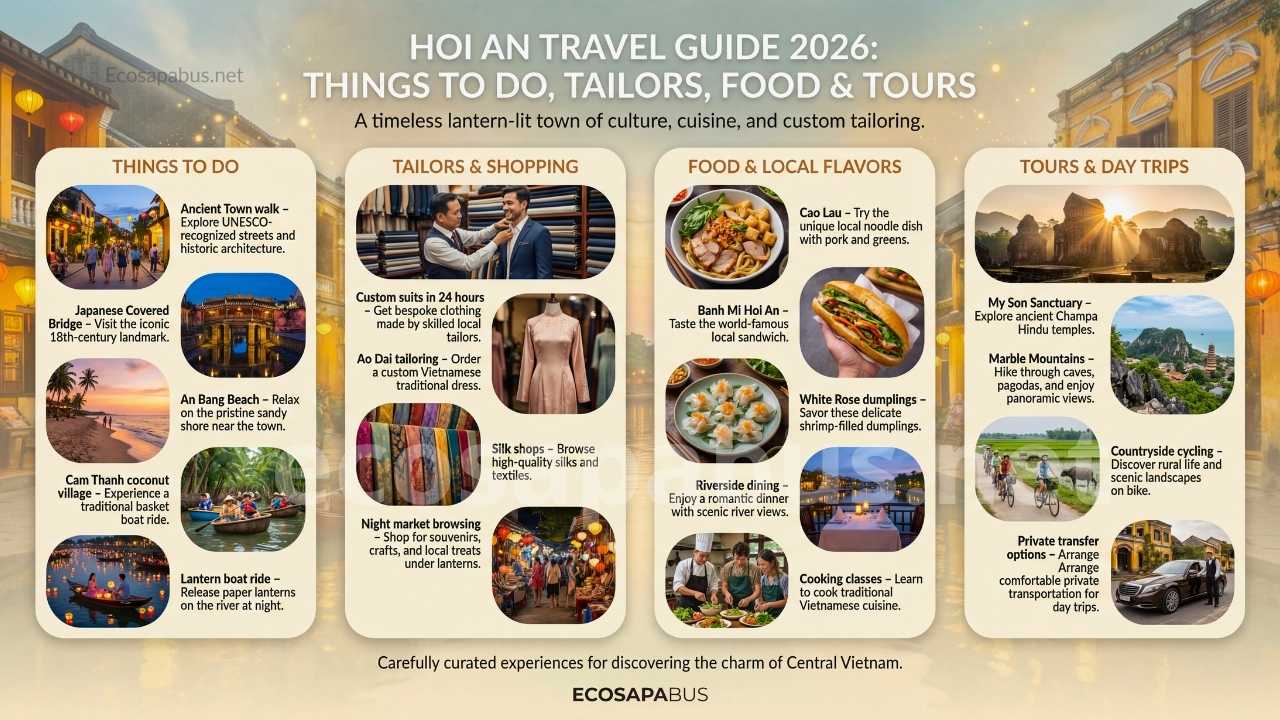
    🌤️

    Best Time to Visit

    September – October (Golden rice harvest)

    🚗

    Distance from Hanoi

    300km (6-7 hours by car)

    💰

    Average Budget

    $80-120 per person (3 days)

    ⏱️

    Recommended Duration

    2-3 days minimum


    Cao Bang – The Untouched Beauty of Northern Vietnam

    Cao Bang is a mountainous province in northern Vietnam, bordering China, renowned for its spectacular waterfalls, emerald valleys, and authentic ethnic minority culture. This is the perfect destination for those who love exploring pristine nature, photography, and experiencing highland life.

    Why Visit Cao Bang?

    • Ban Gioc Waterfall – one of the most beautiful waterfalls in Southeast Asia
    • Majestic karst limestone mountain landscapes
    • Less crowded than Sapa or Ha Giang
    • Rich culture of Tay, Nung, Dao, and Hmong ethnic groups
    • Golden terraced rice fields in autumn season
    • Authentic local cuisine: ant egg cakes, roasted chestnuts, smoked buffalo meat

    Unlike Sapa or Halong Bay which have become crowded with tourists, Cao Bang retains its pristine, peaceful character. You can freely explore ethnic minority villages, trek through green valleys, or simply sit and admire the terraced rice fields cascading down mountain slopes.


    🌟 Special Offer

    Hanoi – Cao Bang Complete Package with EcoSapa Bus

    Premium limousine + local guide + 3 days 2 nights itinerary from $159 per person

    ✓ Modern 9-16 seat limousine
    ✓ Experienced local driver-guide
    ✓ Flexible, customizable itinerary
    ✓ Ban Gioc Waterfall tickets included
    ✓ Travel insurance coverage
    ✓ Free WiFi on board
    View Tour Details

    ⚡ Book 7 days in advance – Save $10 | 🎁 Free Cao Bang travel map

    Top 11 Must-See Destinations in Cao Bang

    Cao Bang boasts numerous stunning natural landscapes and historical sites. Here are the 11 places you absolutely must visit:


    01

    Ban Gioc Waterfall – Natural Wonder

    Ban Gioc Waterfall cascading over limestone cliffs

    Ban Gioc Waterfall is Vietnam’s largest waterfall and one of Southeast Asia’s most spectacular. Located on the Quay Son River, right at the Vietnam-China border, the waterfall is 30m high and 300m wide during the rainy season.

    📍 Location:

    Trung Khanh District, 85km from Cao Bang City

    🎫 Entrance Fee:

    80,000 VND (~$3.50) per person

    ⏰ Visit Duration:

    2-3 hours
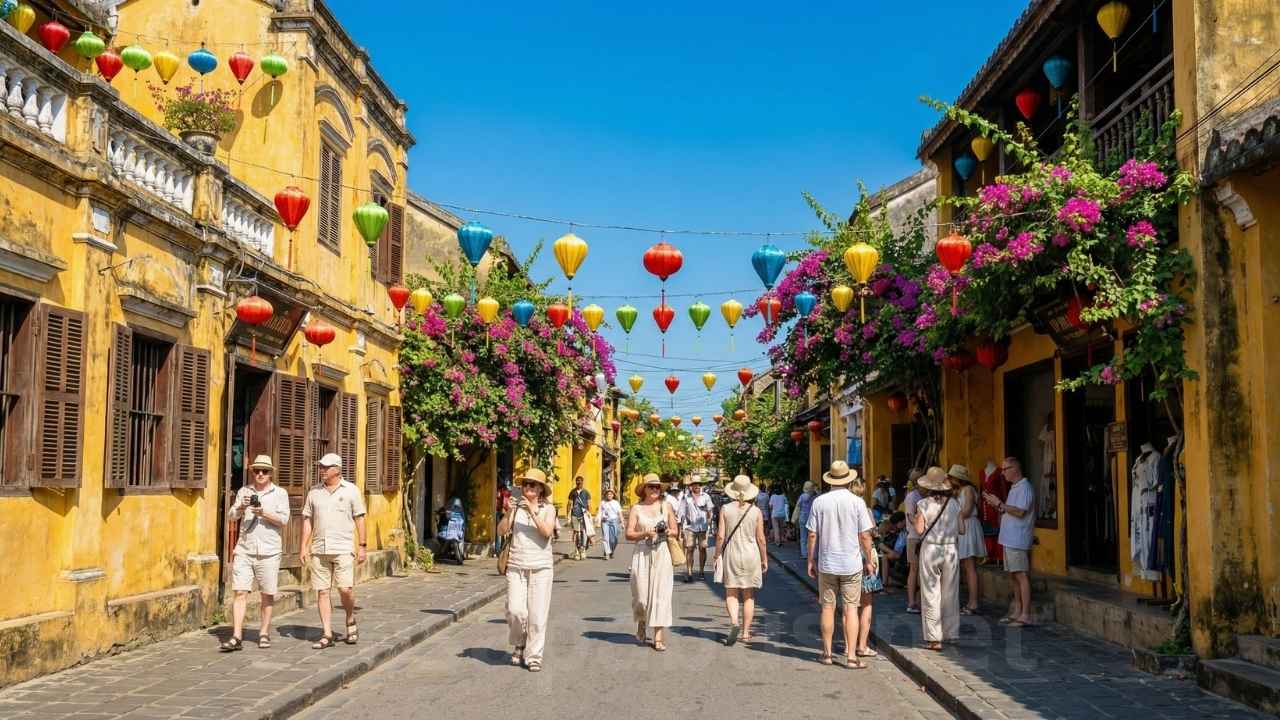
    🌊 Best Season:

    June-September (high water season)

    💡 Pro Tips:

    • Rent a bamboo raft to get close to the waterfall base (~$2.50/person)
    • Visit Phat Tich Truc Lam Ban Gioc Pagoda on the hill nearby
    • Arrive early (before 9am) to avoid crowds
    • Bring a raincoat – the mist is intense near the waterfall!
    • Visit Nguom Ngao Cave (3km away) on the same trip


    02

    Phong Nam Valley – Green Paradise

    Phong Nam Valley with rice paddies and limestone mountains

    Phong Nam Valley is one of Cao Bang’s most beautiful yet underrated destinations. This peaceful valley is flanked by towering limestone cliffs, with winding rivers and scattered ethnic Tay and Nung villages.
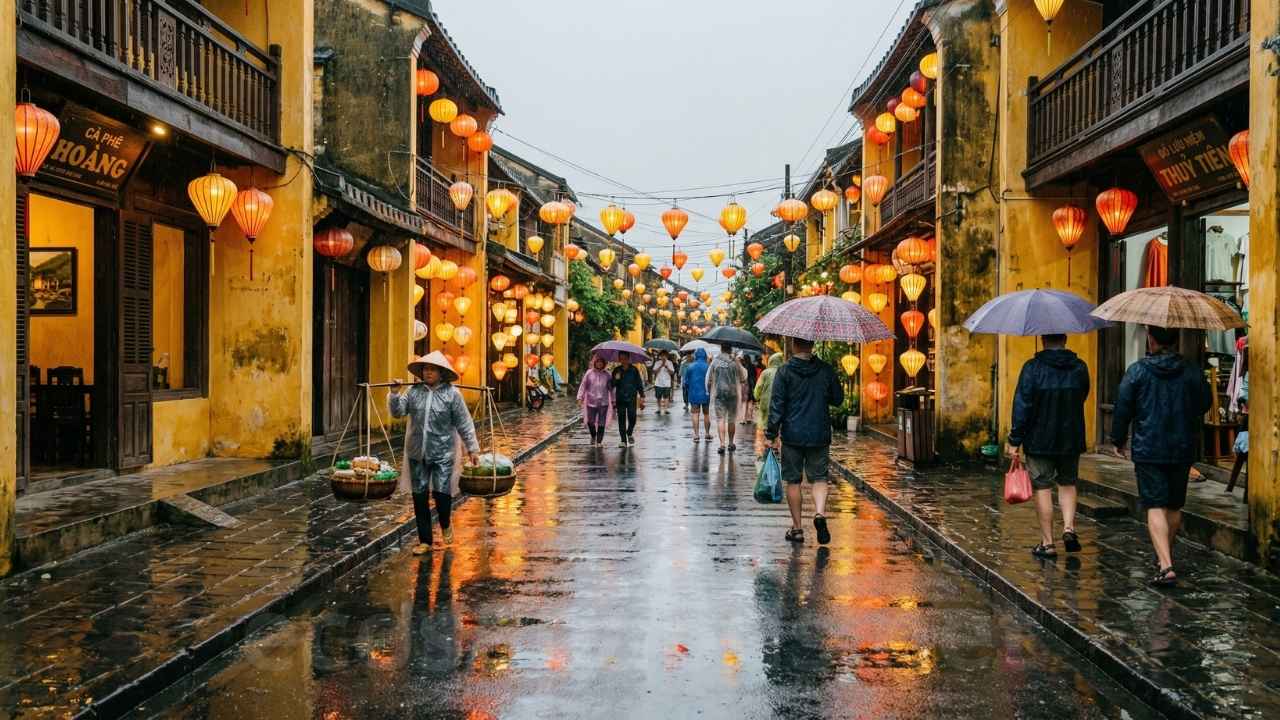
    📍 Location:

    Between Cao Bang City and Ban Gioc Waterfall

    🎫 Entrance Fee:

    Free

    ⏰ Visit Duration:

    1-2 hours driving through the valley
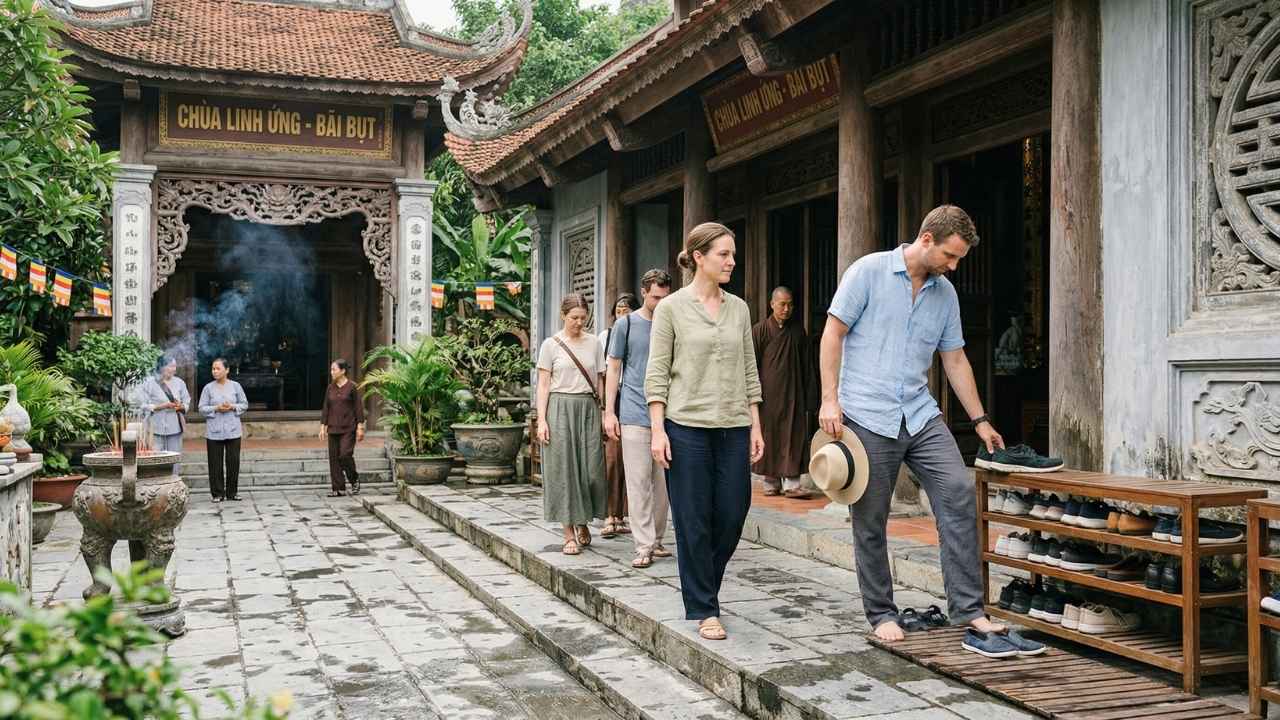
    📸 Best Photo Spot:

    Hilltop viewpoint (clearly marked)

    💡 Pro Tips:

    • Visit during rice harvest season (September-October) for golden fields
    • Rent a motorbike for flexible exploration ($12/day)
    • Stop at Phia Thap Village famous for incense making
    • Bring a drone if you have one – aerial shots are stunning!

    Many travelers compare Phong Nam to Lung Cu Valley in Ha Giang, but Phong Nam is much less crowded and more peaceful.


    03

    Angel Eye Mountain (Nui Thung) – Geological Wonder

    Angel Eye Mountain with circular hole through limestone peak

    Angel Eye Mountain (also called Nui Thung) is a limestone mountain with a massive circular hole through its peak, resembling “God’s eye” looking down on earth. This rare geological formation is one of the most unique sights in Vietnam.

    📍 Location:

    Near Ban Gioc Waterfall, ~10km away

    🎫 Entrance Fee:

    Free (possible small parking fee)

    ⏰ Visit Duration:

    30 minutes – 1 hour

    🏃 Activities:

    Photography, picnic, camping

    💡 Pro Tips:

    • Best photo time: Early morning or late afternoon (beautiful light)
    • Can camp overnight here (bring your own gear)
    • Nearby Tuyet Tinh Coc Lake is also worth visiting
    • Road access can be rough – SUV or motorbike recommended

    More Amazing Destinations:

    04. Me Pja Pass – Winding Mountain Road

    Famous pass in western Cao Bang with 14 hairpin turns carved into the mountainside. Trek to the viewpoint for panoramic valley views.

    05. Bao Lac – Home of Black Lolo People

    Remote district where Vietnam’s Black Lolo ethnic minority lives. Visit Khuoi Khon Village and the colorful Saturday market.

    06. Phia Oac – Phia Den National Park

    High-altitude forest with cool climate, hiking trails, and stunning views. One of the few places in Vietnam where you might see snow in winter!

    07. Nguom Ngao Cave

    2,144m long limestone cave with spectacular stalactites and stalagmites. Only 3km from Ban Gioc Waterfall – easy to combine.

    08. Pac Bo Cave – Historical Site

    Where President Ho Chi Minh returned to Vietnam in 1941 and conducted revolutionary activities. Beautiful mountain scenery and crystal-clear stream.

    09. Thang Hen Lake

    System of 36 pristine blue lakes nestled among limestone mountains. Great for swimming, kayaking, and trekking.

    10. Vinh Quy Grass Hill

    Rolling green or golden grass hills (depending on season) stretching endlessly. Amazing photo spot that few tourists know about.

    11. Khuoi Ky Stone Village

    Ancient village with 40+ houses built entirely from mountain stone, showcasing traditional architecture. Homestays available for authentic experience.


    🚗

    Private Limousine Rental Hanoi – Cao Bang

    Explore Cao Bang at your own pace with EcoSapa Bus premium limousine service

    9-Seater Limousine
    $110
    per day
    16-Seater Limousine
    $140
    per day
    ✓ Experienced driver familiar with local routes
    ✓ New vehicles with A/C and massage seats
    ✓ Free 4G WiFi onboard
    ✓ Complimentary water and cold towels
    ✓ Flexible itinerary – stop whenever you want
    Book Limousine Now

    2-3 Day Cao Bang Itinerary

    Here’s our recommended itinerary to explore Cao Bang’s highlights in 2-3 days:

    Day 1

    Hanoi → Cao Bang → Ban Gioc Waterfall

    06:00
    Depart from Hanoi

    EcoSapa Bus limousine picks you up from your hotel in Hanoi

    12:00
    Lunch stop at Thai Nguyen/Bac Kan

    Enjoy local cuisine

    14:00
    Arrive Cao Bang, check-in hotel/homestay

    Rest or explore Cao Bang City

    15:00
    Depart for Ban Gioc Waterfall

    Drive through scenic Ma Phuc Pass, enjoy valley views

    17:00
    Arrive at Ban Gioc Waterfall

    Visit waterfall, take photos, rent bamboo raft

    19:00
    Check-in homestay near Ban Gioc

    Dinner and rest

    Day 2

    Phong Nam Valley → Angel Eye Mountain → Return to Hanoi

    07:00
    Breakfast and check-out

    Visit Phat Tich Truc Lam Pagoda if you haven’t yet

    08:00
    Explore Phong Nam Valley

    Drive through the valley, stop at viewpoint for photos

    10:00
    Visit Angel Eye Mountain + Tuyet Tinh Coc Lake

    Photos and picnic

    12:00
    Lunch at Trung Khanh or on the road
    13:00
    Depart back to Hanoi

    Or stay one more night in Cao Bang (see 3-day option)

    19:00
    Arrive Hanoi

    End of trip

    Want to extend to 3 days?

    A 3-day itinerary allows you to explore deeper with Bao Lac, Me Pja Pass, Pac Bo Cave, and more ethnic villages. Contact EcoSapa Bus for detailed 3-day itinerary!


    Best Time to Visit Cao Bang

    Cao Bang is beautiful year-round, but each season offers a different experience. Here’s a month-by-month breakdown:

    ⭐ Best Season

    🍂 Autumn (Sep – Oct)

    Highlights:

    • Golden rice harvest on terraced fields
    • Pleasant weather, minimal rain
    • Ban Gioc still has strong water flow
    • Blue skies, perfect for photography

    🌡️ Temp: 20-28°C
    ☔ Rain: Low

    ☀️ Summer (Jun – Aug)

    Highlights:

    • Ban Gioc at its most powerful (high water)
    • Lush green landscapes
    • Young green rice paddies

    Note:

    • Afternoon rain showers common
    • Humid weather

    🌡️ Temp: 25-32°C
    ☔ Rain: High

    🌸 Spring (Feb – Apr)

    Highlights:

    • Comfortable weather
    • Peach and plum blossoms (Feb-Mar)
    • Fewer tourists

    Drawbacks:

    • Ban Gioc has less water (dry season)
    • Landscapes not as green

    🌡️ Temp: 15-25°C
    ☔ Rain: Low

    ❄️ Winter (Nov – Jan)

    Highlights:

    • Clear, dry weather
    • Possible fog (romantic scenery)
    • Low season prices

    Drawbacks:

    • Cold at night (need warm clothes)
    • Ban Gioc has least water
    • Trees are dry

    🌡️ Temp: 10-18°C
    ☔ Rain: Very Low

    💡 EcoSapa Bus Recommendation:

    For the absolute best Cao Bang experience, visit in September or October. This is when rice fields turn golden, weather is perfect, waterfalls still have good flow, and crowds are smaller than Sapa or Ha Giang.

    If you want to see Ban Gioc at its most powerful, visit June-August (rainy season), but prepare for afternoon showers.

    How to Get to Cao Bang from Hanoi

    Cao Bang is in the remote northern mountains, 300km from Hanoi. There’s no airport or train station, so the only way is by road.

    🚐

    Private Limousine (Recommended – EcoSapa Bus)

    Duration:

    6-7 hours (depending on pickup point)

    Price:

    $110-140/day (whole vehicle, 9-16 seats)

    Advantages:

    • ✓ Flexible itinerary – stop anywhere you want
    • ✓ New vehicles with massage seats, WiFi 4G
    • ✓ Experienced driver who knows local routes
    • ✓ Hotel pickup/drop-off in Hanoi
    • ✓ Perfect for families or groups of 4-16 people
    • ✓ No waiting for other passengers


    🚌

    Public Bus/Sleeper Bus

    Duration:

    6-8 hours

    Price:

    $8-12 per person

    Departure:

    My Dinh Bus Station, Hanoi

    Bus Companies:

    Hang Nguyen, Phuong Anh, Minh Ngoc

    Advantages:

    • ✓ Cheapest option
    • ✓ Sleeper buses available (travel overnight)

    Disadvantages:

    • ✗ No flexible itinerary
    • ✗ Must go to My Dinh Bus Station (far from city center)
    • ✗ Can be crowded, cramped, noisy
    • ✗ Fixed departure times

    🏍️

    Motorbike (Self-Drive)

    Duration:

    8-10 hours

    Rental:

    $6-8/day (in Hanoi)

    Advantages:

    • ✓ Complete freedom to explore
    • ✓ Stop for photos anytime
    • ✓ Cheap (if traveling in group)

    Requirements:

    • ⚠️ Must have A2 motorbike license
    • ⚠️ Experience with long-distance mountain riding
    • ⚠️ Good physical fitness (long, tiring journey)

    💡 Note: The road from Hanoi to Cao Bang has many mountain passes and sharp curves. Only suitable for experienced riders. Inexperienced riders should choose limousine or bus.

    🚗 Combine Your Northern Vietnam Trip

    EcoSapa Bus offers convenient connections between popular northern destinations:

    → Hanoi Travel Guide
    → Hanoi to Sapa
    → Hanoi to Ha Giang
    → Hanoi to Ninh Binh
    → Hanoi to Halong Bay

    Frequently Asked Questions (FAQ)

    Minimum 2 days 1 night to see Ban Gioc Waterfall and Phong Nam Valley. However, we recommend 3 days 2 nights to also explore Bao Lac, Me Pja Pass, Angel Eye Mountain and ethnic villages. If you have time, 4-5 days allows deeper exploration of remote areas.

    Average cost per person for 3 days 2 nights:

    • Bus round-trip: $20
    • Homestay/hotel: $16 ($8/night x 2)
    • Meals: $24 ($8/day x 3)
    • Entrance fees: $8
    • Motorbike rental/fuel: $12

    Total: ~$80/person (budget travel)

    If traveling by private limousine with 8 people, add only ~$20/person for much more comfort.

    Both are beautiful but different:

    • Cao Bang: Spectacular waterfalls, green valleys, fewer tourists, cheaper, good for those who like peace and quiet
    • Ha Giang: More challenging mountain passes, buckwheat flowers, many viewpoints, suitable for adventure riders

    If you prefer pristine nature and avoiding crowds, choose Cao Bang. If you like challenges and dangerous mountain passes, choose Ha Giang. Why not visit both?

    Ban Gioc is most impressive during June-September (rainy season). The water flows powerfully, creating spectacular white foam. However, this season has frequent rain.

    If you want good weather with still-full waterfall, visit early October – enough water, dry weather, and golden rice fields.

    Highly recommended! Especially if you:

    • ✓ Travel in groups of 4-8 people (cost-effective when split)
    • ✓ Want flexible itinerary and photo stops anytime
    • ✓ Don’t want to drive long distances yourself
    • ✓ Want local driver to suggest hidden gems
    • ✓ Value comfort – new vehicles, massage seats, WiFi, water

    Much more comfortable than public bus, and you control your own schedule!

    Cao Bang is very safe. Local people are friendly, and pickpocketing/scams are rare. However:

    • ⚠️ Be careful driving on mountain passes (narrow roads, sharp curves)
    • ⚠️ Don’t trek far or into forests alone
    • ⚠️ Bring enough cash (not all places have ATMs)

    Overall, Cao Bang is one of the safest destinations in Vietnam.

    Ready to Explore Cao Bang?

    Let EcoSapa Bus be your companion on this incredible journey!

    🎒 Complete Package

    3D2N itinerary with vehicle, guide, hotel, tickets

    From $159/person
    View Package

    🚗 Private Limousine

    9-16 seat limousine + driver, flexible itinerary

    From $110/day
    Book Limousine

    💬 Free Consultation

    EcoSapa Bus team helps plan itinerary, suggest destinations

    100% Free

    📞 Hotline: +84 84 228 6886 (24/7)

    ✉️ Email: ecosapavipbus@gmail.com

    💬 WhatsApp: +84 84 228 6886

    ⭐⭐⭐⭐⭐

    4.9/5 from 1,200+ customers


    📞 Call Now


    Get Special Price!

    Chat on WhatsApp now