Ninh Binh Travel Guide: Scams, Tips & “Halong on Land”
Best TimeMay – June
Duration2 Days
From Hanoi2 Hours
HighlightsBoat Tours
VibePeaceful
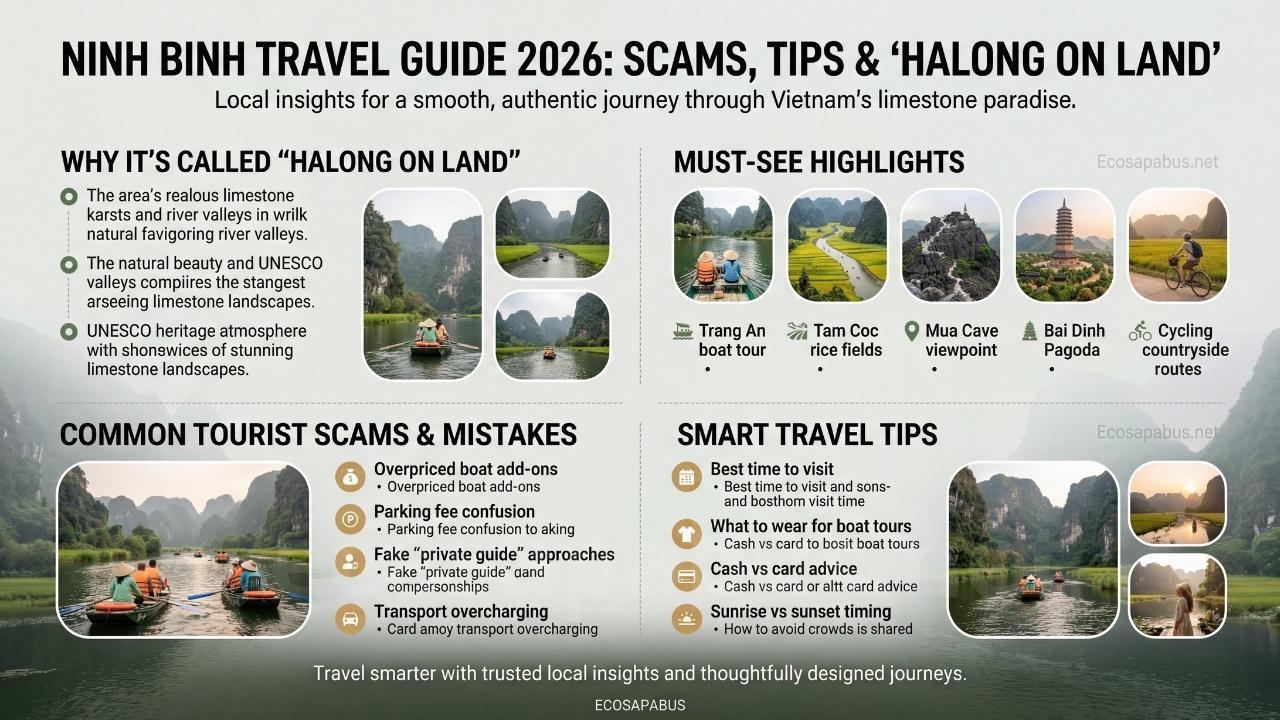
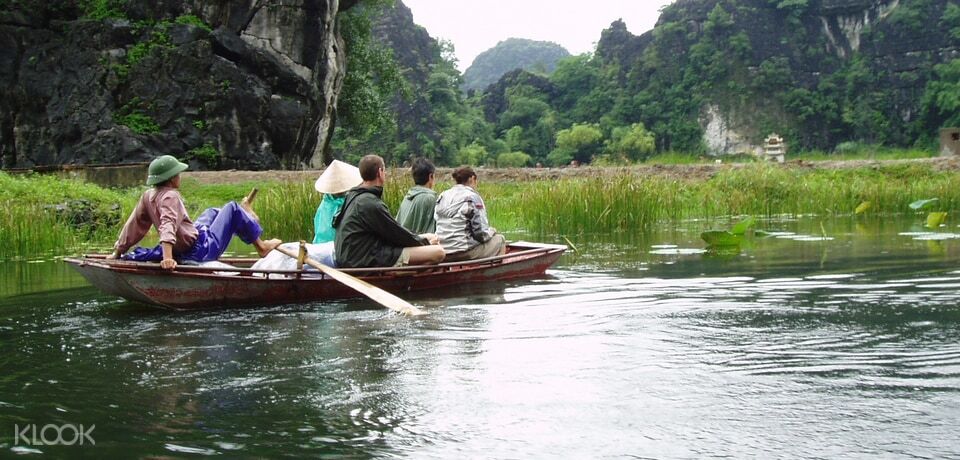
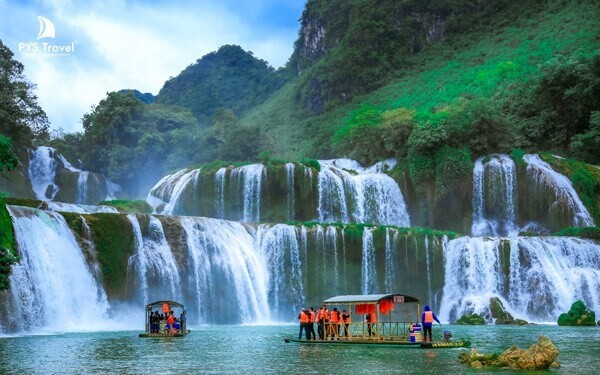
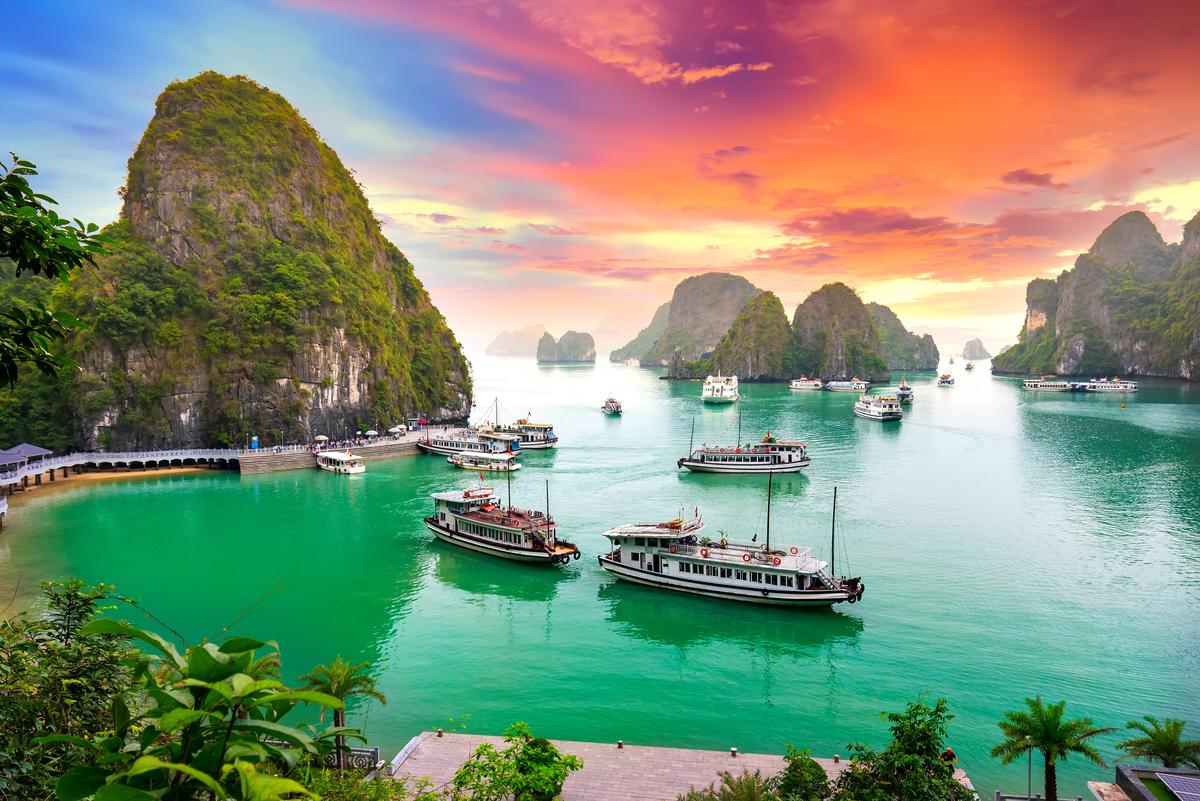
Often referred to as “Halong Bay on Land” by international media, Ninh Binh is arguably the most breathtakingly peaceful province in Northern Vietnam. Instead of cruising on a large ship across the ocean, you will be rowed in a tiny wooden boat down serene rivers that cut directly through massive, towering limestone karsts and vibrant green rice paddies.
While many tourists rush here from Hanoi on a frantic day trip, Ninh Binh truly deserves at least two full days. However, because of its extreme popularity, this rural paradise has developed a few annoying tourist traps and confusing choices (like the endless debate between visiting Trang An or Tam Coc). This guide bypasses the generic advice to give you the raw, unfiltered truth on how to experience Ninh Binh like a true local.
📍 The Ultimate Ninh Binh Guide
Part 1: The Local Survival Guide
1. The Big Debate: Trang An vs. Tam Coc vs. Van Long
You probably only have the time and budget for one boat ride. The internet is highly divided on this, so here is the honest breakdown to help you choose:
Trang An (The Polished Star)
A UNESCO World Heritage site. Highly regulated, zero hawkers, and incredibly clean. You glide through massive deep-water caves (some up to 1km long). It feels like a massive, pristine nature reserve. Verdict: Highly Recommended for first-timers.
Tam Coc (The Classic Beauty)
The route takes you directly through the famous rice paddies. If you visit in late May, the river is flanked by bright golden rice. However, it is plagued by aggressive floating vendors and rowers asking for tips. Verdict: Best only during harvest season.
Van Long Nature Reserve (The Hidden Gem)
Far less touristy. No caves, but perfectly still water acting as a giant mirror for the mountains. You might spot the endangered Delacour’s Langur monkey. Verdict: Best for introverts and nature photographers.
2. Scams to Avoid: The Drink Scam & Fake Parking
While Northern Vietnam is generally very safe, the high influx of tourists in the Tam Coc area has created a few annoying traps.
🚨 The Tam Coc “Exhausted Rower” Scam
If you choose the Tam Coc boat ride, be prepared for the turnaround point inside the last cave. Floating vendors will aggressively approach your boat, grab the edges, and demand that you buy a drink (usually an overpriced Coke or Red Bull) for your rower. They will say the rower is “exhausted and thirsty.”
The Catch: Your rower is often in on the scam. If you buy the $3 drink for them, they won’t open it. They will return the intact can to the vendor later and split the profit. Do not feel pressured or guilty. Politely but firmly say “No, thank you.” If you want to reward your hardworking rower, hand them a cash tip (50,000 VND) directly when you step off the boat at the end.
🚨 The Fake Parking Mafia (Near Hang Mua & Trang An)
If you rent a scooter or bicycle, locals will literally run into the middle of the road waving flags and blowing whistles hundreds of meters before the actual entrance of Hang Mua or Trang An. They will yell “Parking here! Road closed!”
The Catch: The road is not closed. They are trying to force you into their private parking lot, charging you double, and making you walk an extra kilometer in the heat. Ignore them. Drive straight past them until you hit the official ticket barrier.
3. Hang Mua (Mua Cave): Don’t Make This Mistake
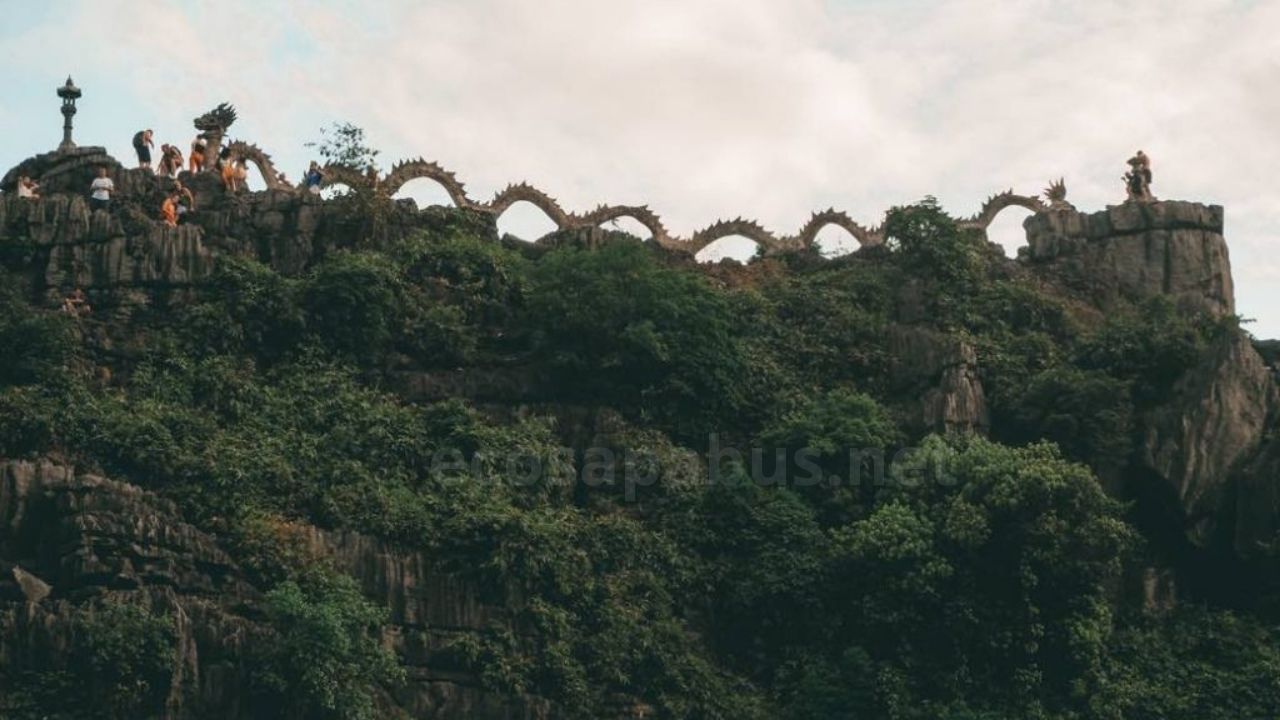
Hang Mua is famous for the incredible stone dragon statue sitting atop a jagged mountain. To get there, you must climb 500 uneven, terrifyingly steep stone steps. Do not do this at 2:00 PM. The midday heat in Vietnam is brutal, and the stairs offer zero shade. Furthermore, by 9:00 AM, the peak is swarming with tourists blocking the narrow path.
💡 The Local Tip for Hang Mua
Wake up at 5:30 AM. Rent a bicycle and arrive at the ticket gate exactly when it opens at 6:00 AM. You will climb the stairs in the cool morning mist and have the dragon entirely to yourself. Also, halfway up the mountain, the path splits: Left goes to the Dragon (the famous view), Right goes to a small Pagoda. Do the left side first!
4. When to Go: Rice Harvest vs. Lotus Season
Ninh Binh changes colors dramatically depending on the month:
Late May to Early June (The Golden Season): This is the absolute best time to visit Tam Coc. The rice paddies along the river turn a brilliant, glowing golden yellow right before the harvest.
June to July (Lotus Season): The lakes and ponds around Hang Mua and Bich Dong explode with massive, blooming pink lotus flowers.
October to November: The weather cools down perfectly, making cycling and mountain climbing incredibly pleasant.
Part 2: Top Attractions in Ninh Binh
05. The Must-Do Experience
Take the Trang An Boat Tour (Route 3)
250,000 VND / Ticket
3 Hours Duration
When you arrive at the massive Trang An ticket counter, you will be asked to choose between Route 1, Route 2, or Route 3. We strongly advise choosing Route 3.
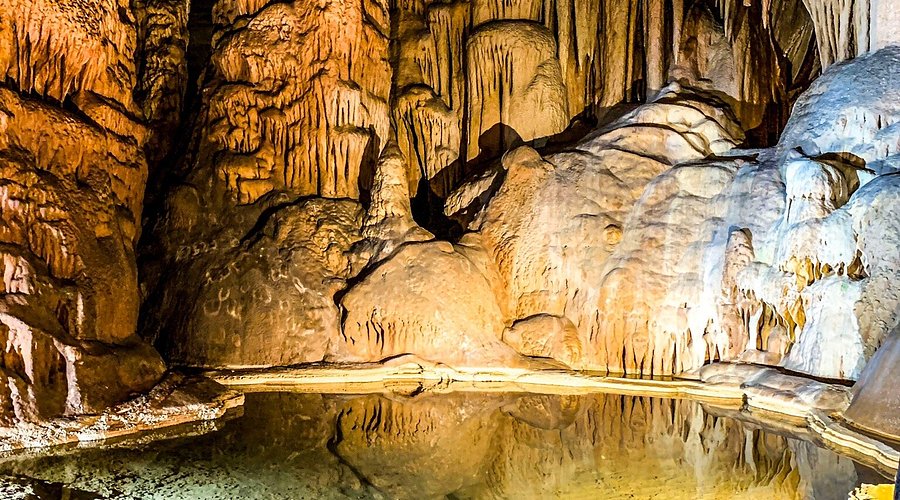
Route 3 offers the best balance of open scenery and spectacular caves. It features the longest limestone cave in the complex (Dot Cave, exactly 1,000 meters long). The ceiling is so low that you actually have to duck your head to avoid hitting the stalactites! The route also stops at the beautiful Suoi Tien Temple, hidden deep within the karsts.
06. Best Viewpoint
Conquer Hang Mua (Mua Cave)
100,000 VND / Ticket
500 Stone Steps
This is where you get the famous “Dragon Mountain” Instagram photo. You will climb 500 steep, uneven stone steps to the summit. From the top, you get a breathtaking 360-degree panoramic view looking directly down into the Tam Coc river valley where tiny boats drift between the rice paddies.
Reminder: Do not climb this at midday. Arrive at 6:00 AM to avoid the brutal heat and the massive crowds.
07. Historic Architecture
Discover Bich Dong Pagoda
Free Entry (Pay for parking)
Ancient Temple
Just a short bicycle ride from the center of Tam Coc lies Bich Dong Pagoda. The entrance to this ancient temple is one of the most photographed spots in Vietnam—a beautiful arched stone bridge crossing a moat covered in lotus pads, leading to a dark, mystical gate built directly into the mountain.
You will climb dark, bat-filled stone stairs inside the mountain to reach the highest temple level, which offers a fantastic view of the surrounding countryside.
08. Record-Breaking Scale
Explore the Massive Bai Dinh Complex
Electric Buggy: 60,000 VND
Half-Day Trip
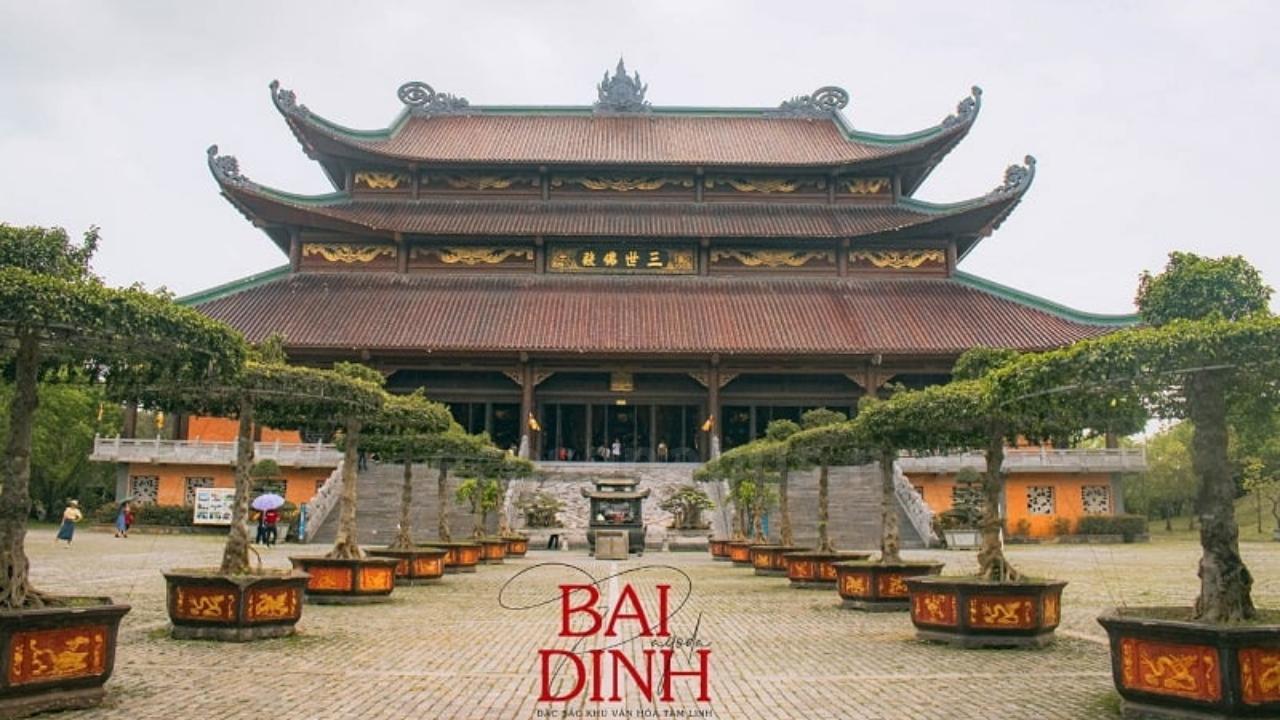
Bai Dinh is the largest Buddhist complex in Southeast Asia. It is overwhelmingly huge, covering 539 hectares. It holds multiple records, including the largest bronze Buddha statue in Asia (weighing 100 tons) and the longest corridor of Arhat statues.
Because of its massive scale, you must buy a ticket for the electric buggy (Xe điện) just to get from the parking lot to the main gate. Expect to spend at least 2.5 hours walking here.
09. Nature at Sunset
Sunset at Thung Nham Bird Park
150,000 VND / Ticket
Best time: 5:00 PM
Located a bit further out from Tam Coc, Thung Nham is a massive ecological park. While the park is nice during the day, the magic happens strictly between 5:00 PM and 6:00 PM.
Hire a small rowboat into the flooded forest just as the sun begins to set. You will witness thousands of white storks and herons flying back from foraging to roost in the trees for the night. The sound of thousands of wings beating the air is a National Geographic-level experience.
Part 3: Essential Logistics
10. Where to Stay: Tam Coc or Trang An?
Do not stay in Ninh Binh City center. It is a loud, dusty, industrial city with no charm. You want to stay near the nature.
Stay in Tam Coc: If you want convenience. Tam Coc is the “backpacker hub.” It has dozens of restaurants, cheap beer, massage parlors, and you can walk directly to the boat pier. Look for homestays tucked down the small alleyways to avoid street noise.
Stay in Trang An: If you want absolute silence, luxury, and romance. The accommodations here are mostly high-end eco-lodges and bungalows built right over the lotus ponds, surrounded by towering karsts. However, you will need a taxi or scooter to go out for dinner.
11. What to Eat: Goat Meat & Burned Rice
Ninh Binh’s absolute specialty is Mountain Goat (Dê Núi). Because the goats run wild on the rocky limestone mountains rather than sitting in pens, their meat is lean, tough, and highly prized. Try Dê Tái Chanh (rare goat meat cured with lime and herbs) or Goat Fried Rice. It’s best washed down with a cold local Bia Hoi.
Another must-try is Cơm Cháy (Burned Rice). Historically a peasant dish of scraped rice from the bottom of the pot, it is now deep-fried into a crispy cracker and served with a savory pork floss or goat meat dipping sauce.
12. How to Get There (Limousine vs. Train)
Ninh Binh is extremely accessible. It is located just 100km south of Hanoi. The journey takes about 2 hours.
The Train: While romantic, the train drops you off at the Ninh Binh Railway Station (in the city center). You will then have to negotiate with a taxi driver for an expensive 8km ride to your homestay in Tam Coc.
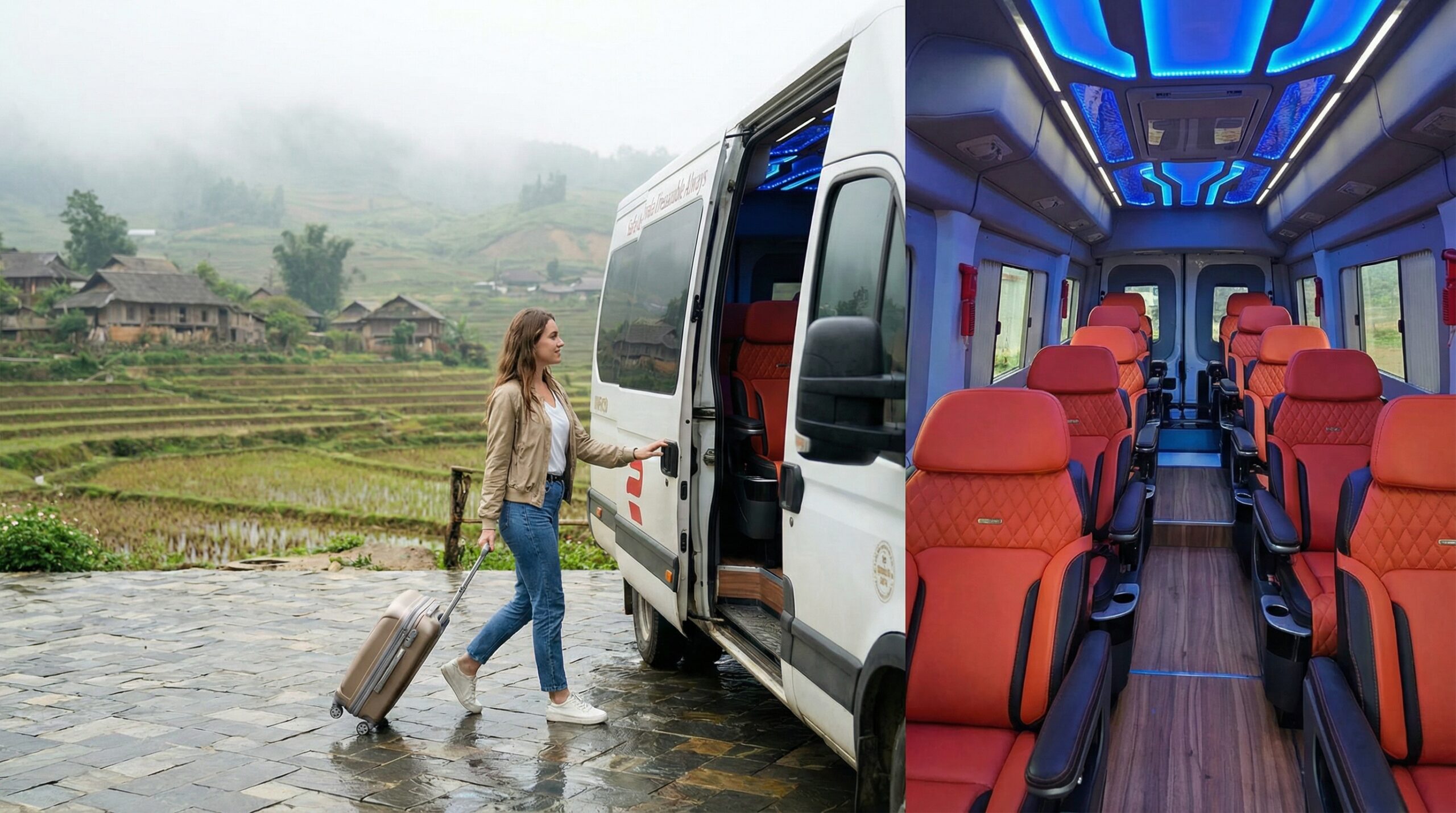
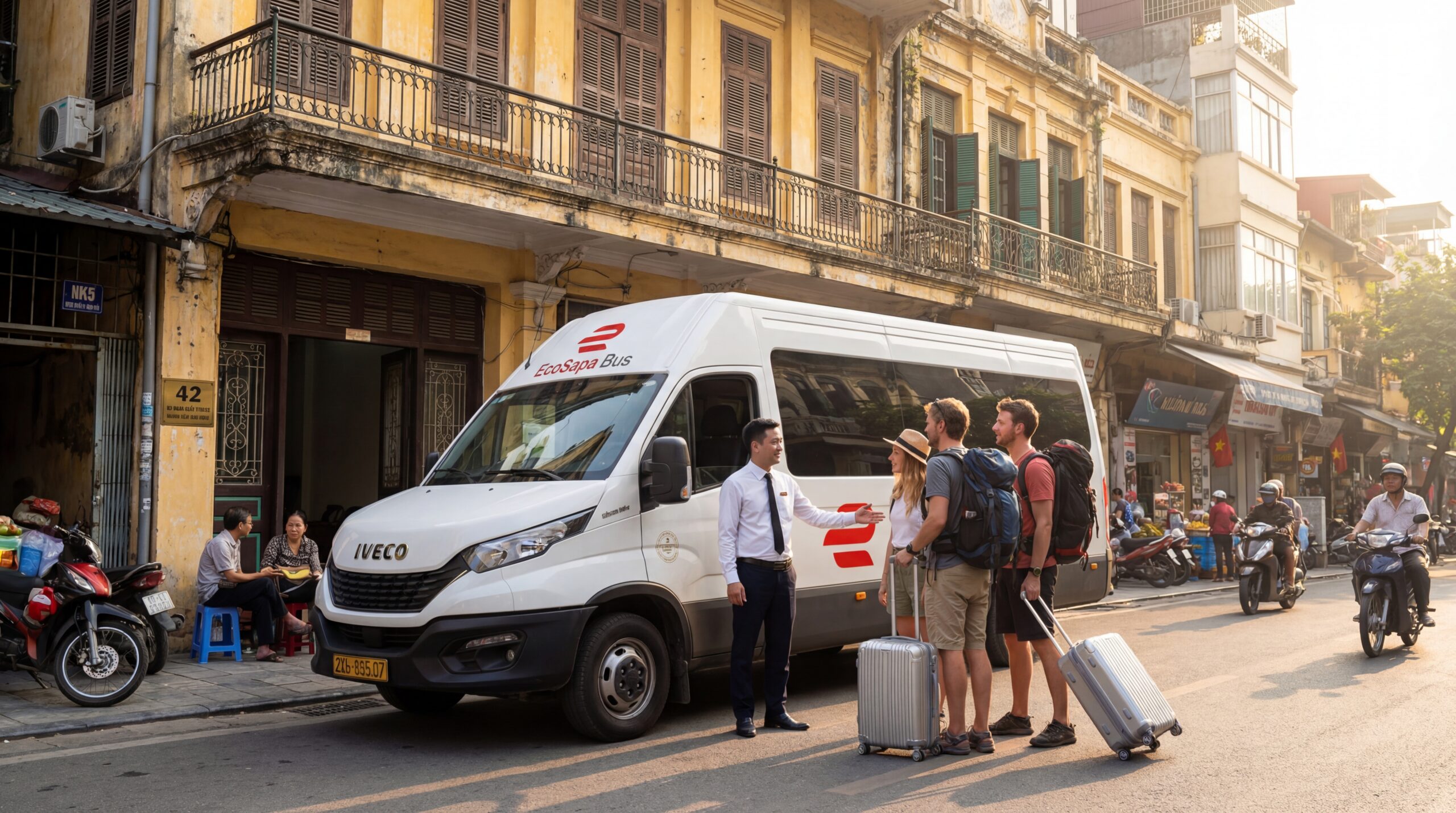
VIP Limousine Van (Recommended): This is the superior option. Luxury 9-seater Limousine vans will pick you up directly from your hotel in the Hanoi Old Quarter and drop you off directly at the door of your homestay in Tam Coc or Trang An.
Book Your Premium Transport
Skip the train station hassle. Book a VIP Limousine Van from Hanoi directly to your Ninh Binh homestay.
Continue Exploring Northern Vietnam
Ninh Binh is just the beginning. Our premium transport network connects Ninh Binh seamlessly to the rest of the North. Where are you heading next?
Comprehensive data protection terms for travelers booking with EcoSapa Travel.
SSL 256-Bit Encrypted
GDPR & CCPA Compliant
Effective Date: February 21, 2026
Welcome to EcoSapa Travel (“we,” “our,” or “us”). As a premier travel operator based in Vietnam, we serve guests from across the globe. We recognize that the confidentiality and security of your personal data are of paramount importance. This Comprehensive Privacy Policy outlines our practices regarding the collection, processing, transfer, and safeguarding of your data when you interact with our website (ecosapabus.net) and utilize our transportation and tour services.
By accessing our platform or booking our services, you expressly consent to the data practices described in this document. We strictly adhere to global privacy frameworks, including the General Data Protection Regulation (GDPR) of the European Union and the California Consumer Privacy Act (CCPA).
1. Categorization of Information We Collect
To facilitate seamless travel logistics across Northern Vietnam, we collect data through various touchpoints. We categorize this data as follows:
1.1. Voluntarily Provided Information
When you initiate a booking, request a custom itinerary, or contact our support team, you directly provide us with:
Identity Data: Full legal name, date of birth, nationality, and gender.
Travel Logistics Data: Hotel addresses in Hanoi for pick-up, flight arrival times, dietary restrictions, and specific health conditions relevant to adventure tours.
Sensitive Identification Data: Passport copies or ID numbers. Note: This is strictly requested only when mandated by Vietnamese Law for specific regions.
Why do we need your Passport details?
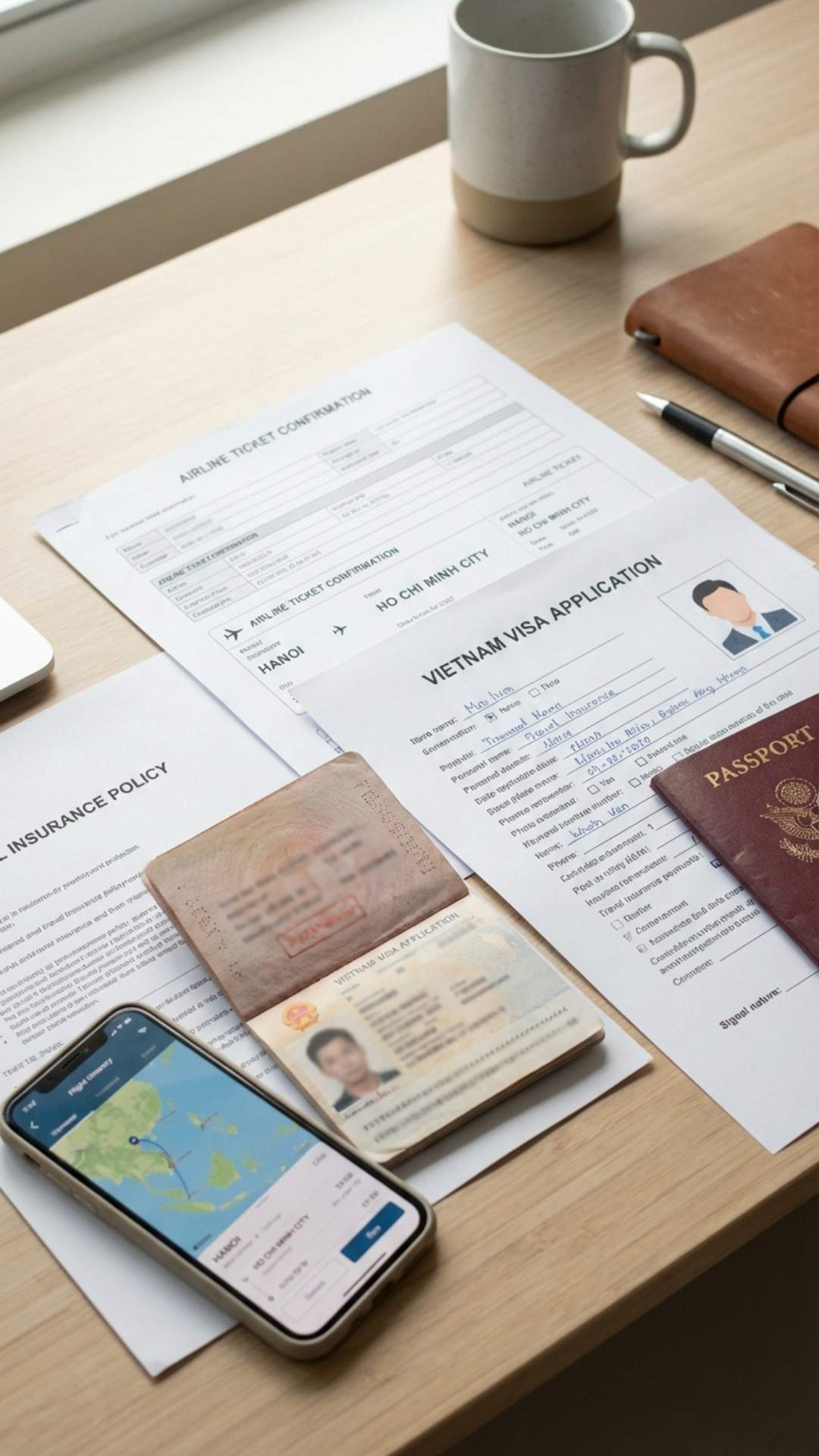
Unlike standard hotel bookings, certain activities in Vietnam require government registration. If you book an overnight cruise in Halong Bay, the Port Authority mandates passport registration before boarding.
Similarly, traveling the Ha Giang Loop requires a mandatory Border Police Permit because it is a restricted frontier zone. We collect this data solely to process these legal permits on your behalf, ensuring you are not detained or fined during your trip.
1.2. Automatically Collected Information
When you navigate our website to read guides about Sapa trekking or Ninh Binh, our servers automatically record standard analytical data, including:
Technical Data: IP address, browser type and version, time zone setting, operating system, and device type (mobile or desktop).
Usage Data: URL referring pages, the pages you visited on our site, time spent per page, and clickstream behavior.
2. Purpose of Data Processing
We process your personal data exclusively for lawful and operational purposes. We do not engage in automated decision-making or profiling that produces legal effects concerning you. We use your data to:
Contractual Fulfillment: To confirm your seats on our Limousine buses, dispatch local guides, and reserve accommodations at homestays.
Customer Support & Communication: To issue electronic tickets, provide live updates (e.g., weather delays affecting mountain passes), and respond to emergency queries.
Legal Obligations: To comply with Vietnamese immigration laws, tax reporting, and local police registry requirements.
Business Optimization: To analyze website traffic patterns to improve our content architecture and user interface.
3. Disclosure and Sharing of Your Information
Under no circumstances do we sell, rent, or lease your personal data to third-party marketers or data brokers. Information is only shared on a “need-to-know” basis with the following entities:
Operational Partners: Bus fleet drivers, local tour guides, and hotel partners who require your name and dietary preferences to execute the service you purchased.
Government Authorities: Vietnamese border control, maritime port authorities, and local police stations when legally obligated.
IT Service Providers: Secure payment gateways and cloud hosting providers that host our infrastructure under strict confidentiality agreements.
4. Cookies and Tracking Technologies
Our website utilizes Cookies to enhance functionality and analyze visitor behavior. We deploy:
Strictly Necessary Cookies: Essential for the website to function, such as maintaining your booking session securely across different pages.
Analytical Cookies: (e.g., Google Analytics) to aggregate anonymous data on how visitors interact with our travel guides.
You reserve the right to configure your browser to reject non-essential cookies. However, disabling all cookies may impair the functionality of our booking engine.
5. Data Retention Period
We retain your personal data only for as long as necessary to fulfill the purposes outlined in this policy. Specifically:
Booking Data: Retained for a period of up to 5 years following your trip to comply with Vietnamese financial auditing and tax laws.
Passport/ID Data: Deleted from our active servers within 30 days after your tour concludes, as it is no longer required for legal permits.
Marketing Data: Retained until you actively unsubscribe or request deletion.
6. International Data Transfers
EcoSapa is headquartered in Vietnam. If you are accessing our site from the European Union, the United States, or other regions, please be aware that your data is transferred to and processed in Vietnam. We ensure that such transfers are conducted securely and that our processing standards align with international norms to protect your fundamental privacy rights.
7. Children’s Privacy (COPPA Compliance)
Our services are designed for general audiences. However, we do not knowingly collect personal information directly from children under the age of 13 without verifiable parental consent. If a tour booking includes a minor, the data must be provided by the legal guardian. If we become aware that we have inadvertently collected data from a child independently, we will take immediate steps to delete such information.
8. Your Legal Rights (GDPR & CCPA)
Depending on your jurisdiction, you are entitled to rigorous data protection rights. We honor these rights for all our global customers:
Right to Access: You may request a comprehensive disclosure of the personal data we hold about you.
Right to Rectification: You may request corrections to any inaccurate or outdated information.
Right to Erasure (“Right to be Forgotten”): You may request the permanent deletion of your data from our systems, subject to legal and taxation retention mandates.
Right to Data Portability: You may request your data in a structured, machine-readable format.
Right to Non-Discrimination (CCPA): We will not discriminate against you in pricing or service quality for exercising your privacy rights.
9. Updates to This Policy
As international data laws evolve and our services expand, we may periodically update this Privacy Policy. All revisions will be posted on this URL, and the “Effective Date” at the top of the document will be amended accordingly. We encourage travelers to review this policy prior to booking.
10. Contact the Data Protection Officer
If you have any questions, concerns, or wish to exercise your data rights, please contact our dedicated support team at our official offices:
📧 Email: ecosapavipbus@gmail.com
📍 Hanoi Office: 42 Hang Giay, Old Quarter, Hanoi
📍 Sapa Office: 494 Dien Bien Phu, Sapa
⏰ Business Hours: Daily 07:00 – 22:00
Plan Your Trip with Complete Confidence
Now that you know your data is legally protected and secure, explore our most trusted local travel guides.
Sapa Travel Guide
Trekking routes, ethnic villages, and transport tips.
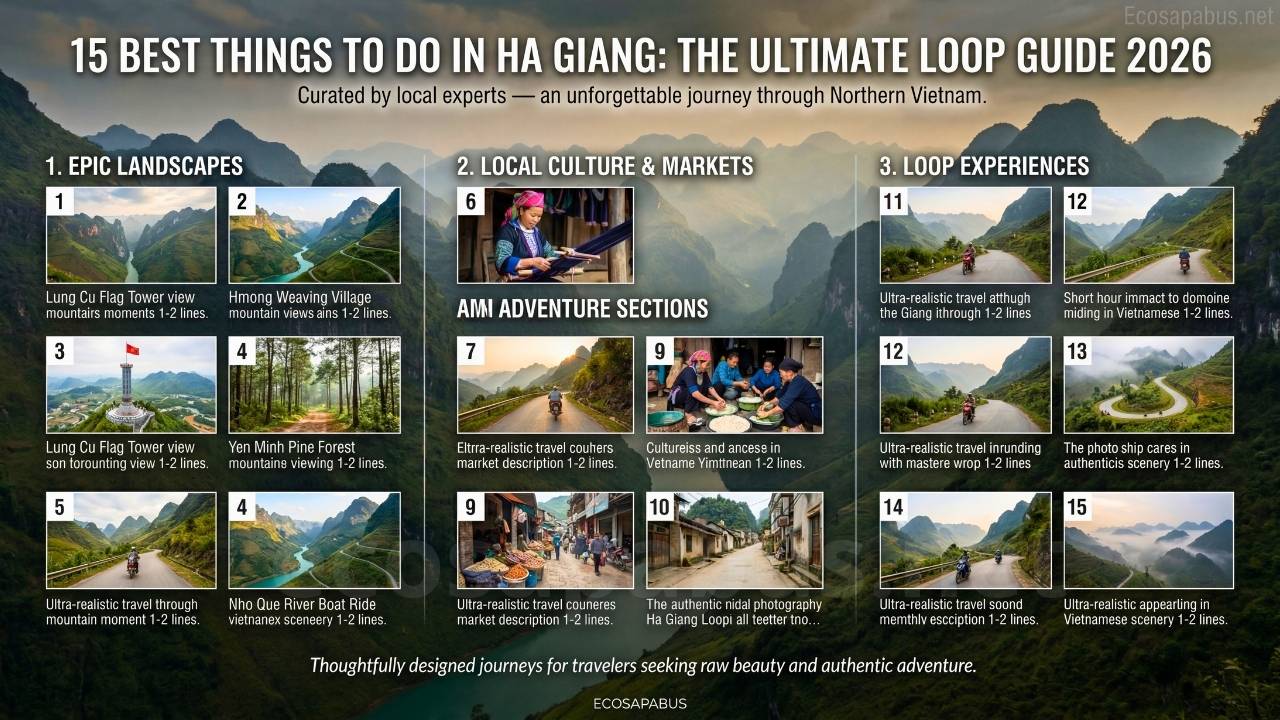
Ha Giang Loop Survival Guide: The Ultimate 15 Things to Do
Welcome to the final frontier of Vietnam. The Ha Giang Loop is not a relaxing beach vacation; it is a raw, thrilling, and physically demanding adventure. While the internet is full of pretty, drone-shot pictures of the Ma Pi Leng Pass, very few guides tell you how to actually survive the journey, what to pack, and how to deal with the local police.
Written by local riders who have done the loop countless times, this is your ultimate “Survival & Travel Guide”. We cover the unglamorous but crucial details: where to find an ATM, exact cash denominations to bring, extreme safety rules, and the bizarre but delicious local food you must try. Oh, and of course, the absolute best 15 destinations along the route.
📍 The Ultimate Ha Giang Guide
Part 1: The Survival Guide (Read Carefully)
Do not expect to use Apple Pay, Visa, or Mastercard once you leave Ha Giang City. The Loop operates 100% on cash. If you run out of money in a remote village, you have a serious problem.
💵 The “Cash is King” Rule
Where to withdraw: You MUST withdraw enough cash for your entire 3 or 4-day trip while you are still in Ha Giang City or Hanoi. There is one reliable Agribank ATM in Dong Van town, but it often runs out of cash on weekends. ATMs in Meo Vac and Yen Minh are highly unreliable for foreign cards.
How much to bring: Budget around 500,000 to 800,000 VND ($20 – $35) per day for fuel, homestays, and food.
Crucial Tip on Denominations: Do not just bring 500,000 VND notes. When you buy a bottle of water (10,000 VND) from an old Hmong woman on the side of a mountain, she will NOT have change for a 500k note. Ask your hotel in Hanoi to break your money into 50k, 100k, and 200k notes.
Torn Notes: Vietnamese locals will reject torn or heavily creased polymer notes. Keep your money crisp and flat in a wallet.
2. Packing List: The “Onion” Technique
Leave your massive 20kg suitcase at your hostel in Hanoi or Ha Giang City. You only need a small 10L – 15L waterproof daypack securely strapped to the back of the bike.
The “Onion” Technique (Layers): The weather in the mountains is bipolar. It can be blistering hot at the bottom of the valley and freezing cold with thick fog at the top of the pass. Bring a t-shirt, a warm fleece sweater, and a windbreaker. Peel them off or put them on as the elevation changes.
Rain Gear: The $1 plastic ponchos will shred in the wind in 5 minutes. Buy a thick, high-quality raincoat and pants set (bộ áo mưa) in Ha Giang city before departing.
Medical Kit: Pharmacies are rare in the villages. Bring Imodium/Charcoal tablets (for an upset stomach), bandages, antiseptic cream, and painkillers.
Footwear: You will be walking on incredibly sharp limestone rocks at various viewpoints. Sneakers or light hiking boots are mandatory. Flip-flops are a terrible idea.
3. Extreme Safety Rules & Police Checks
Let’s be brutally honest: The Ha Giang Loop claims the lives of tourists every year. The roads have no guardrails, hairpin turns are entirely blind, and massive construction trucks use both lanes.
🚨 Police Checkpoints & The IDP
The Ha Giang police actively pull over foreigners. To drive legally, you must have a valid International Driving Permit (IDP) with a motorcycle endorsement from your home country. A regular car IDP is invalid. If you are caught driving illegally, your bike will be impounded for a month, you will be fined heavily, and your trip is over.
Rule 1: Honk at every blind corner. This is not rude in Vietnam; it’s how you say “I am here, please don’t hit me.”
Rule 2: Engine Braking. When going down a steep 10% gradient pass for 10 kilometers, do not just hold the brakes. Your brake pads will melt and fail. You must use a semi-manual bike and drop into 1st or 2nd gear to let the engine slow you down. If you don’t know what this means, do not self-drive.
Rule 3: Never ride after dark. There are no streetlights, buffaloes sleep in the middle of the road, and drunk drivers are unfortunately common after dinnertime.
4. The Ha Giang Permit for Foreigners
Because Ha Giang shares a sensitive border with China, all foreigners are required by law to have a Ha Giang Permit to travel through the border districts (Dong Van, Meo Vac, Quan Ba). The permit costs 230,000 VND (~$10 USD). If you book a tour, the agency handles this. If going solo, you can buy it at the Ha Giang Immigration Office or ask your hostel in Ha Giang city to issue it for you.
The Smartest Choice: Hire an Easy Rider
If you don’t have an IDP or years of manual bike experience, book an “Easy Rider”. You sit safely on the back of a bike driven by a local expert. Zero police stress, zero navigation issues, 100% scenery.
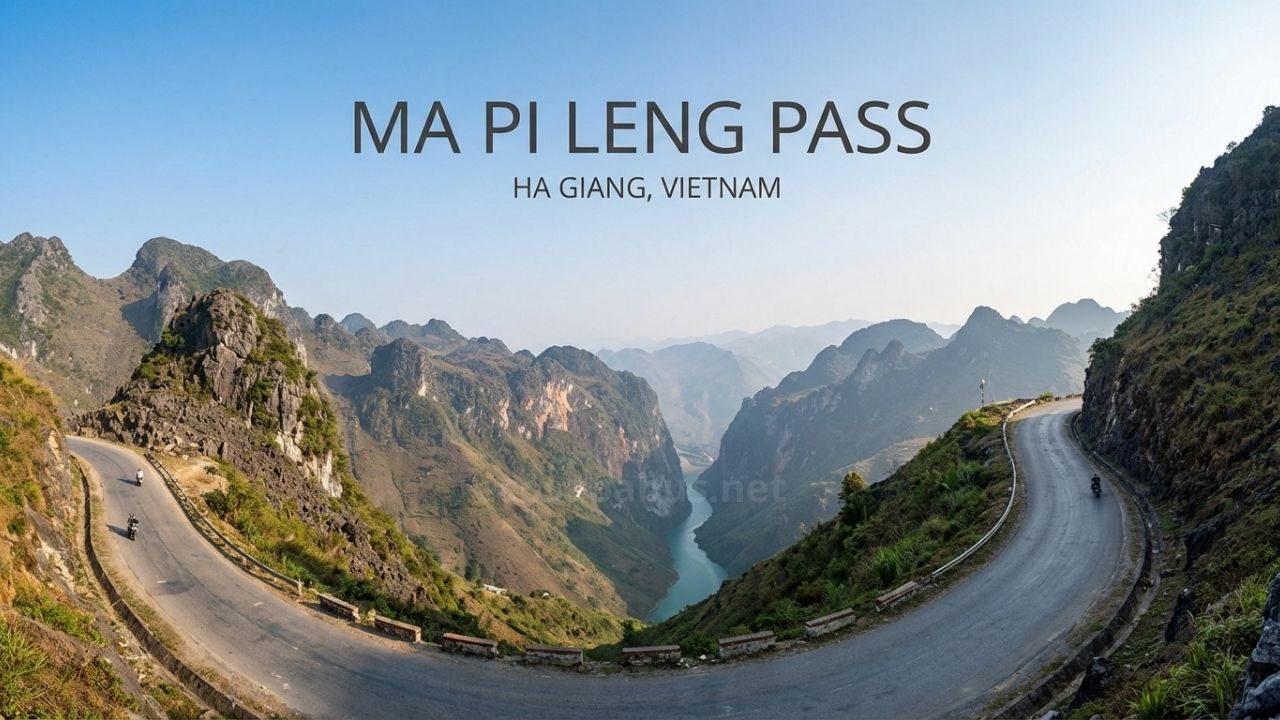
Stretching for 20 kilometers on the “Happiness Road” between Dong Van and Meo Vac, the Ma Pi Leng Pass is the undisputed king of Vietnamese passes. It was built in the 1960s by thousands of youth volunteers who literally hung from ropes to carve the road into vertical limestone cliffs.
As you ride this winding pass, you will look down a dizzying 800-meter vertical drop into the Tu San Canyon. The sheer scale makes you feel incredibly small. Stop at the Ma Pi Leng Panorama Viewpoint, order a hot coffee, and step out onto the protruding balcony. The view of the emerald river threading through the canyon below will be burned into your memory forever.
Looking at the river from the top of the pass is one thing, but experiencing it from the water level is entirely different. The Nho Que River is famous for its milky emerald-green water that flows right through the Tu San Canyon — officially the deepest canyon in Southeast Asia.
To get there, you’ll ride down an incredibly steep zig-zag path to the boat pier (many tourists hire a local “xe ôm” to drive them down this specific terrifying stretch for 50,000 VND). Once aboard the wooden boat (Ticket: 120,000 VND), the 45-minute cruise takes you right between the towering vertical cliffs. The silence at the bottom of the gorge is profound.
Located in the Sa Phin valley, this fascinating, nearly 100-year-old mansion belonged to Vuong Chinh Duc, the “King of the Hmong”. He built his massive wealth and power by controlling the cross-border opium trade in the early 20th century. The palace architecture is a highly photogenic mix of traditional Chinese, indigenous Hmong, and French influences, featuring beautiful stone carvings and yin-yang tiled roofs. Entry is a mere 20,000 VND.
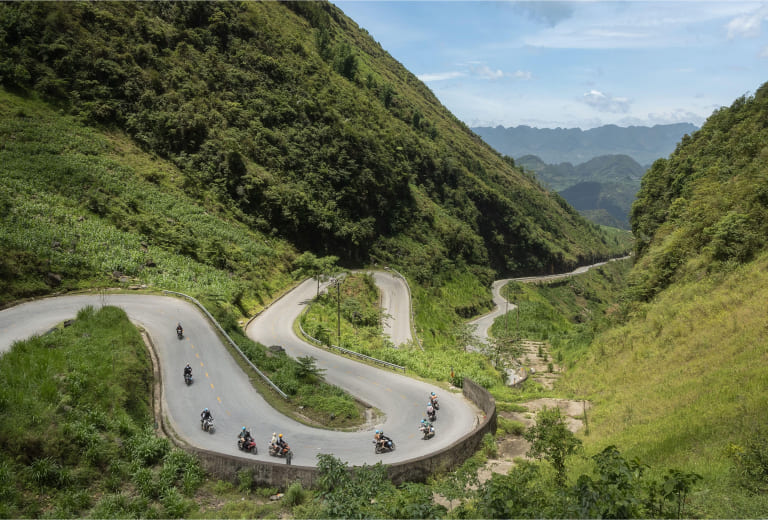
This is the iconic, snake-like stretch of road that looks like a ribbon dropped onto the mountainside. The name “Tham Ma” translates to “Testing Horses”. Historically, locals would make their horses carry heavy loads up this steep incline; the horses that made it to the top were kept for farming, while the weak ones were sold at the market. Today, it’s the most famous drone and photography spot on the Loop. You’ll often find local children here carrying baskets of bright yellow mustard flowers.
Recognized as a UNESCO Global Geopark. As you ride through this region, the green forests disappear, completely replaced by a “sea of black rocks”. These jagged limestone formations date back millions of years. It feels like riding on the surface of another planet. What’s truly astonishing is seeing how local Hmong people carry soil in baskets up the mountains just to plant a single stalk of corn in the cracks between the rocks.
Take a 1-hour detour from the main loop to reach the absolute northernmost point of Vietnam. The Lung Cu Flag Tower sits atop Dragon Mountain. Climb the 389 stone steps to the massive 54-square-meter flag (representing the 54 ethnic groups of Vietnam), and you will be rewarded with a sweeping view. You can literally look down into the rural villages and border fences of China.
Shortly after leaving Ha Giang city and climbing your first major pass, you’ll reach Heaven’s Gate (Cổng Trời). Look down into the valley, and next to the town of Tam Son, you will see two perfectly symmetrical, round green hills rising out of the flat agricultural fields. Local legend says these are the “Fairy Bosom”, left behind by a celestial fairy to nurse her earthly child. It’s the perfect spot to stop and stretch your legs on Day 1.
💡 Pro Tip: Booking Your Ride
If reading about these passes makes you nervous, remember that you don’t have to drive yourself. Booking an Easy Rider Tour is the most popular choice for Western backpackers. You get a dedicated driver, a well-maintained bike, fuel, homestays, and food all bundled into one price (usually $150 – $200 for a 3-day all-inclusive trip).
12. Get Lost in a Sunday Ethnic Market
If your itinerary puts you in Dong Van or Meo Vac on a Sunday morning, you must wake up at 6:00 AM. The weekly market is the social heartbeat of the region. Thousands of ethnic minorities (Hmong, Tay, Nung, Dao) hike down from the mountains in their vibrant, intricately embroidered traditional clothing. They come to trade buffalo, squealing pigs, agricultural tools, and homemade wine. It is chaotic, loud, colorful, and utterly authentic.
Do not expect luxury 5-star resorts here. The magic of Ha Giang is staying in places like Nam Dam Dao Village (in Quan Ba) or Lo Lo Chai village (near the Lung Cu flagpole). You will sleep in traditional rammed-earth houses with thick clay walls or wooden stilt houses. You will eat massive “family-style” dinners cooked by your host over a wood fire. Expect basic amenities (sometimes squat toilets and hard mattresses), but overwhelming hospitality.
14. Admire the Buckwheat Flower Fields
If you visit in late October or November, the harsh rocky hillsides magically transform. They are covered in delicate pink, white, and purple Buckwheat flowers (Tam Giác Mạch). It is a spectacular sight and the subject of a massive local festival. The best fields are usually found in the Sung La valley.
15. Survive the Local Food & Drink Challenge
Forget standard Pho and Banh Mi. The food in the rocky highlands is born from harsh conditions and is entirely unique. This is where you truly earn your “Local Expert” badge:
Drink “Rượu Ngô” (Corn Wine): At every homestay dinner, a plastic water bottle filled with clear liquid will appear. This is homemade Corn Wine (often 35-40% alcohol). Your host will pour you a shot. You must clink glasses with everyone at the table and shout “Một, Hai, Ba, Dô!” (1, 2, 3 Cheers!). It’s a sign of immense respect. Refusing is considered rude, but sipping slowly is acceptable.
Eat “Thắng Cố” (Horse Meat Stew): The most infamous dish of the Hmong people, found simmering in massive iron pans at Sunday markets. It’s a dark stew made from horse meat, bones, and uncleaned internal organs. It has a very distinct, funky smell. Locals eat it with a side of salt and fresh chili. Try it if you dare!
Try “Cháo Ấu Tẩu” (Poisonous Porridge): You must try this in Ha Giang City before starting the loop. It’s made from the Au Tau root, which is actually lethally poisonous if eaten raw! Locals boil it carefully for 12 hours to remove the toxins. It has a bitter taste and is only served at night. It is considered a powerful medicine to cure joint pain and help you sleep deeply.
How to get from Hanoi to Ha Giang
The journey from Hanoi covers roughly 300 kilometers. Since there are no trains or airports, the absolute best way to travel is by VIP Cabin Sleeper Bus. These luxurious buses have private, curtained pods that allow you to lie completely flat, charge your phone via USB, and sleep through the night. You leave Hanoi around 9:00 PM and wake up fresh in Ha Giang city at 4:00 AM, ready to rent your bike or meet your Easy Rider.
Book Your Hanoi to Ha Giang Bus
Secure your VIP Cabin Sleeper ticket today. Travel comfortably and arrive safely.
Where to Go After the Ha Giang Loop?
After 4 days of gripping the back of a motorbike and absorbing sensory overload, your body will crave a change of pace. Ha Giang connects perfectly to the other crown jewels of Northern Vietnam.
Trade the jagged rocks for soft, flowing green rice terraces in Sapa. You can catch a direct bus from Ha Giang to Sapa (approx. 6 hours). After the rugged loop, there is nothing better than booking a Muong Hoa Valley Trek and soaking your muscles in a traditional Red Dao herbal bath.
If you are tired of the mountains, head back to the coast. Treat yourself to absolute luxury by booking an overnight cruise on Halong Bay. If you have the budget, the Halong Seaplane Tour offers aerial views that rival the Ma Pi Leng pass.
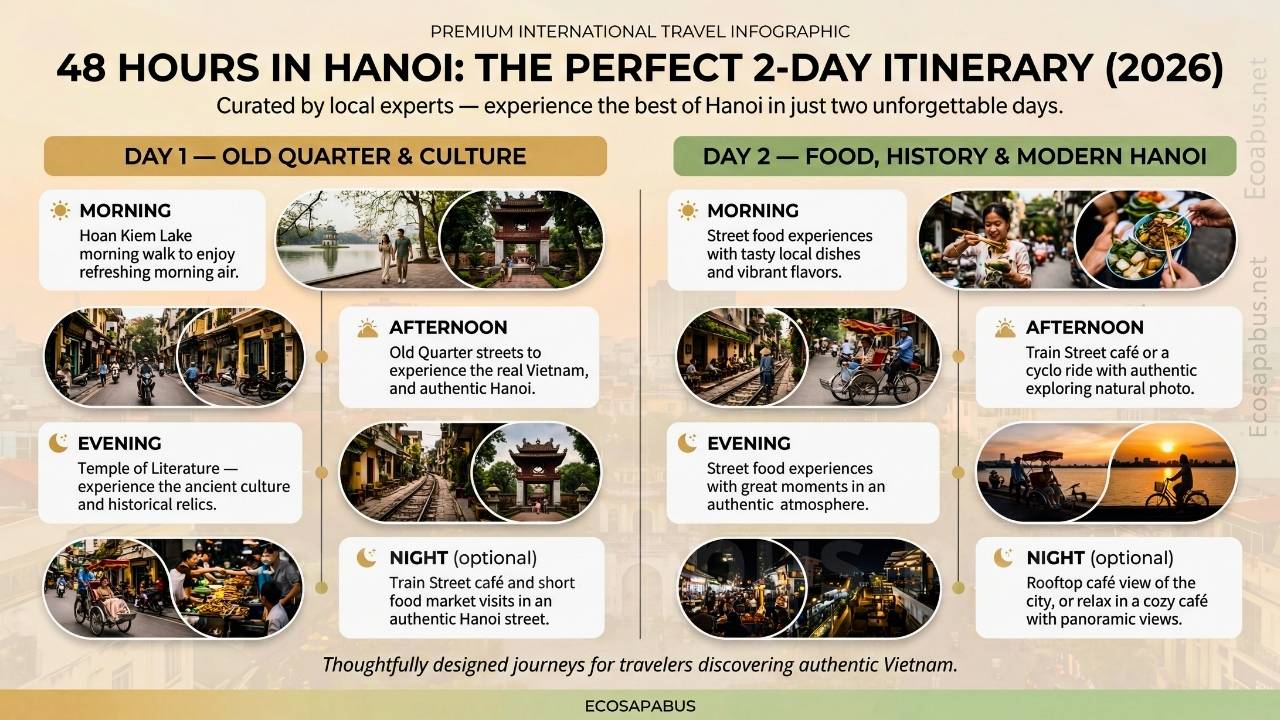
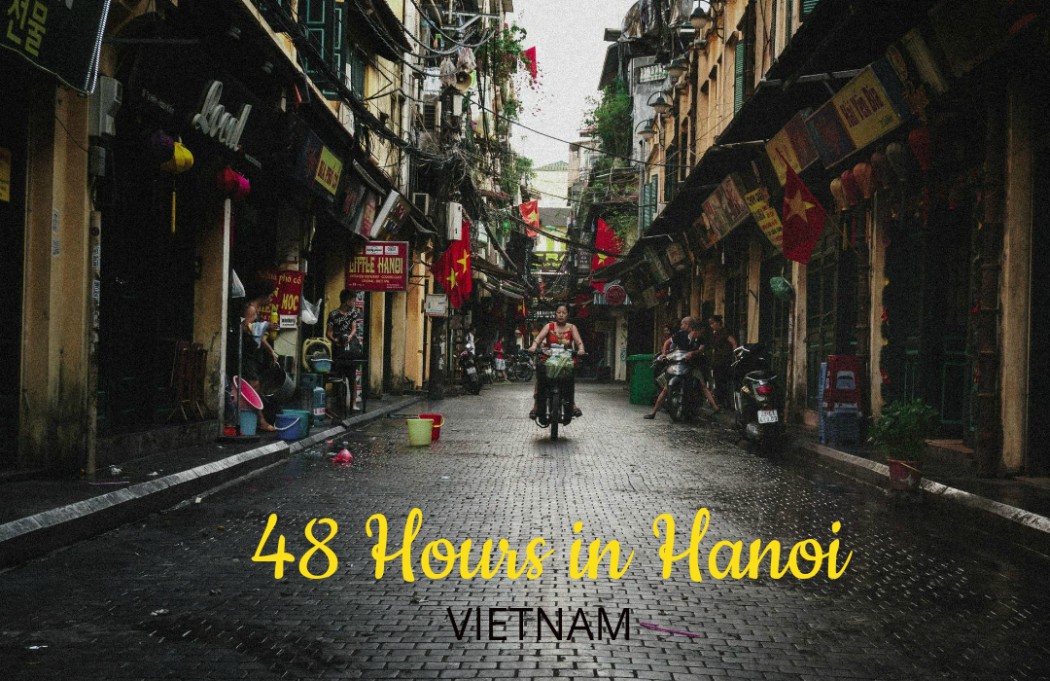
48 Hours in Hanoi: The Perfect 2-Day Itinerary (2026)
⏱️ 12 min read
📍 Route Map Included
Time-Saver Guide
If you only have two days in Vietnam’s capital before heading to the misty mountains of Sapa or the emerald waters of Halong Bay, you need a smart plan. This 48-hour itinerary cuts out the tourist traps and focuses on the absolute best culture, history, and street food.
Day 1: The Heart of Hanoi
Your first day is dedicated to the chaotic, vibrant, and historical center of the city. Wear comfortable walking shoes!
07:00 AM
Sunrise at Hoan Kiem Lake
Beat the traffic and jet lag by walking to Hoan Kiem Lake at dawn. You will see hundreds of locals practicing Tai Chi and ballroom dancing. Cross the red The Huc bridge to visit Ngoc Son Temple before the tour buses arrive.
09:00 AM
Get Lost in the Old Quarter
Dive deep into the 36 Streets of the Old Quarter. Make sure to walk down Hang Ma (paper street) and Hang Bac (silver street). Stop at Cafe Giang (39 Nguyen Huu Huan) for the city’s legendary Egg Coffee.
12:30 PM
Lunch: Bún Chả
You cannot leave Hanoi without trying Bún Chả (grilled pork with noodles). Head to Bun Cha Huong Lien, famously known as the place where President Obama and Anthony Bourdain ate.
03:00 PM
Temple of Literature
Take a short Grab ride to Vietnam’s first national university, built in 1070. The Temple of Literature offers a peaceful, stunning display of traditional Vietnamese architecture and serene gardens.
07:00 PM
Street Food & Bia Hoi
Join the chaotic fun at Ta Hien “Beer Street” in the Old Quarter. Drink Bia Hoi (fresh draft beer) for $0.30 a glass. If you visit on a weekend, the Night Market is just one street over.
Day 2: History & Hidden Gems
Today covers the monumental history of Vietnam and some unique local experiences.
08:00 AM
Ho Chi Minh Mausoleum Complex
Arrive early to avoid the longest lines. Walk past the imposing Ho Chi Minh Mausoleum (dress respectfully), see the humble Stilt House where he lived, and visit the iconic One Pillar Pagoda nearby.
12:00 PM
Lunch: A Steaming Bowl of Phở
For your second lunch, try Hanoi’s most famous dish. Phở Gia Truyền Bát Đàn is a local favorite in the Old Quarter, renowned for its clear, deeply flavorful beef broth.
03:00 PM
Hanoi Train Street
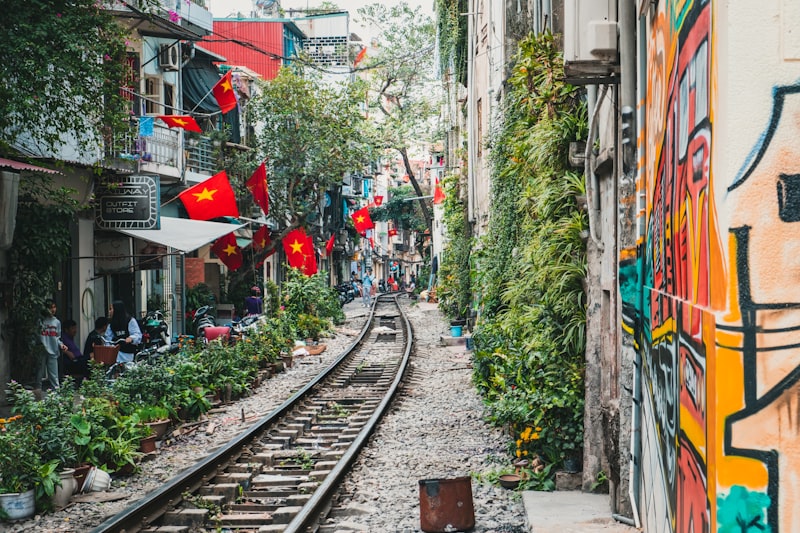
Find a safe café along the famous Train Street (near Phung Hung street). Order a coconut coffee and wait for the massive locomotive to rumble just inches away from your table.
05:30 PM
Water Puppet Show & Farewell Dinner
Catch a late afternoon performance at the Thang Long Water Puppet Theatre, a traditional art form born in the rice paddies. Finish your 48 hours with a nice dinner at a rooftop restaurant overlooking Hoan Kiem Lake.
What’s Next: Leaving Hanoi?
After a fast-paced 48 hours in the capital, most travelers head to the mountains or the sea. Our two most popular onward journeys are Sapa and Halong Bay.
Pro Tip: Don’t waste your morning fighting Hanoi traffic to reach a bus station. EcoSapa provides VIP Limousine transfers with complimentary pick-up right from your Old Quarter hotel.
Book Your Next Destination
Ready for the rice terraces of Sapa or a cruise in Halong Bay? Secure your luxury limousine seat today and travel stress-free.
×
Book Your Transfer
Hanoi to Sapa / Halong Bay Free Old Quarter Pick-up
Sapa Travel Guide 2026: Into the Clouds of Northern Vietnam
⏱️ 10 min read
📍 Lao Cai Province
Mountain Retreat
Perched at 1,500 meters above sea level, Sapa is a magical mountain town where the earth meets the sky. Known for its dramatically carved rice terraces, vibrant ethnic minority cultures, and misty valleys, it is the ultimate escape from the hectic streets of Hanoi.
Timing your trip to Sapa is critical. The landscape changes entirely depending on the month you visit.
The Golden Harvest (September – October): This is arguably the best time to visit. The rice terraces turn a brilliant, shimmering yellow. The weather is cool and dry, perfect for trekking.
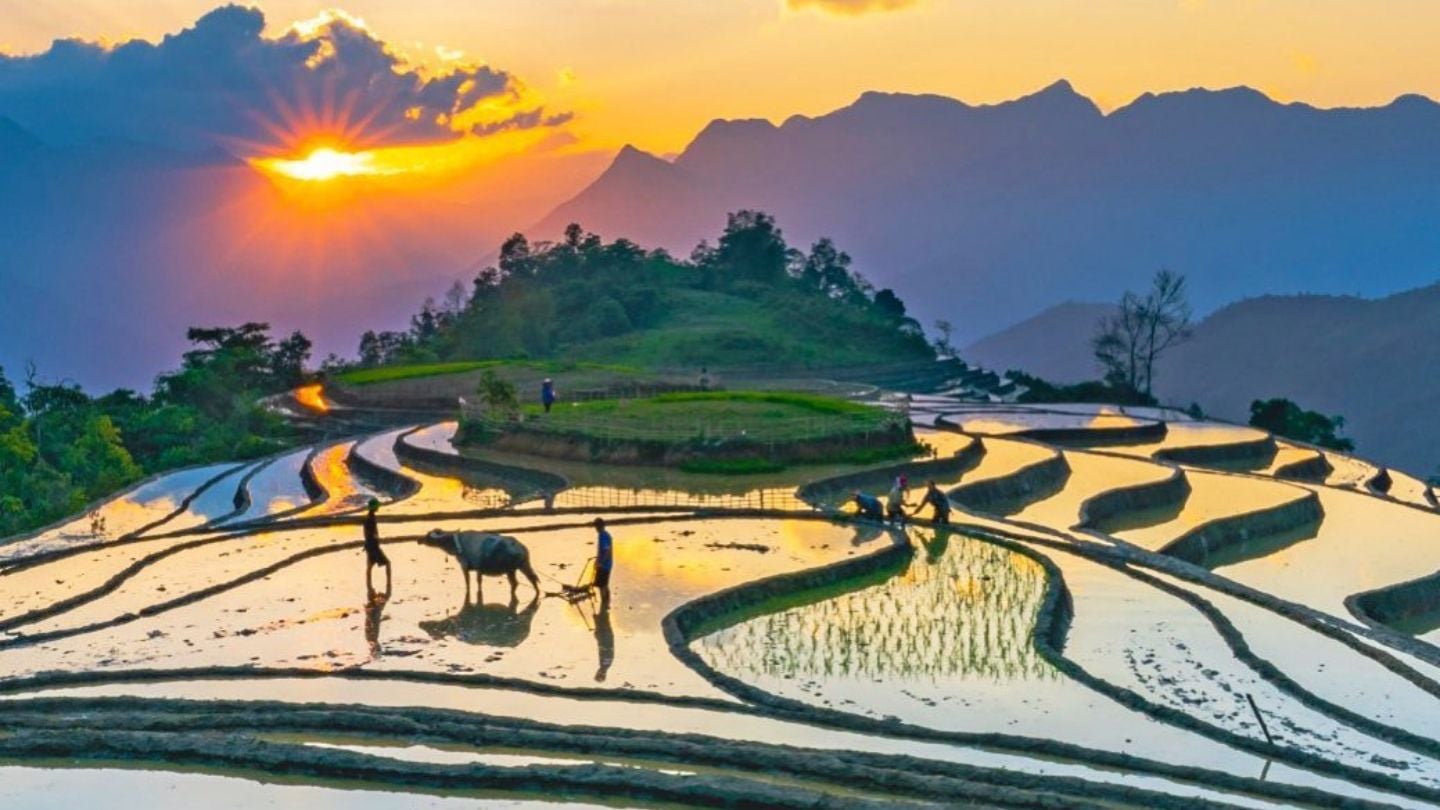
The Watering Season (April – May): Farmers flood the terraced fields to prepare for planting. The fields act like giant mirrors reflecting the sky. Flowers (peach and plum blossoms) are in full bloom.
The Misty Winter (December – February): Sapa becomes extremely cold, sometimes dropping below 0°C with occasional snow. It’s very foggy, which creates a mystical atmosphere, but trekking can be difficult and views are often obscured.
📸 Photographer’s Tip: If your main goal is to photograph the iconic green and yellow rice terraces, you MUST plan your trip between late August and early October. By November, the harvest is over and the fields turn brown.
2. Top 3 Unmissable Experiences
Trekking the Muong Hoa Valley
You haven’t truly seen Sapa until you’ve hiked through the Muong Hoa Valley. This is where you will find the most spectacular, sweeping views of the rice terraces. A typical day trek takes you downhill from Sapa town, passing through traditional villages like Lao Chai (Black Hmong) and Ta Van (Dzay people). It’s highly recommended to hire a local guide who can navigate the dirt paths and share stories of their culture.
Conquering Mount Fansipan
At 3,143 meters, Fansipan is the “Roof of Indochina”. While it used to require a grueling 2-day hike, you can now reach the summit via a world-class, 15-minute cable car ride. Riding through the thick clouds and emerging into the bright sunshine above the mountain peaks is an unforgettable experience.
Experiencing a Red Dao Herbal Bath
After a long day of trekking, head to Ta Phin Village (or a spa in town) to soak in a traditional herbal bath. The Red Dao people boil a secret mixture of forest leaves and bark that soothes aching muscles and improves circulation.
3. Meet the Local Ethnic Minorities
Sapa is home to five main ethnic minority groups, with the Black Hmong and Red Dao being the most prominent. You will recognize the Hmong by their deep indigo-dyed clothing, while the Red Dao women wear striking red headdresses and often shave their eyebrows.
Ethical Travel Advice: You will encounter many local women and children selling handicrafts. Please try to buy directly from adults rather than children, as buying from kids encourages them to skip school to sell to tourists. Always ask for permission before taking close-up portraits.
4. How to Get from Hanoi to Sapa (The Smart Way)
The distance between Hanoi and Sapa is about 320 kilometers. In the past, the overnight train was the only reliable option. However, since the new highway opened, Luxury Limousine Buses are now the fastest, most comfortable, and most popular choice.
Instead of taking a taxi to the train station, navigating the crowds, and taking another transfer from Lao Cai station up the mountain, a VIP Limousine picks you up directly in the Hanoi Old Quarter and drops you right in Sapa town in just 5.5 hours.
The Most Comfortable Ride to Sapa
Start your mountain adventure the right way. EcoSapa offers premium 9-seater Limousines with reclining massage seats, free Wi-Fi, and direct hotel pick-up in Hanoi.
Hoan Kiem Lake & Ngoc Son Temple: The Complete 2026 Guide
⏱️ 8 min read
📍 Hoan Kiem District
Essential Hanoi
If the Old Quarter is the bustling brain of Hanoi, then Hoan Kiem Lake (Hồ Hoàn Kiếm) is its peaceful soul. From early morning Tai Chi sessions to the vibrant weekend walking street, this lake is the epicenter of Hanoian life.
To understand Hanoi, you must know the legend of this lake. “Hoàn Kiếm” translates to “Lake of the Returned Sword.”
According to legend, in the 15th century, Emperor Le Loi was gifted a magical sword by a Golden Turtle God to fight against Chinese invaders. After successfully driving the enemy out, the Emperor was boating on this very lake when a giant golden turtle surfaced, snatched the sword, and disappeared into the depths to return it to the Dragon King.
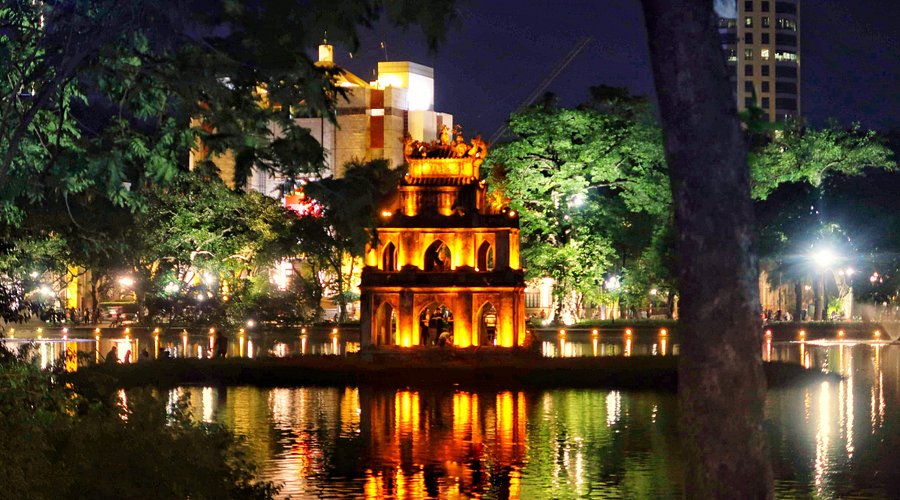
Today, the Turtle Tower (Tháp Rùa) stands on a small island in the center of the lake, serving as a monument to this myth. While you cannot visit the tower itself, it lights up beautifully at night.
2. Ngoc Son Temple & The Huc Bridge
Located on Jade Island in the northern part of the lake, Ngoc Son Temple (Temple of the Jade Mountain) is connected to the shore by the iconic, bright red Thê Húc Bridge (Morning Sunlight Bridge).
Inside the temple, you will find altars dedicated to Tran Hung Dao (a 13th-century military hero) and scholars. The most fascinating exhibit is a glass case containing the preserved body of a giant soft-shell turtle (Rafetus swinhoei) that lived in the lake until recently — weighing over 250kg!
Opening Hours8:00 AM – 6:00 PM Daily
Ticket Price30,000 VND (~$1.20)
Dress CodeShoulders & knees covered
Best Time to VisitEarly morning or sunset 💡 Insider Tip: The 6:00 AM Magic
Wake up before the sun and walk to the lake at 6:00 AM. You will witness hundreds of locals practicing Tai Chi, ballroom dancing, and badminton. It’s a completely different, authentic side of Hanoi before the tourist crowds wake up.
3. The Weekend Walking Street
If you are in Hanoi from Friday evening to Sunday night, you are in for a treat. The streets completely surrounding Hoan Kiem Lake are blocked off from all motorized traffic.
The area transforms into a massive cultural festival. You’ll see children playing traditional Vietnamese folk games, teenagers dancing to K-Pop, live portrait artists, and acoustic bands. It is incredibly safe, family-friendly, and captures the joyful spirit of modern Vietnam.
4. Best Egg Coffee with a View
Walking around the 1.8km perimeter of the lake takes about 30-40 minutes. Reward yourself by crossing the street to try Hanoi’s famous Egg Coffee (Cà Phê Trứng).
Café Đinh (13 Dinh Tien Hoang): Hidden up a dark, narrow staircase, this tiny, slightly grungy cafe has a small balcony with the absolute best direct view of the lake.
Thủy Tạ Café: Located right on the water’s edge, famous for its ice cream and relaxing atmosphere.
5. Next Stop: From the Lake to the Mountains
Most travelers spend 2 to 3 days exploring Hoan Kiem Lake, the Old Quarter, and sampling street food before escaping the city noise for the misty mountains of Sapa.
If your hotel is located near Hoan Kiem Lake or the Old Quarter, you don’t need to take a taxi to a bus station. Our EcoSapa Limousine service offers complimentary door-to-door pickup right from your hotel lobby around the lake.
Ready for Sapa’s Rice Terraces?
Trade the city lake for mountain clouds. Travel in VIP comfort with EcoSapa’s 9-seater Limousines. Free pickup in the Hoan Kiem area.
Hanoi to Sapa Bus Schedule 2026 | Official Ticket Prices & Timetable
✅ Official Operator
⚡ Instant Confirmation
💲 No Hidden Fees
💬 24/7 Support
Planning your trip to the majestic Northwest mountains? Having a reliable Hanoi to Sapa bus schedule is the key to a stress-free journey. As the direct Official Ecosapa Bus Limousine operator, we are committed to providing the most accurate daily timetable and transparent pricing for 2026.
By booking directly on this website, you guarantee your seat on our verified 9-Seater Dcar Limousine Fleet. Unlike third-party agents (resellers), we own the cars, control the quality, and offer direct support via WhatsApp.
1. Detailed Schedule: Hanoi to Sapa (Morning)
Our morning service is the most popular choice for international travelers. We depart early to help you escape the city traffic and arrive in Sapa just in time for hotel check-in (approx. 12:30 PM). The journey takes about 5.5 to 6 hours via the new Noi Bai – Lao Cai Expressway.
Ecosapa Bus offers exclusive door-to-door pickup in Hoan Kiem District.
Time
Activity / Location
Price
Action
06:30 – 07:00
Pickup in Hanoi Old Quarter We pick up at any hotel in Hoan Kiem District. (Hang Gai, Ly Thai To, Trang Tien, etc.)
$22-$24
07:00
Departure from Hanoi Opera House
—
—
07:30 – 08:00
Pickup at Noi Bai Airport Domestic (Lobby E) & International (Column 10).
$22-$24
09:00
Comfort Break 1 (Km 57) 15-minute stop for restroom/coffee.
—
—
11:30
Comfort Break 2 (Km 237) 15-minute stop before entering the mountains.
—
—
12:30 – 13:00
Arrival in Sapa Town Drop off at your hotel or Ecosapa Office.
—
—
Where do we pick up in Hanoi?
We offer Free Door-to-Door pickup for all guests staying in the Hanoi Old Quarter (Hoan Kiem District). This includes famous streets such as: Ma May, Hang Bong, Hang Gai, Ly Thai To, Trang Tien, Cau Go, etc.
If your hotel is outside this area (e.g., West Lake or Ba Dinh), the meeting point is the Hanoi Opera House at 07:00 AM.
2. Detailed Schedule: Sapa to Hanoi (Afternoon)
After your trekking adventure in Cat Cat or Fansipan, relax in our VIP Massage Seats on the way back. We collect passengers directly from hotels in Sapa center, saving you the hassle of dragging luggage to a bus station.
Time
Activity / Location
Price
Action
14:30 – 15:00
Pickup in Sapa Town We collect passengers from hotels in Sapa center.
$22-$24
15:00
Departure from Sapa (306 Dien Bien Phu)
—
—
16:00
Pickup at Lao Cai Station Optional stop for guests coming from Bac Ha.
$22-$24
19:30
Drop off at Noi Bai Airport For guests with late-night flights.
—
—
20:30
Arrival in Hanoi Old Quarter Drop off at your hotel door.
—
—
3. Official Ticket Prices 2026
Transparency is our core value. As the official operator, we guarantee the best price with no hidden service fees. Below is the official price list for Ecosapa Bus Limousine tickets:
Ticket Type
Price (USD)
Inclusions
One-Way Ticket
$22-$24
Seat, Water, Insurance, Pickup
Round-Trip Ticket
$40
Save $4 USD (Best Value)
Private Charter
From $180
Whole Van, Flexible Time
Vehicle Amenities:
✅ Luxury Seats: 9 VIP leather seats with massage function.
✅ Connectivity: High-speed Wi-Fi and individual USB charging ports (5V).
✅ Essentials: Complimentary mineral water, cold towel, and blanket.
✅ Luggage Space: Spacious trunk for 20kg luggage + 7kg hand carry per person.
4. Frequently Asked Questions
Q: How do I identify the Official Ecosapa Bus?
Our limousines are black Dcar models with the “Ecosapa Bus Limousine” logo clearly visible on the side. The driver will also have your name on the passenger list.
Q: How do I find the bus at Noi Bai Airport?
Domestic Terminal (T1): Please wait at Lobby E (Arrival Hall). International Terminal (T2): Please wait at Column 10 (Arrival Hall A2).
Our driver will hold a sign with your name or contact you via WhatsApp.
Q: Can I change my booking date?
Yes! As the official operator, we allow free date changes up to 48 hours before departure. Please contact us via WhatsApp to arrange.
Q: How do I book a ticket?
Simply click the “Book Ecosapa Now” button below or use the form on this page. We will confirm via WhatsApp instantly.
Secure your seat with the Official Operator today!
Ecosapa Bus Limousine | Official Hanoi to Sapa Service
Finding a reliable transfer is the first step to a perfect Sapa adventure. As the Official Ecosapa Bus Limousine service provider, we offer a premium, stress-free journey from the heart of Hanoi directly to your hotel. Our 2026 fleet is designed to meet the highest international standards for safety and comfort.
In a market filled with various agencies, booking through our Official Website ensures you receive the authentic Ecosapa experience. We guarantee:
Guaranteed Seat Reservations: Never worry about overbooking. Your seat is confirmed instantly.
Expert Drivers: Our team specializes in the Hanoi-Sapa expressway route with basic English skills.
Transparent Pricing: Fixed rates from $22 – $25 USD with no hidden fees.
2. Premium Fleet: VIP Massage Seats
Our 9-seater Dcar Limousines are modified for maximum comfort. Unlike standard buses, every seat on the Ecosapa Bus is a “First Class” experience.
Exclusive Amenities Include:
✅ Massage Technology: Relax your back with multi-mode massage functions.
✅ Onboard Wi-Fi: High-speed internet to stay connected during the 5.5-hour trip.
✅ Personal Power: USB charging ports at every seat for your phone or camera.
3. Comparison: Limousine vs. Night Train
Many travelers ask: “Should I take the train or the bus?”. We recommend checking our detailed 2026 Bus Schedule & Price List, but here is a quick comparison:
Feature
Ecosapa Limousine
Night Train (SP1/SP3)
Duration
5.5 – 6 Hours
8 – 9 Hours + Taxi Transfer
Pickup Point
Your Hotel (Old Quarter)
Hanoi Train Station Only
Comfort
Quiet, Massage Seat
Noisy, Shaky
Price
$22 – $25 USD
$35 – $45 USD (Soft Sleeper)
*Secure booking & Instant confirmation
4. Frequently Asked Questions
Q: Does Ecosapa Bus pick up from Noi Bai Airport?
A: Yes! We can pick you up directly at the Domestic or International terminal (extra fee may apply depending on group size).
Q: How much luggage can I bring?
A: Each passenger is allowed 20kg of checked luggage plus one small carry-on bag.
Q: How do I book a ticket officially?
A: Simply click the “Book Now” button on this page or visit our Official Homepage to fill out the form.
×
Book Ecosapa Official
Complete the form below. We will contact you via WhatsApp instantly!
A premium, practical guide written for international travelers: how to choose the right bay route (Halong / Lan Ha / Bai Tu Long),
realistic cruise prices, transport from Hanoi, best things to do, where to stay, what to eat, and local tips to avoid disappointment.
30–35 min read (Part A–C)
Route + cruise decision help
Mobile-first + SEO-ready
Best TimeOct–Apr
Days Needed2–3 Days
Cruise Budget$80–$250+
From Hanoi2.5–3.5 hrs
UNESCOYes
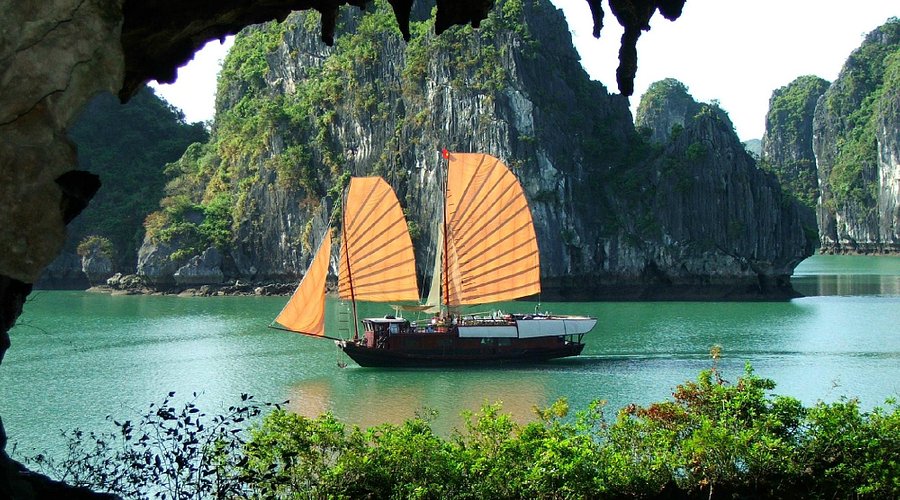
Halong Bay (Vịnh Hạ Long) is Vietnam’s most iconic seascape—thousands of limestone karsts rising from emerald water.
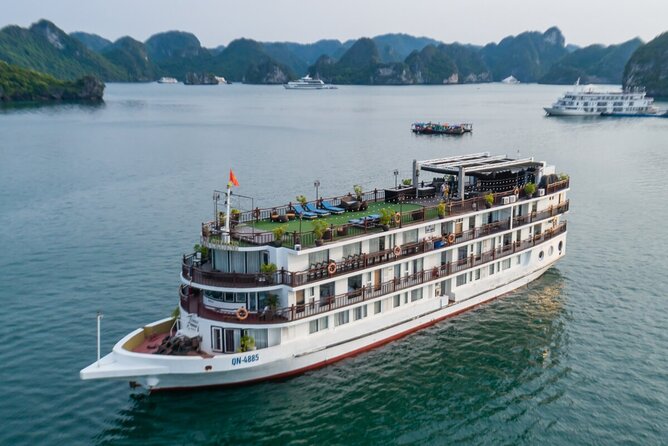
The “best” Halong trip depends on your route and time: you can do a day trip, but an overnight cruise is what most travelers remember.
This guide is designed to help you plan with confidence, avoid common mistakes, and choose the best-value experience for your style.
1) Quick plan (the best Halong Bay trip for most travelers)
If you’re visiting Northern Vietnam for the first time and want the most “wow” with the least stress, this is the plan:
book a 2D1N overnight cruise (preferably a calmer route like Lan Ha or Bai Tu Long),
and take a limousine transfer from Hanoi Old Quarter so you don’t worry about timing.
2) Choose your route: Halong vs Lan Ha vs Bai Tu Long
Many travelers compare cruises by cabin photos and Instagram posts—but the biggest difference in your experience is the route.
A mid-range boat on a calmer route can feel more premium than a “nice-looking” boat on the busiest classic loop.
Route
Best for
Crowd level
What you’ll feel
Halong Bay (classic)
Iconic sights + easiest logistics
Higher
Most famous caves/viewpoints, more boats around you
Lan Ha Bay
Kayaking + calm water
Medium
More lagoons, often a “softer” cruising vibe
Bai Tu Long Bay
Quiet scenery + relaxed pacing
Lower
Less traffic, more “escape” feeling (great for couples)
3) Best time to visit Halong Bay (weather + sea conditions)
Halong is best when the sky is clearer and the sea is calmer.
For most travelers, October to April offers the best balance.
July–September can still be beautiful, but you should plan with flexibility due to storms.
4) How to get to Halong Bay (from Hanoi + airports)
From Hanoi (Old Quarter / Hoan Kiem)
The easiest option for most tourists is a limousine van or shuttle with pickup in central Hanoi.
Families or travelers with tight schedules often prefer a private transfer for direct timing.
If you arrive in Hanoi and plan to go straight to Halong, consider a direct transfer from the airport to save time.
This is especially helpful for short trips or late arrivals.
Realistic Halong Bay Trip Cost Breakdown (What You’ll Actually Spend)
Many travelers underestimate the total cost of a Halong Bay trip.
Below is a realistic breakdown so you can plan without surprises.
Item
Budget Range
Notes
2D1N Cruise
$80 – $250+
Depends on comfort level and route
Hanoi Transfer (round trip)
$20 – $40
Limousine van average
Drinks onboard
$10 – $25
Usually not included
Tips
$5 – $15
Optional but appreciated
Extra seafood / snacks
$15 – $40
If staying extra night in Halong city
Typical realistic total:
Most travelers spend between $150 – $220 per person
for a comfortable 2D1N Halong Bay experience including transfer and extras. Important:
The cheapest cruise online often excludes transfer, entrance tickets, or kayaking.
Always check what is included before paying. Want transparent pricing with no hidden fees?
Tell us your dates and route preference and we’ll show the best-value options clearly.
Cruise prices vary by route, cabin, season, and inclusions.
Instead of booking the cheapest option, focus on value:
what’s included (transfers, entrance tickets, kayaking), cabin size, itinerary pacing, and the operator’s safety standards.
Category
Budget
Mid-range
Comfort / Premium
Overnight cruise (2D1N)
$80–120
$120–180
$200+
Overnight cruise (3D2N)
$150–220
$220–320
$350+
Transfers (Hanoi ↔ Halong)
$10–18
$18–30
$70–120 private
Drinks on board
Often extra
Often extra
Sometimes packages
Common “hidden costs” to check before you pay:
Transfers: Is Hanoi pickup included or extra?
Entrance tickets: Sometimes included, sometimes added later.
Kayaking / activities: Usually included, but verify.
Drinks: Often not included (water/soft drinks may be limited).
Single supplement: Solo travelers may pay extra.
6) How to pick a cruise (quality checklist)
Use this checklist to quickly judge whether a cruise is “good value” or just good marketing photos.
A great cruise feels smooth: clean cabin, calm pacing, clear communication, and responsible operations.
EcoSapa Cruise Checklist (save this)
Route clarity: Confirm Halong vs Lan Ha vs Bai Tu Long (and main stops).
Halong Bay cruises can look similar online, but the experience varies a lot in route, pacing, cabin quality, and what’s actually included.
EcoSapa helps you book with confidence: clear route guidance, transparent pricing, and options that match your travel style.
We confirm what matters: transfers, entrance fees, kayaking, meals, cabin type, and any extras—so you don’t get surprise charges.
See: best cruises ranked by value.
Halong can face storm cancellations in season. We prioritize operators with clear safety processes and fair reschedule support.
Read: weather by month.
👨👩👧👦
Good options for families & couples
We match boats to your needs: quieter routes, family cabins, smoother itineraries, and less “tour factory” feeling.
⚡
Get best matches in 2 minutes
Tell us your travel date and preferred route. We’ll suggest the best-value options by category.
Check cruises & prices → Ask a quick question →
✓ 2D1N & 3D2N
✓ Quiet routes
✓ Clear inclusions Pro tip for first-timers:
If you want the most “premium” feel without paying luxury prices, choose a calmer route (Lan Ha / Bai Tu Long) and avoid overloaded itineraries.
Booking (best-value)
Check Cruise Availability & Best Prices
Tell us your dates + preferred route (Halong / Lan Ha / Bai Tu Long). We’ll suggest the best-value options by category.
B1) Best things to do in Halong Bay (what’s actually worth your time)
Halong Bay is famous for limestone karsts, but the best trip is a balance: time on the water + one or two highlight experiences +
enough calm moments to actually enjoy the scenery.
Below are the experiences that most travelers rate as “worth it”—and who each one is best for.
Experience #01
Overnight cruise (2D1N) — the real Halong feeling
Must-do
Sunset + sunrise
Best value
If you do only one activity in Halong, make it an overnight cruise.
Day trips rarely capture the two most magical moments: golden-hour sunset and quiet sunrise mist.
Overnight cruises also pace activities more comfortably.
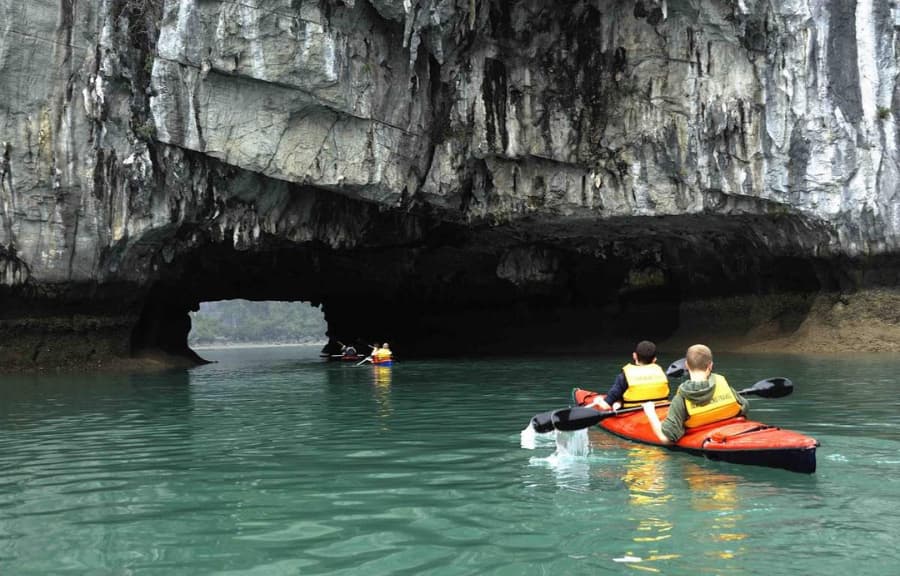
Kayaking turns Halong from “beautiful scenery” into a personal experience.
You’ll glide into calm pockets of water and limestone tunnels that big boats can’t reach.
If kayaking matters to you, prioritize Lan Ha Bay or Bai Tu Long Bay routes.
Experience #03
Visit one great cave (not all caves)
Easy walking
Great for families
Good in classic Halong
Caves are popular stops on many itineraries. Our advice:
choose one impressive cave, enjoy it properly, and save time for the bay.
Visiting too many caves can feel repetitive and “tour-busy.”
Pro pacing rule: A premium-feeling Halong trip usually includes 2–3 core activities max per day (kayak + cave OR viewpoint + swim),
plus plenty of time to enjoy the scenery from the deck.
B2) Caves & viewpoints (which ones are worth it for your style)
Depending on your route, your cruise may offer caves and viewpoints.
Here’s a practical way to decide.
If you want iconic “postcard” stops, classic Halong routes tend to include the most famous caves/viewpoints.
If you want calmer cruising and kayaking, Lan Ha / Bai Tu Long may focus more on lagoons and beaches.
B3) Kayaking guide (how to enjoy it — and avoid the “meh” version)
Kayaking can be the highlight of your trip—but only if you do it at the right time and in the right setting.
The best kayaking happens in calmer bays (Lan Ha/Bai Tu Long), when the water is smooth and the light is soft.
Kayaking: do this for the best experience
Choose the right route:Lan Ha is often best for lagoon kayaking.
Go early if possible: calmer water + fewer boats.
Bring a dry bag: phone, passport copy, and cash stay safe.
Safety note: If the sea is choppy or weather shifts, crews may shorten or cancel kayaking.
That’s normal and usually for safety. If kayaking is your #1 priority, travel in the calmer season
and choose routes known for protected lagoons.
B4) Beaches & swimming (what to expect + the best approach)
Yes, you can swim in Halong—especially on warmer months.
But set your expectations:
Halong is first a scenery + cruising destination, not a “perfect beach” destination.
For better swimming conditions, travelers often combine Halong with Cat Ba Island.
Best strategy: Swim as a bonus on your cruise itinerary,
and add Cat Ba if you want more beach time. See: Cat Ba Travel Guide →
B5) Cat Ba add-on (best pairing with Lan Ha Bay)
If you love nature, hiking, and a slightly more adventurous vibe, Cat Ba is an excellent add-on.
It pairs naturally with Lan Ha Bay routes and gives you more options beyond the cruise deck:
island viewpoints, national park hikes, and longer beach time.
Common “best combo” route: Hanoi → Halong/Lan Ha cruise (2D1N) → Cat Ba (1–2 nights) → Hanoi.
If you want help planning the sequence, see: Halong itineraries.
B6) What to eat & where to eat in Halong (practical, safe, delicious)
Halong is a seafood destination.
The best meals are fresh, simply cooked, and served in places with high turnover.
For international travelers, the key is ordering confidently: confirm prices, weights, and cooking style before committing.
Must-try Halong specialties
Chả mực Hạ Long (fried squid cake): Halong’s signature snack—great with sticky rice or noodles.
Grilled squid / clams / oysters: best enjoyed near the coast, especially in the evening.
Seafood hotpot: ideal for groups; ask for fresh fish + shrimp + local greens.
Bún hải sản (seafood noodle soup): easy, affordable, and satisfying.
How to avoid seafood price surprises:
Ask for a menu with prices (or confirm price per dish) before ordering.
If seafood is sold by weight, confirm price per 100g / kg first.
Choose busy places at meal time (high turnover = fresher seafood).
Where to eat (simple area guidance)
Most travelers stay around Bai Chay (convenient) or Tuan Chau (close to cruise port).
If you want a quick plan with minimal walking stress, stay in Bai Chay and use taxis/Grab for meals.
B7) Where to stay in Halong (best areas + who they’re for)
Where you stay affects how “smooth” your trip feels.
Most travelers choose one of these three bases: Bai Chay, Tuan Chau, or Cat Ba.
Here’s the practical breakdown.
Area
Best for
Vibe
Notes
Bai Chay
First-timers, convenience
Modern, easy logistics
Good restaurants + hotels, convenient before/after cruise
Tuan Chau
Early cruise departures
Port/resort-ish
Best if your cruise check-in is early and you want less morning stress
Halong is generally safe for tourists, but like any major destination, there are common traps:
overpriced seafood by weight, unclear inclusions, and “too-cheap” cruise listings that change terms later.
Use this section to travel smarter.
Common traps & how to avoid them
Seafood by weight: confirm price/kg before choosing items; ask for written confirmation if possible.
Fake “luxury” photos: rely on consistent review patterns (cleanliness + staff) more than marketing images.
If you want a safe, smooth booking:
Use our request form and we’ll match you with the best-value options for your dates and style: Check cruises & prices →
B9) Halong Bay itineraries (1–3 days) — ready-to-use plans
Here are practical itineraries used by many international travelers.
Pick the one that matches your time and energy.
If you’d like the “full detailed version” with timing blocks and alternatives, open: Halong itineraries (1–3 days) →
Itinerary 1: Day trip (only if you’re truly short on time)
Best for: travelers with one free day and no overnight flexibility. Plan: early pickup from Hanoi → cruise highlights → return to Hanoi evening. Tip: choose a day trip that maximizes time on water and limits shopping stops.
Itinerary 2: 2D1N (the best first-timer plan)
Day 1: Hanoi pickup → cruise check-in → lunch → bay cruising + one major activity (kayak OR cave) → sunset → dinner → relaxing onboard. Day 2: sunrise → light breakfast → second activity (viewpoint OR lagoon) → brunch → return transfer.
Itinerary 3: 3D2N (quiet route + deeper nature)
Best for: travelers who want more kayaking and less rushing. Ideal route: Lan Ha or Bai Tu Long. Add-on: consider 1 night in Cat Ba after the cruise for beaches + hiking.
Booking shortcut
Want us to plan the best-value Halong experience for your dates?
Tell us your travel dates + priorities (quiet route, kayaking, family-friendly, or premium comfort).
We’ll recommend the best matching cruises and transfer options.
C1) 25+ things to do in Halong Bay (curated by interest)
If you want a “world-class travel guide” experience, you need more than the usual list.
Below is a curated menu of ideas—so travelers can self-plan based on their style.
Many of these are available via cruises; some are best done as add-ons in Cat Ba or on land in Bai Chay/Tuan Chau.
How to use this list: pick 6–10 items that match your style, then follow an itinerary.
If you want the quickest route to a great trip, start here: Halong itineraries (1–3 days) →
Sunrise deck shoot: set an alarm; the best light is early.
Misty season mood: Jan–Mar can create dramatic layers.
Wide vs tele: wide for landscapes; tele for compressing karsts and boats.
Phone tip: clean lens + reduce over-sharpening; shoot RAW if possible.
Want the “best-value” version of all this?
Tell us your dates + priorities and we’ll match you with the right route and cruise: Check cruises & prices →
C2) Family & kids tips (how to make it smooth)
Families can absolutely enjoy Halong—if you plan for comfort and pacing.
Here’s what makes the biggest difference: transfer comfort, cabin layout, and not over-stuffing activities.
Family checklist (save this)
Choose 2D1N mid-range: best balance of comfort + cost.
Prioritize calm routes: Lan Ha/Bai Tu Long often feel less hectic.
Cabin questions: connecting rooms? extra bed? baby cot? (confirm before paying).
Seasickness plan: bring motion-sickness meds, ginger candy, and hydrate.
Best family format: Hanoi (2 nights) → Halong cruise (2D1N) → Ninh Binh (2 nights) → back to Hanoi.
Related guides: Hanoi • Ninh Binh • Cat Ba
C3) Couples & honeymoon (quiet, romantic, not crowded)
For couples, the “romantic Halong” is about peace, not the busiest iconic loop.
Choose quieter routes, a balcony cabin if you’ll use it, and an itinerary with more deck time.
C4) Photography tips (sunrise, mist, drone rules, best light)
Halong can look completely different depending on weather and light.
If you care about photos, plan around golden hour and morning mist.
Goal
Best time
Best season
Notes
Golden glow / warm tones
Sunrise + sunset
Oct–Apr
Sunrise often quieter; sunset can have more boats
Misty cinematic layers
Morning
Jan–Mar
Mist is not guaranteed, but common
Clear blue sky
Midday (less ideal light)
Oct–Dec
Great visibility, harsher shadows
Drone note: Drone usage rules can change and may be restricted in some areas.
Always follow crew instructions and local regulations. If you’re unsure, ask your cruise operator before flight.
C5) Packing list (by season) — what travelers actually need
Most packing mistakes come from not realizing how quickly weather and sea conditions can shift.
Use this list to pack smart without overpacking.
Essentials (all year)
Passport + copy (photo on phone is OK; keep original safe)
Light jacket (boats can feel cooler with wind)
Water shoes / sandals (slippery steps, kayaking stops)
Dry bag (phone, wallet, documents)
Sunscreen + hat (even in cooler months)
Cooler months (Oct–Mar)
Long-sleeve layer (evenings can be chilly on deck)
C6) Accessibility, health & comfort (mobility, seasickness, dietary needs)
Halong is accessible for many travelers, but some activities involve stairs and wet steps.
If you have mobility concerns, choose cruises that offer gentler options (bamboo boat instead of kayak, fewer hikes).
Comfort checklist
Mobility: choose itineraries with fewer stairs; ask if elevators exist (rare).
Seasickness: bring meds; choose calmer routes; avoid heavy meals before kayaking.
Dietary needs: tell your cruise in advance (vegetarian, allergy, halal) so staff can prep.
Motion sensitivity: sit mid-vehicle during transfers; stay hydrated.
C7) Responsible travel (how to protect Halong’s beauty)
Halong’s beauty depends on responsible tourism.
Small habits matter:
reduce plastic, keep noise down early morning, and never leave trash behind.
Do this:
Bring a reusable bottle if possible.
Say no to single-use plastics where you can.
Keep music low on deck—many travelers come for calm.
Follow crew rules for swimming/kayaking zones.
C8) Planning shortcuts (internal links that keep travelers moving)
C9) Full FAQ (what travelers actually search before coming)
How many days do you need in Halong Bay?
For most first-timers, 2 days / 1 night is the best value.
Choose 3 days / 2 nights for quieter routes and more kayaking time.
See: itineraries → Is Halong Bay worth it if I don’t do an overnight cruise?
A day trip can still be worth it if you’re short on time, but it’s more rushed.
Overnight is what most travelers remember because of sunset + sunrise. What’s the best way to get from Hanoi to Halong Bay?
Most tourists choose a limousine van/shuttle pickup (2.5–3.5 hours).
Families often prefer private transfers for timing and comfort.
See: Hanoi transport guide → Halong Bay vs Lan Ha vs Bai Tu Long — which should I choose?
Halong = iconic + easiest logistics.
Lan Ha = calmer lagoons + great kayaking. Bai Tu Long = usually the quietest.
See the full comparison: route decision guide → How much does a Halong Bay cruise cost?
Typical 2D1N cruises range from $80–$250+ depending on comfort and season.
Focus on inclusions (transfer, entrance fees, kayaking) instead of the cheapest price. What should I book in advance?
In peak season (Oct–Apr), book cruises 1–2 weeks ahead (earlier for holidays).
If your schedule is tight, book transfers too: Hanoi pickup → Is Halong Bay safe?
Generally yes, but weather can change quickly.
Reputable operators cancel for safety in storms.
Always follow crew guidance for swimming/kayaking. Where should I stay: Bai Chay or Tuan Chau?
Bai Chay is best for convenience (restaurants/hotels).
Tuan Chau is best if your cruise check-in is early and you want less timing stress.
See: hotel guide → What food is Halong famous for? Chả mực Hạ Long is the signature.
Halong is also known for fresh clams, oysters, and seafood hotpot.
See: where to eat →
7 Mistakes First-Timers Make in Halong Bay (And How to Avoid Them)
Halong Bay is beautiful — but only if you plan it correctly.
Many disappointing experiences come from small planning mistakes.
Here’s what experienced travelers wish they knew before visiting.
1) Booking by price only
The cheapest cruise is rarely the best value.
Focus on route (Halong vs Lan Ha vs Bai Tu Long), inclusions, and cabin quality.
See: Best cruises ranked → 2) Choosing the wrong route
Not all Halong routes feel the same.
If you dislike crowds, avoid the busiest classic loop and consider Lan Ha or Bai Tu Long.
Compare here: Route comparison guide → 3) Expecting a beach holiday
Halong is about scenery and cruising — not long sandy beaches.
If you want beach time, consider adding Cat Ba Island →. 4) Underestimating transfer time
Travel from Hanoi takes around 2.5–3.5 hours.
Always confirm pickup time and cruise check-in window.
Transport guide: Hanoi → Halong options → 5) Ignoring weather season
July–September may have storms and cruise cancellations.
Check the weather by month before booking: Weather guide → 6) Overpacking
Cabins are compact.
Bring only essentials and a light layer for evenings. 7) Not booking early in peak season
October to April is high season.
Better cabins and quiet routes sell out faster. Smart move:
Tell us your travel dates and style (quiet, kayaking, family-friendly, premium comfort)
and we’ll recommend the best-value option.
Halong Bay vs Ninh Binh vs Sapa — Which Should You Choose?
Many travelers visiting Northern Vietnam ask:
If I only have limited time, which destination should I prioritize?
Here’s a simple comparison to help you decide.
Destination
Best For
Landscape Type
Ideal Stay
Halong Bay
Iconic scenery + cruising experience
Limestone karsts on water
2–3 days
Ninh Binh
Peaceful countryside + boat caves
Limestone mountains on land
1–2 days
Sapa
Trekking + mountain culture
Rice terraces + ethnic villages
2–3 days
Quick decision guide:
• Want the most iconic Vietnam postcard?
→ Halong Bay
• Prefer quiet countryside and shorter travel?
→ Ninh Binh
• Love hiking and mountain views?
→ Sapa Explore Halong Bay Full Halong Guide → Explore Ninh Binh Ninh Binh Travel Guide → Explore Sapa Sapa Travel Guide → Best Northern Vietnam route for first-timers:
Hanoi → Halong Bay → Ninh Binh → Sapa
Tell us your dates + preferences (quiet route, kayaking, family-friendly, premium comfort).
We’ll recommend the best-value options and the right transfer timing.
A premium, practical guide written for international travelers: how to choose the right bay route (Halong / Lan Ha / Bai Tu Long),
realistic cruise prices, transport from Hanoi, best things to do, where to stay, what to eat, and local tips to avoid disappointment.
30–35 min read (Part A–C)
Route + cruise decision help
Mobile-first + SEO-ready
Best TimeOct–Apr
Days Needed2–3 Days
Cruise Budget$80–$250+
From Hanoi2.5–3.5 hrs
UNESCOYes
Halong Bay (Vịnh Hạ Long) is Vietnam’s most iconic seascape—thousands of limestone karsts rising from emerald water.
The “best” Halong trip depends on your route and time: you can do a day trip, but an overnight cruise is what most travelers remember.
This guide is designed to help you plan with confidence, avoid common mistakes, and choose the best-value experience for your style.
1) Quick plan (the best Halong Bay trip for most travelers)
If you’re visiting Northern Vietnam for the first time and want the most “wow” with the least stress, this is the plan:
book a 2D1N overnight cruise (preferably a calmer route like Lan Ha or Bai Tu Long),
and take a limousine transfer from Hanoi Old Quarter so you don’t worry about timing.
2) Choose your route: Halong vs Lan Ha vs Bai Tu Long
Many travelers compare cruises by cabin photos and Instagram posts—but the biggest difference in your experience is the route.
A mid-range boat on a calmer route can feel more premium than a “nice-looking” boat on the busiest classic loop.
Route
Best for
Crowd level
What you’ll feel
Halong Bay (classic)
Iconic sights + easiest logistics
Higher
Most famous caves/viewpoints, more boats around you
Lan Ha Bay
Kayaking + calm water
Medium
More lagoons, often a “softer” cruising vibe
Bai Tu Long Bay
Quiet scenery + relaxed pacing
Lower
Less traffic, more “escape” feeling (great for couples)
3) Best time to visit Halong Bay (weather + sea conditions)
Halong is best when the sky is clearer and the sea is calmer. For most travelers, October to April offers the best balance.
July–September can still be beautiful, but you should plan with flexibility due to storms.
4) How to get to Halong Bay (from Hanoi + airports)
From Hanoi (Old Quarter / Hoan Kiem)
The easiest option for most tourists is a limousine van or shuttle with pickup in central Hanoi.
Families or travelers with tight schedules often prefer a private transfer for direct timing.
If you arrive in Hanoi and plan to go straight to Halong, consider a direct transfer from the airport to save time.
This is especially helpful for short trips or late arrivals.
Realistic Halong Bay Trip Cost Breakdown (What You’ll Actually Spend)
Many travelers underestimate the total cost of a Halong Bay trip.
Below is a realistic breakdown so you can plan without surprises.
Item
Budget Range
Notes
2D1N Cruise
$80 – $250+
Depends on comfort level and route
Hanoi Transfer (round trip)
$20 – $40
Limousine van average
Drinks onboard
$10 – $25
Usually not included
Tips
$5 – $15
Optional but appreciated
Extra seafood / snacks
$15 – $40
If staying extra night in Halong city
Typical realistic total:
Most travelers spend between $150 – $220 per person
for a comfortable 2D1N Halong Bay experience including transfer and extras. Important:
The cheapest cruise online often excludes transfer, entrance tickets, or kayaking.
Always check what is included before paying. Want transparent pricing with no hidden fees?
Tell us your dates and route preference and we’ll show the best-value options clearly.
Cruise prices vary by route, cabin, season, and inclusions. Instead of booking the cheapest option, focus on value:
what’s included (transfers, entrance tickets, kayaking), cabin size, itinerary pacing, and the operator’s safety standards.
Category
Budget
Mid-range
Comfort / Premium
Overnight cruise (2D1N)
$80–120
$120–180
$200+
Overnight cruise (3D2N)
$150–220
$220–320
$350+
Transfers (Hanoi ↔ Halong)
$10–18
$18–30
$70–120 private
Drinks on board
Often extra
Often extra
Sometimes packages
Common “hidden costs” to check before you pay:
Transfers: Is Hanoi pickup included or extra?
Entrance tickets: Sometimes included, sometimes added later.
Kayaking / activities: Usually included, but verify.
Drinks: Often not included (water/soft drinks may be limited).
Single supplement: Solo travelers may pay extra.
6) How to pick a cruise (quality checklist)
Use this checklist to quickly judge whether a cruise is “good value” or just good marketing photos.
A great cruise feels smooth: clean cabin, calm pacing, clear communication, and responsible operations.
EcoSapa Cruise Checklist (save this)
Route clarity: Confirm Halong vs Lan Ha vs Bai Tu Long (and main stops).
Halong Bay cruises can look similar online, but the experience varies a lot in route, pacing, cabin quality, and what’s actually included.
EcoSapa helps you book with confidence: clear route guidance, transparent pricing, and options that match your travel style.
We confirm what matters: transfers, entrance fees, kayaking, meals, cabin type, and any extras—so you don’t get surprise charges.
See: best cruises ranked by value.
Halong can face storm cancellations in season. We prioritize operators with clear safety processes and fair reschedule support.
Read: weather by month.
👨👩👧👦
Good options for families & couples
We match boats to your needs: quieter routes, family cabins, smoother itineraries, and less “tour factory” feeling.
⚡
Get best matches in 2 minutes
Tell us your travel date and preferred route. We’ll suggest the best-value options by category.
Check cruises & prices → Ask a quick question →
✓ 2D1N & 3D2N
✓ Quiet routes
✓ Clear inclusions Pro tip for first-timers:
If you want the most “premium” feel without paying luxury prices, choose a calmer route (Lan Ha / Bai Tu Long) and avoid overloaded itineraries.
Booking (best-value)
Check Cruise Availability & Best Prices
Tell us your dates + preferred route (Halong / Lan Ha / Bai Tu Long). We’ll suggest the best-value options by category.
B1) Best things to do in Halong Bay (what’s actually worth your time)
Halong Bay is famous for limestone karsts, but the best trip is a balance: time on the water + one or two highlight experiences +
enough calm moments to actually enjoy the scenery.
Below are the experiences that most travelers rate as “worth it”—and who each one is best for.
Experience #01
Overnight cruise (2D1N) — the real Halong feeling
Must-do
Sunset + sunrise
Best value
If you do only one activity in Halong, make it an overnight cruise.
Day trips rarely capture the two most magical moments: golden-hour sunset and quiet sunrise mist. Overnight cruises also pace activities more comfortably.
Kayaking turns Halong from “beautiful scenery” into a personal experience.
You’ll glide into calm pockets of water and limestone tunnels that big boats can’t reach.
If kayaking matters to you, prioritize Lan Ha Bay or Bai Tu Long Bay routes.
Experience #03
Visit one great cave (not all caves)
Easy walking
Great for families
Good in classic Halong
Caves are popular stops on many itineraries. Our advice:
choose one impressive cave, enjoy it properly, and save time for the bay.
Visiting too many caves can feel repetitive and “tour-busy.”
Pro pacing rule: A premium-feeling Halong trip usually includes 2–3 core activities max per day (kayak + cave OR viewpoint + swim),
plus plenty of time to enjoy the scenery from the deck.
B2) Caves & viewpoints (which ones are worth it for your style)
Depending on your route, your cruise may offer caves and viewpoints. Here’s a practical way to decide.
If you want iconic “postcard” stops, classic Halong routes tend to include the most famous caves/viewpoints.
If you want calmer cruising and kayaking, Lan Ha / Bai Tu Long may focus more on lagoons and beaches.
B3) Kayaking guide (how to enjoy it — and avoid the “meh” version)
Kayaking can be the highlight of your trip—but only if you do it at the right time and in the right setting.
The best kayaking happens in calmer bays (Lan Ha/Bai Tu Long), when the water is smooth and the light is soft.
Kayaking: do this for the best experience
Choose the right route:Lan Ha is often best for lagoon kayaking.
Go early if possible: calmer water + fewer boats.
Bring a dry bag: phone, passport copy, and cash stay safe.
Safety note: If the sea is choppy or weather shifts, crews may shorten or cancel kayaking.
That’s normal and usually for safety. If kayaking is your #1 priority, travel in the calmer season
and choose routes known for protected lagoons.
B4) Beaches & swimming (what to expect + the best approach)
Yes, you can swim in Halong—especially on warmer months. But set your expectations:
Halong is first a scenery + cruising destination, not a “perfect beach” destination.
For better swimming conditions, travelers often combine Halong with Cat Ba Island.
Best strategy: Swim as a bonus on your cruise itinerary,
and add Cat Ba if you want more beach time.
See: Cat Ba Travel Guide →
B5) Cat Ba add-on (best pairing with Lan Ha Bay)
If you love nature, hiking, and a slightly more adventurous vibe, Cat Ba is an excellent add-on.
It pairs naturally with Lan Ha Bay routes and gives you more options beyond the cruise deck:
island viewpoints, national park hikes, and longer beach time.
Common “best combo” route: Hanoi → Halong/Lan Ha cruise (2D1N) → Cat Ba (1–2 nights) → Hanoi.
If you want help planning the sequence, see: Halong itineraries.
B6) What to eat & where to eat in Halong (practical, safe, delicious)
Halong is a seafood destination. The best meals are fresh, simply cooked, and served in places with high turnover.
For international travelers, the key is ordering confidently: confirm prices, weights, and cooking style before committing.
Must-try Halong specialties
Chả mực Hạ Long (fried squid cake): Halong’s signature snack—great with sticky rice or noodles.
Grilled squid / clams / oysters: best enjoyed near the coast, especially in the evening.
Seafood hotpot: ideal for groups; ask for fresh fish + shrimp + local greens.
Bún hải sản (seafood noodle soup): easy, affordable, and satisfying.
How to avoid seafood price surprises:
Ask for a menu with prices (or confirm price per dish) before ordering.
If seafood is sold by weight, confirm price per 100g / kg first.
Choose busy places at meal time (high turnover = fresher seafood).
Where to eat (simple area guidance)
Most travelers stay around Bai Chay (convenient) or Tuan Chau (close to cruise port).
If you want a quick plan with minimal walking stress, stay in Bai Chay and use taxis/Grab for meals.
B7) Where to stay in Halong (best areas + who they’re for)
Where you stay affects how “smooth” your trip feels. Most travelers choose one of these three bases: Bai Chay, Tuan Chau, or Cat Ba.
Here’s the practical breakdown.
Area
Best for
Vibe
Notes
Bai Chay
First-timers, convenience
Modern, easy logistics
Good restaurants + hotels, convenient before/after cruise
Tuan Chau
Early cruise departures
Port/resort-ish
Best if your cruise check-in is early and you want less morning stress
Halong is generally safe for tourists, but like any major destination, there are common traps:
overpriced seafood by weight, unclear inclusions, and “too-cheap” cruise listings that change terms later.
Use this section to travel smarter.
Common traps & how to avoid them
Seafood by weight: confirm price/kg before choosing items; ask for written confirmation if possible.
Fake “luxury” photos: rely on consistent review patterns (cleanliness + staff) more than marketing images.
If you want a safe, smooth booking:
Use our request form and we’ll match you with the best-value options for your dates and style: Check cruises & prices →
B9) Halong Bay itineraries (1–3 days) — ready-to-use plans
Here are practical itineraries used by many international travelers. Pick the one that matches your time and energy.
If you’d like the “full detailed version” with timing blocks and alternatives, open: Halong itineraries (1–3 days) →
Itinerary 1: Day trip (only if you’re truly short on time)
Best for: travelers with one free day and no overnight flexibility. Plan: early pickup from Hanoi → cruise highlights → return to Hanoi evening. Tip: choose a day trip that maximizes time on water and limits shopping stops.
Itinerary 2: 2D1N (the best first-timer plan)
Day 1: Hanoi pickup → cruise check-in → lunch → bay cruising + one major activity (kayak OR cave) → sunset → dinner → relaxing onboard. Day 2: sunrise → light breakfast → second activity (viewpoint OR lagoon) → brunch → return transfer.
Itinerary 3: 3D2N (quiet route + deeper nature)
Best for: travelers who want more kayaking and less rushing. Ideal route: Lan Ha or Bai Tu Long. Add-on: consider 1 night in Cat Ba after the cruise for beaches + hiking.
Booking shortcut
Want us to plan the best-value Halong experience for your dates?
Tell us your travel dates + priorities (quiet route, kayaking, family-friendly, or premium comfort).
We’ll recommend the best matching cruises and transfer options.
C1) 25+ things to do in Halong Bay (curated by interest)
If you want a “world-class travel guide” experience, you need more than the usual list.
Below is a curated menu of ideas—so travelers can self-plan based on their style.
Many of these are available via cruises; some are best done as add-ons in Cat Ba or on land in Bai Chay/Tuan Chau.
How to use this list: pick 6–10 items that match your style, then follow an itinerary.
If you want the quickest route to a great trip, start here: Halong itineraries (1–3 days) →
Sunrise deck shoot: set an alarm; the best light is early.
Misty season mood: Jan–Mar can create dramatic layers.
Wide vs tele: wide for landscapes; tele for compressing karsts and boats.
Phone tip: clean lens + reduce over-sharpening; shoot RAW if possible.
Want the “best-value” version of all this?
Tell us your dates + priorities and we’ll match you with the right route and cruise: Check cruises & prices →
C2) Family & kids tips (how to make it smooth)
Families can absolutely enjoy Halong—if you plan for comfort and pacing.
Here’s what makes the biggest difference: transfer comfort, cabin layout, and not over-stuffing activities.
Family checklist (save this)
Choose 2D1N mid-range: best balance of comfort + cost.
Prioritize calm routes: Lan Ha/Bai Tu Long often feel less hectic.
Cabin questions: connecting rooms? extra bed? baby cot? (confirm before paying).
Seasickness plan: bring motion-sickness meds, ginger candy, and hydrate.
Best family format: Hanoi (2 nights) → Halong cruise (2D1N) → Ninh Binh (2 nights) → back to Hanoi.
Related guides: Hanoi • Ninh Binh • Cat Ba
C3) Couples & honeymoon (quiet, romantic, not crowded)
For couples, the “romantic Halong” is about peace, not the busiest iconic loop.
Choose quieter routes, a balcony cabin if you’ll use it, and an itinerary with more deck time.
C4) Photography tips (sunrise, mist, drone rules, best light)
Halong can look completely different depending on weather and light.
If you care about photos, plan around golden hour and morning mist.
Goal
Best time
Best season
Notes
Golden glow / warm tones
Sunrise + sunset
Oct–Apr
Sunrise often quieter; sunset can have more boats
Misty cinematic layers
Morning
Jan–Mar
Mist is not guaranteed, but common
Clear blue sky
Midday (less ideal light)
Oct–Dec
Great visibility, harsher shadows
Drone note: Drone usage rules can change and may be restricted in some areas.
Always follow crew instructions and local regulations. If you’re unsure, ask your cruise operator before flight.
C5) Packing list (by season) — what travelers actually need
Most packing mistakes come from not realizing how quickly weather and sea conditions can shift.
Use this list to pack smart without overpacking.
Essentials (all year)
Passport + copy (photo on phone is OK; keep original safe)
Light jacket (boats can feel cooler with wind)
Water shoes / sandals (slippery steps, kayaking stops)
Dry bag (phone, wallet, documents)
Sunscreen + hat (even in cooler months)
Cooler months (Oct–Mar)
Long-sleeve layer (evenings can be chilly on deck)
C6) Accessibility, health & comfort (mobility, seasickness, dietary needs)
Halong is accessible for many travelers, but some activities involve stairs and wet steps.
If you have mobility concerns, choose cruises that offer gentler options (bamboo boat instead of kayak, fewer hikes).
Comfort checklist
Mobility: choose itineraries with fewer stairs; ask if elevators exist (rare).
Seasickness: bring meds; choose calmer routes; avoid heavy meals before kayaking.
Dietary needs: tell your cruise in advance (vegetarian, allergy, halal) so staff can prep.
Motion sensitivity: sit mid-vehicle during transfers; stay hydrated.
C7) Responsible travel (how to protect Halong’s beauty)
Halong’s beauty depends on responsible tourism. Small habits matter:
reduce plastic, keep noise down early morning, and never leave trash behind.
Do this:
Bring a reusable bottle if possible.
Say no to single-use plastics where you can.
Keep music low on deck—many travelers come for calm.
Follow crew rules for swimming/kayaking zones.
C8) Planning shortcuts (internal links that keep travelers moving)
C9) Full FAQ (what travelers actually search before coming)
How many days do you need in Halong Bay?
For most first-timers, 2 days / 1 night is the best value. Choose 3 days / 2 nights for quieter routes and more kayaking time.
See: itineraries → Is Halong Bay worth it if I don’t do an overnight cruise?
A day trip can still be worth it if you’re short on time, but it’s more rushed.
Overnight is what most travelers remember because of sunset + sunrise. What’s the best way to get from Hanoi to Halong Bay?
Most tourists choose a limousine van/shuttle pickup (2.5–3.5 hours).
Families often prefer private transfers for timing and comfort.
See: Hanoi transport guide → Halong Bay vs Lan Ha vs Bai Tu Long — which should I choose?
Halong = iconic + easiest logistics. Lan Ha = calmer lagoons + great kayaking. Bai Tu Long = usually the quietest.
See the full comparison: route decision guide → How much does a Halong Bay cruise cost?
Typical 2D1N cruises range from $80–$250+ depending on comfort and season.
Focus on inclusions (transfer, entrance fees, kayaking) instead of the cheapest price. What should I book in advance?
In peak season (Oct–Apr), book cruises 1–2 weeks ahead (earlier for holidays).
If your schedule is tight, book transfers too: Hanoi pickup → Is Halong Bay safe?
Generally yes, but weather can change quickly. Reputable operators cancel for safety in storms.
Always follow crew guidance for swimming/kayaking. Where should I stay: Bai Chay or Tuan Chau?
Bai Chay is best for convenience (restaurants/hotels). Tuan Chau is best if your cruise check-in is early and you want less timing stress.
See: hotel guide → What food is Halong famous for? Chả mực Hạ Long is the signature. Halong is also known for fresh clams, oysters, and seafood hotpot.
See: where to eat →
7 Mistakes First-Timers Make in Halong Bay (And How to Avoid Them)
Halong Bay is beautiful — but only if you plan it correctly.
Many disappointing experiences come from small planning mistakes.
Here’s what experienced travelers wish they knew before visiting.
1) Booking by price only
The cheapest cruise is rarely the best value.
Focus on route (Halong vs Lan Ha vs Bai Tu Long), inclusions, and cabin quality.
See: Best cruises ranked → 2) Choosing the wrong route
Not all Halong routes feel the same.
If you dislike crowds, avoid the busiest classic loop and consider Lan Ha or Bai Tu Long.
Compare here: Route comparison guide → 3) Expecting a beach holiday
Halong is about scenery and cruising — not long sandy beaches.
If you want beach time, consider adding Cat Ba Island →. 4) Underestimating transfer time
Travel from Hanoi takes around 2.5–3.5 hours.
Always confirm pickup time and cruise check-in window.
Transport guide: Hanoi → Halong options → 5) Ignoring weather season
July–September may have storms and cruise cancellations.
Check the weather by month before booking: Weather guide → 6) Overpacking
Cabins are compact. Bring only essentials and a light layer for evenings. 7) Not booking early in peak season
October to April is high season.
Better cabins and quiet routes sell out faster. Smart move:
Tell us your travel dates and style (quiet, kayaking, family-friendly, premium comfort)
and we’ll recommend the best-value option.
Halong Bay vs Ninh Binh vs Sapa — Which Should You Choose?
Many travelers visiting Northern Vietnam ask:
If I only have limited time, which destination should I prioritize?
Here’s a simple comparison to help you decide.
Destination
Best For
Landscape Type
Ideal Stay
Halong Bay
Iconic scenery + cruising experience
Limestone karsts on water
2–3 days
Ninh Binh
Peaceful countryside + boat caves
Limestone mountains on land
1–2 days
Sapa
Trekking + mountain culture
Rice terraces + ethnic villages
2–3 days
Quick decision guide:
• Want the most iconic Vietnam postcard? → Halong Bay
• Prefer quiet countryside and shorter travel? → Ninh Binh
• Love hiking and mountain views? → Sapa Explore Halong Bay Full Halong Guide → Explore Ninh Binh Ninh Binh Travel Guide → Explore Sapa Sapa Travel Guide → Best Northern Vietnam route for first-timers:
Hanoi → Halong Bay → Ninh Binh → Sapa
Tell us your dates + preferences (quiet route, kayaking, family-friendly, premium comfort).
We’ll recommend the best-value options and the right transfer timing.