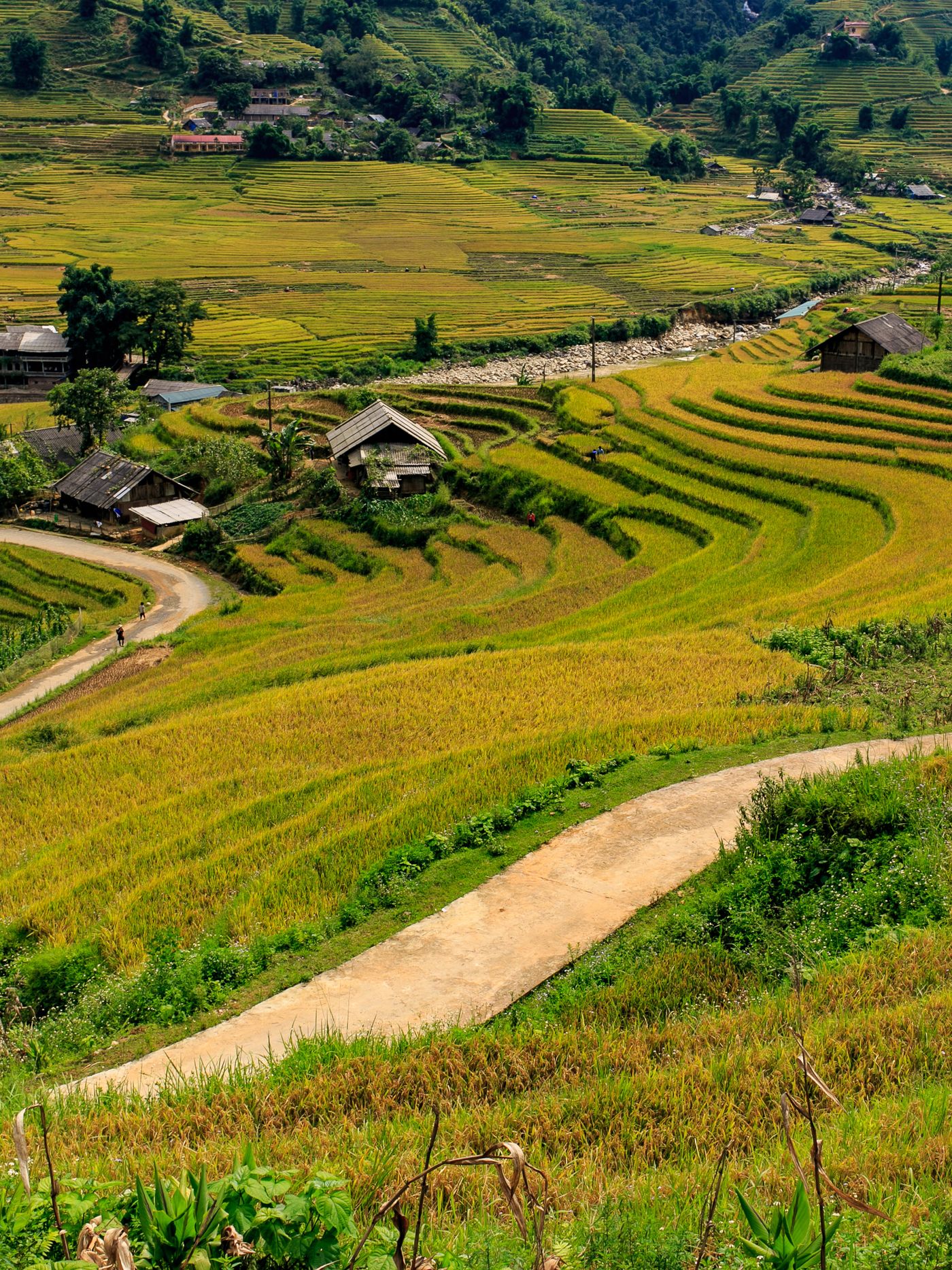
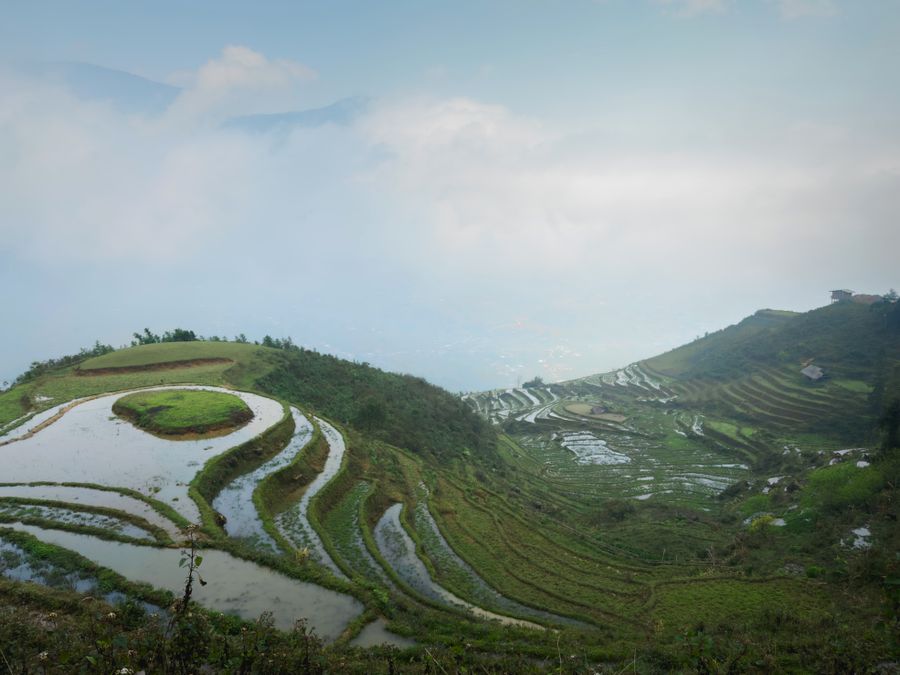
Sapa is one of the most recognizable destinations in North Vietnam — rice terraces, Fansipan, Black H'mong villages, valley walks, mountain air. Almost every first-time Vietnam traveler puts it on the list. And most leave genuinely glad they went. But Sapa in 2026 is a more complicated destination than it was five or ten years ago, and the difference between a memorable trip and a disappointing one usually comes down to a handful of decisions made before you arrive.
The honest version: Sapa town has grown significantly. The most accessible villages have become more commercial. The Fansipan cable car attracts large crowds on weekends and holidays. Cat Cat Village has entrance fees and souvenir stalls where a working village used to be. If you visit Sapa following the most popular tourist circuit, stay only in the town center, and rush through in two days, you may come away thinking Sapa is overrated.
If you choose the right season, go beyond the town, use a good local guide, and slow your pace, Sapa is still one of the most beautiful and genuinely moving destinations in Southeast Asia. The rice terraces in the valleys are real. The trekking is real. The village culture in less-visited areas is real. The mountain scenery is real. This guide helps you find it.
Sapa in 30 Seconds
Sapa is best for rice terraces, mountain trekking, ethnic village culture, Fansipan (the highest peak in Indochina), and cooler mountain weather. Plan around your main goal — rice terrace photography, trekking comfort, and avoiding crowds are not always the same thing.
At a Glance
- Best forRice terraces, trekking, villages
- Best timeMar–May, Sep–Oct
- Golden rice terracesSeptember–early October
- Recommended stay2–3 nights minimum
- Best baseSapa town (convenience)
- Best first-time trekLao Chai / Ta Van valley
- AvoidFansipan in fog, over-packed days
Is Sapa Still Worth Visiting in 2026?
Yes — Sapa is still worth visiting in 2026, but with more planning than before. The honest answer depends on what kind of traveler is asking.
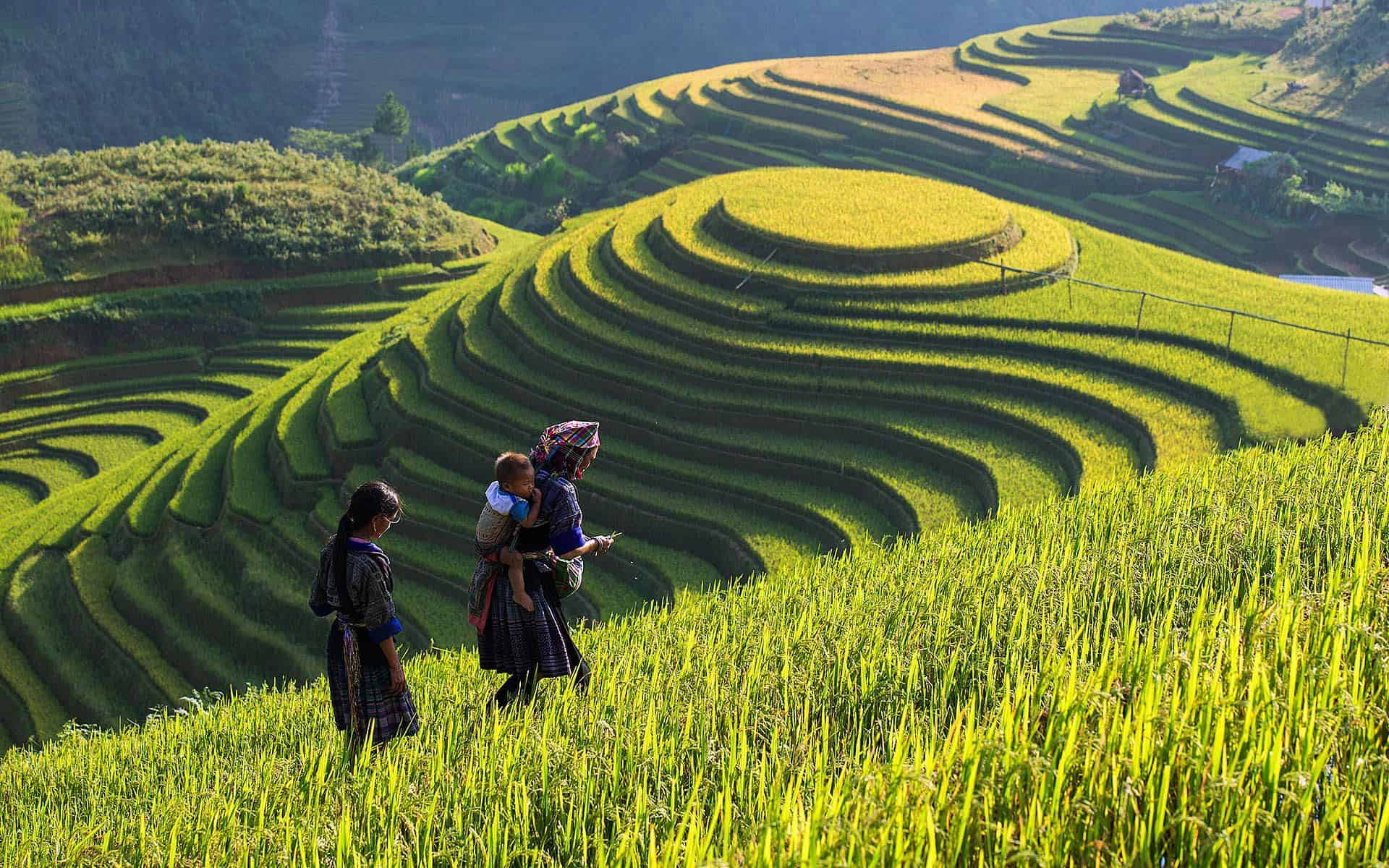
The rice terraces in the Muong Hoa Valley, the Lao Chai and Ta Van village routes, the sunrise over the mountains, and the experience of walking through working paddies with a local guide — none of that has changed. What has changed is the frame around it. Sapa town is busier. Some easy-access villages feel more like attractions than villages. Mass-market group tours move people quickly through the most famous spots, which means those spots often feel crowded.
The travelers who say "Sapa is too touristy" have usually spent most of their trip in the town center or on the most-visited routes. That is a fair observation about those specific places. It is not a fair description of Sapa overall.
Sapa in 2026 is still the right choice if you are:
- A first-time Vietnam traveler who wants to understand the north — rice terraces, mountain culture, trekking
- Traveling as a couple or small group with 3–4 days and a clear activity goal
- A family looking for a child-friendly mountain experience with infrastructure and accessible activities
- A soft trekker who wants guided valley walks without needing to be an athlete
- A photographer visiting in September for golden rice terrace season
- Someone who wants easier logistics than Ha Giang or Mu Cang Chai
Consider Ha Giang instead if you are an adventure traveler comfortable on a motorbike, have 4–5 days, and want wilder, less-developed mountain scenery. Ha Giang is more dramatic than Sapa but also more demanding — it is not suitable for families with young children or travelers who want comfortable infrastructure. Read our Ha Giang loop guide before deciding.
Consider Mu Cang Chai instead if rice terrace photography is your single main goal. Mu Cang Chai arguably has the most beautiful terraces in Vietnam, with fewer tourists in frame during the golden harvest season. But it has far fewer hotels, harder logistics, and almost none of Sapa's supporting infrastructure for non-photographers. More in the Mu Cang Chai guide.
Who Should Not Visit Sapa?
Sapa is still worth visiting, but it is not the right match for every traveler. Being honest about this helps you avoid booking the wrong trip.
- Skip Sapa if you expect untouched mountain villages with no tourism at all — choose a deeper Ha Giang or Mu Cang Chai route instead.
- Skip or shorten Sapa if you only have one rushed day from Hanoi; the road journey takes too much of the day.
- Think carefully if you hate fog, rain, or weather uncertainty; Sapa is a mountain destination and conditions change quickly.
- Do not choose Sapa only for rice terraces outside rice season; the scenery is still beautiful, but it will not match harvest photos.
- Choose a private car-based route, not trekking, if your group includes young children, older travelers, or anyone with limited mobility.
What Has Changed in Sapa Recently?
From local experience, these are the most important changes affecting Sapa trips in 2026:
- Sapa town is noticeably more developed. More hotels, more tour operators, more restaurants, more souvenir shops — and more coaches arriving on weekend mornings. The town is not unpleasant, but it no longer has the quiet mountain-village atmosphere travelers from ten years ago remember.
- Cat Cat Village has become a managed attraction. There is now an entrance fee, organized market stalls along the path, and cultural displays at the waterfall. It remains an easy and enjoyable visit, but it no longer gives the impression of a working village.
- Hotel supply has grown, but location matters more. More accommodation options exist at every price point. The challenge is choosing well — some hotels have spectacular view photos but difficult access or rooms that do not match the imagery. Check real guest reviews and confirm actual room type before booking.
- Local-guided routes are more valuable than ever. As the easiest points become more commercial, the experience gap between a well-guided private route and a standard group tour has widened. A good local guide knows which trails to take, when to leave, where to stop, and how to find quiet moments even on busy days.
- Weather planning matters more for Fansipan. The cable car is now very popular — peak days can see significant queues, and a foggy day on the summit is a genuinely wasted ticket. Check local weather reports the morning before you go.
- Booking timing has shifted. During peak seasons — especially September to October for golden rice terraces — good hotels, limousine seats, and private cars book up earlier than before. Plan 3–4 weeks ahead for popular dates.
The underlying message for 2026: the best Sapa experience is less about seeing every highlight and more about choosing the right route for your goals. A well-planned private trip to fewer places is almost always better than a rushed group tour of everything.
Best Things to Do in Sapa — with Local Advice
Not all Sapa activities are equally worth your time. Here is an honest breakdown of the main options, who they suit, and when to skip them.
1. Trek Through the Rice Terraces
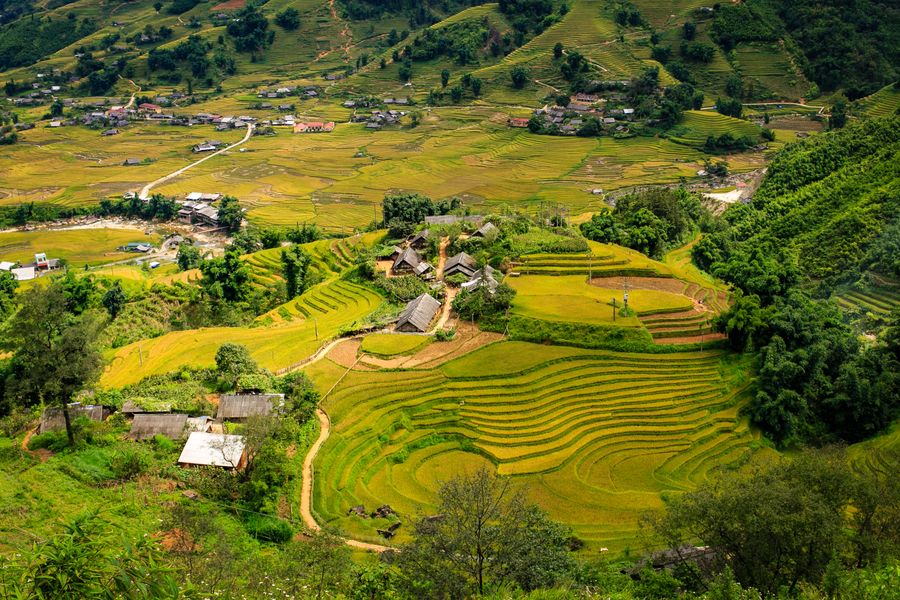
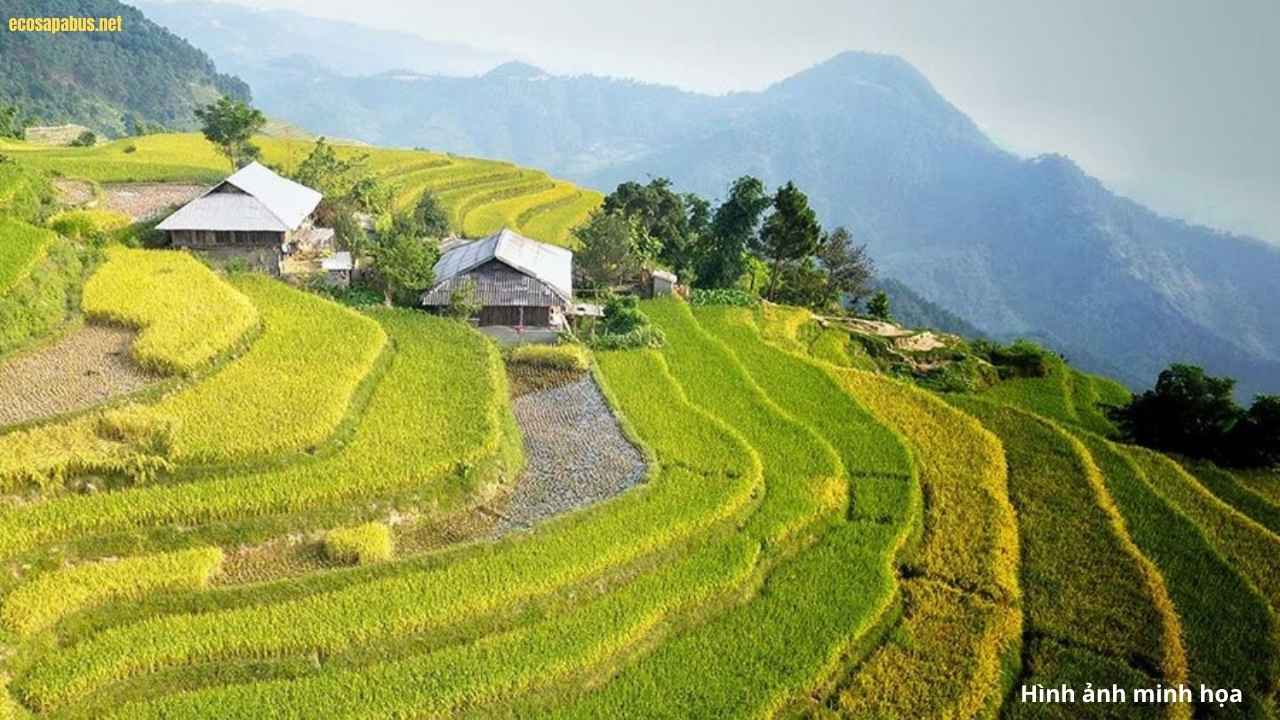
The single best Sapa experience for most travelers. Walking through the valley paddies — green in June and July, golden in September — with a local guide who explains the farming cycle, the village culture, and the landscape is something genuinely hard to replicate elsewhere. The Sapa trekking guide for beginners explains route difficulty and what to expect on different paths.
2. Lao Chai and Ta Van Villages
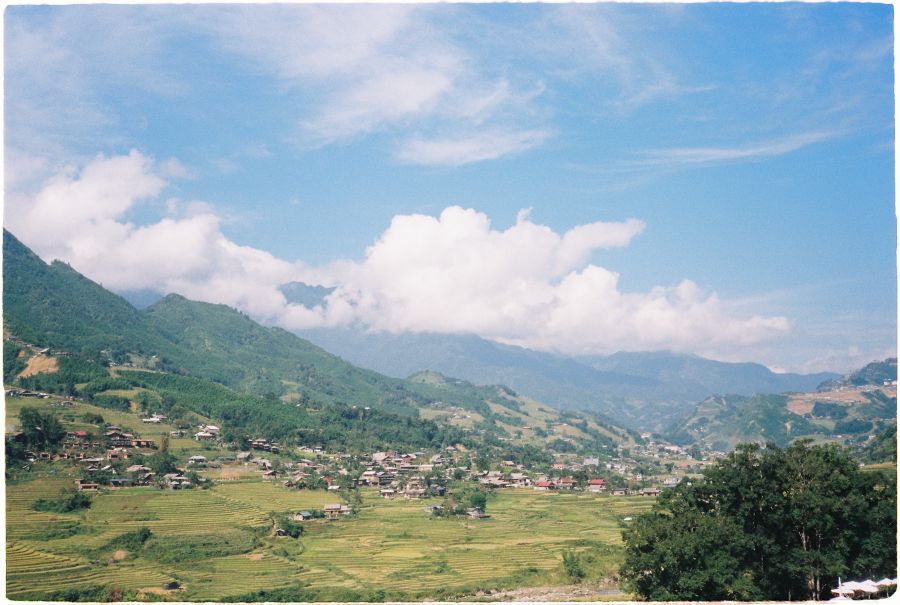
This is the recommended first-time valley route for most travelers. The path runs from Sapa town down into the Muong Hoa Valley, passing through Black H'mong villages at Lao Chai and Red Dao villages at Ta Van. The rice terrace scenery is excellent. The walk is manageable for most fitness levels. The villages still feel like working communities rather than managed attractions. Read the full Lao Chai and Ta Van village guide for route details.
3. Fansipan Cable Car
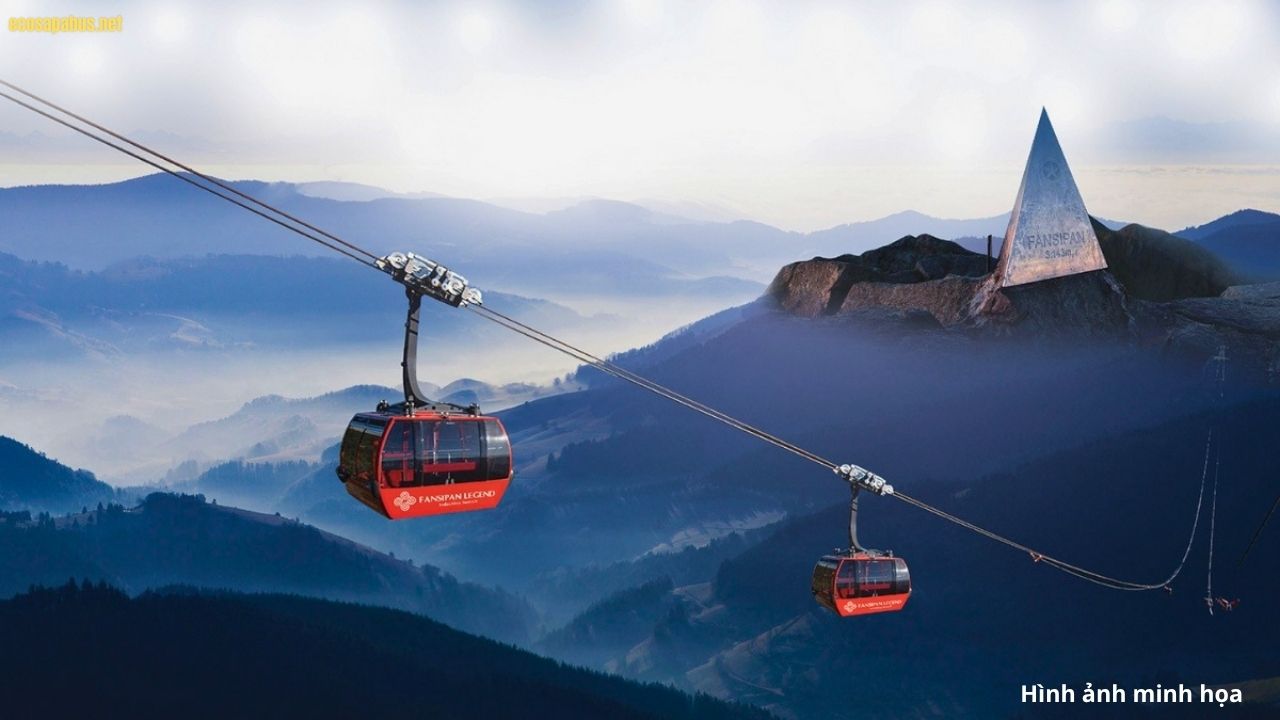
Fansipan is the highest peak in Indochina and the cable car ride to the summit station is impressive on a clear day. Best for families, travelers with limited trekking ability, and anyone who wants a dramatic mountain experience without a multi-day climb. Only worth it when visibility is good. On heavy fog days, the summit view disappears entirely and the experience is genuinely underwhelming. Check the sky from Sapa town first thing in the morning — if you can see surrounding peaks clearly, it is usually worth going. See the Fansipan guide for current ticket information.
4. Cat Cat Village
Cat Cat is easy, close to Sapa town, has a genuine waterfall, and gives a taste of H'mong village atmosphere. It is also the most commercial village in Sapa — entrance fee, souvenir stalls, organized cultural displays. Worth doing if you want an accessible half-morning activity, especially with young children. Not worth treating as representative of authentic Sapa village life. The walk down is pleasant; the return uphill is a workout. Read the Cat Cat Village guide for what to expect.
5. Muong Hoa Valley
The valley that contains the most famous Sapa rice terrace views. Walking through it — especially in September — is the experience most travelers remember most vividly. The valley is accessible by vehicle to a point, then on foot with a guide. Best for photography, soft trekking, and anyone visiting during rice season.
6. Overnight Stay in a Village or Homestay
Adding a homestay night in Ta Van, Lao Chai, or a nearby village creates a genuinely different Sapa experience — waking up with valley mist, eating a local dinner, and seeing the terraces in early morning light. This works best for couples, solo travelers, and older children with adventurous parents. It is less suitable for families with very young children or travelers who prioritize comfort. Bathrooms and heating vary significantly by property.
7. Local Ethnic Market
If timing allows, attending a local ethnic market — such as Bac Ha market on Sundays or Can Cau market on Saturdays — adds a completely different dimension to a North Vietnam trip. These are real local markets, not tourist markets. Do not force a tight itinerary to include one, but if you have a free morning and the timing fits, it is worth the detour. See the Bac Ha market guide for details.
8. Soft Trekking with a Local Guide
Not every traveler wants a full-day hard trek. Soft trekking — two to four hours through terraced valley paths, with rests and cultural stops along the way — is the best Sapa format for older travelers, families with children aged 8 and above, and anyone who wants the scenery without the physical demand. A good local guide makes the difference between a pleasant stroll and a genuinely memorable experience.
9. Private Countryside Tour by Car
For travelers who cannot or prefer not to trek, a private countryside tour by car or minivan covers rice terrace viewpoints, village stops, and valley vistas at a slower pace. This is the most recommended format for older travelers, families with toddlers, and groups where fitness levels vary. It is also the best option on rainy days when trails are muddy.
10. Sunrise or Sunset Over the Mountains
Watching the valleys fill with mist at sunrise, or the terraces turn amber at sunset, from a good viewpoint is one of Sapa's most atmospheric experiences — and completely free. The viewpoints accessible from town are sufficient for a good sunrise. Your hotel concierge or local guide can point you to the best nearby spot based on current conditions.
11. Sapa Local Food
Salmon hotpot, Sapa sturgeon, black chicken, grilled dishes, local sticky rice, and mountain vegetables are worth trying. Sapa's cooler climate supports salmon farming, which gives the region a distinctive food offer. Most good restaurants are in the town center. Homestays serve simpler home-cooked meals — good for the experience, less predictable for picky eaters.
12. Quieter Villages — Ma Tra or Ta Phin
For travelers who want to see H'mong or Red Dao village life without the Cat Cat crowd, Ma Tra and Ta Phin offer a quieter alternative. Both require a local guide and transport. Ma Tra in particular is significantly less visited and gives a genuine sense of daily village life. See the Ma Tra village guide and Ta Phin village guide for access details.
13. Sapa Town, Lake, and Stone Church
The town center is worth a slow evening walk — the lake, the Stone Church (built in 1895), the market stalls, and the cafés along the main street make for a pleasant arrival evening. Do not build a whole Sapa day around it, but use it as the bookend to longer valley or mountain days.
14. Combine Sapa with Bac Ha, Mu Cang Chai, or Ha Giang
If you have 7 or more days in North Vietnam, combining Sapa with a visit to Bac Ha market or extending toward Ha Giang or Mu Cang Chai creates a much richer north Vietnam itinerary. These combinations need proper planning — do not try to rush all three destinations in a short window. Our North Vietnam itinerary guide covers multi-destination planning.
Not Sure Which Sapa Experience Fits Your Trip?
The right Sapa route depends on your travel dates, fitness level, number of days, group type, and what you actually want to see. Here is how we usually match travelers to the right plan.
Private Sapa valley and village day tour. Covers Muong Hoa Valley, Lao Chai or Ta Van with a local guide. Avoids the most commercial routes. Best introduction to what Sapa is actually about.
Soft trekking with local guide. Two to four hours of valley walking adapted to your pace. Stops for views, cultural context, and rest. No athletic requirement.
Muong Hoa Valley photography route. Best in September–October for golden terraces. Private timing lets you stay at the best viewpoints as long as light allows.
Slow-paced private Sapa tour. One main activity per day. Private car for flexibility. Fansipan cable car as the headline experience. No forced trekking on muddy trails.
Scenic private countryside tour. Valley views, village stops, a homestay night in Ta Van, and sunrise over the terraces. The most romantic Sapa format.
Full-day local-guided trek. Longer routes through the valley, multiple villages, higher elevation changes. For travelers who want a genuine physical challenge with cultural depth.
Best Time to Visit Sapa in 2026
The best time to visit Sapa depends entirely on your goal. Rice terrace photography, trekking comfort, Fansipan visibility, and avoiding crowds are not always the same thing. Here is a direct breakdown:
| Goal | Best Time | Local Notes |
|---|---|---|
| Green rice terraces | June–August | Lush but rainy. Trails can be muddy. Mist on Fansipan is common. |
| Golden rice terraces | Mid-Sep to early Oct | Best photography window. Book transfers & hotels early. Peak demand. |
| Clear mountain views | Mar–May, Oct–Nov | Best visibility for Fansipan and summit photography. |
| Trekking weather | Mar–May, Sep–Nov | Drier trails, lower humidity. March is particularly good. |
| Fansipan visibility | Mar–May, Oct–Nov | Avoid June–August for best chance of clear summit views. |
| Fewer crowds | Nov–Feb (excluding holidays) | Cold, quiet, and atmospheric. Not ideal for rice terraces. |
| Family travel | Mar–May, Sep–Oct | Reasonable weather, manageable activity conditions for children. |
| Photography | Sep–early Oct | Golden harvest. Dramatic light. Plan the entire trip around this window. |
| Budget travel | Jan–Feb (not Tet) | Quietest period. Very cold. Limited rice terrace appeal. |
❄️ December–February
Cold, misty, possible frost at higher elevations. Atmospheric and quiet but not ideal for rice terraces. January can be genuinely cold — pack accordingly. Tet holiday weeks are crowded.
🌤️ March–May
Clearer skies, pleasant temperatures, good trekking. Rice is being planted in April–May — terraces are flooded and reflective, which is beautiful in its own way. One of the best windows for Fansipan clarity.
🌿 June–August
Green terraces, lush landscapes, higher humidity and rainfall. Trails can be slippery. Fansipan is frequently fogged in. The scenery is intensely photogenic when skies clear between showers.
🌾 September–October
The most sought-after window. Golden rice terraces in mid-September to early October. Clear skies between rain periods. Best photography conditions of the year. Book transfers and accommodation well in advance.
For most first-time visitors, September to early October or March to May are the best months to plan around. If you cannot choose those windows, Sapa is still enjoyable in other seasons — just manage your expectations for Fansipan visibility and trail conditions.
Best Sapa Route by Season
Instead of asking only “what is the best month,” match your route to the season. This makes the trip feel more current, more local, and more realistic.
March–May: Fansipan + Lao Chai/Ta Van
Better visibility, more comfortable trekking, and reflective terraces during planting season. This is one of the safest windows for first-time visitors.
June–August: Green terraces + flexible backup
Choose green terrace routes, but keep a private car or café backup for rain. Avoid locking every day into hard trekking.
September–early October: Photography route
Build the trip around Muong Hoa Valley, sunrise/sunset viewpoints, and private timing. Do not rush this season with a fixed group schedule.
November–February: Clear days + comfort base
Choose a town-based hotel, warm layers, Fansipan only when visibility is clear, and shorter village walks rather than long muddy treks.
Where to Stay in Sapa — Town, Village, or Rice Terrace View?
The where to stay in Sapa decision depends on your priority: convenience or atmosphere.
Stay in Sapa town if you want easy access to restaurants, reliable vehicle pickup and drop-off, pharmacies, straightforward luggage handling, and proximity to the Fansipan cable car station. Town-based hotels are the most practical choice for families, first-time visitors, and anyone arriving after a long journey who needs a calm first evening. For families in particular, always stay in or close to town on at least the first night.
Stay in a village or valley-view homestay if you want to wake up surrounded by rice terraces, experience the mountain atmosphere without going back to a busy town each evening, and are comfortable with a less predictable set of comforts. Ta Van and Lao Chai have a growing number of small guesthouses and homestay-style properties. These work well for couples and for photographers who want to shoot sunrise without a long early transfer.
Stay in a mountain-view resort if you want comfort with scenery — there are several properties in and around Sapa town that offer genuine mountain views from the rooms and facilities, at a range of price points. The key warning: always verify that the "mountain view" category room you are booking is actually a mountain view room, not a parking-lot view room that happens to be in the same property as photos of a beautiful view.
Families should almost always stay in town for every night of a short trip. Couples and photographers should consider mixing a town night with a village night if time allows. Luxury travelers should prioritize confirmed room type, heating, and vehicle access over the cover photo.
Staying in Sapa Town but Want a Real Local Experience?
Many travelers stay in Sapa town for convenience but still want to see the rice terraces and villages. A private day tour with a local guide is the easiest way to get both — comfortable hotel logistics on the practical side, genuine valley and village experience on the activity side.
Hotel pickup, local guide, 3–4 hour valley walk, return transfer. Comfortable pace. No route planning needed.
Best for rice terrace photography. Private timing at viewpoints. Private car flexibility to stop and linger.
The recommended first-time valley route. Local guide, village stops, cultural context, manageable fitness requirement.
Best for non-trekkers, older travelers, and rainy days. Valley viewpoints by car with short walks at the best spots.
Food and Drinking in Sapa
Sapa has a more interesting food scene than most North Vietnam mountain towns. The cooler climate supports salmon farming, sturgeon, and a range of mountain vegetables that you will not find further south. The most distinctive local dishes are worth trying for their own sake, not just for the experience of eating in a mountain setting.
What to eat: Salmon hotpot is the signature dish and genuinely excellent — the local farmed salmon has good flavor and the hotpot format works well in the cool mountain air. Sturgeon prepared various ways, black chicken (a local mountain breed with distinctive flavor), grilled dishes with local herbs, sticky rice, and mountain vegetables round out the picture. Thắng cố — a traditional stew of horse meat or offal — is authentic but an acquired taste and genuinely not for everyone.
Where to eat: The town center has the widest restaurant selection, ranging from local Vietnamese places to international cafés. Most good dining is within walking distance of the main lake and town square. Homestay meals are simpler — home-cooked rice, vegetables, tofu, and sometimes meat — but the experience of eating with a host family has its own value.
For families and picky eaters: The town center has enough variety that even children with limited food preferences can eat well. Local rice dishes, grilled chicken, noodle soups, and eggs are reliably available. Do not depend on homestays to cater for specific dietary requirements.
For vegetarians: Sapa town has several restaurants with genuine vegetarian options. Specify clearly when ordering — some dishes that appear vegetarian include pork-based broth or fish sauce. Advance notice helps in homestay settings.
How to Get from Hanoi to Sapa
The Hanoi to Sapa transfer guide covers this in full detail. The summary of main options:
| Option | Travel Time | Best For | Pros | Cons | Local Verdict |
|---|---|---|---|---|---|
| Limousine van | 4.5–5 hrs | Solo, couples, small groups | Comfortable, affordable, door-to-hotel, reliable schedule | Shared vehicle, fixed departure times | ✅ Best balance for most travelers |
| Private car | 4.5–5 hrs | Families, airport pickups, older travelers, groups | Door-to-door, flexible stops, no shared timing | Higher cost than limousine | ✅ Best for families and airport arrivals |
| Sleeper bus | 5–6 hrs | Budget travelers | Cheap, direct | Less comfortable, not suitable for families with young kids or light sleepers | ⚠️ Budget option only |
| Train to Lao Cai + transfer | 8–9 hrs total | Train enthusiasts, those with flexible time | Scenic overnight train option, interesting experience | Train arrives in Lao Cai, not Sapa — additional 1-hour transfer adds cost and logistics | ⚠️ Nostalgic but less convenient |
| Motorbike | 5–6 hrs | Experienced riders only | Flexible, scenic, independent | Mountain roads require real riding experience. Not recommended for tourists without prior mountain riding | ❌ Not recommended for most tourists |
If you are unsure which transfer option suits your arrival time, hotel, luggage, and group type, ask the EcoSapa Bus team on WhatsApp before you book — it takes two minutes and can prevent a frustrating logistics decision.
How Much Does a Sapa Trip Cost in 2026?
Exact prices change by season, room category, vehicle type, and guide quality, so avoid relying on old price lists. The useful way to think about cost is by travel style.
Shared transfer + simple guesthouse + one guided day
Best for backpackers and solo travelers who want to control costs but still invest in one proper local-guided valley day.
Do not cut: local guide quality for the main trekking day.
Limousine + town hotel + private guide
The strongest value for most couples and first-time visitors: comfortable transfer, practical hotel, and one high-quality private route.
Do not cut: hotel location and weather-flexible itinerary design.
Private car + flexible guide + slower itinerary
Best for families, older travelers, photographers, and anyone with limited time. The cost is higher, but it removes the most common friction points.
Do not cut: private transfer if children, luggage, or flight timing make logistics sensitive.
How to Get Around Sapa
Getting around Sapa depends on where you are based and what you are doing:
| Traveler Type | Best Way to Get Around | Why |
|---|---|---|
| First-time visitors | Local guide + private car | Route planning included, cultural context, no wrong turns |
| Families | Private car with local guide | Flexible stops, luggage, children's pace, driver handles roads |
| Older travelers | Private car + short walks only | No pressure on pace or terrain; viewpoints accessible by road |
| Photographers | Private car, flexible timing | Stay at viewpoints as long as needed; chase light conditions |
| Active trekkers | Trekking with local guide | Route safety, cultural stops, better trail knowledge |
| Budget travelers | Walking in town + local guide for valley | Town is walkable; valley routes need a guide regardless |
| Town-based stays | Walking + taxi for Fansipan | Most town activities are within walking distance |
| Village-based stays | Local guide for all routes | Trail splits and conditions require local knowledge |
Private Tour vs Group Tour vs Self-Guided in Sapa
The right tour style depends on how much flexibility you need. In Sapa, weather and route choice matter enough that the cheapest option is not always the best value.
| Style | Best For | Pros | Cons | Local Verdict |
|---|---|---|---|---|
| Self-guided | Town walks, Cat Cat Village, budget travelers | Cheapest, flexible around town | Weak cultural context, route uncertainty, risky in fog or rain | Fine for Sapa town and Cat Cat; not ideal for valley trekking. |
| Group tour | Solo travelers on tight budget | Lower cost, easy to book | Fixed pace, crowded routes, little weather flexibility | Choose carefully; avoid unclear route descriptions. |
| Private tour | Families, couples, photographers, older travelers | Flexible timing, better guide attention, route can change with weather | Higher cost | Best value when experience quality matters more than the lowest price. |
If your main reason for visiting Sapa is rice terraces, cultural context, photography, or traveling with children, a private tour usually produces a better trip because the guide can adjust the route and pace on the day.
Suggested Sapa Itineraries — 1, 2, and 3 Days
🕐 1 Day in Sapa (Day Trip from Nearby)
A 1-day trip from Hanoi is not recommended — the road journey takes 4.5–5.5 hours each way, leaving almost no time in Sapa itself. If a day trip is unavoidable, choose either Fansipan or a short valley walk. Do not attempt both. A rushed visit to two things usually means a satisfying visit to zero things.
Arrive by 10am. Choose one main activity — Fansipan cable car (if visibility is good) or a 2-hour local-guided valley walk. Slow lunch. Return by 3pm to reach Hanoi by early evening. Manage expectations accordingly.
📅 2 Days in Sapa (1 Night) — Full 2-day Sapa itinerary →
Arrive mid-morning via limousine or private car. Check in. Light lunch in town. A slow afternoon walk around the lake, Stone Church, and market area. Evening dinner in town. Early bed — the journey is tiring and Day 2 needs energy.
Choose one: Fansipan (full morning, cable car) or a Muong Hoa Valley / Lao Chai / Ta Van local-guided walk (half to full day). Do not try to do both in a single day. Return transfer to Hanoi in the late afternoon or early evening. Do not book a tight flight the same evening.
Two days is the minimum for a meaningful Sapa trip. It is tight but workable if you choose one clear goal and do not try to cover everything. Three days is significantly more enjoyable.
📅 3 Days in Sapa (2 Nights) — Full 3-day Sapa itinerary →
Arrive by mid-morning. Check in. Afternoon town walk: lake, Stone Church, market. Light Cat Cat Village visit if energy allows. Evening hotpot dinner. This is a travel day — do not overpack it.
The main activity day. Local-guided trek through Lao Chai, Ta Van, and Muong Hoa Valley, or a soft trekking route suited to your fitness level. Full day. This is the most memorable day of most Sapa trips. Do not rush it.
Check Fansipan visibility from your hotel window first thing. If clear: cable car in the morning, lunch in town, return transfer in the afternoon. If foggy: a soft countryside car tour, a local market, or Ma Tra / Ta Phin village visit. Return transfer to Hanoi by mid-afternoon.
This is the best format for most first-time visitors. It gives one arrival day, one full activity day, and a flexible final morning. Do not book a same-evening international flight on Day 3 — the return road journey takes 4.5–5.5 hours.
📅 4 Days in Sapa — Adding Bac Ha Market or Deeper Trekking
A fourth day allows adding Bac Ha Sunday market (a genuine local market worth seeing if timing aligns), a more demanding trekking route into the deeper valley, or a relaxed morning before a later return. If combining Sapa with Ha Giang or Mu Cang Chai, plan the full North Vietnam itinerary carefully — do not rush between destinations. At least 7 days total is needed for a comfortable Sapa + Ha Giang combination.
Turn This Itinerary Into a Private Sapa Trip
If you like this itinerary structure but do not want to arrange transfers, local guides, village routes, hotel pickup timing, and weather backup plans yourself, a private Sapa trip is the most practical option. You get the route quality without the logistics.
Avoids the wrong village choice, rushed group tour pace, and unclear transfer logistics.
One activity per day, private car, flexible timing, no dependency on a group schedule.
Private guide, valley homestay option, photography-friendly timing at viewpoints.
Every day is optimized. No wasted half-days on wrong routes or foggy Fansipan visits.
Local Tips to Avoid Common Sapa Mistakes
-
1Visiting only Sapa town and concluding Sapa is too touristy
The town center is the most commercial part of Sapa. The rice terraces, valley routes, and quieter villages are not. Do not judge the destination by its front door. Better choice: get out of town on at least one full day with a local guide.
-
2Doing Cat Cat Village and assuming all Sapa villages are like that
Cat Cat is the most commercialized village in Sapa. It gives a curated experience, not an authentic one. Better choice: if you want village culture, Lao Chai, Ta Van, Ma Tra, or Ta Phin give a more genuine picture.
-
3Trying to visit too many villages in one day
Each village deserves time to appreciate. Rushing through four villages in one day means you see none of them properly. Better choice: one or two villages per day, with time to walk, stop, and take in what is around you.
-
4Booking Fansipan without checking weather
A foggy Fansipan visit — which is common especially June through August and on rainy days year-round — produces a genuinely disappointing experience. Better choice: look at the surrounding peaks from your hotel window first thing in the morning. If they are visible, Fansipan is worth it.
-
5Choosing hotels only by mountain-view photos
Mountain-view photos are used in virtually every Sapa hotel listing. Many rooms in those same hotels have no mountain view at all. Better choice: read real guest reviews, confirm the specific room type at booking, and ask explicitly about the view from your assigned room.
-
6Underestimating the cold
Sapa is at 1,500m altitude. Even in summer, evenings are cool. In winter, temperatures can drop to near zero and lower at altitude. Better choice: pack at least one warm layer regardless of when you are visiting. The summit of Fansipan is cold year-round.
-
7Wearing poor shoes for trekking
Muddy trails, uneven terrain, and occasional rain make proper footwear essential. Sandals, city sneakers, and flat-soled shoes are genuinely uncomfortable and sometimes unsafe on wet trails. Better choice: proper walking shoes with grip, or hiking boots for longer routes.
-
8Self-driving a motorbike without mountain road experience
Sapa's mountain roads are steep, winding, and frequently wet. They require real riding experience. Tourists with only flat-road experience regularly encounter difficulty. Better choice: use a private car or local motorbike driver rather than renting and riding yourself unless you have genuine mountain riding experience.
-
9Booking very cheap group tours with unclear routes
Very cheap group tours often cover only the most commercial routes, rush between stops, and provide guides with limited cultural knowledge or language ability. Better choice: pay for quality guidance. The cost difference between a mediocre group tour and a good local-guided private tour is small relative to the experience difference.
-
10Not carrying cash in village areas
Card payments are not reliably available in villages, at local stalls, or for small services. ATMs are in Sapa town but not in valley or village areas. Better choice: withdraw enough cash in town before heading out for the day.
-
11Planning a tight return to Hanoi before a flight
The road journey from Sapa to Hanoi takes 4.5–5.5 hours under normal conditions. Mountain weather, weekend traffic, or road construction can extend this further. Better choice: leave at least 6 hours between your Sapa departure and any Hanoi flight or onward connection — more if it is a weekend or peak season.
-
12Not adjusting the itinerary for rain or fog
Weather in Sapa is unpredictable. A plan built entirely around outdoor trekking can fall apart on a rainy day. Better choice: have a backup option — a private countryside car tour, Cat Cat Village, a cooking class, a café morning — for any day when conditions are poor.
Sapa for Different Traveler Types
🌏 First-Time Vietnam Visitors
- PrioritizeLao Chai / Ta Van valley route with local guide, Fansipan on a clear day
- AvoidRushing Cat Cat and Fansipan on the same day
- Best format3-day private trip with hotel pickup and local guide included
💑 Couples
- PrioritizeValley homestay night, sunrise viewing, private guided walk
- AvoidHeavily crowded Fansipan on peak weekends
- Best formatPrivate countryside tour + one village homestay night
👨👩👧 Families
- PrioritizeOne main activity per day, town hotel first night, Fansipan cable car
- AvoidHard trekking with young children, remote hotel on arrival night
- Best formatPrivate car + slow-paced 3-day itinerary. Full guide at Sapa with kids →
📷 Photographers
- PrioritizeSeptember–October golden terrace season, private car with flexible timing
- AvoidFixed group tour schedules that rush viewpoints
- Best formatPrivate guided photography route, Muong Hoa Valley, sunrise timing
🏃 Active Trekkers
- PrioritizeFull-day guided treks, deeper valley routes, higher elevation trails
- AvoidSelf-trekking in fog or unfamiliar terrain without local knowledge
- Best formatLocal guide for all serious routes. See Sapa trekking guide →
🧓 Older Travelers
- PrioritizePrivate car countryside tour, Fansipan cable car, town walks
- AvoidMuddy trails, uneven terrain without support, remote village transfers
- Best formatPrivate car with flexible day structure, town-based hotel
💎 Luxury Travelers
- PrioritizeConfirmed mountain-view room category, private guide, private car from Hanoi
- AvoidBooking only by hotel photos without verifying room type and location
- Best formatPrivate car from Hanoi, boutique valley-view hotel, private daily guide
💰 Budget Travelers
- PrioritizeLimousine transfer, hostel or guesthouse in town, self-guided town walks
- AvoidVery cheap group tours with no clear route or guide quality
- Best formatShared limousine + one day of quality local-guided trekking (worth the cost)
Sapa vs Ha Giang vs Mu Cang Chai — Which Should You Choose?
This is the most common decision travelers face when planning North Vietnam. Here is the honest local view:
| Destination | Best For | Pros | Cons | Choose This If… |
|---|---|---|---|---|
| Sapa | First-timers, families, soft trekkers, rice terraces, Fansipan | Easier logistics, good infrastructure, wide range of activities, family-friendly | More commercial than before, town center is busy, easiest villages are curated | You want a balance of scenery, activities, comfort and ease. This is your first North Vietnam trip. |
| Ha Giang | Adventure travelers, road-trip enthusiasts, motorbike riders | More dramatic mountain scenery, less mass-tourism, genuinely wild landscape | Requires 4–5 days minimum for the loop, motorbike or jeep experience needed, not suitable for young families | You want adventure over comfort, have the time, and are comfortable with less predictable logistics. Read our Ha Giang guide → |
| Mu Cang Chai | Serious photographers, rice terrace seekers, off-beaten-track travelers | Arguably the most photogenic terraces in Vietnam, fewer tourists in frame | Harder to reach, very few hotels, almost no tourist infrastructure, no major alternative activities | Rice terrace photography is your single main goal and you are willing to trade comfort and logistics ease for fewer crowds. See our Mu Cang Chai guide → |
Sapa Travel Guide 2026 — FAQ
Yes — Sapa is still worth visiting in 2026. The rice terraces, trekking routes, Fansipan, and ethnic village culture are genuinely impressive. The honest caveat is that Sapa town itself is more developed and commercial than it was five or ten years ago. Travelers who only visit the town center, follow mass-market routes, or rush through in one day are more likely to feel disappointed. Travelers who choose the right season, go beyond the town, use a local guide, and slow their pace almost always leave very satisfied.
The town center and the most accessible villages — like Cat Cat — are visibly more commercial than before. That observation is fair. But the rice terraces in the valleys, the quieter villages like Ma Tra and Ta Phin, the Muong Hoa Valley, and local-guided trekking routes are still far from overrun. The key is planning: choose the right route, avoid peak-season weekends if you want fewer crowds, and look beyond the main town for the most authentic Sapa experience.
For most first-time visitors, 3 days and 2 nights is the sweet spot. It allows one full day for Fansipan or a valley trek, one day for a village route or local market, and a slow morning before departure. Rushed 1-day trips from Hanoi are possible but deeply unsatisfying — the journey alone takes 4.5–5.5 hours each way. Two nights minimum is strongly recommended for anyone who wants a real Sapa experience.
For most travelers, September to early October is the single best window — golden rice terraces, clearer skies between rain periods, and dramatic valley views. March to May is excellent for clear trekking weather and green landscapes. The worst months for weather are January (cold, possible frost) and July–August (peak rain, heavy mist on Fansipan). The best month depends on what you want most: rice terrace photography, trekking comfort, or avoiding crowds.
The rice terraces are bright green from around late May through August. The greenest period is typically June and July, when the paddies are fully planted and lush. This coincides with the rainy season, so conditions can be muddy and misty — but the landscape is intensely photogenic when skies clear between showers. Photographers who are flexible on weather timing often find the green terrace season extremely rewarding.
The golden rice harvest period is roughly from mid-September to early October, peaking around the last two weeks of September. This is the most photographed window in Sapa. Timing varies slightly by altitude and village — lower terraces often turn golden first. Booking transfers and accommodation early is essential during this period, as demand is high and good rooms sell fast.
Fansipan is worth it when visibility is good. The cable car is impressive, the views from the summit area are dramatic, and the experience of standing at the highest point in Indochina is genuinely memorable. Skip it when Sapa is in heavy fog — you will pay for a cable car ride into a white cloud and see almost nothing. Check the weather the morning before you go. If the surrounding peaks are visible from town, the summit is likely to be clear.
Cat Cat is easy, accessible, and has a genuine waterfall and village atmosphere. It is also more commercial than it was a few years ago — entrance fee, souvenir stalls, and organized market areas make it feel curated rather than authentic. That said, for families with young children or travelers with limited mobility, Cat Cat is a practical and pleasant activity. Just do not treat it as representative of all Sapa villages. The valley routes further out are more authentic.
For easy, well-marked routes like Cat Cat Village, a guide is optional. For valley and village routes like Lao Chai, Ta Van, and Muong Hoa Valley, a local guide is strongly recommended — trails split, signage is inconsistent, and a local guide adds genuine cultural context that the walk itself cannot provide. For any route in fog, rain, or unfamiliar terrain, do not self-trek without knowing the path well. A good local guide is one of the best investments in a Sapa trip.
Yes — Sapa is very enjoyable without trekking. The Fansipan cable car, Cat Cat Village, Sapa town walks, the lake, the Stone Church, and a private countryside tour by car are all meaningful activities that require little or no trekking fitness. Older travelers and families with young children often do excellent Sapa trips without any serious trekking. Rice terrace views are visible from roads, viewpoints, and valley hotels without needing to walk long distances.
Sapa is good for families when the itinerary is adapted for children. One main activity per day, a practical hotel in or near town for the first night, the Fansipan cable car as the headline experience, Cat Cat Village as an easy village walk — these form a genuinely enjoyable family trip. The mistake families make is copying a fast backpacker schedule. With a slower pace and private transfer, Sapa is one of the most memorable destinations in North Vietnam for children. Full advice in our Sapa with kids guide →
For first-time visitors and families, stay in Sapa town for at least the first night — it gives easy access to restaurants, pharmacies, vehicle pickup, and logistical convenience after a long journey. If time allows, adding one night in a village or valley-view homestay on the second night creates a beautiful contrast. Photographers and couples often prefer a valley-view stay for the scenery. The town vs village decision depends on comfort preference, logistics, and trip length.
The most popular options are limousine van (4.5–5 hours, comfortable, affordable, most popular for solo travelers and couples), private car (door-to-door, flexible, best for families and airport pickups), and sleeper bus (budget, less comfortable). The overnight train to Lao Cai followed by a Sapa transfer is nostalgic but adds a logistical step and is less convenient than a direct limousine. For most first-time visitors, the limousine van is the best balance of comfort, cost, and convenience.
They are different experiences, not competing ones. Sapa is better for first-time visitors, families, soft trekkers, and travelers with limited time — it is easier to reach, more developed, and has clearer logistics. Ha Giang is better for adventure travelers, road-trip enthusiasts, and those willing to spend 4–5 days on a motorbike or jeep loop through dramatic mountain scenery. Ha Giang has fewer mass-tourism facilities and is not recommended for families with young children.
Mu Cang Chai has arguably the most photogenic rice terraces in Vietnam, with fewer crowds and a quieter atmosphere than Sapa. But it is harder to reach, has far fewer hotel options, and offers almost none of Sapa's supporting infrastructure. Sapa is the better choice for most first-time visitors and travelers who want a balance of scenery, activities, comfort, and ease. Mu Cang Chai is the better choice for serious photographers specifically chasing golden terrace images with fewer tourists in the frame.
Two days (1 night) in Sapa is possible but rushed, especially from Hanoi. The journey each way takes around 4.5–5.5 hours, so a 1-night trip leaves only one real day of activity. If that is all you have, choose one experience — Fansipan or a valley walk — and do it well rather than trying to squeeze in both. Two nights in Sapa is a far better experience for most travelers.
The most common mistakes: visiting only the town center and assuming all Sapa is that commercial; doing Cat Cat and thinking it represents all Sapa villages; booking Fansipan on a foggy day without checking visibility; choosing hotels only by mountain-view photos without checking location or heating; trying to visit too many villages in one day; not carrying cash in village areas; booking a tight return to Hanoi the same evening as a flight; and not packing warm layers regardless of the season.
For most travelers, yes — especially families, couples, photographers, older travelers, and anyone who values flexibility over saving a small amount on a group tour. A private tour allows the guide, route, pace, and timing to be adjusted on the day based on weather, interest, and energy. It avoids the worst problem with group tours: being locked into a fixed schedule on a day when fog has closed Fansipan, or being rushed away from a rice terrace viewpoint that you could have stayed at for an hour.
Plan Your Custom Sapa Trip for 2026
Sapa is best when the route matches the traveler. The right trip depends on your season, fitness level, weather, hotel location, group size, and whether you want comfort, adventure, or photography. There is no single correct Sapa itinerary — but there are itineraries that are right for you.
Tell us your travel dates, group size, hotel preference, and travel style — we will suggest the most realistic Sapa route and help you avoid the most common planning mistakes.