Why Bac Ha Market Still Matters in 2026
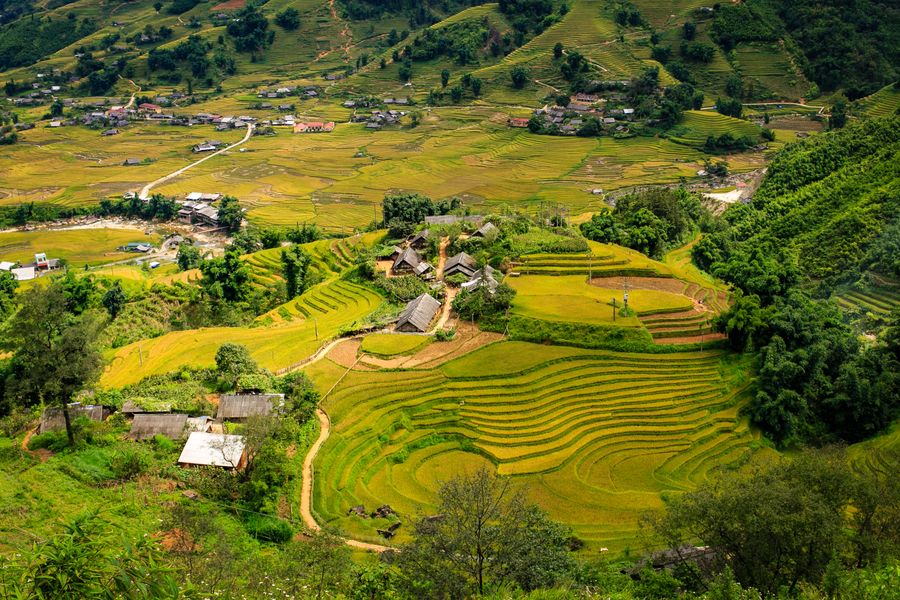
Bac Ha Market is not just a place to buy souvenirs. Every Sunday morning, highland communities from around Lao Cai Province gather in Bac Ha town to trade textiles, food, produce, household goods, livestock, and news from the week. For travelers, this is one of the clearest ways to understand North Vietnam beyond rice terraces and mountain views.
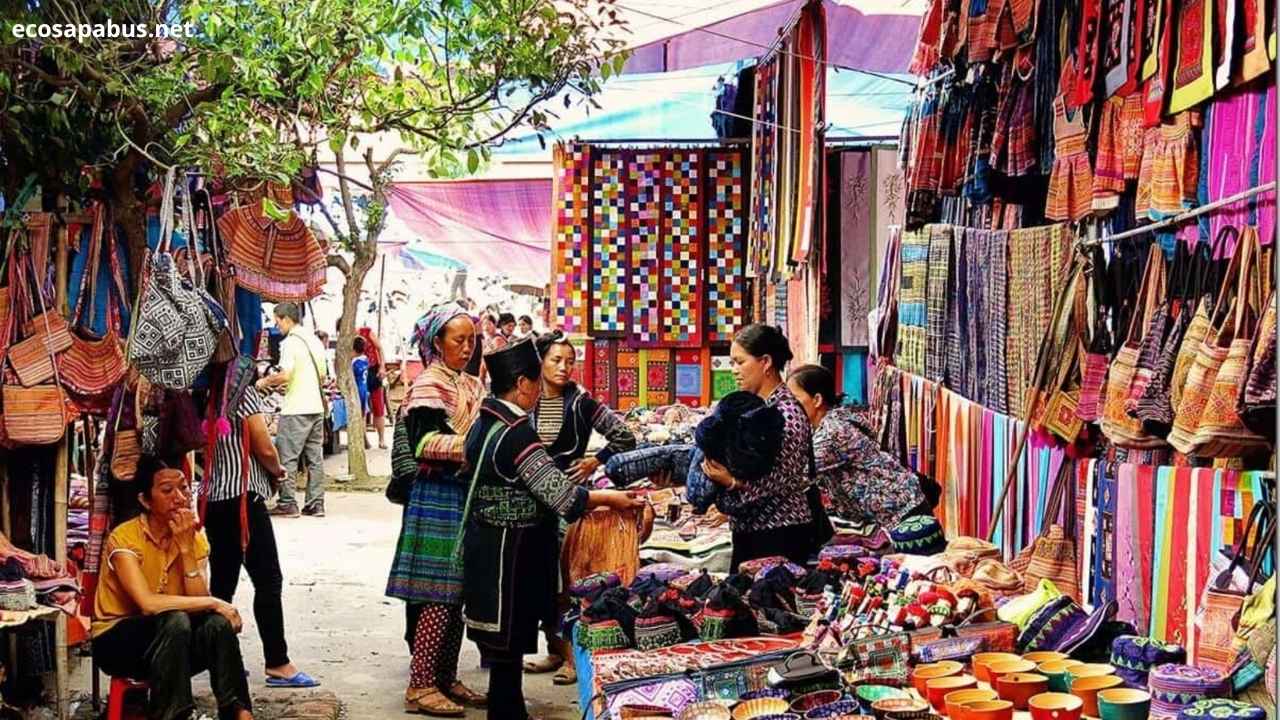
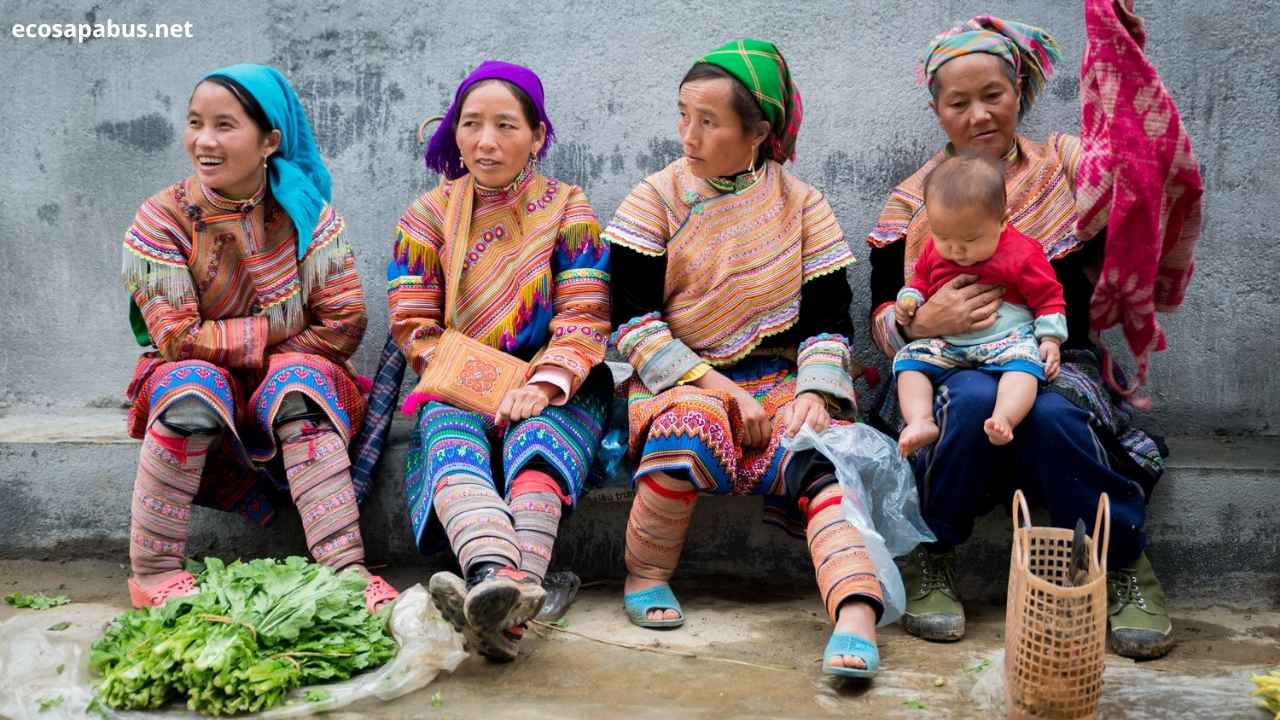
The market is best known for the Flower Hmong community, whose bright embroidered clothing gives Bac Ha its famous color. But the strongest reason to visit is not only the color. It is the fact that the market still works as a real weekly gathering for local people. Tourists come, yes — but tourism is not the market's only purpose.
The catch is timing. Bac Ha Market is worth the trip only if you visit on Sunday morning, arrive early, move respectfully, and avoid forcing it into an overloaded Sapa itinerary. If your main reason for North Vietnam is rice terraces and trekking, start with our Sapa travel guide 2026. If your trip includes a Sunday, Bac Ha can add a cultural layer that Sapa trekking alone cannot provide.
Bac Ha Market in 30 Seconds
The honest answer: Bac Ha Market is worth visiting in 2026 if you can be there early on a Sunday morning. It is one of North Vietnam's most rewarding highland market experiences for culture-focused travelers, photographers, and visitors already staying in Sapa or Lao Cai.
📋 At a Glance
- Market daySunday morning
- Best arrivalEarly morning
- Time needed2–4 hours
- Best baseSapa / Lao Cai / Bac Ha
- Best forCulture, textiles, photography
- Guide needed?Recommended
- Local verdictWorth it if timed well
Is Bac Ha Market Worth Visiting in 2026?
Yes — but only for the right traveler and the right itinerary. Bac Ha Market is worth visiting if you want a real highland market, can handle an early start, and are interested in local culture rather than only scenery.
The market is not untouched. Travelers visit, sellers are used to cameras, and some stalls serve visitors. But Bac Ha is still more culturally meaningful than staged tourist villages because the market's core purpose remains local trade and weekly social gathering.
A private guide or private car is not always necessary, but it can be valuable here. The guide explains what you are seeing, helps with photography etiquette, and keeps the morning from becoming a rushed walk through a colorful crowd without context.
Bac Ha Market vs Sapa: What Is the Difference?
Bac Ha and Sapa are not substitutes. Sapa is for rice terraces, trekking, Fansipan, and valley scenery. Bac Ha is for a Sunday highland market: textiles, food, livestock, trade, and local community gathering.
| Category | 🏔️ Sapa | 🎨 Bac Ha Market |
|---|---|---|
| Main reason to visit | Rice terraces, trekking, Fansipan, mountain views | Sunday ethnic market, Flower Hmong textiles, local trade |
| Best time | 2–3 days, any day of week | Sunday morning only |
| Best for | First-time visitors, families, trekkers, couples | Photographers, culture-focused travelers, Sapa return visitors |
| Local verdict | Main base for most North Vietnam trips | Excellent Sunday add-on if timing works |
Bac Ha Market 2026 Update Checklist
The market has not become a staged show, but travel expectations have changed. Visitors need clearer timing, better etiquette, and better logistics than most old blog posts explain.
When Is Bac Ha Market Held?
Bac Ha Market is held every Sunday morning. This is the main fact that should shape your itinerary. The market is most active in the morning, and late arrivals see a weaker version of the experience.
Plan to spend 2–4 hours at the market. Less than 90 minutes feels rushed; more than 4–5 hours usually means the market has started to wind down.
Should you stay overnight in Bac Ha? Serious photographers and culture-focused travelers should consider sleeping in Bac Ha on Saturday night. It gives you the earliest start and removes Sunday road stress. For most travelers, an early private car from Sapa or Lao Cai is enough.
What to See & Do at Bac Ha Market
The best way to visit Bac Ha Market is to slow down. Start with the main streets, then move into the textile, food, produce, household goods, and livestock areas. Do not treat the market as one quick photo stop.
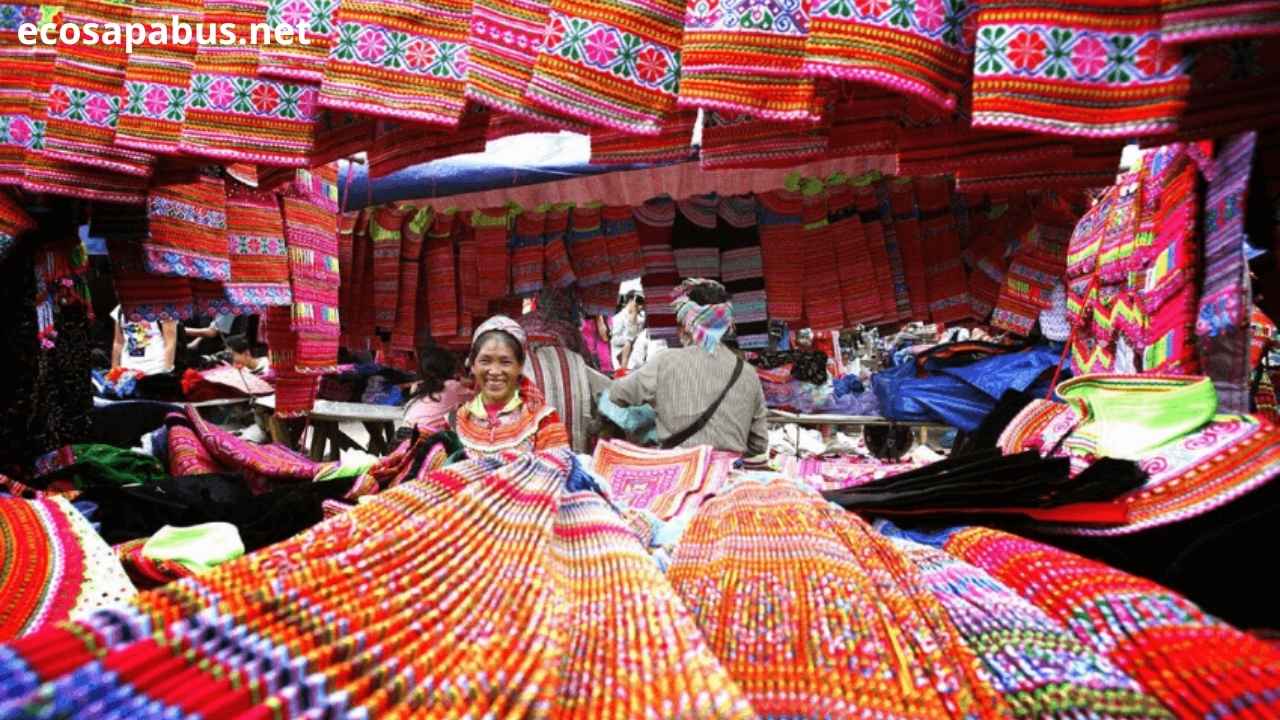
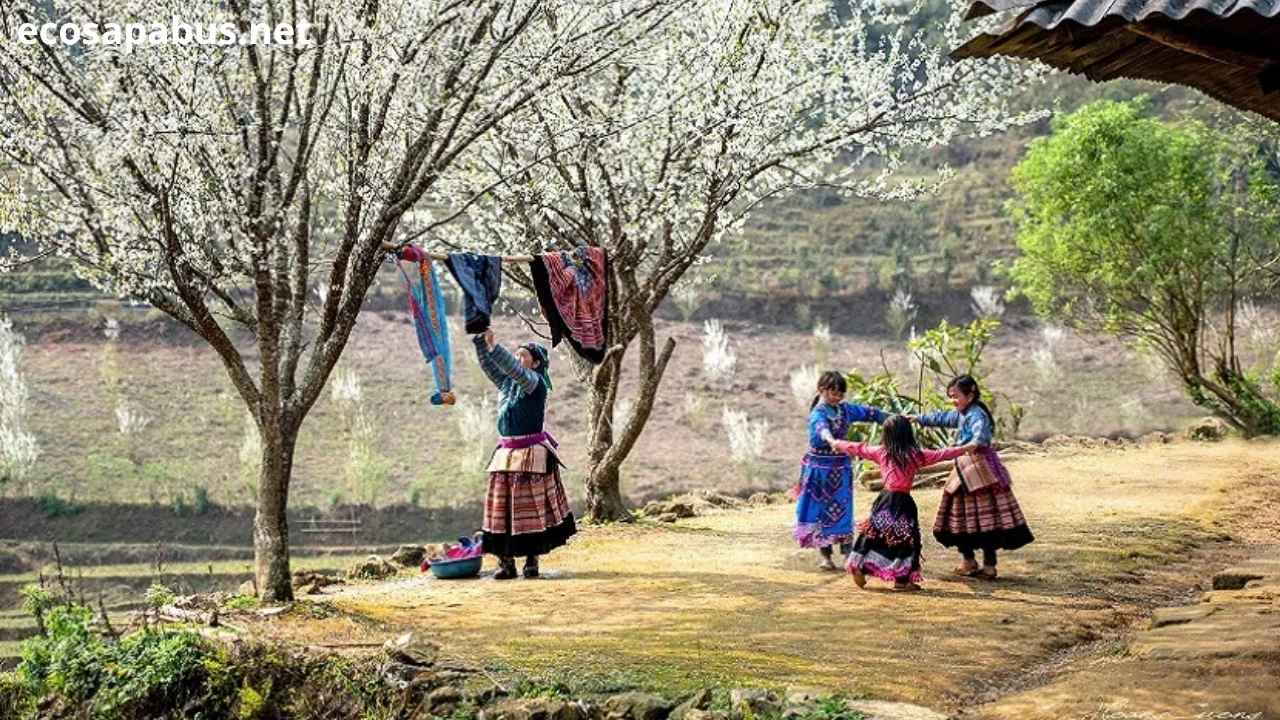
🎨 Flower Hmong textiles
Browse embroidered clothing, scarves, bags, indigo fabric, and colorful patterns. Look before buying; quality and style vary across stalls.
Local advice: buy directly and bargain gently. Handmade work deserves respect.
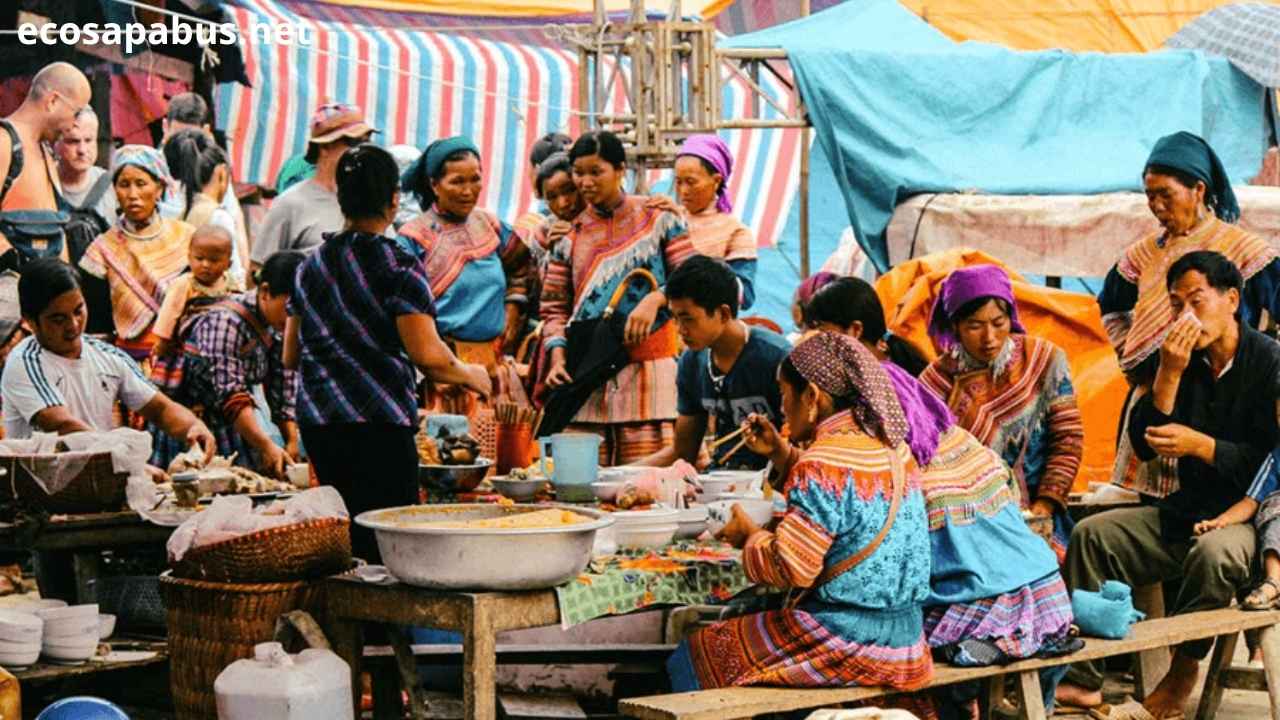
🍜 Local food stalls
Try hot noodle soup, sticky rice, grilled corn, tea, or simple snacks. Choose freshly cooked food and keep expectations practical.
🥬 Produce & farming goods
Fresh vegetables, herbs, roots, baskets, tools, and daily goods show the market's real commercial function beyond tourism.
🐄 Livestock area
Culturally important but not for everyone. Observe from a respectful distance and avoid intrusive photos.
👀 People-watching
Some of the best moments come from standing still: families eating, sellers talking, buyers negotiating, and the market moving around you.
🏘️ Bac Ha town & Hoang A Tuong Palace
If time allows after the market, add a short stop in town or at the old palace. Do not sacrifice early market time for it.
Bac Ha Market Etiquette: How to Visit Respectfully
Bac Ha is a working market, not a performance. The most respectful approach is to move slowly, buy thoughtfully, and photograph carefully.
- Ask before taking close-up portraits. Hold up your camera and wait for a clear yes.
- Do not block sellers or customers. People are there to trade, not to serve as background.
- Do not treat traditional clothing as a costume. The clothing is part of real daily identity and culture.
- Bargain politely. Mild negotiation is fine; aggressive bargaining is not.
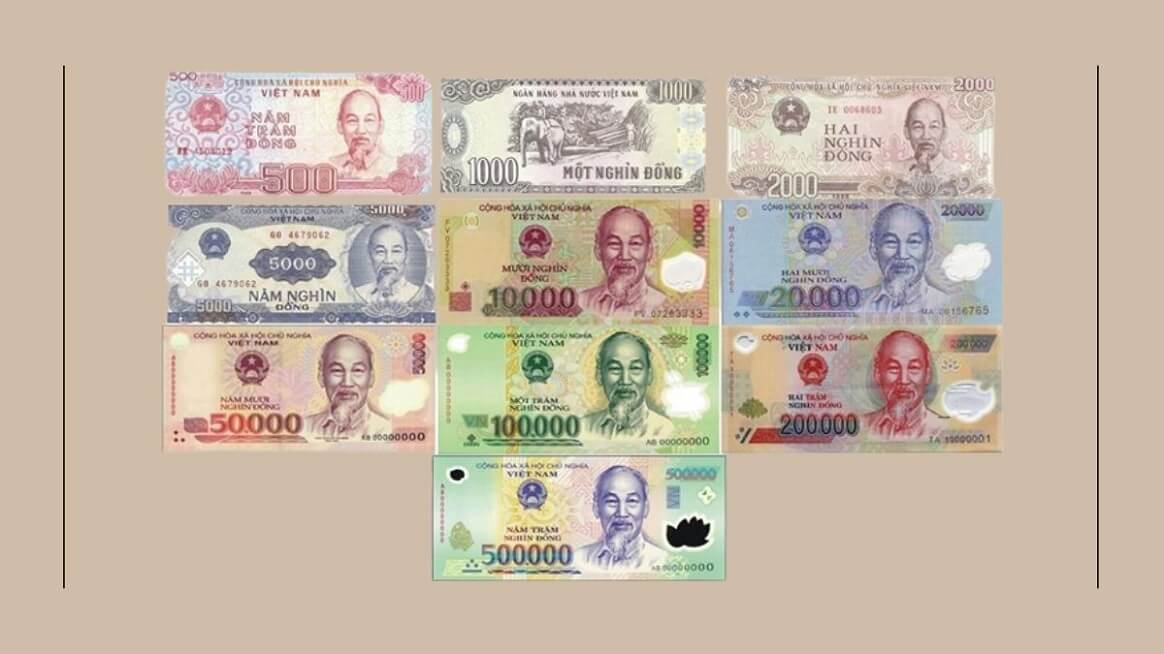
- Keep small cash ready. Sellers may not have change for large notes.
- Be careful in the livestock area. Keep distance and do not interfere with transactions.

How to Get to Bac Ha Market
The market is on Sunday morning, and Bac Ha is not right next to Sapa. That means logistics matter. Always confirm current travel times before booking because weather and road conditions can change in the highlands.
Common route flow
| Route | Best For | Pros | Watch Out For | Local Verdict |
|---|---|---|---|---|
| Sapa → Bac Ha by private car | Families, photographers, couples | Early departure, flexible timing, easier stops | Long road day; must leave early | Best option for most Sapa-based travelers |
| Sapa guided day trip | First-time visitors | Guide explains culture and handles timing | Check that the tour arrives early | Good if guide quality and timing are clear |
| Lao Cai → Bac Ha | Train arrivals, shorter transfer | More practical than starting from Sapa for some routes | Less attractive as a base than Sapa | Efficient for train-based itineraries |
| Overnight in Bac Ha | Photographers, serious market visitors | Earliest access to Sunday market | Limited hotels and quiet town | Best for the deepest market experience |
| Hanoi → Bac Ha direct | Custom private routes | Can fit into longer North Vietnam plans | Too long for a simple day trip | Only do it as part of a proper itinerary |
Not Sure If Bac Ha Market Fits Your Sapa Trip?
Bac Ha is excellent when Sunday timing works — and a mistake when forced into the wrong schedule. Send us your dates and base, and we will tell you honestly whether it fits.
Early morning Bac Ha route with local guide. Avoids arriving after the best light and strongest market energy.
Private car, slower pace, snack stops, and flexible return. Avoids forcing children into a rigid group schedule.
Trek Saturday, Bac Ha Sunday, then return to Sapa or continue to Lao Cai/Hanoi.
What to Buy at Bac Ha Market
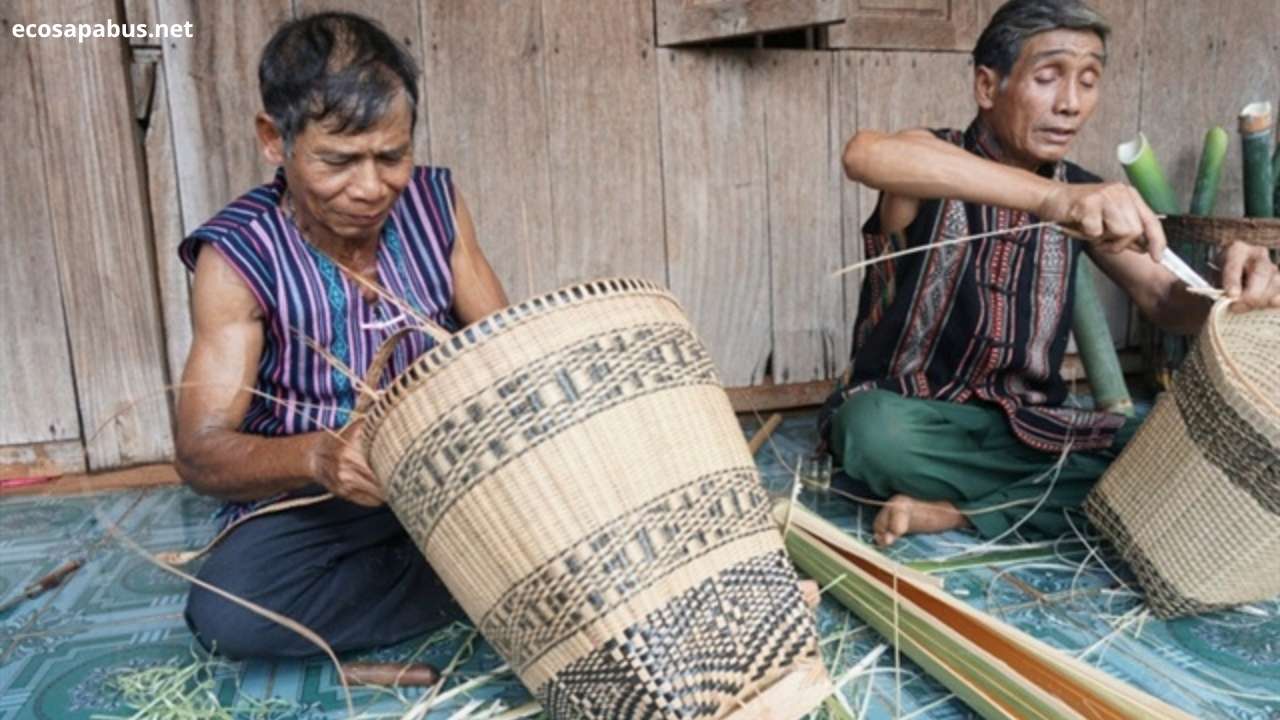
The best purchases are small, packable, and genuinely local: embroidered bags, scarves, indigo fabric, woven baskets, simple jewelry, dried herbs, tea, or small textile pieces. Avoid wildlife products, anything of unclear origin, and mass-produced souvenirs that look identical to what you see in Hanoi tourist shops.
What to Eat at Bac Ha Market
Food at Bac Ha Market is simple, local, and practical. Look for hot noodle soups, sticky rice, grilled corn, tea, local snacks, and small freshly cooked dishes. Stick to hot food cooked in front of you. Picky eaters and families with young children should bring backup snacks from Sapa or Lao Cai.
Corn wine is part of local highland culture, but treat it lightly. A small taste is enough, especially before a mountain road return journey.
Is Bac Ha Market Good for Photography?
Yes. Bac Ha Market is one of the most photogenic highland market experiences in North Vietnam. The best subjects are market-wide scenes, textiles, food stalls, hands at work, produce, and wide street moments — not intrusive close-up portraits.
Arrive early for the best light and energy. Use a longer lens or respectful distance for candid market scenes. For portraits, ask permission first. Do not photograph people who decline, look uncomfortable, or are involved in private transactions.
Suggested Bac Ha Market Itineraries
📅 1. Bac Ha Market from Sapa — Sunday Day Trip
Depart Sapa by private car or guided tour. Confirm current road timing the day before.
Spend 2–4 hours at Bac Ha Market: textiles, food, produce, people-watching, and livestock area if suitable.
Return to Sapa or transfer onward to Lao Cai/Hanoi. Do not book a tight flight or train connection.
📅 2. Bac Ha from Lao Cai
Arrive in Lao Cai, continue to Bac Ha for the Sunday morning market, then transfer to Sapa or back to Lao Cai. This is often smoother than a long round trip from Sapa.
📅 3. Sapa + Bac Ha — 3-Day Structure
Hanoi to Sapa by limousine or private car. Settle in.
Sapa valley trek or village route. Read the Sapa trekking guide for route difficulty.
Bac Ha Market morning, then return to Sapa, Lao Cai, or Hanoi depending on your itinerary.
Turn Bac Ha Market Into a Smooth Sunday Trip
The best Bac Ha trips are not complicated — they are timed properly. We can help you match Sunday market timing with your Sapa hotel, Hanoi transfer, Lao Cai connection, or private North Vietnam itinerary.
Common Mistakes to Avoid at Bac Ha Market
- 1Arriving too late
The market is strongest early. Leave early or sleep in Bac Ha on Saturday.
- 2Visiting on the wrong day
Bac Ha is a Sunday market. Other days are not worth a long detour.
- 3Photographing people without permission
Ask before close-up portraits. Respect a no immediately.
- 4Overloading the itinerary
Do not combine Bac Ha with a full Sapa trekking day. Let Sunday be the market day.
- 5Expecting Sapa-style scenery
Bac Ha is for market culture, not rice terrace views. Use Sapa for scenery.
- 6Not bringing cash
Bring small Vietnamese Dong notes before leaving Sapa or Lao Cai.
- 7Booking unclear cheap tours
If the tour does not arrive early, the low price is not good value.
- 8Using no guide when you want culture
You can see the market alone, but understanding it usually requires a local guide.
- 9Bargaining too hard
Pay fairly for handmade work. Saving a few dollars should not be the goal.
- 10Planning tight onward travel
Mountain road timing can change. Build buffer into Sunday afternoon.
Bac Ha Market vs Can Cau Market vs Sapa Market
| Market | Market Day | Best For | Pros | Cons | Local Verdict |
|---|---|---|---|---|---|
| Bac Ha Market | Sunday morning | First-time highland market visitors, photographers | Large, colorful, easier to combine with Sapa | Known to tourists | Best choice for most travelers. |
| Can Cau Market | Saturday morning | Travelers wanting a smaller, less visited market | More local feel, fewer visitors | Harder logistics | Good if you are already nearby on Saturday. |
| Sapa Market | Daily | Convenient town walk | Easy access | More commercial, less cultural depth | Useful, but not a substitute for Bac Ha. |
Bac Ha Market Guide 2026 — FAQ
Yes, if you visit early on Sunday and are interested in culture, textiles, photography, and local market life. It is not worth forcing into a rushed itinerary or visiting on another day.
Bac Ha Market is held on Sunday morning. This is the only day that matters for travelers planning around the main market.
Arrive as early as possible in the morning. The first part of the morning has the best trade, color, food, and community atmosphere.
Most travelers should allow 2–4 hours. Less feels rushed; more is usually unnecessary because the market begins to wind down later in the morning.
The most practical option is an early private car or guided day trip from Sapa. Always confirm current road timing before booking.
Yes, in the important sense: it remains a functioning weekly market for local highland communities. Tourists visit, but the market is not only for tourists.
For close-up portraits, ask first. Wide market scenes are usually fine, but avoid intrusive photography and respect anyone who declines.
It works best for families with older children. For toddlers or infants, the long road day from Sapa can be tiring, so a private car is strongly recommended.
A guide is recommended if you want cultural understanding, photography help, or a smoother first visit. Without a guide, the market is still visually interesting but less meaningful.
Bac Ha is better for most first-time travelers because it is larger, more colorful, and easier to combine with Sapa. Can Cau can feel more local but is harder to fit logistically.
Yes. A strong plan is Sapa trekking on Saturday, Bac Ha Market on Sunday, then return to Sapa or continue to Lao Cai/Hanoi.
For photographers, families, and travelers with limited time, yes. Private timing helps you arrive early and avoids the main mistake: reaching the market after the best part has passed.
Plan Your Bac Ha Market Trip the Right Way
Bac Ha Market works best when Sunday timing, transfer route, guide, and Sapa itinerary all fit together. Tell us your dates, hotel location, group size, and travel style — we will tell you honestly whether Bac Ha belongs in your trip.