


Quick Answer: Which Area Fits Your Trip?
Before we go deeper, here's the short version. Most first-time visitors ask the same question — "where is the best area to stay in Sapa?" — and the honest answer is that it depends almost entirely on how many nights you have, what time you arrive from Hanoi, and what kind of trip you want.
Where Should First-Time Visitors Stay in Sapa?
If this is your first trip to Sapa and you're not sure where to start, the short answer is: stay in Sapa Town. Not because it's the most romantic option — it isn't — but because it gives you the easiest possible experience when you're still figuring out how Sapa actually works.
Sapa Town is where all the buses and limousines arrive. It's where the restaurants are. It's where the pharmacies and ATMs are. It's where you can walk to the market in the morning, catch a taxi to Fansipan without coordination, and still have a hot meal waiting for you at night. For a first-time visitor arriving from Hanoi after several hours on the road, that matters more than you'd think.
Now, that doesn't mean the other areas are wrong. It means the other areas are right for the right traveler. If you've done your research, you have 3 or more days, and you know exactly what you want, Muong Hoa Valley, Ta Van, or Lao Chai can all be excellent choices — and genuinely better than Sapa Town for certain kinds of trips.
The main trade-off is always convenience versus scenery and local atmosphere. Sapa Town wins on convenience, every time. The villages and valleys win on atmosphere and scenery — but only if you're prepared for the logistics.
Sapa Town — Best for First-Time Visitors
Sapa Town is not a mountain village. It's a proper highland town with hotels, restaurants, cafés, souvenir shops, and enough tourist infrastructure that you won't feel lost on your first night. That's exactly why we recommend it for most first-timers.
The town sits at around 1,500 metres, so it's already cold and atmospheric enough to feel like you're somewhere completely different from Hanoi. On a clear morning, you can see the mountains from the main street. On a foggy morning, the mist rolls through the valley and the town feels almost cinematic. It's not the peaceful rice terrace experience you see in photos — but it's a solid, comfortable base from which to explore everything Sapa has to offer.
The biggest practical advantage is logistics. Most Hanoi to Sapa limousine and bus services drop passengers directly in Sapa Town. You step off, find your hotel, eat, sleep. No extra taxi at midnight. No trying to explain your guesthouse name in the dark to a driver who doesn't speak English. That simplicity is genuinely worth something on your first trip.
Advantages
- Easiest pickup from Hanoi limousine or bus
- Restaurants, cafés, ATMs, pharmacies all walkable
- Close to Fansipan cable car / Sun Plaza
- Easiest base for bad weather, rain, or winter cold
- Best for short 2D1N trips
- Widest range of hotels at all budgets
Trade-offs
- Less peaceful than villages — some noise at night
- Less authentic local atmosphere
- Some hotel photos overstate the views
- Trekking routes are further than in Lao Chai or Ta Van
- Feels more touristy than other areas
Best for
- First-time visitors to Sapa with 1–3 nights
- Travelers arriving late from Hanoi or Noi Bai Airport
- Families with children who need restaurants and convenience
- Older travelers or anyone who values comfort over adventure
- Anyone planning to visit Fansipan early in the morning
- Travelers in winter who need reliable heating and hot water
Think twice if
- You have 3+ nights and want a genuinely different experience each day
- You want to wake up surrounded by rice terraces, not hotel signs
- You're a photographer or couple who booked Sapa specifically for the valley views
- You're doing a multi-day guided trek that starts in Lao Chai
Local booking advice
Book a hotel in the town centre rather than on the outskirts. The 10–15 minute walk from the edge of Sapa Town to the central market area matters more than you'd expect when you're cold, jet-lagged, and carrying luggage. For winter visits (November to March), check specifically that your room has heating — not all Sapa Town hotels include it, and the temperature at night can drop well below 10°C.
Recommended stays in Sapa Town


Muong Hoa Valley — Best for Mountain Views
If Sapa Town is the practical choice, Muong Hoa Valley is the beautiful choice. The valley stretches below Sapa Town with some of the most photographed rice terrace scenery in northern Vietnam — and on a clear day, staying here feels like waking up inside one of those photos.
The views are genuinely spectacular. The air is quieter. The pace is slower. For couples, slow travelers, photographers, and people returning to Sapa for a second or third time, Muong Hoa can be a significantly better choice than staying in town.
But we need to be honest about something: the views depend completely on the weather, and the weather in Sapa is unpredictable. Fog can settle in the valley for days at a time, especially from November through March. We've seen travelers pay a premium for a valley-view ecolodge and see nothing but white mist from their terrace the entire stay. That's not the lodge's fault — that's Sapa's weather. It's worth it if you're staying long enough to catch at least one clear morning. For a single overnight stay, it's a gamble.
The other thing to understand is logistics. Muong Hoa is not far from Sapa Town, but it's not walkable at night with luggage, and the roads into some valley properties are narrow. If your Hanoi to Sapa limousine arrives at 10pm and your valley ecolodge is down a bumpy track, the romance fades quickly. We usually recommend arriving in Sapa Town first, then moving to Muong Hoa the next day if your itinerary allows it.
Advantages
- Best rice terrace views in Sapa
- Quieter, more atmospheric than Sapa Town
- Better for photographers and couples
- Good for slow mornings and genuine mountain scenery
Trade-offs
- Fog hides views — sometimes for entire stays
- Restaurant access requires a taxi or motorbike
- Not ideal for late-night Hanoi arrivals
- More complex transfer coordination needed
- Not suitable for travelers with limited mobility
Local booking advice
If you choose Muong Hoa, book a refundable rate when possible, especially outside the summer months. Ask the property specifically how they handle transfers and whether they can arrange pickup from Sapa Town if you arrive by bus. Check recent reviews from travelers who stayed in the same month you're planning — weather patterns are seasonal and specific.

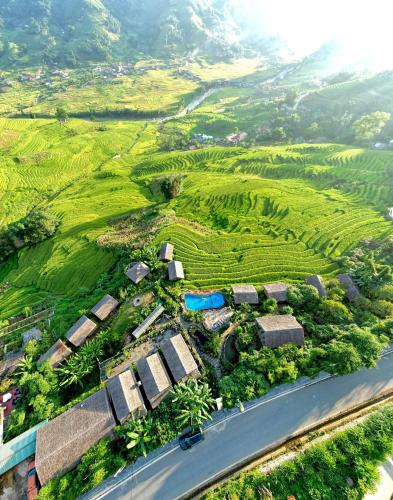

Ta Van Village — Best for Homestays and Local Feeling
Ta Van looks peaceful and authentic in photos — and it genuinely is. This is one of the best places in the Sapa area for travelers who want something that feels less like a hotel and more like a real village stay. You'll wake up closer to rice terraces than you will in Sapa Town, the mornings are quieter, and the atmosphere has the kind of local texture that many travelers come to Sapa specifically to find.
But Ta Van is not as convenient as Sapa Town, and that gap matters more than many travelers realize before they book. Every time you want a restaurant meal that isn't at your homestay, you'll need a taxi or motorbike. If you forget a medicine, a phone charger, or need an ATM, that's a 20–30 minute journey each way. If you arrive from Hanoi at 10pm on a limousine after a long travel day, coordinating the last leg to a Ta Van guesthouse adds friction at the worst possible moment.
None of this makes Ta Van a bad choice. It makes it the right choice for the right traveler. If you have 3+ days and specifically want a slower, more local experience, Ta Van can be one of the best nights of your entire Vietnam trip. Just go in with clear expectations about the logistics, and plan your transport in advance.
Comfort varies significantly between homestays in this area. Before booking, always check for: private bathroom, hot shower, heating in winter, and recent reviews from foreign travelers specifically.


Lao Chai — Best for Trekking and Rice Terrace Scenery
Lao Chai Village sits right on the main Sapa trekking route, surrounded by H'mong and Zay village scenery that makes it one of the most visually striking areas in northern Vietnam. If your trip to Sapa is primarily about trekking, Lao Chai makes excellent sense as a base — you wake up already in the landscape you came to see.
For first-time visitors with only one night, we wouldn't make Lao Chai the default recommendation. Lao Chai has very few restaurants, no ATMs, limited convenience shops, and the roads into some guesthouses can be tricky in rain or after dark. It's much better suited as a second-night stay after spending your first night in Sapa Town — or as the overnight stop on a guided multi-day Sapa trekking tour.
If you're doing a serious trekking itinerary, your guide will likely arrange your Lao Chai accommodation as part of the package. In that case, let them — they'll know exactly which guesthouses are the right fit for foreign travelers.
Luxury Stays Around Sapa
Sapa has some genuinely excellent luxury options, and the higher price is often justified — particularly in winter, when heating, a good breakfast, reliable hot water, and on-call service make a real difference to your experience. Luxury hotels in Sapa also tend to handle airport and limousine transfer coordination better than budget guesthouses, which matters if you're arriving with a complicated itinerary.
The main decision is whether you want luxury in Sapa Town or at a mountain resort. Sapa Town luxury hotels give you the best combination of comfort and convenience. Mountain resort luxury hotels give you isolation, views, spa facilities, and a more exclusive experience — but they require more transport planning and the views are still weather-dependent.
For couples and honeymooners, a mountain resort is often worth the premium — but only if the weather is on your side and your itinerary actually allows time to enjoy the setting. If you're visiting Sapa for two nights on a tight loop, a luxury hotel in Sapa Town may serve you better than a mountain resort that requires 40 minutes of transfer each way to reach anything.
See our dedicated guide to the best hotels in Sapa for specific luxury recommendations at different price points and locations.
Sapa Area Comparison Table
| Area | Best for | Main advantages | Main drawbacks | Best stay type | Local verdict |
|---|---|---|---|---|---|
| Sapa Town | First-timers, short trips, families, late arrivals | Restaurants, ATMs, pharmacies, Fansipan access, easy transfer pickup | Less scenic, more touristy, some noise at night | Hotel (mid-range to luxury) | ✓ Best default for 1–2 nights |
| Muong Hoa Valley | Views, couples, photographers, 2+ nights | Best rice terrace scenery, quieter, atmospheric | Fog risk, restaurant access requires taxi, not ideal for late arrivals | Ecolodge, bungalow, boutique guesthouse | ⚡ Worth it for 2+ clear nights |
| Ta Van Village | Homestay feel, slow travelers, return visitors | Local atmosphere, walking distance to rice terraces | Limited restaurants/services, taxi needed, variable comfort | Homestay, small guesthouse | ⚡ Good for night 2–3 of a longer trip |
| Lao Chai | Trekkers, active travelers, guided groups | On trekking route, rice terrace scenery, authentic village | Very limited services, difficult roads at night or in rain | Simple guesthouse, homestay | ✗ Not recommended as first-night base |
| Luxury resorts | Couples, honeymooners, comfort-focused travelers | Full service, heating, spa, better breakfast, transfer coordination | Views weather-dependent, remote resorts need transfer planning | Luxury hotel, resort | ✓ Worth it if itinerary allows time |
Best Area to Stay in Sapa by Trip Length and Travel Type
One night in Sapa
Stay in Sapa Town, full stop. One night isn't enough time to deal with remote logistics and still enjoy your trip. Choose a well-rated central hotel, have dinner at a local restaurant, and use the morning for Fansipan or the market. See our Sapa 2D1N itinerary for how to structure this.
2 days, 1 night
Sapa Town is still your best base. Consider a room with a valley view if the weather looks good. If you finish early enough on day 2, you could do an afternoon walk toward Cat Cat Village or Lao Chai before your return transfer.
3 days, 2 nights
This is where you can split your stay. Spend the first night in Sapa Town to get oriented, then move to a valley stay in Muong Hoa or a village homestay in Ta Van for night two. This combination gives you both convenience and atmosphere. See our Sapa 3D2N itinerary for day-by-day planning.
4 days or longer
With 4+ days, you have real flexibility. Start in Sapa Town, do a night in Muong Hoa or Ta Van, and consider a guided trek that overnights in Lao Chai. You'll experience multiple sides of Sapa without feeling rushed in any of them.
Arriving late from Hanoi
Always stay in Sapa Town on your first night if your Hanoi to Sapa arrival is after 8pm. Coordinating a remote guesthouse transfer in the dark, cold, and possibly fog is a stressful start to your trip.
Arriving from Noi Bai Airport
A direct Hanoi Airport to Sapa transfer is the most convenient option. These transfers go directly to Sapa Town hotels, so your accommodation choice should be in Sapa Town for the first night at minimum.
Visiting Fansipan
Stay in Sapa Town. The Sun World cable car station is close to the centre of town and easy to reach by taxi or on foot. See our Fansipan cable car guide for timing tips.
Trekking-focused trip
Start in Sapa Town for logistics, then move to Lao Chai or Ta Van as part of a guided or self-guided trek. See our Sapa trekking routes guide for route planning.
Family trip
Sapa Town is the safest choice for families with children. Restaurant access, pharmacies, and easier road conditions make a real difference when you're traveling with kids.
Couple trip
On a 2-night trip: Sapa Town night 1, Muong Hoa or Ta Van night 2. On a 1-night trip: Sapa Town with a mountain-view room. The valley stays are genuinely romantic when the weather is good — just don't make them your arrival night.
Common Mistakes When Booking Accommodation in Sapa
We see the same booking mistakes repeatedly. Most of them come from travelers who planned their accommodation before understanding how Sapa actually works.
-
Booking a remote homestay for a 1-night tripIf you only have one night in Sapa, a remote village homestay will cost you time you don't have. You'll arrive after a long journey, spend energy getting to the homestay, have limited dinner options, and leave early the next morning. One-night trips belong in Sapa Town.
-
Not checking heating for winter staysSapa in November through February can be genuinely cold — sometimes below 5°C at night. Not all guesthouses include effective heating. A listing that says "heating available" and a room that is actually warm are two different things. Search specifically for this in recent reviews before booking winter stays.
-
Choosing a hotel only by view photosThe most common Sapa disappointment we hear about. A traveler books a valley-view room at a premium price, arrives in fog, and sees nothing from their balcony for two days. The views are real — but they're weather-dependent. Don't pay extra for a view room on a short trip during the foggy months.
-
Ignoring pickup and drop-off logisticsMany travelers book a lovely guesthouse in Ta Van or Muong Hoa and only discover at checkout that their morning transfer back to Hanoi doesn't come to the village. Their limousine pickup is from a central Sapa Town point. Confirm this before you book accommodation outside Sapa Town.
-
Thinking Ta Van is as convenient as Sapa TownTa Van is only about 8km from Sapa Town. On a map, that looks like nothing. On a narrow mountain road after rain, it's a different story. The distance matters, especially when you need something urgently or want to move around freely without depending on taxi availability.
-
Not considering fog and rain in your plansSapa is famous for its mountain fog, and it can arrive at any time of year. A trip focused entirely on outdoor scenery needs a backup plan — or at minimum, a refundable booking. Check our best time to visit Sapa guide for seasonal weather patterns.
-
Booking far from restaurants with children or older travelersRemote valley stays work beautifully for active couples or solo travelers. They're much harder when you're managing children at mealtimes or when older travelers in your group can't easily manage uneven paths in the rain.
-
Not matching your hotel area with your actual itineraryWe've seen travelers book a Lao Chai guesthouse and then spend half their trip in Sapa Town, paying for taxis back and forth. Think carefully about where you'll actually spend most of your time, and stay closest to that centre of gravity.
-
Arriving early from Hanoi with no early check-in planOvernight sleeper bus and limousine arrivals often reach Sapa at 5–6am. Most hotels don't allow check-in before 2pm. If you haven't arranged early check-in in advance, you'll be sitting with your luggage for hours. Ask about early check-in when you book — don't assume.
-
Booking a luxury view hotel without checking transport accessSome luxury resorts outside Sapa Town are genuinely difficult to reach at night, in bad weather, or with large luggage. A beautiful website and a high score on Booking.com don't tell you that the last 2km is an unpaved track. Always check transport access in reviews before booking remote luxury properties.
Local Hotel Booking Tips Before You Click Agoda
A few things worth checking before you confirm any Sapa accommodation, regardless of area.
- Check recent reviews, not only the rating. A well-rated hotel with old reviews may have declined significantly. Reviews from the last 3 months matter most.
- Search for heating and hot water in winter reviews. Filter or search reviews for "heating", "hot water", and "cold" before booking November–February stays.
- Choose refundable rates during fog or rain season. Sapa weather is unpredictable. A refundable booking gives you the option to adjust if the forecast is consistently poor.
- Check exact location on the map. "Sapa Town area" can mean a 10-minute walk or a 25-minute taxi ride. Open the property on Google Maps before booking.
- Confirm breakfast and pickup policies. If you need early morning pickup from a limousine or private transfer, confirm that your hotel is on the transfer route before booking the accommodation.
- Avoid the very cheapest stays with poor bathroom reviews. The cheapest category in Sapa often means shared bathrooms and no reliable hot water. Not suitable for foreign travelers who expect a private bathroom.
- For Ta Van and village homestays, check private bathroom. Not every homestay has private bathrooms. Search for this specifically in the Agoda filters or in reviews.
- For Muong Hoa valley stays, check transfer access. Ask the property directly how guests typically arrive and whether they offer coordination from the Sapa Town bus station.
- For families, prioritize road access and restaurants. A guesthouse that looks perfect for a couple may be impractical for a family with young children.
Final Local Recommendation
First trip, 1–2 nights: Stay in Sapa Town. Pick a hotel with a good central location and check the recent reviews. Don't pay extra for a view room unless you're staying long enough that clear weather is likely.
Best views: Muong Hoa Valley. Book an ecolodge or bungalow for night 2 or 3 after you've spent the first night in town. Be realistic about weather. Book refundably if you're traveling outside summer.
Local feeling: Ta Van Village. Best as part of a 3-night trip rather than a single night. Plan your meals, confirm your bathroom, and arrange your transport before you check in.
Trekking-focused trip: Start in Sapa Town, then move to Lao Chai or Ta Van through your trekking guide or itinerary. Let the route take you to the accommodation rather than the other way around.
Luxury: A well-rated central Sapa Town hotel is the easiest luxury option. A mountain resort is more special but requires more planning — make sure your itinerary gives you time to actually enjoy it.
If you're genuinely not sure: Book Sapa Town for night one. After your first morning in Sapa, you'll understand the layout well enough to make a better decision about where to go next. That's not hedging — that's how we'd actually plan it ourselves.
For the transfer question: book your Hanoi to Sapa limousine or Noi Bai Airport to Sapa transfer first, confirm your drop-off point, and then choose your hotel based on where that transfer arrives.
Frequently Asked Questions
Still not sure where to stay in Sapa?
Send us your travel dates, arrival time from Hanoi, hotel budget, and whether you prefer views, comfort, trekking, or local homestays. We'll suggest the right area and the best transfer option for your trip.