Getting to Hoi An — Step by Step from Da Nang Airport
Almost every traveler arrives at Da Nang International Airport (DAD), not Hoi An. This is fine — Hoi An doesn't have an airport, and Da Nang is only 30km away. The problem is the 45-minute journey between them, which is one of the most heavily scammed routes in all of Vietnam. Here's exactly what to do from the moment you land.

Step-by-Step: Da Nang Airport → Hoi An
What you should pay (Grab): 270,000–350,000 VND
What airport touts charge: 600,000–900,000 VND
What "metered taxis" outside charge: "Broken meter" + 500,000 VND flat
The rule: Never negotiate. Never use un-booked taxis. Open Grab or use pre-booked transfer. Done.
Da Nang Airport → Hoi An Private Transfer
Fixed-price private car from Da Nang airport to your Hoi An hotel. Driver holds a sign. No negotiation. Day or night arrivals. Flight-tracked pickup — even if your plane is delayed, your driver waits.
Getting Around Hoi An Once You Arrive
Hoi An's Ancient Town is a car-free zone after 8 AM. This is one of its greatest charms — and the reason why the bicycle is the vehicle of choice for locals and savvy travelers alike.
- Bicycle (xe đạp) — The definitive Hoi An transport. Rent from your hotel or street stalls for 30,000–50,000 VND/day ($1.20–2). The town is completely flat. Cycling through rice paddies to An Bang beach (5km) is one of the best experiences in Vietnam. ⚠️ Lock your bike everywhere — even at "secure" parking areas. Bring your own lock or use the provided one.
- Electric scooter (xe máy điện) — Quieter than petrol motorbikes, available at most rental shops for 80,000–120,000 VND/day. Great for day trips to My Son Sanctuary or Marble Mountains. ⚠️ Always check the battery level before leaving. Some rental shops give you a near-dead battery.
- Grab motorbike (Grab Bike) — Works in Hoi An city. For short trips within town: 20,000–40,000 VND. App always shows price before you confirm.
- Cyclo (bicycle rickshaw) — Mainly tourist-oriented, good for a slow Ancient Town evening. Agree price upfront — 50,000–100,000 VND for a town circuit. Never get in without a confirmed price.
- Walking — The Ancient Town is compact (750m across). Most of the best food stalls, temples, and merchant houses are within a 15-minute walk of each other.
You rent a motorbike from a street stall. Return it. The owner finds a scratch that "wasn't there before" and demands 500,000–2,000,000 VND. Before renting: photograph every existing scratch with a timestamped video, including the gas gauge. Send the video to yourself on WhatsApp so it's server-timestamped. If they still dispute — show them the video. If they get aggressive — contact local police (113).
Best Time to Visit Hoi An — Month by Month + Live Weather
Hoi An sits in Quang Nam Province, central Vietnam — a climate that's completely different from both Hanoi and Ho Chi Minh City. Getting the timing wrong means either sitting in a flooded street in September or sweating through 38°C in June. Here's the honest breakdown.
This is when locals themselves visit on holiday. The dry northeast monsoon has ended, temperatures sit at a perfect 26–30°C, humidity is low, the sea is calm and turquoise, and the town hasn't hit peak tourist season yet. Rice paddies are a vivid green from the recent rain. The light at golden hour on the yellow buildings is photographically unreal. If you can only go once — go in March or April.
September — Flood Season Warning: In September 2022, Hoi An's Ancient Town flooded to knee-depth for 5 consecutive days. October 2020 it was waist-deep. The Thu Bon River floods almost every year in late September–early November. Hotels raise their furniture. Locals wade through. It's actually an interesting cultural experience — but it can cancel your plans. If you must visit October–November: book a hotel on higher ground, keep flip-flops ready, and check the weather 72 hours ahead.
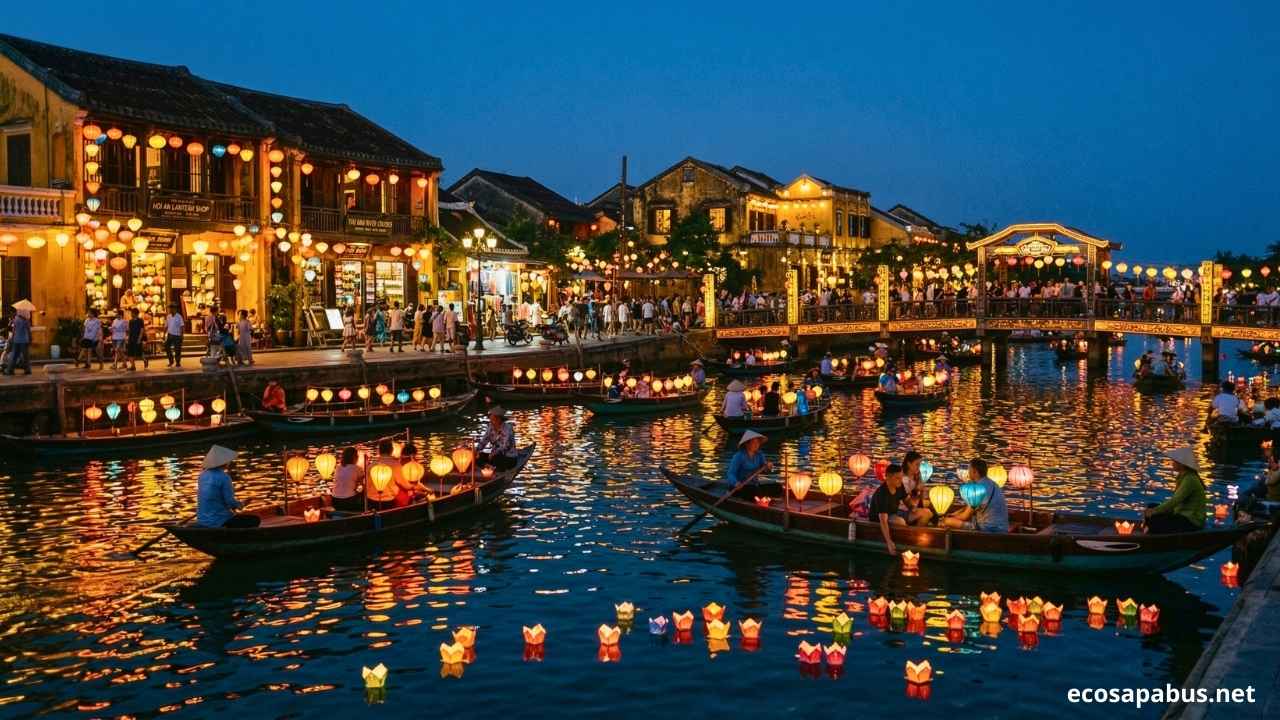
The Lantern Festival — 14th of every lunar month, year-round: On the 14th day of each lunar month (full moon), electricity is switched off in the Ancient Town from 6–10 PM and thousands of silk lanterns lit by candles float down the Thu Bon River. This happens every month regardless of season. Check the lunar calendar for your travel dates — planning your trip around a full moon night transforms your entire Hoi An experience.
Hoi An Ancient Town — The Complete Insider Walk
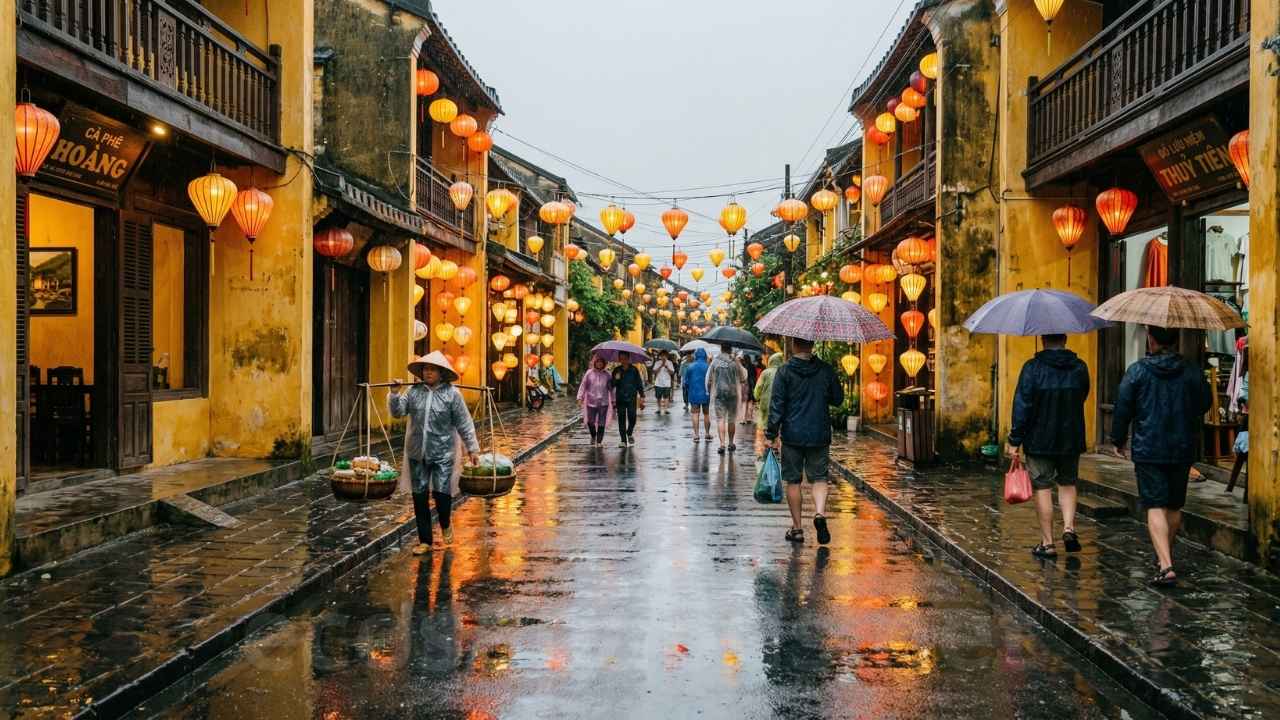
Hoi An Ancient Town is a UNESCO World Heritage Site — a 15th–19th century trading port preserved almost entirely intact. Japanese merchants built wooden merchant houses. Chinese traders built assembly halls. Vietnamese craftspeople built silk and pottery workshops. The result is a 1.5km² architectural time capsule that looks like three cultures had a remarkably civil argument about who had the best taste — and all three won.
Price: 120,000 VND (~$4.80) per person. Gives you access to 5 heritage sites from a list of 22. Valid for one day. Buy at official ticket booths (yellow, staffed, located at town entrances on Tran Phu Street and near the market). Do NOT buy from people on the street — fake tickets look identical but get rejected at every entrance. ⚠️ Ticket inspectors are at every single heritage site. No ticket = turned away at the door.
The Best 5 Heritage Sites to Include in Your Ticket
You only get 5 choices from 22 — here's what a local would pick:
- Japanese Covered Bridge (Chùa Cầu) — 18th century, built by Japanese traders, this roofed bridge with a small shrine is Hoi An's most iconic structure. Go at 7 AM before the crowds. The light is perfect and you'll have it almost to yourself. Worth 2 of your 5 ticket uses.
- Tan Ky Merchant House (Nhà Cổ Tấn Ký) — The best preserved of Hoi An's old merchant houses. 200-year-old wooden carvings, courtyard, and Vietnamese-Japanese-Chinese architectural fusion in one narrow shophouse. The 7th-generation family still lives here.
- Fujian Chinese Assembly Hall (Hội Quán Phúc Kiến) — The most ornate assembly hall in town. Dazzling red and gold interior, incense smoke, rooftop dragon sculptures, and a genuine spiritual atmosphere. Also the most Instagram-ruining — go 8 AM or 5 PM for empty shots.
- Museum of Sa Huynh Culture — Only 2 rooms but genuinely fascinating — 2,000-year-old artifacts from the pre-Cham civilization that occupied this area before Vietnam existed. Often skipped, never crowded.
- Phung Hung Ancient House (Nhà Cổ Phùng Hưng) — Lived in for 8 generations, rare 3-storey design, flood marks on the walls from historic floods. The family gives a brief tour and tells you about surviving the 2017 flood.
The Perfect Ancient Town Walk — Timing Matters
Hoi An's Ancient Town receives 2.5 million visitors per year. By 9 AM, the main streets are elbow-to-elbow. By 10 AM, it's a slow shuffle. But at 7 AM? The streets are empty. Locals set up food stalls. Monks walk to the temple. The yellow walls glow in low morning light. The photography is extraordinary. By 7 AM, coffee, by 8 AM you're at the Japanese Bridge with no one in frame. You're done with the main attractions by 10 AM — just as the tour buses arrive. Then retreat to An Bang beach for the afternoon.
7:00 AM — Start at the market end (Chợ Hội An) and walk west on Tran Phu Street. This is the main artery — Chinese assembly halls, silk shops, incense sellers, breakfast stalls. Buy a bowl of cháo (rice porridge) from a street cart for 25,000 VND while it's still steaming.
8:00 AM — Japanese Covered Bridge. Empty. Have it to yourself. Cross, don't cross, go inside the shrine, stand on the wooden slats and feel the age of the thing. Then walk north on Nguyen Thi Minh Khai Street — the residential side of town where tourists rarely venture.
9:00 AM — Tan Ky House opens. Spend 30–40 minutes. The 7th-generation family member who gives the unofficial tour (not required but generous to tip 20,000–30,000 VND) explains the architectural details with genuine pride.
10:00 AM — Fujian Assembly Hall. The incense is lit, the day worshippers are arriving, the atmosphere is genuinely spiritual even in peak tourist season.
11:00 AM — Escape the crowds. Walk down to the river. Hire a rowboat (50,000 VND per person) to cross to Cam Nam island — a residential area completely untouched by tourism, 3 minutes from the most photographed spot in Vietnam.
Hoi An Ancient Town Day Tour — Local Guide
A local guide takes you through the Ancient Town at 7 AM (before crowds), into family-run workshops, down alleys that don't appear on maps, and to the Cho Hoi An market where locals buy breakfast. Includes morning coffee at a centuries-old courtyard café and a Cao Lau bowl at the one authentic stall.
What to Eat in Hoi An — Dishes That Exist Nowhere Else on Earth

Hoi An is not just a pretty town — it is one of Vietnam's most important food cities. Several dishes here are hyper-local: they don't exist anywhere else in Vietnam, use ingredients unique to Hoi An, and have been made the same way for 400+ years. The risk: tourist-area restaurants now serve inferior versions at tourist prices. Here's how to eat like a local.
You sit down at a restaurant on or near the main tourist streets (Tran Phu, Le Loi). A server brings you water and complimentary "appetizers." You didn't order them. When the bill arrives, you're charged 30,000–50,000 VND per item. Standard move: send back anything you didn't order, immediately and firmly. Say "Không cảm ơn" (no thank you). If charged anyway, ask to speak to the manager and point to the items you didn't order. Do not pay for what you didn't order.
Where to Actually Eat — By Price Point
Eat like a local (under 60,000 VND / meal): Walk 2–3 streets north of the Ancient Town to the residential area around Nguyen Truong To Street and Le Hong Phong Street. These are where local workers eat lunch. Com binh dan (rice plate) restaurants serve rice + 3 dishes for 40,000–55,000 VND. No English menu — point at the dishes in the glass cabinet, or say "com suon" (rice + pork chop) or "com ga" (rice + chicken).
Mid-range (60,000–150,000 VND / person): The covered market area (Cho Hoi An) has dozens of stalls run by local families who've been cooking the same dishes for decades. Go to the second floor for authentic Cao Lau, White Rose, and chicken rice from stalls that've served travelers since the backpacker trail opened in the 1990s.
Splurge intelligently (200,000–500,000 VND / person): The Morning Glory Restaurant (family of the famous White Rose) and Mango Mango along the river are worth the premium — genuine quality, not just décor. Avoid restaurants with "live traditional music + buffet" signs — these are the lowest quality at the highest price.
Hoi An Scams — Complete Warning Guide 2026
Hoi An is genuinely safe and welcoming — but where there are 2.5 million tourists a year, there are also people who've turned tourism exploitation into a professional skill. These are the specific scams reported most frequently by travelers in 2025–2026, with exact solutions for each.
Where to Stay in Hoi An — The Honest Area Guide
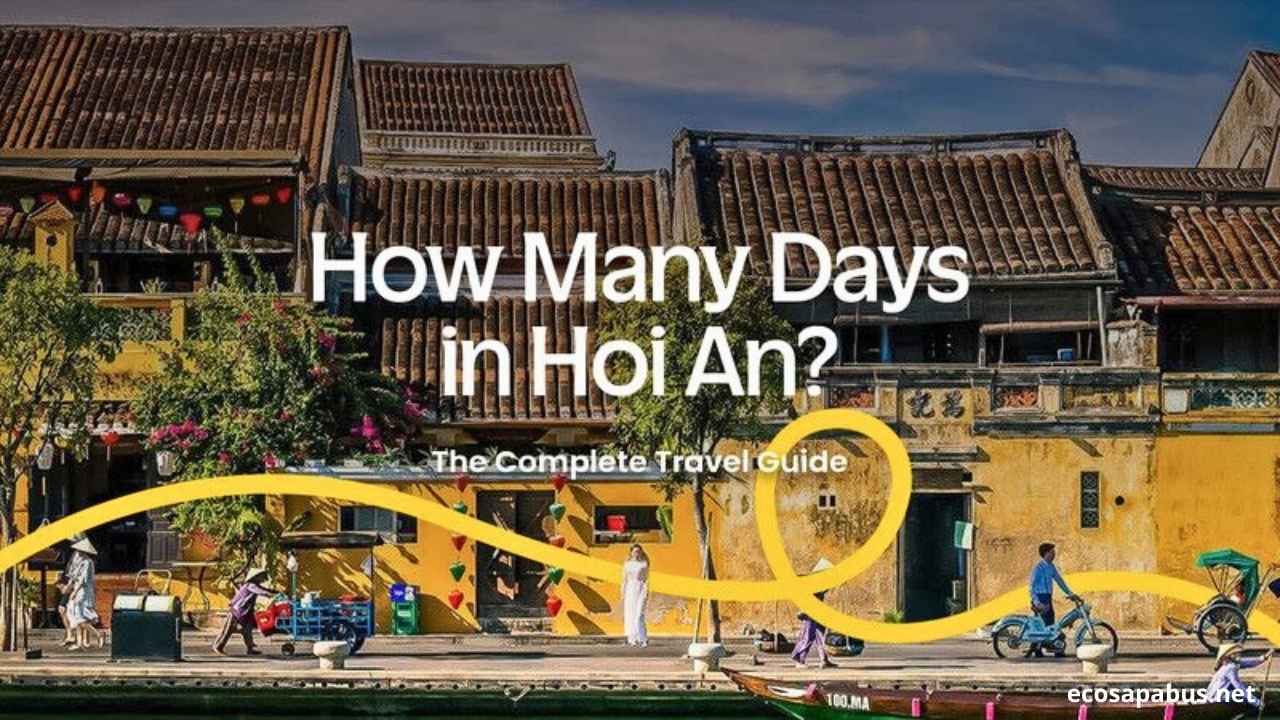
Hoi An accommodation breaks into three distinct zones — and the "right" choice completely depends on what you're here for.
Zone 1: Inside / Edge of Ancient Town (Most Convenient, Loudest)
Staying within or immediately adjacent to the Ancient Town means everything is walkable — Banh Mi Phuong is 5 minutes away, you're in the lantern festival in seconds. The trade-off: the streets play music until 10–11 PM, and "quiet" doesn't exist during peak season. Best for: couples wanting atmosphere, first-timers who want to be at the center of everything, short 1–2 night stays.
The most elegant address in town — right on the Thu Bon river, walking distance to everything, colonial-Vietnamese architecture done properly. Pool, spa, exceptional breakfast.
Garden pool, river views, 3-min walk to Japanese Bridge. Family-run (3 generations), excellent breakfast included, genuinely helpful staff. Book 3+ weeks ahead in March–April.
Zone 2: Residential Streets (Smart Traveler's Choice)
Streets like Nguyen Truong To, Le Hong Phong, and Hoang Dieu are 5–10 minutes walk from the Ancient Town — genuinely quiet at night, 30–40% cheaper than Zone 1, and surrounded by the local restaurants and morning markets that make Hoi An worth visiting in the first place. This is where repeat visitors and slow travelers stay.
Pool, lush garden courtyard, 8-minute bicycle ride from Ancient Town. Quieter neighborhood, much lower price than equivalent Ancient Town hotels. Bicycles included free.
Vietnamese family-run. Actual home with garden, motorbike rental on-site, grandmother cooks breakfast. The best way to experience Hoi An family culture. Book via email — no Booking.com listing.
Zone 3: An Bang Beach (Beach + Town Balance)
An Bang beach is 4km from the Ancient Town — a 15-minute bicycle ride on a flat, scenic coastal road through rice paddies. Staying here means you get the beach as your front yard and cycle into town when you want. The beach area has its own restaurants and bars. Best for: travelers staying 3+ days who want a slower pace and morning swims.
Book a hotel with free bicycle rental — almost all mid-range hotels in Zones 2 and 3 include this. A bicycle turns your accommodation distance from the Ancient Town into an asset rather than an inconvenience. 8 minutes on a bicycle through rice paddies is infinitely better than 2 minutes walking through crowds.
Best Day Trips from Hoi An — Ranked by Experience
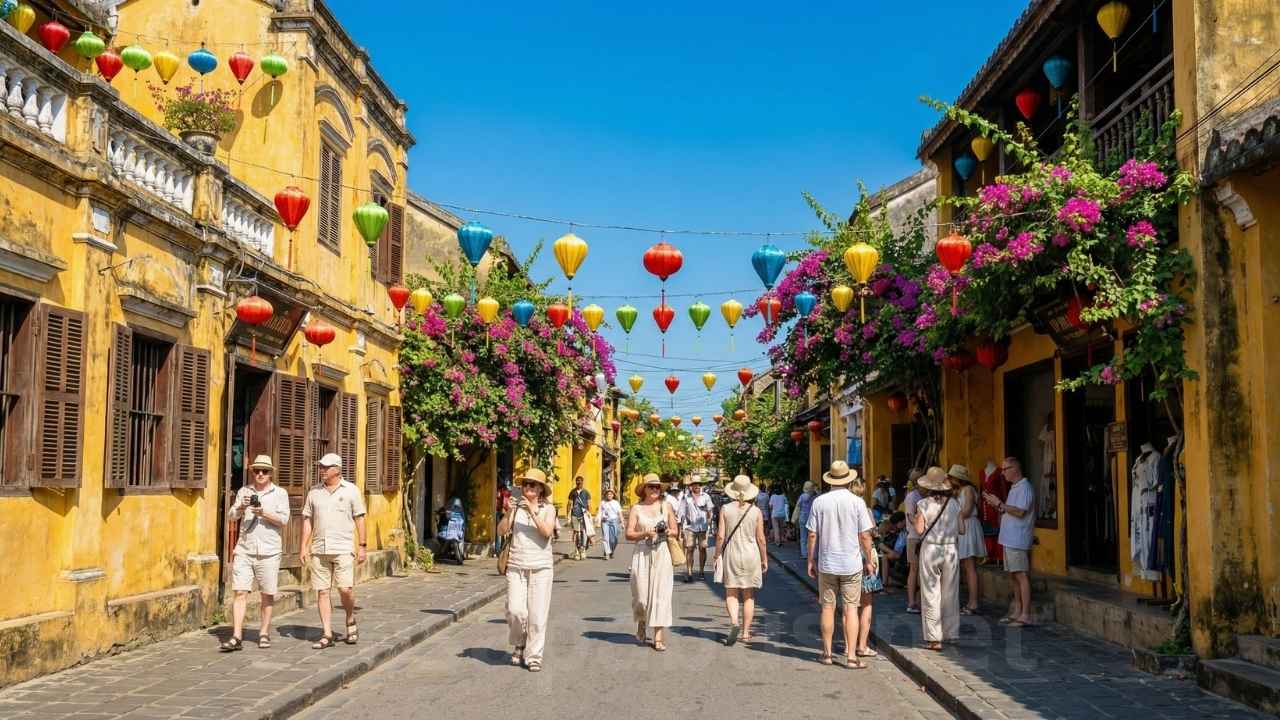
1. Basket Boat Tour — Cam Thanh Coconut Forest ⭐ Best Value
15km from Hoi An. Local boatwomen spin round bamboo coracle boats through a dense water coconut palm forest. You feel like you're inside a different world — green light through the canopy, bird calls, complete silence. Combine with a village walk and fresh seafood lunch at a family home. Duration: half day. Honest cost when booked independently: agree 150,000–200,000 VND per person for the boat only. Full package with EcoSapa Bus includes transport, guide, and lunch.
2. My Son Sanctuary — Cham Ruins ⭐ UNESCO Day Trip
40km from Hoi An. The temple complex of the Cham Kingdom — Vietnam's answer to Angkor Wat, though smaller. Sandstone towers built between the 4th and 14th centuries in a forested valley surrounded by mountains. The entrance fee is 150,000 VND and most people spend 2–3 hours inside. Book a guided tour to understand what you're seeing — the history is genuinely extraordinary and invisible without context. ⚠️ Go in the morning only — the afternoon sun at My Son is brutal and the site offers minimal shade.
Hoi An Ancient Town + My Son Sanctuary Day Tour
Early morning Ancient Town walk (7 AM, before crowds), Cao Lau breakfast, then private transfer to My Son for the morning ruins visit. Return via Marble Mountains viewpoint. All in one day, zero logistics on your side.
3. Hue Imperial City — One Day, 140km
Vietnam's former Imperial capital is 140km north of Hoi An (2.5 hours by car over Hai Van Pass). The Imperial Citadel, Royal Tombs, Thien Mu Pagoda, and the country's best royal cuisine make Hue a full day easily — but the Hai Van Pass road between Hoi An and Hue is considered one of the world's great coastal drives. Book a private car, not a tourist bus — you need to stop at the pass for photos. ⚠️ Return the same day — sleeping in Hue is only worth it if you have 2 days there.
4. Da Nang City + Marble Mountains — Half Day
30km north. Da Nang's Han River bridges light up at night, the giant Lady Buddha stands on Son Tra Peninsula, and the Marble Mountains (5 marble and limestone hills with caves and temples) are a genuinely interesting 2-hour stop. Most travelers combine with a Da Nang afternoon before catching the evening bus to Hoi An or vice versa.
5. Bicycle Through the Countryside — Free with Your Hotel Bike
This is the secret that the tour agencies don't advertise because they can't sell it. Rent a hotel bicycle and ride north on the coastal road toward An Bang and Cua Dai beach. The route passes rice paddies, water buffalos in the fields, women in conical hats, and the Thu Bon river delta — all within 5km of the Ancient Town. Turn left on any dirt road and keep going. Stop when something looks interesting. Ask a farmer for directions. Get lost. This is the best Hoi An experience you won't find in any brochure.
Vietnamese Dong (VND) — How to Use Money Without Getting Confused
Vietnamese Dong has no coins — everything is paper or polymer notes. The denominations involve large numbers (500,000 VND is only $20) and many first-time visitors accidentally hand over a 500,000 note thinking it's 50,000. This is one of the most common and costly mistakes in Vietnam. Here's your cheat sheet.
| Note | Color | USD Value | What It Buys |
|---|---|---|---|
| 500,000 VND | Blue/violet | ~$20 | Hotel night (budget). Fine dinner. ⚠️ Most confused with 50,000 VND by new arrivals. |
| 200,000 VND | Red-brown | ~$8 | Budget hotel night. Good restaurant dinner. |
| 100,000 VND | Green | ~$4 | Heritage ticket. Breakfast + coffee. Cyclo tour. |
| 50,000 VND | Pink/purple | ~$2 | Street food meal. Cold beer. Tip for a good meal. |
| 20,000 VND | Blue | ~$0.80 | Banh mi. Corn soup. Bus ride. |
| 10,000 VND | Yellow-brown | ~$0.40 | Water bottle. Small tip. Parking. |
Best ATMs: Vietcombank (green) and BIDV (blue) — highest limits (5,000,000 VND/transaction), lowest fees (~50,000 VND flat). Avoid: Euronet and Banknetvn ATMs in tourist areas — they charge 3–4% conversion fees disguised as "service charges." The rule: When the ATM asks if you want it to do the conversion — always choose NO / decline conversion. Let your home bank convert at a better rate.
Learn 15 Vietnamese Phrases — Locals Will Love You For It
Vietnamese tones make it one of the harder languages to mimic accurately. But even a mispronounced attempt at Vietnamese earns enormous goodwill from locals — far more than any guide, gift, or tip. The moment you say "Cảm ơn" (thank you) instead of just nodding, you're treated differently. These 15 phrases cover 90% of daily interactions.
Vietnamese is tonal — the same syllable means different things with different tones. For tourist purposes, the closest-sounding approximation works fine. Don't worry about perfect tones — concentrate on the vowel sounds. Southern Vietnamese (spoken in Hoi An area) is generally considered easier for foreigners to approximate than Northern Vietnamese. The pronunciation guide below uses the "say it like you're reading English" system.
Hoi An Local Culture — What Every Visitor Should Know
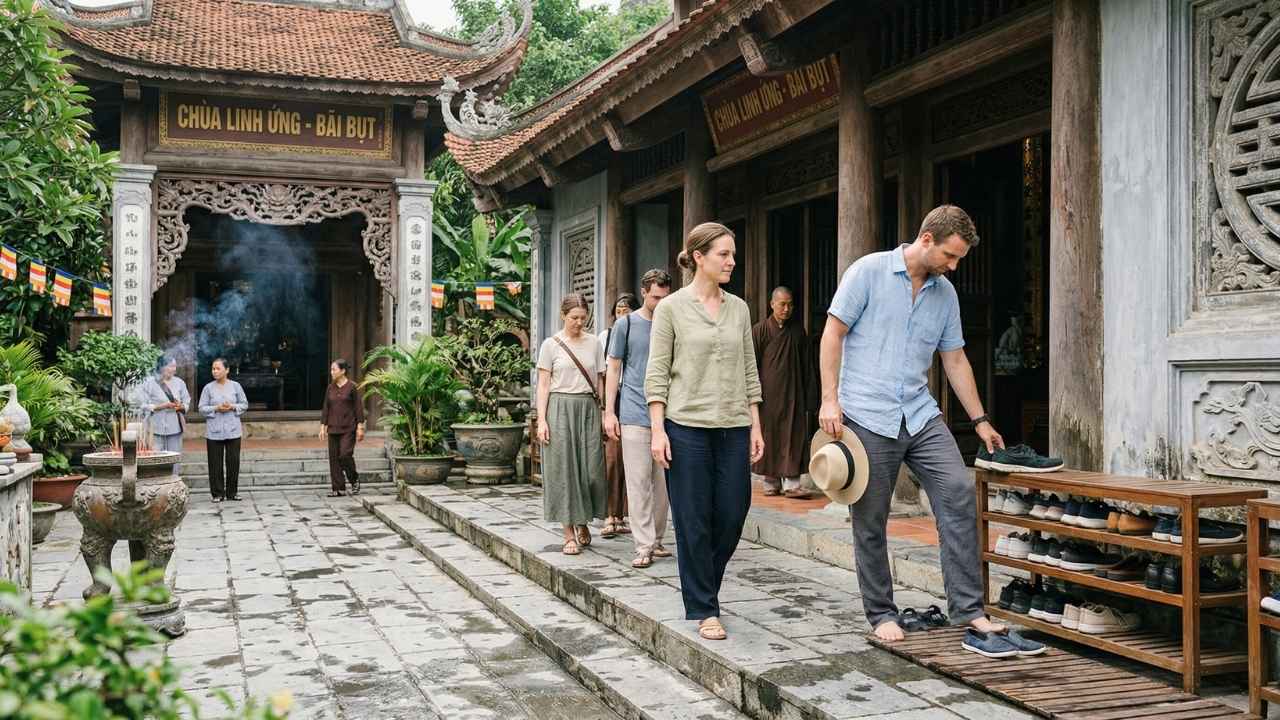
Hoi An's culture is a centuries-old blend of Vietnamese, Chinese, and Japanese influences — more complex and layered than most visitors realize. A few things to understand before you arrive:
Temple and Heritage Site Etiquette
- Shoulders and knees must be covered in all temples and assembly halls. Vendors outside sell sarongs for 20,000–30,000 VND if you forget. Many sites provide free wraps at the entrance.
- Remove shoes at every temple entrance, heritage house, and when entering any Vietnamese home.
- Don't touch the altar items, incense, or offering food. These are active religious spaces — the incense burning isn't decoration.
- When photographing inside temples, ask or watch for signs. Flash photography disrupts worshippers. If someone is praying, wait until they finish.
Bargaining — What's Acceptable and What Isn't
In the market and souvenir stalls: yes, bargain. Starting price is typically 150–200% of fair price. A 30–40% reduction is normal and expected. Stay cheerful — bargaining is a social interaction, not a confrontation. Leave and come back if you want the best price.
In restaurants: no, don't bargain. Prices are set. Asking for a discount in a restaurant is considered rude. If something on the bill looks wrong — question it specifically, not as a price negotiation.
With tailors: negotiate before, not after. Once the clothes are cut, the negotiation is over. Get the price agreed in writing before any fabric is cut or money changes hands.
The Thu Bon River and Flood Culture
Hoi An's relationship with flooding is centuries old. The town was built on flood-prone ground deliberately — the river access was worth the annual risk. When the Thu Bon floods, locals move furniture upstairs, put on rubber boots, and continue running their businesses in ankle-deep water. If you're visiting and it floods: this is normal, not a disaster. Locals will laugh if you seem panicked. Wade through respectfully and buy your soup bowl anyway.
The Full Moon Lantern Festival — Local's Guide
The 14th of every lunar month (full moon evening): electricity goes off across the Ancient Town from approximately 6–10 PM. The streets fill with candlelit silk lanterns. River lanterns are lit and released (buy one from a stall for 10,000–20,000 VND). Traditional music plays from wooden stages. The town looks exactly as it did in the 19th century.
⚠️ Tourist photographers swarm the river at 7 PM — go to the small bridges and back alleys instead. The lantern light is equally beautiful everywhere and the back streets have 1/10th the crowds.
Practical Information — Hoi An 2026
| Topic | What You Need to Know |
|---|---|
| Currency | Vietnamese Dong (VND). $1 USD ≈ 25,000 VND. No coins. Use Vietcombank ATMs for best rates. |
| Visa | 45-day visa-free for USA, UK, Australia, Canada, Singapore, most of EU. E-visa available for others at $25. Apply at evisa.xuatnhapcanh.gov.vn. |
| SIM Card | Buy at Da Nang airport — Viettel or Vinaphone. 30-day unlimited data: 150,000–200,000 VND. Essential for Grab app. |
| Water | Never drink tap water. Bottles everywhere for 5,000–10,000 VND. Most good hotels provide free filtered water daily. |
| Electricity | 220V. Type A (flat US plug), C, and F sockets. Bring universal adapter. |
| Ancient Town Hours | Open 24 hours to walk around. Heritage sites: generally 8 AM–5 PM. No vehicle access 8 AM–11 PM daily. |
| Emergency | Police: 113 · Ambulance: 115 · Fire: 114. Tourist Assistance: 1800 599 920 (free call). Hoi An Hospital: +84 235 3861 364. |
| Internet | Excellent throughout town. Most cafés have WiFi. Speed typically 20–50 Mbps. VPN recommended for general privacy. |
| Tailor Timing | Minimum 48 hours for quality work. Shirts: $15–30. Suits: $150–350. Always get written receipt with every specification listed. |
| Ancient Town Ticket | 120,000 VND ($4.80). Covers 5 of 22 heritage sites. Buy at official yellow booths on Tran Phu Street only. |