Why Sapa Is Unlike Anywhere Else in Vietnam
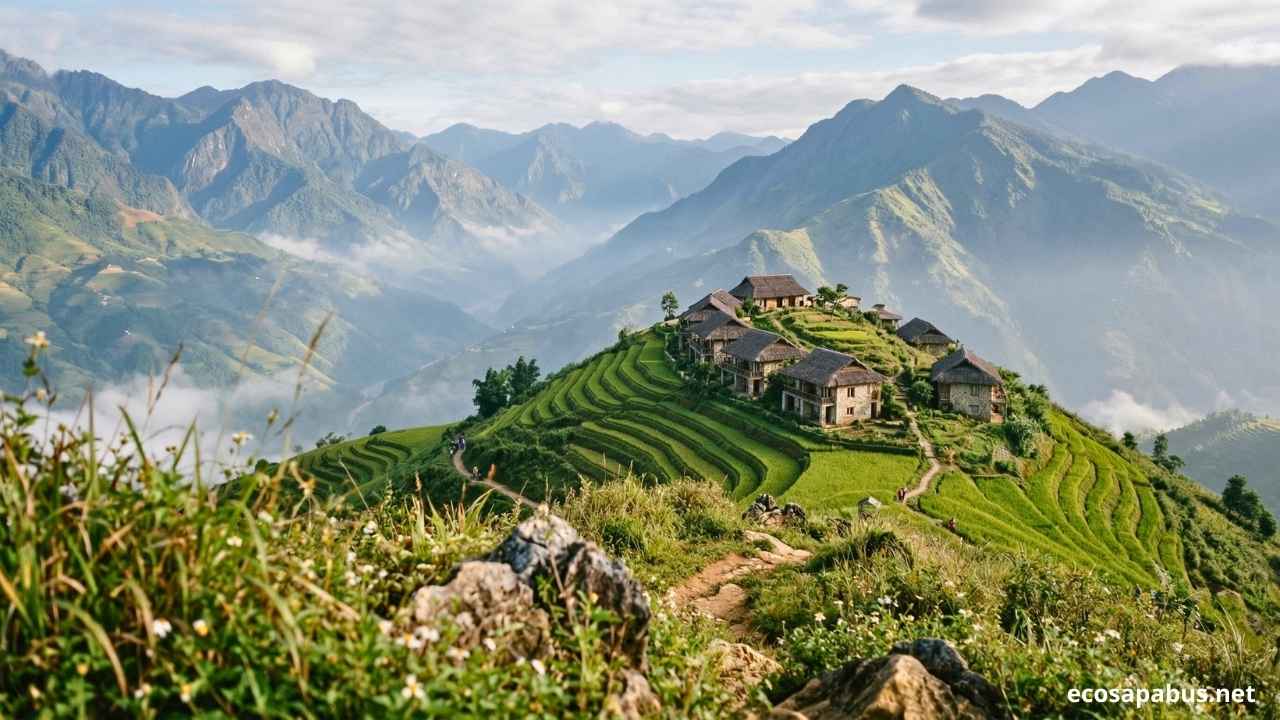
Sapa sits at 1,500–1,600 metres in the Hoang Lien Son mountain range, just 38km from the Chinese border. It is the heartland of six ethnic minority groups — Black H'mong, Red Dao, Tay, Giay, Xa Pho, and La Chi — who have farmed these impossibly steep hillsides for over 400 years using an irrigation system that still runs on gravity alone.
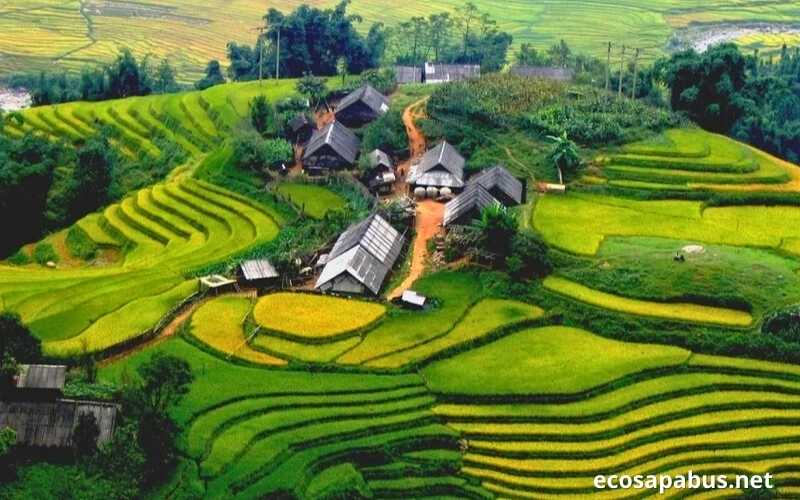
The rice terraces here are not a tourist attraction that was built. They are the living result of centuries of agricultural engineering, and every September–October they turn a deep, golden amber that photographers travel from across the world to capture.
What makes Sapa genuinely different: you can walk out of town in 20 minutes and be in a village where the children have never used a smartphone. The trails between villages are not marked on most maps. The buffalo share the road. The views change every corner. It is one of the last places in mainland Southeast Asia where the word "authentic" is not an insult to the intelligence of the traveller.
Province: Lao Cai · Elevation: 1,500–1,600m · Population: ~60,000 · Distance from Hanoi: 320km · Drive time: 5–6 hours · Nearest train station: Lao Cai (38km) · Languages: Vietnamese, H'mong dialects, some English in tourist areas
How to Get from Hanoi to Sapa
The most important decision of your Sapa trip is how you travel there. The road from Hanoi (National Highway 4D) is a 320km mountain route with hundreds of switchbacks after Lao Cai. Driver quality and vehicle condition matter enormously — budget buses have a poor safety record on this road.
Option 1: Luxury Limousine Bus — Best Choice
This is what EcoSapa Bus operates and what we recommend for Western travellers. A 9-seat or 16-seat luxury limousine van departs Hanoi (My Dinh or Gia Lam) and drives directly to Sapa town. Journey time: 5–6 hours.
Departure points: My Dinh Bus Station, Gia Lam, or hotel pick-up (inner districts). Departures: 06:00, 08:00, 14:00, 22:00. Seats: reclining leather, AC, USB charging. Price: 320,000–450,000 VND per person. Door-to-door hotel drop-off in Sapa included.
Book Hanoi → Sapa Limousine
Departures daily · Hotel pick-up available · 5–6 hours direct
Option 2: Overnight Sleeper Train to Lao Cai
Departs Hanoi (Tran Quy Cap or Hanoi Station) around 21:00–22:00, arrives Lao Cai at 05:30–06:00. From Lao Cai station, take a shared minibus (60,000 VND) or taxi (350,000–450,000 VND) 38km up the mountain to Sapa town — roughly 1 hour.
Train classes: Soft sleeper 4-berth (recommended, 400,000–700,000 VND) or Hard sleeper 6-berth. Book on dsvn.vn or through your hotel at least 3 days ahead. SP1, SP3, LC3 trains are the most reliable — the Victoria Express is the most comfortable private cabin option.
The overnight train from Lao Cai to Sapa no longer exists — that line closed in 2014. Anyone selling you a "Sapa train ticket" after Lao Cai is selling you the minibus ride. Don't pay more than 60,000–80,000 VND per person for the Lao Cai → Sapa minibus.
Option 3: Open Tour Bus — Not Recommended
Cheap open buses (150,000–200,000 VND) depart from the Hanoi backpacker area (Ta Hien Street). These are often older vehicles, drivers push through the night, and several serious accidents have occurred on the Lao Cai–Sapa mountain section. The price difference compared to a limousine is roughly $5–8. Not worth it.
Getting Around Sapa
Sapa town is walkable. The town centre — market, main street, Sapa Lake — is a 10-minute walk end to end. To reach villages, you have three options:
- Guided trek on foot — the best way to see everything; 6–15km per day through the terraces
- Motorbike taxi (xe om) — 50,000–150,000 VND to nearby villages; negotiate before you get on
- Private car/motorbike rental — 100,000–200,000 VND/day for a manual motorbike; international licence technically required but rarely checked
- Cable car to Fansipan — departs from Sapa station, 750,000 VND return; takes 20 minutes
Best Time to Visit Sapa
Sapa has four distinct seasons — which is unusual for Vietnam. The weather is the single biggest factor in whether your trip is spectacular or disappointing. Mist and cloud are permanent at 1,600m, but how thick they are changes everything.
Even in the "best" months, Sapa can be completely white with cloud for 2–3 consecutive days. The local rule: the earlier in the morning you go out, the better your chances of clear views. By 10am the valley mist often rolls up. Be at Muong Hoa Valley or on the Fansipan path by 07:00 on clear mornings.
What to Do in Sapa — The Real Highlights
1. Trek Through Muong Hoa Valley
The 8km valley between Sapa town and Ta Van village is the single most beautiful landscape in Northern Vietnam. Muong Hoa Stream runs at the bottom; the H'mong terraces stack 400 metres up each side. The trail passes through Lao Chai village (Black H'mong), Ta Van (Giay ethnic group), and ends at Giang Ta Chai — one of the most remote accessible villages in the valley. Allow a full day; go with a local guide. The path can be slippery after rain and not well-marked at key junctions.
2. Climb Fansipan — the Roof of Indochina (3,143m)
Vietnam's and Indochina's highest peak. Two ways up:
- Cable car (Sun World Fansipan Legend) — 20 mins, 750,000 VND return adult. Buy tickets at the station in Sapa or online. Opens 07:30. On a clear day the views are extraordinary; in cloud it is a white box.
- Trek to the summit — 2-day guided climb, overnight camp or basic lodge at 2,800m. 19km one way. Technical sections require good fitness. Cost: 1,800,000–2,500,000 VND with licensed guide including permits. Book at least 1 day in advance.
3. Cat Cat Village — Skip It or Set Expectations Correctly
Cat Cat is the most visited village, 3km from Sapa town. It now charges a 70,000 VND entrance fee and the lower village is heavily commercialised. Verdict: go in the early morning (07:00) before the tourist groups, walk through quickly, photograph the waterfall, and keep walking to Sin Chai village another 2km past — which is still genuinely local and free.
4. Bac Ha Sunday Market
100km north of Sapa (2-hour drive). Every Sunday, Flower H'mong, Dao, Nung and La Chi people come down from surrounding mountains to trade livestock, medicinal plants, homemade textiles, and local rice wine. It is noisier, rougher, and far more authentic than Sapa market. Start at 07:00 — by 10:00 the livestock section empties out. Book a Sunday tour from Sapa here.
5. Silver Waterfall (Thac Bac) & Heaven's Gate
15km from Sapa on the O Quy Ho Pass, the Silver Waterfall drops 200 metres and is visible from the road. Heaven's Gate (Cổng Trời) is 2km further — a mountain pass at 1,900m where on clear days you can see into China. Best visited by motorbike or hired car. O Quy Ho Pass itself is one of the four great mountain passes of Vietnam and makes for a spectacular drive.
6. Ham Rong Mountain Park & Sapa Stone Church
Ham Rong rises directly behind Sapa town and offers panoramic views of the entire valley. Entry: 40,000 VND. The garden at the top has orchids, roses, and cloud forest. 45-minute walk to the top. Go at sunset for the best light. Below it, the Sapa Stone Church (1926, French colonial) is the most photographed building in town.
7. Trek to Ta Phin Village (Red Dao)
12km round trip from Sapa (or hire a xe om one way). Ta Phin is a Red Dao village where women wear elaborate embroidered red headdresses and practice traditional herbal medicine. The village bathhouses offer the famous Red Dao herbal bath — 100,000–150,000 VND — which locals use for everything from muscle aches to post-childbirth recovery. Genuinely relaxing after a day of trekking.
Trekking in Sapa — Complete Guide
Trekking is the main reason most travellers come to Sapa. But unlike Chiang Mai or Kathmandu, Sapa's trails are not well-signed — you will need a guide for anything beyond the 2km Cat Cat path. The trails are working farmers' paths, slippery when wet, and cross private land. A good guide doesn't just navigate; they translate, explain the culture, and take you to villages tourist groups never see.
How to Find a Legitimate Guide
Book through a licensed agency in Sapa town or through your hotel. A legitimate guide will have: a Tourism Guiding License (shown on request), a fixed price quoted before departure, and knowledge of which villages permit visitors that day. The going rate for a licensed English-speaking guide is 400,000–600,000 VND per day (full day), not per hour.
At the Sapa bus station and market, H'mong women will approach you offering to be your "free guide" and lead you to their village. This is not free — at the village you will be given a hard-sell on handmade goods, with the guide taking commission. These women are also often not from the village they claim, and may lead you on a route that is technically trespassing. Always pre-book a licensed guide.
The Best Trekking Routes by Difficulty
| Route | Distance | Time | Difficulty | Highlight |
|---|---|---|---|---|
| Sapa → Cat Cat → Sin Chai | 7km | 3–4h | Easy | Waterfall, H'mong village |
| Sapa → Lao Chai → Ta Van | 10km | 5–6h | Moderate | Muong Hoa terraces |
| Ta Van → Giang Ta Chai | 6km | 3–4h | Moderate | Remote Giay village |
| Sapa → Ta Phin Village | 12km | 5h | Moderate | Red Dao culture, herbal bath |
| Sapa → Fansipan (cable) | — | Half day | Easy | 3,143m summit views |
| Fansipan Trek (2-day) | 19km | 2 days | Hard | Summit + overnight camp |
| O Quy Ho Pass loop | 25km | Full day | Hard (bike) | Pass + waterfall + views |
What to Wear for Trekking
- Waterproof hiking boots with ankle support (non-negotiable — the paths are muddy year-round)
- Trekking poles (borrow from your guesthouse or hotel)
- Rain jacket (even in dry season — altitude mist can soak you)
- Layers: the temperature drops 10°C between Sapa town and the valley floor
- Sun protection: at altitude, UV is much stronger than at sea level
Sapa Itineraries — 1 Day, 2 Days, 3 Days
1-Day Itinerary: Arrive Morning, Leave Evening
2-Day Itinerary: The Complete Sapa Experience
Let Us Plan Your Sapa Itinerary
Tell us your dates and we'll arrange transport, guide, and tours — no booking fees.
What to Eat in Sapa — Local Food Guide
Sapa's food is mountain food — hearty, warming, and unlike anything in the lowlands. The H'mong and Dao communities grow black sticky rice, black chicken, bitter herbs, and vegetables at altitude that simply do not grow anywhere else. Here is what you must eat:
Thang Co — The Signature Sapa Dish
A thick stew traditionally made from horse or buffalo meat, offal, and local spices — simmered all day in a large communal pot. Found at the Saturday market and Bac Ha Sunday market. One bowl: 30,000–50,000 VND. The smell is intense; the taste is deeply savoury and unlike anything else. This is not a tourist dish — it is a centuries-old H'mong staple.
Black Sticky Rice (Xôi Tím)
Steamed in bamboo tubes over a wood fire, served with sesame salt and sometimes grilled pork fat. The purple-black colour comes from black glutinous rice varieties grown only at altitude. Breakfast stalls near the market sell it from 05:30 for 15,000–25,000 VND. The best version is eaten standing at the market, still hot from the tube.
Grilled Corn & Sweet Potato (Ngô Nướng)
Sapa's highland corn is a different variety to lowland corn — smaller kernels, more intense flavour, slightly chewy. Grilled over charcoal by vendors all along the main street and market. 10,000–15,000 VND per cob. Buy one and walk — the perfect Sapa street food experience.
Lam Rice (Cơm Lam)
Sticky rice cooked inside a fresh bamboo tube directly over fire. The bamboo chars slightly and imparts a smoky, grassy flavour. Found at village homestays and some town restaurants. Eaten by peeling back the bamboo — the outer char comes off easily.
Black Chicken (Gà Đen)
Free-range mountain chickens with black skin, black bones, and intense flavour — a completely different eating experience from commercial chicken. Prepared as grilled skewers, in soups, or slow-cooked with ginger. Available at most restaurants. A whole chicken: 250,000–350,000 VND.
Men Men (Cornmeal Cake)
The everyday carbohydrate of the H'mong people — a dense, steamed cornmeal cake, slightly sweet, eaten with vegetables or pickled greens. Not for everyone, but eating it with a H'mong family in their home is an experience money can't otherwise buy.
Sapa's Salmon & Sturgeon
Cold mountain streams around Sapa are among the few places in Vietnam where salmon and sturgeon can be farmed successfully. Several restaurants on Cau May Street serve fresh salmon sashimi, salmon hotpot, and grilled sturgeon. Expensive by Vietnam standards (250,000–450,000 VND per portion) but a genuinely excellent local product.
Can Wine (Rượu Cần)
Fermented rice wine drunk communally through long bamboo straws from a large clay pot. The pot is refilled with water as you drink. Very social, slightly sweet, and surprisingly potent. You will be offered this in almost every village homestay. Politely declining is acceptable; enthusiastically accepting will earn you considerable goodwill.
Where to Eat in Sapa Town
| Restaurant | Best For | Price Range |
|---|---|---|
| Baguette & Chocolat | Western food, training restaurant for local youth | $$ |
| Delta Restaurant | Vietnamese & Western fusion, great views | $$ |
| Sapa Market Night Stalls | Thang co, grilled meats, local snacks | $ |
| Little Sapa Restaurant | Black chicken, salmon hotpot, set menus | $$ |
| H'mong Sisters Restaurant | Authentic hill tribe cooking, family recipes | $ |
| Ta Van Homestay Kitchens | Village meals, rice wine, best food in the valley | $ |
Understanding Sapa's Local Culture
Sapa is home to six ethnic minority groups, each with distinct language, dress, customs, and farming practices. Vietnamese people (Kinh) are actually a minority in the surrounding villages — the town itself is mixed, but the valleys belong to the mountain peoples.
The Six Ethnic Groups
| Group | Identifying Feature | Village | Known For |
|---|---|---|---|
| Black H'mong | Indigo-dyed black clothing | Lao Chai, Cat Cat | Hemp weaving, silver jewellery, terraces |
| Red Dao | Elaborate red embroidered headdress | Ta Phin | Herbal medicine, indigo dyeing |
| Giay | Colourful appliqué garments | Ta Van | Rice farming, wood carving |
| Tay | Simple indigo blue clothing | Near Lao Cai | Stilt houses, weaving |
| Xa Pho | White, red-trimmed blouses | Remote highlands | Forest knowledge, hunting |
| La Chi | Simple black garments, silver belt | Bac Ha area | Brocade, buffalo trading |
Cultural Etiquette — What Not to Do
- Do not photograph people without asking, especially children. A smile and a gesture are enough to ask permission
- Do not enter a house without being invited, even if the door is open
- Remove shoes before entering any home — look for a pile of shoes at the door
- Do not touch religious altars, spirit posts, or ceremonial objects inside homes
- Dress modestly in villages — shoulders and knees covered. The H'mong community is conservative
- Buying directly from artisan women is respectful and more beneficial than buying from market middlemen
- The "Love Market" in Sapa is now largely a tourist show — the real love markets happen in remote villages on specific lunar calendar dates
Learning H'mong Phrases
Even one phrase will earn an enormous reaction. "Mày lâu pê" (H'mong: "How are you?"). Or simply knowing the difference between the Giay greeting (a bow) and the H'mong greeting (both hands clasped) shows respect that opens doors — literally.
Sapa Scam Warning — How to Stay Safe
Sapa is not a dangerous destination, but it has a well-documented set of tourist scams that catch a high proportion of first-time visitors. Knowing them in advance will save you money and frustration.
- "Free guide" H'mong women: As described in the trekking section — they guide you to a village where you face extreme pressure to buy goods at inflated prices. The "free guide" takes 30–50% commission.
- Fake silver jewellery: Items sold as "pure silver" near the market are almost always low-grade alloy. Real H'mong silver is heavier, slightly yellowed, and sold by weight (ask the price per gram — around 30,000–35,000 VND/gram for genuine silver).
- Taxi overcharging from Lao Cai: The official fare from Lao Cai station to Sapa is 350,000–420,000 VND by metered taxi. Unlicensed drivers at the station approach you immediately and charge 600,000–800,000 VND. Use Grab (the Vietnamese Uber) or pre-book your Hanoi–Sapa limousine with hotel drop-off.
- Cable car "group discount" touts: People near the Fansipan cable car station offer "group discount" tickets. These are regular price or higher — buy only at the official booth or Sun World app.
- Motorbike rental bait-and-switch: You rent a bike, they charge you for minor scratches that were pre-existing. Photograph the entire bike before you leave the rental shop.
- Trekking "guides" without a licence: Always ask to see a Tourism Guiding Licence (Thẻ hướng dẫn viên du lịch). It is credit card size, issued by the provincial tourism authority, and has the person's photo on it.
If Something Goes Wrong
Sapa Tourist Police Office: located on Cau May Street, 500m from the stone church. Open 08:00–17:00. In cases of theft: file a report immediately — you will need this for insurance claims. For transport disputes, contact your original booking agent (e.g., EcoSapa Bus) — we can intervene directly with drivers.
Emergency numbers: Police 113 · Ambulance 115 · Fire 114. The nearest hospital with reasonable facilities is Lao Cai General Hospital, 38km down the mountain.
Money, ATMs & What Things Cost in Sapa
Currency & Exchange Rate
Vietnam uses the Vietnamese Dong (VND). As of 2026, the approximate rates are:
$1 USD ≈ 25,000 VND · £1 GBP ≈ 31,000 VND · €1 EUR ≈ 27,000 VND · $1 AUD ≈ 16,000 VND · $1 SGD ≈ 19,000 VND
Pro tip: When you see "200" on a menu in a mountain village, that means 200,000 VND — about $8. The zero confusion is real. Always confirm whether a price is in thousands (nghìn) before assuming.
What Things Cost in Sapa
ATMs in Sapa
Sapa has multiple ATMs concentrated around the town centre and Cau May Street. Reliable ATMs: Vietcombank (near the stone church), Agribank (market area), Techcombank (Cau May). Withdrawal limit: typically 2,000,000–5,000,000 VND per transaction. Fees: 30,000–60,000 VND per transaction for foreign cards. Most ATMs accept Visa, Mastercard, and UnionPay.
ATMs run out of cash on weekends (especially Saturday market day) and during peak season. Always carry enough cash for 2 days — the ATMs in village areas (Lao Chai, Ta Van) are unreliable or non-existent. Withdraw in Sapa town before trekking.
Tipping Culture
Not mandatory, but appreciated. Guides: 50,000–100,000 VND per day as a tip on top of the agreed fee. Drivers: 20,000–50,000 VND for a day's driving. At homestays: leave a small amount (50,000–100,000 VND) for the family. At restaurants: tip 10,000–20,000 VND on a meal — this is genuinely significant for a mountain village family.
Where to Stay in Sapa — From Luxury to Local Homestay
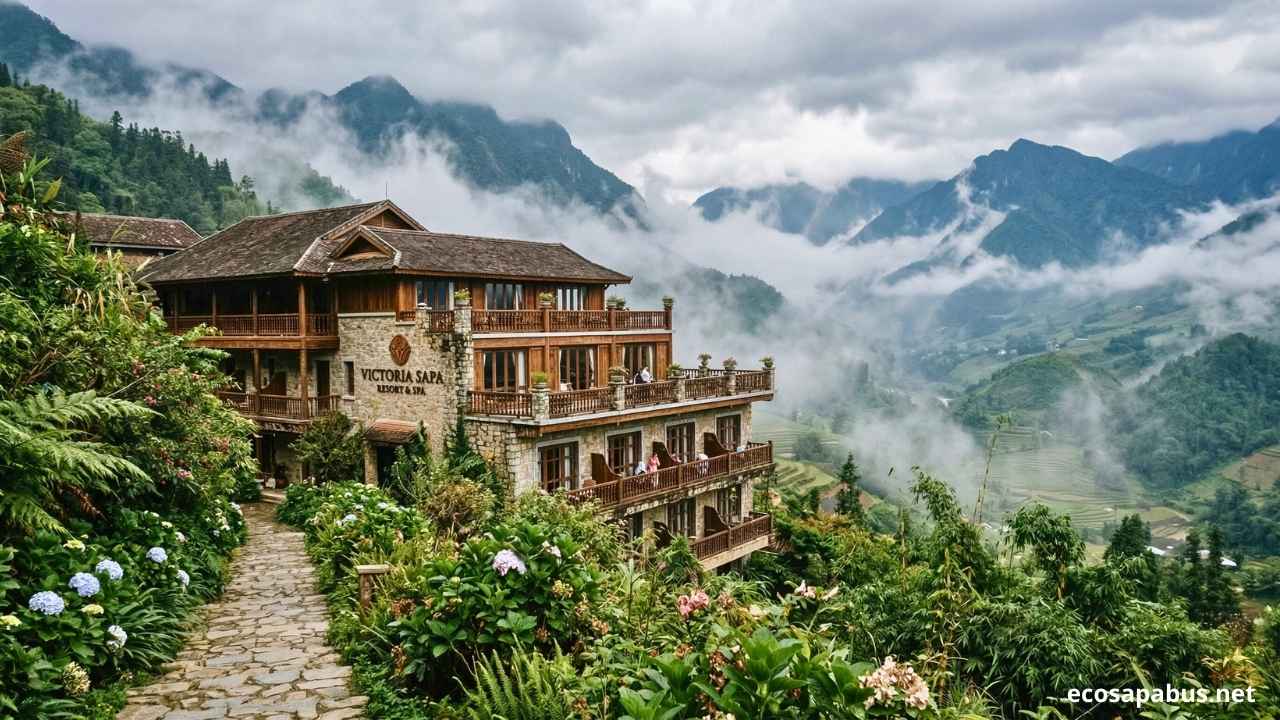
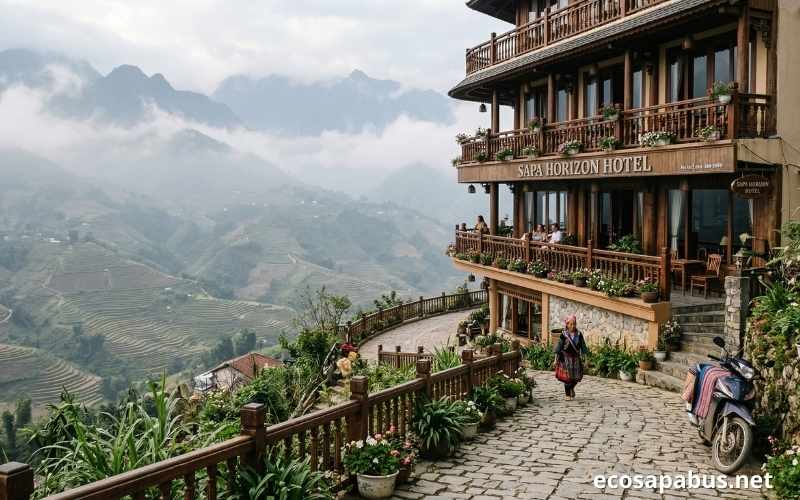
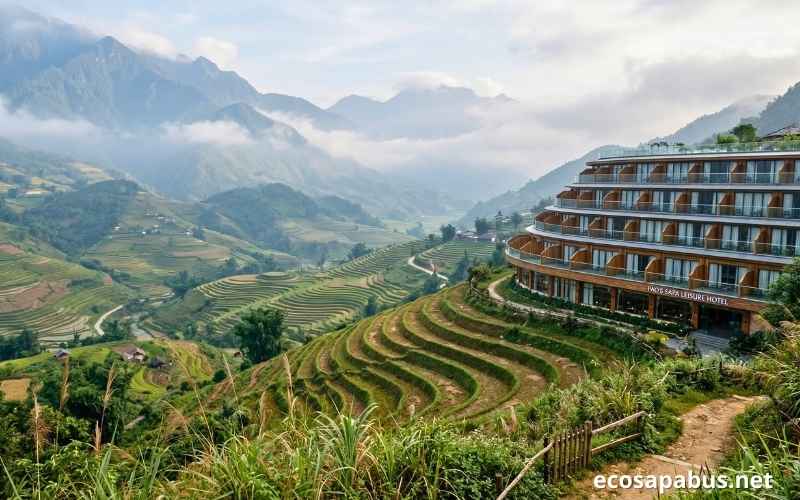
Sapa has more accommodation options per capita than almost any other destination in Northern Vietnam — from international 5-star hotels on the ridge to bamboo homestays in the valley villages. Your choice of where to stay fundamentally shapes your experience.
Luxury — 5-Star with Valley Views
Mid-Range — Boutique Hotels in Town
Local Homestays — The Real Sapa Experience
Staying in a homestay in Lao Chai, Ta Van, or Giang Ta Chai is the single experience most travellers say defines their Sapa trip. You wake up in the valley — not on top of the tourist town — surrounded by the terraces, the sounds of farm animals, the smell of wood smoke.
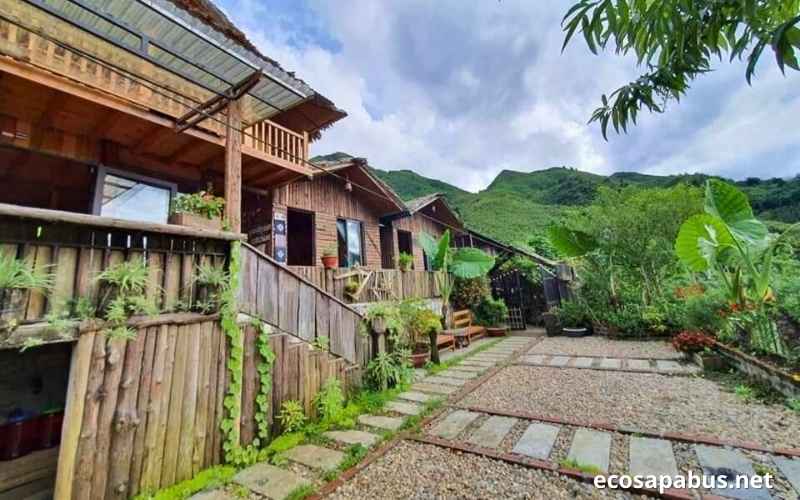
The best valley homestays are not on Booking.com. Book through Sapa Sisters (sapasisters.com) — a women-owned cooperative of trained H'mong guides and hosts, or ask your Hanoi–Sapa limousine driver (EcoSapa Bus) to recommend specific families we have worked with for years.
Packing List for Sapa
Sapa requires a different packing strategy than the rest of Vietnam. Even in summer, it can be 15°C at night. In winter, it freezes. The mountain UV and the muddy trails require specific gear.
Essential — You Cannot Trek Without These
- Waterproof hiking boots — the single most important item. The trails are muddy 10 months of the year. Trainers will leave you soaked within 10 minutes.
- Rain jacket / waterproof layer — even in dry season, mountain mist is frequent. A lightweight packable rain jacket takes no space and is critical.
- Warm layer for evenings — temperatures drop sharply after dark. Even in September/October, bring a fleece or down jacket for evenings.
- Trekking poles — your knees will thank you on the descent. Borrow from your hotel or buy cheaply at the Sapa market.
- Headlamp or torch — valley homestays have limited electricity. Power cuts are common.
- Portable power bank — for charging in homestays where sockets are shared and power unreliable.
Clothing for Different Seasons
| Season | Daytime | Evening / Night | Trekking |
|---|---|---|---|
| Sep–Oct (harvest) | T-shirt + light layer | Fleece or light down | Waterproof boots, rain jacket |
| Mar–May (spring) | Light shirt | Sweater | Waterproof boots, sun protection |
| Dec–Feb (winter) | Thermal base + fleece + jacket | Down jacket, gloves, hat | Warm waterproof boots, thermal leggings |
| Jun–Aug (monsoon) | Light shirt, quick-dry | Light fleece | Waterproof everything, trail gaiters |
Medicine & Health
- Altitude sickness tablets (Diamox) — mild altitude at 1,600m but some people feel headaches
- Imodium and rehydration salts — for any stomach issues (water in village areas is not treated)
- Blister plasters — more essential than any other medical item
- High-SPF sunscreen — at altitude, UV is significantly stronger
- Insect repellent — particularly for evening village walks
- Basic first aid kit — the nearest decent medical facility is 38km away in Lao Cai
More Northern Vietnam Guides
Sapa FAQ
Do I need a guide for trekking in Sapa?
Technically no — there is no law requiring a guide. Practically yes — the trails are not marked, cross private farmland, and a good guide opens access to homestays and villages that are closed to unaccompanied tourists. Budget 400,000–600,000 VND per day for a licensed English-speaking guide.
Is Sapa safe for solo female travellers?
Yes — Sapa has a very low violent crime rate. The main issue for solo female travellers is overly persistent vendors and (occasionally) uninvited company on trails. Walk with purpose, decline firmly, and book guided treks through licensed agencies rather than accepting offers on the street.
Can I visit Sapa without going to the terraces?
You can — there is the town, Fansipan, the Sunday market, the hamrong park — but the terraces are the reason Sapa exists as a destination. Even if you do not trek, hire a xe om and ride down to the Muong Hoa Valley viewpoint on the main road. You will understand immediately why people come.
What is the entrance fee for Cat Cat village?
70,000 VND (adults). This was introduced in 2019 and is now managed by a private company (Sun Group). The fee is controversial — some of the money reportedly goes to the H'mong community, some does not. If you want to avoid commercial village tourism, visit Sin Chai (free, 2km past Cat Cat) or book a guided trek to Lao Chai/Ta Van instead.
Can I drink the tap water in Sapa?
No. In Sapa town, bottled water is cheap and available everywhere (5,000–8,000 VND for 1.5 litres). In village homestays, all water is boiled or filtered — do not drink directly from village taps or streams. Stick to bottled water or boiled tea offered by your hosts.
Is there WiFi in Sapa?
Yes — in the town centre, most hotels and cafes have reliable WiFi. In valley villages (Lao Chai, Ta Van), WiFi is limited or absent. 4G mobile data (Viettel or Mobifone SIM) works in the valley during the day; it can drop in remote highland areas. Buy a Vietnamese SIM at Noi Bai Airport or Hanoi phone shops for $3–5 with 10–20GB data.