


Quick Answer: What Are the Best Beginner Trekking Routes in Sapa?
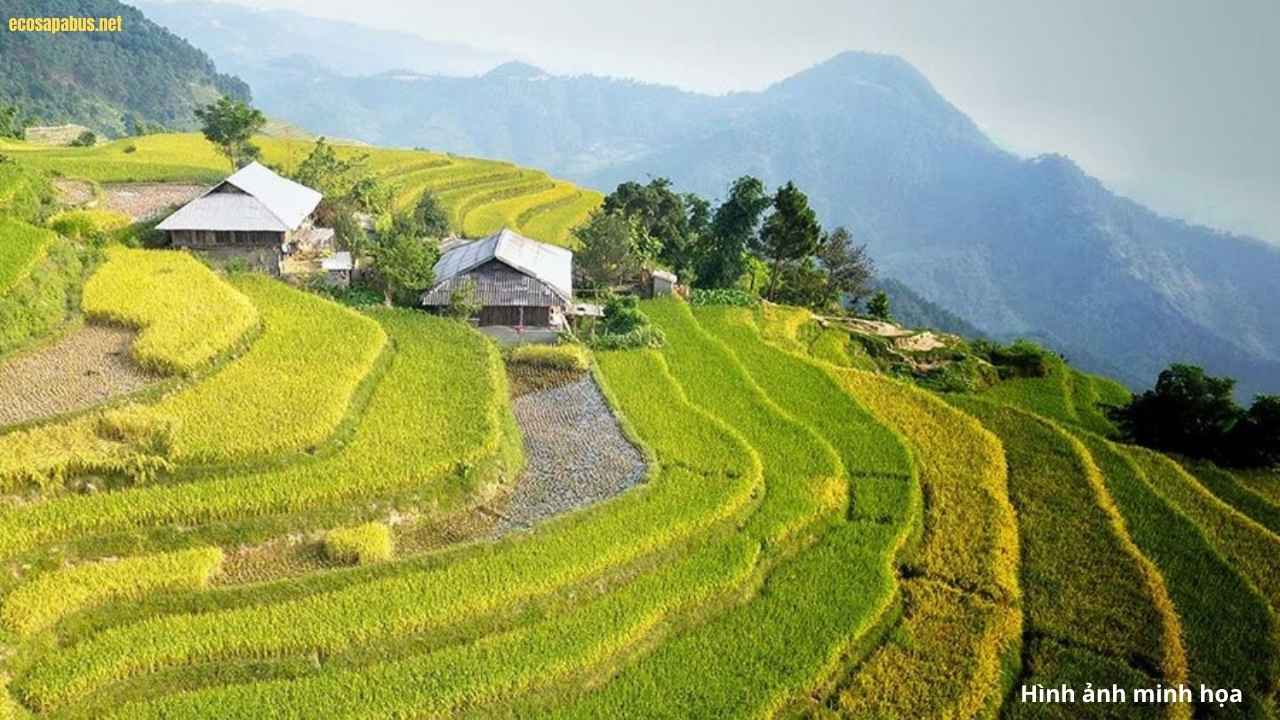
The best beginner trekking route in Sapa is the Lao Chai–Ta Van trail in Muong Hoa Valley — 8–10 km of rice terrace walking through H'mong and Giay villages, with a gradual descent and no serious climbs. For families or first-timers with less time, Cat Cat Village is the easiest option: 3 km, well-paved and accessible from Sapa town on foot. Both routes work without a guide, though a local guide adds real cultural depth on any trail.
- Lao Chai–Ta Van — Most popular, best scenery
- Cat Cat Village — Easiest, closest to town
- Ta Van–Giang Ta Chai — Quieter, more remote
- Y Linh Ho–Lao Chai — Valley floor, fewer crowds
- Ta Phin Village — Red Dao culture, herbal baths
- Trails are uneven — grip matters more than fitness
- Wet season paths (June–Aug) can be very slippery
- Cloud and rain can arrive fast at any time of year
- Some paths look obvious but fork — download offline maps
Why Sapa Works So Well for Beginner Trekkers
Most mountain trekking destinations require either serious fitness or serious planning. Sapa is different. The trails run through villages and working farmland rather than true wilderness, which means there are rest stops, food stalls, local families and landmarks throughout. You are never far from a village, a path back to town, or someone who can point you in the right direction.
The terrain itself is also genuinely accessible. Muong Hoa Valley, where the most popular routes run, sits between 600 and 900 metres above sea level — well below Sapa town, which is at around 1,500 metres. That means most beginner routes involve walking downhill into the valley rather than climbing up, which makes a significant physical difference for people who are not regular hikers.
The other factor is the scale of the experience. You are not just looking at scenery — you are walking through active rice terraces, crossing streams on bamboo bridges and passing through villages where the H'mong, Giay, Red Dao and Tay ethnic communities live and work. That combination of ease and cultural richness is what makes Sapa something genuinely different from a typical beginner hiking destination.
Sapa sits in a mountain bowl that catches cloud, mist and rain differently depending on the season. The routes described below have clear difficulty ratings, but conditions affect the experience significantly. A trail rated easy in October feels harder in July when it has been raining for three days. The seasonal section later in this guide covers this in detail — read it before you plan.
Beginner Trekking Routes: Quick Overview
Here is a summary of the five routes before we go into detail on each one. All are suitable for first-time trekkers with reasonable fitness. None require technical equipment.
- Lao Chai–Ta Van: 8–10 km one way, 3–4 hours, easy to moderate. The benchmark Sapa trek — rice terraces, two villages, river crossings.
- Cat Cat Village: 3 km round trip, 1.5–2 hours, easy. Closest to town, paved path, entry fee required.
- Ta Van–Giang Ta Chai: 5–6 km, 2–3 hours, easy to moderate. Extension of the Lao Chai–Ta Van trail into the Giay village beyond Ta Van.
- Y Linh Ho–Lao Chai: 6–8 km, 2.5–3.5 hours, easy to moderate. Valley floor route through Black H'mong villages, less visited than Lao Chai–Ta Van.
- Ta Phin Village: 4–6 km loop, 2–3 hours, easy. Separate location from Muong Hoa Valley — Red Dao community, cave and herbal bath houses.
Lao Chai – Ta Van Trek
🏆 Lao Chai – Ta Van Trek
The most popular beginner route in Sapa — for good reason

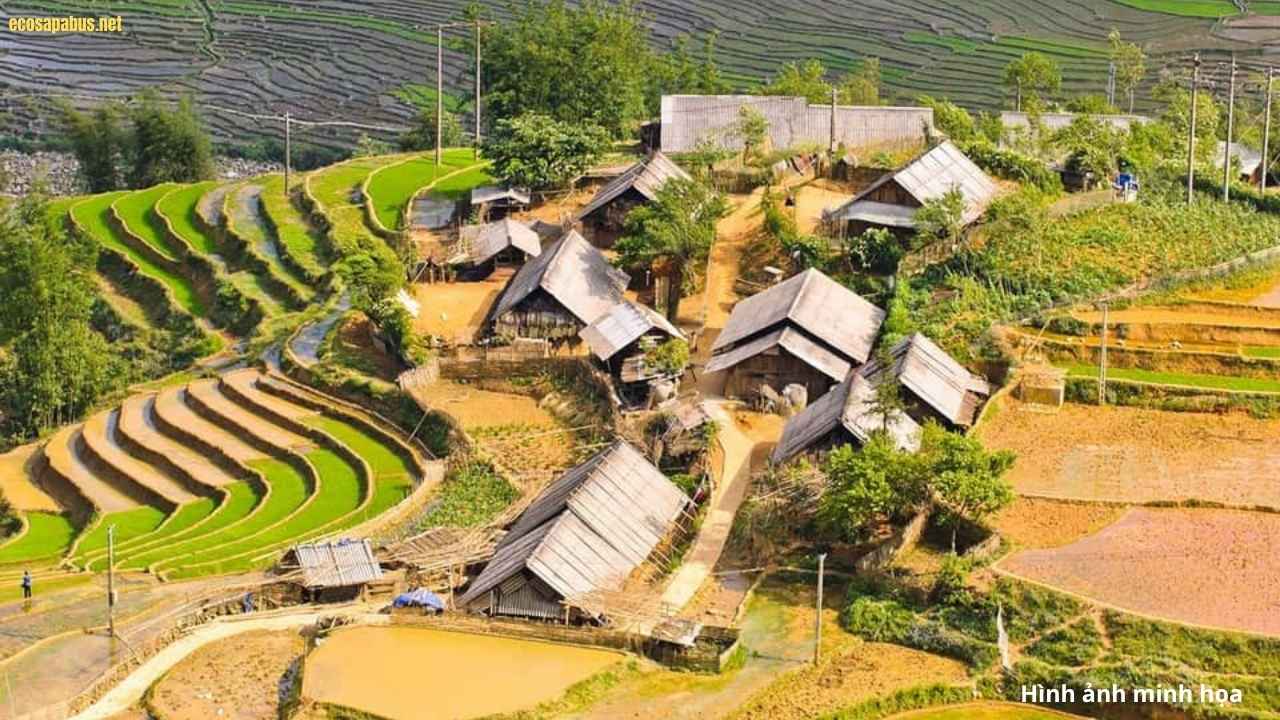
The Lao Chai–Ta Van trail runs through the heart of Muong Hoa Valley and is the route most visitors to Sapa end up doing first — which is not a criticism. It genuinely delivers: sweeping terraced hillsides, the Muong Hoa river running alongside stretches of the path, two distinct ethnic villages (Lao Chai is H'mong, Ta Van is Giay), and a satisfying end point at the Ta Van suspension bridge.
The trail starts from the Muong Hoa Valley viewpoint area, roughly 3 km below Sapa town. From there the path descends gradually into the valley, crosses rice paddy dikes and follows the river before arriving at Lao Chai village. Ta Van is a further 3 km along a mostly flat valley floor path. The whole route is navigable without a guide — the main path is wide and well-trodden, with the Muong Hoa river as a consistent reference point on your left heading down.
The path back: Most people arrange a motorbike taxi from Ta Van. Drivers wait near the suspension bridge and the ride back to Sapa town costs around 150,000–200,000 VND. Walking back the same route adds 3–4 hours. Some visitors pre-arrange a vehicle pickup with their hotel or guide.
- Outstanding rice terrace scenery throughout
- Two distinct village cultures in one walk
- Navigable without a guide
- Mostly downhill, manageable pace
- Food stalls and homestays along the route
- Easy motorbike taxi return from Ta Van
- Rocky path sections require proper footwear
- Very busy in peak season (Sep–Nov)
- Vendor persistence in Lao Chai village
- Slippery after rain — poles helpful
- No shade on ridge sections — sun protection important
Start by 8:00–8:30am from Sapa town to arrive in the valley before the midday heat and the bulk of tour groups. The early light on the terraces is also significantly better for photography. If you want a guide specifically to access family homes and learn more about the H'mong community rather than just to navigate the path, book one — it is worth it for the depth of the experience.
Best season: September–November (golden terraces before harvest), March–May (planting, clear skies). Best for: All beginner types — couples, families, solo travellers, first-time visitors.
Cat Cat Village Trek
🏡 Cat Cat Village Trek
The easiest walk from Sapa town — great for families and a quick cultural introduction

Cat Cat Village sits at the bottom of the steep valley directly below Sapa town, a 30–40 minute walk down a well-laid stone path. The route is almost entirely paved or stepped, with handrails on steeper sections, and includes a waterfall, a cultural performance area and a number of craft workshops where you can watch H'mong weavers and blacksmiths at work.
An entry fee of approximately 150,000 VND per adult is payable at the gate. It covers the full village access including the waterfall viewpoint. The village is managed and the fee goes back to the community — this is worth knowing because some travellers assume it means the experience is manufactured, which it is not. The craft and weaving traditions are real and ongoing.
The walk back up is the main physical challenge — the same descent becomes a 20–25 minute uphill climb with some steeper sections. Fit adults find it easy; young children and older travellers may need rest stops. Motorbike taxis are available at the bottom for the return if needed.
- Walkable directly from Sapa town centre
- Paved path — no special footwear needed
- Excellent for families with young children
- Waterfall, weaving workshops, cultural performance
- Good half-day option for non-hikers
- No route-finding required whatsoever
- Entry fee required (approx. $6–7 USD)
- The most touristed route — can be very busy midday
- Limited off-path exploration available
- Walk up is steep for young children and seniors
- Not representative of a 'mountain trek' experience
Best season: Year-round — the paved path makes it workable even in wet conditions. Best for: Families with young children, older travellers, first-day orientation, non-trekkers wanting a cultural experience.
Ta Van – Giang Ta Chai Trek
🌾 Ta Van – Giang Ta Chai Trek
Quieter extension beyond Ta Van into less-visited Giay territory

Giang Ta Chai is the natural continuation of the Lao Chai–Ta Van route — it picks up where Ta Van ends and follows the Muong Hoa river further down the valley into Giay village territory. This section of the valley sees significantly fewer visitors than the Ta Van stretch, which is its main appeal. The path narrows, the villages become less set up for tourism and the rice terrace scenery continues.
A local guide is recommended for this section. The path is less clearly marked than the upper valley, branches off into farmland in places and requires stream crossings that change depending on the season. It is not dangerous, but getting turned around adds unnecessary time and effort.
This is a good extension for people doing the full Lao Chai–Ta Van walk who want more — add it to the end and arrange a motorbike pickup from Giang Ta Chai rather than turning back at Ta Van.
- Significantly fewer tourists than upper valley
- Continued rice terrace scenery to Giang Ta Chai
- More authentic village interactions
- Natural extension if you have the time
- Path less well-marked — guide strongly recommended
- Stream crossings can be tricky after rain
- Add to end of Lao Chai–Ta Van, not as standalone
- Return motorbike pickup needed (pre-arrange)
Best season: September–November, March–May. Avoid after heavy rain. Best for: Couples, solo travellers, photographers, people wanting to get off the main trail.
Y Linh Ho – Lao Chai Trek
🌊 Y Linh Ho – Lao Chai Trek
Valley floor route through Black H'mong villages — quieter approach to the main trail

Y Linh Ho is a Black H'mong village roughly 8 km from Sapa town, accessible by road. The trekking route from Y Linh Ho follows the river valley east toward Lao Chai, running along the valley floor rather than the terraced hillsides above. This gives the route a different character — more river crossings, more time close to the water, and a quieter path that many regular Sapa visitors prefer.
Because this is the approach direction from Y Linh Ho, you arrive in Lao Chai from a different angle than the standard route and see a different face of the village. Combining this approach with a continuation to Ta Van makes for a longer full-day walk (12–15 km total) that some experienced beginners find more satisfying than the standard route alone.
- Much quieter than the main Lao Chai–Ta Van path
- River valley walking rather than ridge paths
- Good bird and butterfly watching in valley
- Combines well with Lao Chai–Ta Van as a full day
- Requires transport to Y Linh Ho starting point
- More river crossings — avoid after very heavy rain
- Local guide recommended for first-timers
- Less dramatic terrace scenery than hilltop sections
Best season: March–May, September–November. Best for: Repeat visitors, solo trekkers, photographers, those wanting a quieter experience.
Ta Phin Village Trek
🌿 Ta Phin Village Trek
Red Dao community, forest paths and herbal bath culture — away from the main Muong Hoa crowd

Ta Phin is 12 km north of Sapa town and requires either a motorbike taxi or a vehicle to reach the starting point. This means it often gets overlooked by visitors focused on Muong Hoa Valley — which is a mistake. The Red Dao community here has a distinct and rich culture that is quite different from the H'mong villages of the main valley, and the trek itself passes through old French colonial ruins, pine forest and terraced farmland before arriving in the village.
The main draw beyond the walk itself is the Red Dao herbal bath tradition. The village operates a number of bath houses where you soak in heated water infused with a mixture of medicinal mountain herbs — a genuinely restorative experience after a day of walking, and one that is deeply embedded in Red Dao culture rather than being a tourism invention. Allow extra time to do the bath after the trek.
- Red Dao culture — distinct from H'mong villages
- Less visited, more genuine community interactions
- Herbal bath houses — culturally significant and restorative
- French colonial ruins add historical interest
- Easy terrain — good for seniors and families
- Requires separate transport from Sapa town (12 km)
- Less dramatic rice terrace scenery than Muong Hoa
- Plan 4–5 hours total including transport and bath
- Combine with an afternoon in Sapa for a full day
Best season: Year-round — the forest and Red Dao culture are worth visiting in any season. Best for: Couples, cultural travellers, seniors, families with older children, anyone who has already done Muong Hoa Valley.
Route Comparison Table
Here is a side-by-side comparison of all five routes on the factors that matter most for beginners planning their Sapa trekking itinerary.
| Route | Distance | Duration | Difficulty | Crowds | Guide Needed | Best For |
|---|---|---|---|---|---|---|
| Lao Chai–Ta Van | 8–10 km | 3–4 hrs | Easy–Mod | High | Optional | All beginners |
| Cat Cat Village | 3 km RT | 1.5–2 hrs | Easy | Very High | No | Families, seniors |
| Ta Van–Giang Ta | 5–6 km | 2–3 hrs | Easy–Mod | Low | Recommended | Couples, solo |
| Y Linh Ho–Lao Chai | 6–8 km | 2.5–3.5 hrs | Easy–Mod | Very Low | Recommended | Solo, repeat visitors |
| Ta Phin Village | 4–6 km loop | 2–3 hrs | Easy | Low | Helpful | Culture, seniors |
Which Trek Is Right for You?
Different travellers have different priorities. Here is our honest recommendation for each type of visitor, based on what we hear from the guests we transfer to Sapa every day.
Start with Cat Cat on your first afternoon — it is short, paved and immediately rewarding for children. On day two, the upper section of Lao Chai–Ta Van works well with children 8 and above who are comfortable walking on uneven ground. Bring snacks, sun protection and a sense of humour about mud.
The classic Muong Hoa Valley route in the morning, then a motorbike to Ta Phin in the afternoon for the Red Dao herbal bath. A genuinely good day — physical, cultural and restorative in that order. Book the bath house in advance in peak season.
The full valley circuit with a local guide. This takes a full day and covers the quietest sections of the valley alongside the popular trail. You get both the scenery and the solitude. Download offline maps and start early.
Cat Cat is the most accessible route for those with limited mobility — paved, short and with rest opportunities throughout. Ta Phin is a gentle loop through forest with a restorative herbal bath at the end. Both work without significant fitness requirements and without much elevation change.
September and October offer the rice terraces at their peak golden colour. Leave by 7:00am to reach the valley viewpoint in good morning light. The ridge above Lao Chai village gives the widest terrace panoramas. Ta Van–Giang Ta Chai extension adds quieter, less photographed compositions.
Hire a local H'mong guide for the Muong Hoa Valley and visit Ta Phin for the Red Dao community. Two completely different ethnic cultures, two different landscapes, and a much richer understanding of daily life in northern Vietnam than you get from just walking the path unguided.
Best Time of Year for Sapa Trekking
Sapa's seasons are distinct and they matter — not just for comfort but for what you will actually see. The rice terraces follow a planting and harvest cycle that dramatically changes the visual experience of every route.
September and October are consistently the best months for photography and trekking conditions. However, they are also the busiest — expect the Lao Chai–Ta Van path to be genuinely crowded midday in peak season. If you want the scenery without the crowds, go in late October or early November when harvest is mostly done and visitor numbers drop sharply. March and April are the second-best option: fresh green terraces and far fewer tourists than autumn.
For detailed month-by-month advice including temperature ranges and rainfall data, see our full best time to visit Sapa guide.
What to Pack for Sapa Trekking
You do not need specialist equipment for any of these routes. What matters is that the basics are right — particularly footwear and rain protection, which most people underestimate.
👟 Footwear (Most Important)
- Trail runners or hiking shoes with grip
- NOT flip-flops, sandals or flat trainers
- Waterproof if trekking wet season
- Bring dry socks in a plastic bag
🌧️ Rain & Weather
- Light packable waterproof jacket (always)
- Quick-dry clothing — not jeans
- Sun hat and SPF 50+ sunscreen
- Light gloves in December–February
🎒 Day Pack Essentials
- 2+ litres water or water purification
- Snacks, energy bars, lunch if full day
- Small first aid kit with blister plasters
- Trekking poles (optional but helpful)
- Cash (VND) for food stalls and motorbike taxis
📱 Navigation & Safety
- Google Maps or Maps.me downloaded offline
- Fully charged phone power bank
- Travel insurance details accessible
- Your hotel's phone number saved
- WhatsApp contact for your guide or EcoSapa
Cash. Trail food stalls, village shops and motorbike taxi drivers all work in cash (VND). ATMs exist in Sapa town but not once you are in the valley. Take out more than you think you need the morning before your trek.
Guided vs Self-Guided Trekking in Sapa
This is one of the most common questions we get from visitors planning their Sapa trekking, and the honest answer is that it depends on the route and what you want from the experience.
- You are doing Lao Chai–Ta Van or Cat Cat — both are clearly marked
- You have downloaded offline maps and understand the route
- You are happy with the scenery without cultural explanation
- You want flexibility to stop, rest or turn back freely
- You have experience navigating unfamiliar terrain
- You want to understand what you are looking at — crops, culture, history
- You are doing Y Linh Ho, Ta Van–Giang Ta or off-path sections
- You want access to family homes and genuine village interaction
- You are travelling with children or seniors
- It is your first time trekking in Southeast Asia
Local guides cost approximately $15–25 USD per day depending on experience, language skills and the route. Many guides are from the H'mong community themselves and the income directly supports their families. If you hire a guide, ask your accommodation to recommend a local rather than using a large agency — the difference in experience is significant.
Common Mistakes First-Time Sapa Trekkers Make
- 👟Wearing the wrong footwear. This is the single biggest mistake. Flat trainers, sandals and fashion shoes turn an easy trail into a stressful one the moment there is a muddy descent or a rocky river crossing. Grip matters more than anything.
- 🕐Starting too late. Leaving Sapa town after 9:30am means you reach the valley in full midday heat and arrive at the same time as the tour groups. Start by 8:00am at the latest — the difference in experience is significant.
- 🌧️Ignoring the weather forecast. Sapa can go from clear blue sky to heavy rain in under an hour at any time of year. Always carry a waterproof layer. A wet path that looked easy in the morning can become genuinely slippery by afternoon.
- 🗺️Not downloading offline maps. Phone signal is decent in Muong Hoa Valley, but it drops in places. Download Google Maps offline or use Maps.me before you leave your hotel. The trail has junctions that are less obvious than they look.
- 💧Underestimating water needs. The terraced sections in full sun are warmer than they look. Carry at least 1.5–2 litres per person. Food stalls refill bottles but not reliably on remote sections.
- 💰Not carrying enough cash. The valley runs on cash. Motorbike taxis, food stalls, guide fees and village entry charges all require VND. ATMs are only in Sapa town.
- 📱Relying only on phone navigation. Offline maps help, but telling your accommodation your planned route and expected return time is basic good practice anywhere in the mountains.
- 🧠Assuming flat means easy. The valley floor sections are relatively level but the surfaces are uneven — rice paddy dikes, muddy paths, stone steps, stream crossings. The physical challenge is less about elevation and more about balance and footing.
Safety Tips for Sapa Trekking
Sapa's main routes are not wilderness trekking — you are in a populated valley, not remote mountains. The risks are proportionate: twisted ankles, dehydration, getting caught in rain without gear and occasionally getting disoriented at path junctions. None of these are serious with basic preparation.
- Travel insurance. Non-negotiable. Make sure your policy covers trekking activities and includes medical evacuation. Check the small print — some standard travel policies exclude trekking.
- Tell someone your plan. Leave your intended route and expected return time with your hotel or accommodation. This is simple and important.
- Check local weather each morning. Sapa mountain weather is changeable. Heavy overnight rain changes path conditions significantly. Your hotel or guesthouse will give you an honest local assessment.
- Do not cross swollen streams. After significant rainfall, some river crossings in Muong Hoa Valley become genuinely unsafe. If a crossing looks high or fast, turn back or wait.
- Be aware of leeches in wet season. June–August, bring salt or a lighter. Leeches are not dangerous but they are unpleasant if you do not check your footwear and socks.
- Respect the community. You are walking through people's farms and homes. Stay on marked paths, ask before photographing people and buy something from village food stalls when you stop — it is the right thing to do and it is also genuinely good food.
Getting to Sapa: Your Transport Options
All of the routes in this guide start in or near Sapa town, which means your first decision is how to get there from Hanoi. There are three realistic options.
Daily departures from Hanoi with modern limousine coaches. Journey time is approximately 5–5.5 hours on the expressway. Comfortable, affordable and the most popular option for independent travellers. See EcoSapa limousine schedules and seats.
Your own vehicle and driver, departing when you choose. Door-to-door from your Hanoi hotel to your Sapa accommodation. The best option for families, those with heavy gear and anyone who prefers flexibility. View private car options and pricing.
Flying into Noi Bai? Go directly to Sapa from the airport without entering Hanoi city first. Our airport-to-Sapa transfers track your flight and meet you at arrivals. Learn about airport to Sapa transfers. For pricing information, see our Sapa airport transfer cost guide.
If you are coming specifically to trek, consider arriving in Sapa the afternoon or evening before your planned trek day — you will want to be settled and rested before an early morning start into the valley. Most of our guests on the limousine bus leave Hanoi by 7:30–8:00am and arrive in Sapa by 1:00–2:00pm, which gives a comfortable afternoon to settle in and prepare for trekking the next day.
Frequently Asked Questions
Yes. Sapa has several well-maintained routes specifically suited to beginners with no prior trekking experience. The Lao Chai–Ta Van trail and Cat Cat Village are the most popular starting points — flat rice terrace walking with clear paths and plenty of rest opportunities. The main thing to prepare for is uneven stone surfaces and occasional short steep sections, which good footwear handles easily.
The Cat Cat Village trail is the easiest option — about 3 km round trip, mostly downhill on paved stone paths, with waymarked routes and multiple rest stops. Suitable for families with young children and older travellers. The Lao Chai–Ta Van route is the most popular and only slightly more demanding. For cultural immersion with minimal physical effort, Ta Phin Village is a very accessible alternative.
For Cat Cat Village and the main Lao Chai–Ta Van trail, a guide is not required — both paths are well-marked and heavily walked. For Y Linh Ho–Lao Chai, Ta Van–Giang Ta or any off-path sections, a local guide adds real value: better cultural context, knowledge of wet-season conditions and access to family homes. Local guides cost approximately $15–25 USD per day and many are H'mong community members themselves.
Yes. Cat Cat Village is the best family option — short, paved and manageable for children aged 5 and above. The Lao Chai–Ta Van trail is also family-friendly for children 8 and above who are comfortable on uneven ground for 2–3 hours. For very young children, Cat Cat is ideal. Bring snacks, sun protection and extra layers — the mountain weather changes fast and children cool down quicker than adults.
Lao Chai–Ta Van is rated easy to moderate. The total distance is 8–10 km one way, with a gradual descent through Muong Hoa Valley. There are rocky sections and stream crossings, but no serious elevation gain or exposed ridgeline. Most reasonably fit beginners complete it in 3–4 hours without difficulty. The path becomes genuinely slippery after rain — proper footwear matters more than fitness level.
Two full trekking days is the minimum to cover the main beginner routes. With three days you can do Lao Chai–Ta Van, Cat Cat and a half-day village visit or Ta Phin without rushing. Four or five days gives you time to explore Y Linh Ho, the Ta Van extension and rest properly in between. Most international visitors spend 3–4 nights in Sapa. One day is not enough — Sapa rewards those who stay longer.
September and October are the best months. The rice terraces turn gold before harvest, the weather is clear and trail conditions are at their best. March to May is the second-best window — fresh green terraces, clear skies and fewer crowds than autumn. December to February is cold (near 0°C at night) and often misty. June to August is wet, slippery and has active leeches — manageable but not ideal for first-timers.
The most important item is footwear — proper hiking shoes or trail runners with grip, not sandals or flat trainers. Beyond that: light moisture-wicking layers, a packable waterproof jacket (regardless of season), sun hat and SPF 50+ sunscreen for ridge walking. In winter (December–February) add a warm mid-layer and gloves. Trekking poles are helpful on descents and after rain but not essential for the main routes.
Yes. The main path is navigable without a guide using Google Maps offline — download it before leaving Sapa town, as signal drops in parts of the valley. The bigger risk with self-guided trekking is weather: check conditions in the morning and carry rain gear regardless. Let your accommodation know your route and expected return time. Most people who ask us about self-guiding find it works perfectly well on this particular trail.
Cat Cat Village charges approximately 150,000 VND per adult (around $6–7 USD). The Lao Chai–Ta Van route through Muong Hoa Valley does not currently charge a formal entry fee, though there are checkpoints. Fees at specific points along routes change periodically, so it is worth asking your accommodation for the current situation before you go.
Motorbike taxis wait near the Ta Van suspension bridge. The ride back to Sapa town is around 150,000–200,000 VND. Alternatively, pre-arrange a vehicle pickup with your guide or hotel. Walking back the same route adds 3–4 hours and is not necessary — most guides include the return motorbike transfer in their package price.
Ta Phin is a Red Dao community 12 km from Sapa town. The trekking loop passes through forest, old French colonial ruins and terraced farmland before arriving in the village. The path is easy with minimal elevation change. The main draw — beyond the walking itself — is the Red Dao herbal bath tradition: a soak in heated water infused with mountain herbs that is genuinely restorative and culturally significant. Plan 4–5 hours total including transport and bath time.
Yes. The main routes are populated, well-trodden and safe for foreign visitors. The primary practical risks are slippery paths after rain and the occasional disorienting path junction. Travel insurance that covers trekking activities is strongly recommended. Let your accommodation know your planned route and expected return time — basic good practice for any mountain walking.
The most comfortable option is a limousine bus or private car from Hanoi — the journey takes 5–5.5 hours on the modern expressway. EcoSapa Bus runs daily limousine departures and private transfers. If you are flying into Hanoi's Noi Bai Airport, we can also transfer you directly from the airport to Sapa without entering the city first. See our Hanoi to Sapa limousine page or our private car options.
Absolutely. Cat Cat Village is the most accessible route for older travellers — a short, well-paved trail with regular rest areas. The Ta Phin Village loop is also very manageable for fit seniors. The key is route selection and pace. Trekking poles are recommended. A local guide adds safety, confidence and a much richer cultural experience. The main thing to avoid is rocky descent sections in wet conditions — start early and check weather before you go.
Final Summary: Planning Your Sapa Trek
Sapa genuinely works as a beginner trekking destination. The routes are manageable, the scenery is outstanding and the cultural experience — walking through active H'mong and Giay and Red Dao villages — is something that is hard to find anywhere else in Southeast Asia at this level of accessibility.
Our practical recommendations, drawn from transferring thousands of visitors to Sapa every year:
- First-time trekker, two days: Cat Cat on arrival day, Lao Chai–Ta Van on day two.
- Best overall experience: Lao Chai–Ta Van with a local guide, plus Ta Phin Village on a separate day.
- Best season: September–November for golden terraces; March–May for green terraces and fewer crowds.
- Most important gear item: Proper grip footwear. Everything else is secondary.
- Getting there: Book your Hanoi–Sapa transport in advance, especially in peak season. Our full Sapa travel guide covers everything else you need to know.
If you have questions about routes, seasons, guides or anything about getting to Sapa — message us on WhatsApp. We answer in English, usually within minutes, and we give honest answers rather than sales pitches.