Menu

SaPa Best Things To Do

Updated February 2026

Sapa Travel Guide 2026:
What To Do, See & Know Before You Go

Terraced rice fields, highland treks, ethnic-minority homestays, and the rooftop of Indochina — everything you need to plan a rewarding trip to northern Vietnam's mountain heartland.

✎ Editorial Team 🕓 20 min read Updated: 1 Feb 2026
Aerial view of Sapa's iconic terraced rice fields glowing at golden hour

Sapa at a Glance

Perched at roughly 1,500 metres above sea level in Lao Cai province, Sapa is the gateway to Vietnam's highest peaks, deepest valleys, and most culturally rich highland communities. The H'mong, Red Dao, Tay, and Giay peoples have shaped these mountains for centuries, carving staircase rice paddies into slopes so steep they seem to defy gravity.

Morning mist drifting over Sapa's layered rice terraces
Sapa's terraced landscape is one of the most photographed scenes in Southeast Asia. Placeholder image.

Whether you are drawn by the challenge of scaling Fansipan — Southeast Asia's tallest summit — or by the quieter reward of sharing rice wine with a homestay host in a candlelit bamboo house, Sapa offers a depth of experience that few destinations in the country can match. The town itself has grown rapidly, with new hotels lining the hillside, but step thirty minutes out on any trail and you will find yourself in a landscape that has barely changed in generations.

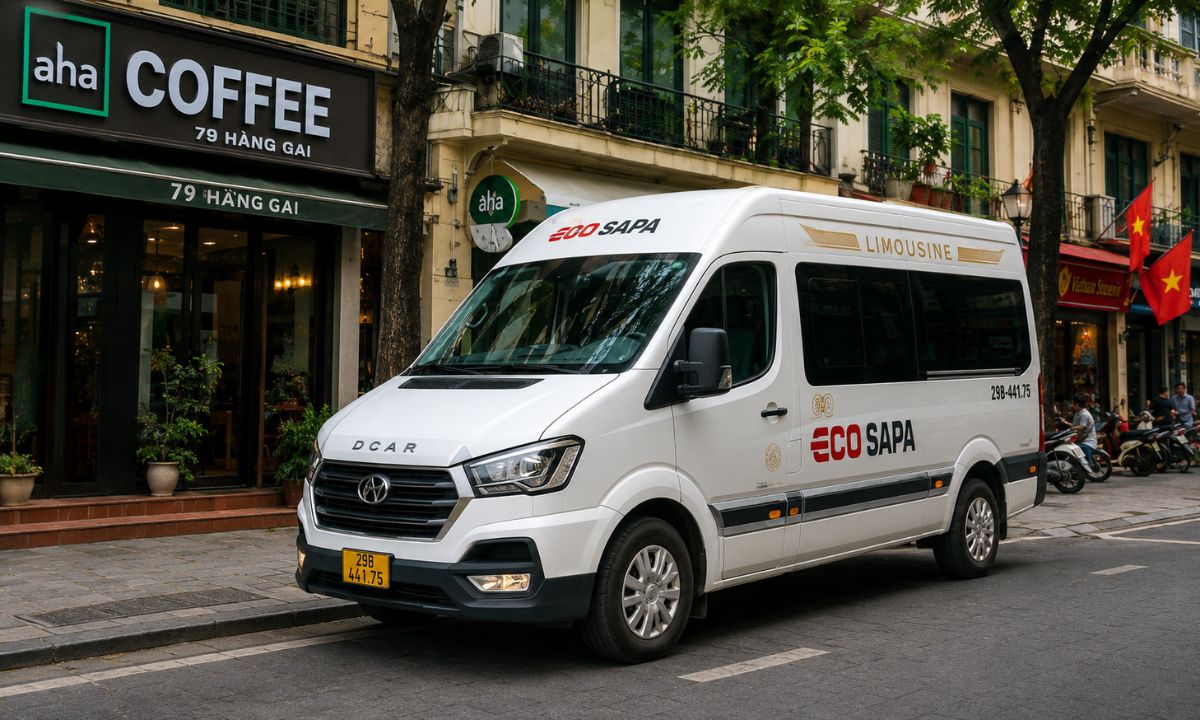
Most visitors reach Sapa from Hanoi by limousine bus or overnight train — a journey that is part of the adventure. The limousine bus (around $22–25 USD) is the most popular choice thanks to free hotel pickup and direct door-to-door service. Once here, the rewards are immediate: crisp mountain air, sweeping valley views from your hotel balcony, and the sound of birdsong replacing motorbike horns.

TIP: Sapa rewards slow travel. Budget at least two full days to get beyond the town centre and into the valleys where the real magic lives. Three or four days will unlock homestays, craft workshops, and trails that most day-trippers never reach.

10 Best Things To Do in Sapa

From adrenaline-fuelled summit climbs to gentle strolls through weekly highland markets, these are the experiences that make Sapa one of the most rewarding corners of northern Vietnam.

1. Trek Through the Muong Hoa Valley

⏱ Half-day to full-day 💰 From ~200,000 VND with guide 🥾 Moderate

The valley floor between Sapa town and Ta Van village unfolds as a corridor of layered rice terraces, rushing streams, and ancient rock carvings. Hiring a local H'mong guide not only keeps you safe on slippery stretches but channels income directly into the community. Morning starts beat the midday heat and the tour-bus crowds. The classic route continues through Lao Chai before descending to the valley floor — roughly 10–14 km depending on your detours.

Read more: Sapa Trekking Routes — Beginner to Advanced →
Trekkers walking along a narrow trail through Muong Hoa Valley rice terraces
The Muong Hoa Valley is Sapa's most popular trekking route — and for good reason. Placeholder image.

2. Conquer Fansipan — The Roof of Indochina

⏱ 1–2 days (trek) or 20 min (cable car) 💰 Cable car ~800,000 VND round trip 🥾 Strenuous (trek) / Easy (cable car)

At 3,143 m, Fansipan is the highest point between the Himalayas and the peaks of central Papua. The two-day guided trek via Tram Ton pass rewards with wild orchids, cloud-forest mosses, and a sunrise above the clouds that makes the aching calves worthwhile. If time is tight, the cable car delivers you to the summit complex in about 20 minutes.

Read more: Fansipan Summit — Trek vs. Cable Car Compared →

3. Stay Overnight with a Red Dao Family

⏱ 1–2 nights 💰 ~350,000–600,000 VND/night incl. meals 🥾 Easy

Homestays in villages like Ta Phin and Nam Cang offer an unfiltered window into highland daily life. Expect shared meals cooked over wood-fire stoves, herbal bath rituals, and evenings under an ink-black sky with zero light pollution. Book through a community-run cooperative rather than a third-party app to maximise what reaches the family.

Read more: Best Homestays in Sapa — Village by Village →
Colourful ethnic minority textiles at a highland market near Sapa
Bac Ha market — a riot of highland colour. Placeholder.
Silver Waterfall (Thac Bac) cascading down a rocky cliff near Sapa
Thac Bac is most impressive June–September. Placeholder.

4. Browse the Bac Ha Sunday Market

⏱ Half-day (Sunday only) 💰 Free entry 🥾 Easy

Held about two hours northeast of Sapa town, the Bac Ha market is a sensory overload where Flower H'mong, Phu La, and Black Dao communities trade livestock, hand-woven brocade, and mountain produce. Arrive before 08:00 to see the buffalo section at its busiest. Photography is welcome, but always ask before taking portraits.

Read more: Best Markets Near Sapa — A Complete Schedule →

5. Chase Waterfalls: Thac Bac & Thac Tinh Yeu

⏱ 2–3 hours combined 💰 ~70,000 VND entrance each 🥾 Easy to moderate

Silver Waterfall (Thac Bac) drops roughly 100 m beside the road to Fansipan and is easily accessible by motorbike or taxi. Nearby Love Waterfall (Thac Tinh Yeu) requires a short jungle walk that feels worlds away from the town centre. Both are most impressive in the wet season (June–September) when water volumes peak.

Read more: 10 Most Beautiful Waterfalls in Vietnam →

6. Join an Indigo-Dyeing or Batik Workshop

⏱ 2–4 hours 💰 ~300,000–500,000 VND 🥾 Easy

Several cooperatives around Cat Cat and Ta Phin villages run hands-on sessions where you learn to prepare natural indigo, draw wax-resist patterns, and dye hemp cloth the same way H'mong women have for generations. You leave with a finished piece and a deeper appreciation for the weeks of labour behind every handmade textile at market.

Panoramic view of Cat Cat village nestled in a lush gorge near Sapa town
Cat Cat village sits in a steep gorge, a short walk from Sapa centre. Placeholder image.

7. Walk Through Cat Cat Village

⏱ 2–3 hours 💰 ~70,000 VND entrance 🥾 Easy

The closest ethnic-minority village to Sapa centre, Cat Cat sits in a steep gorge about a 20-minute walk downhill from the main square. The stone path winds past Black H'mong homes, a French-era hydroelectric station, and a photogenic waterfall. Visit on a weekday morning to dodge the heaviest foot traffic.

8. Mountain-Bike the Backroads

⏱ Half-day to full-day 💰 From ~400,000 VND (bike + guide) 🥾 Moderate to strenuous

Sapa's web of dirt tracks and single-lane roads makes for exhilarating cycling, with downhill sections through bamboo groves and river crossings that will test your nerve. Several outfitters rent quality hardtails and can pair you with a guide who knows the safest loops.

Read more: Best Adventure Activities in Vietnam →

9. Explore Sapa Town & the Stone Church

⏱ 1–2 hours 💰 Free 🥾 Easy

The 1930s stone church anchoring the main square is a relic of French colonial Sapa and remains a social hub, especially on weekend evenings when H'mong teenagers gather for the traditional "love market" courtship through song. The surrounding streets are packed with food stalls, craft shops, and cozy cafes where you can warm up over Vietnamese drip coffee.

10. Unwind with a Traditional Herbal Bath

⏱ 1–2 hours 💰 ~150,000–300,000 VND 🥾 Easy

After a long day on the trails, nothing soothes aching muscles like the Red Dao medicinal bath — a wooden tub steeped with a dozen or more mountain herbs harvested from surrounding forests. Several lodges and village bathhouses offer sessions; opt for one run by a Dao family who can explain the significance of each ingredient.

When Is the Best Time To Visit Sapa?

Sapa's weather is far more variable than the lowlands, and picking the right season can make the difference between misty panoramas and days stuck indoors. For detailed monthly forecasts, see our best time to visit Vietnam guide.

Golden rice terraces glowing during autumn harvest season in Sapa
September–October delivers Sapa's most iconic scenery. Placeholder image.

Peak Season (Sep–Nov & Mar–May)

Autumn delivers golden terraces ripe for harvest, crystal skies, and comfortable hiking temperatures around 15–25 °C. Spring coats the valleys in fresh green and wildflowers. These months attract the most visitors — book accommodation and guides well in advance.

Cool-Dry Season (Dec–Feb)

Nights can plunge below 5 °C and occasional frost blankets the highest ridges. Crowds thin considerably, and on rare occasions you may encounter a dusting of snow near Fansipan. Pack serious cold-weather layers and be prepared for limited visibility on foggy mornings.

Wet Season (Jun–Aug)

Heavy afternoon showers fuel the terraces' lushest green, but trails get slippery and landslides occasionally close roads. The wet season is workable if you are flexible with plans, carry waterproof gear, and embrace the moody atmosphere.

TIP: Late September to mid-October, when rice terraces glow amber-gold and the weather is reliably dry. Arrive mid-week to sidestep weekend domestic-tourist surges.

How To Get to Sapa from Hanoi

Sapa sits approximately 320 km northwest of Hanoi. There is no commercial airport in Lao Cai province, so the journey is overland by rail or road. For a full breakdown, see our getting around Vietnam guide.

Option Duration Cost (approx.) Comfort Best For
Sleeper Train Popular ~8 hrs + 30 min transfer 500k–900k VND ★★★★☆ Budget travelers, scenic experience
Limousine Bus Recommended ~5–6 hrs direct $22–25 USD (~550k–625k VND) ★★★★★ Best value — comfort, speed, and door-to-door convenience
Private Car Transfer ~5 hrs direct 2.5M–3.5M VND (whole car) ★★★★★ Families, groups, comfort seekers
Comfortable sleeper cabin on the Hanoi to Lao Cai overnight train
The overnight train is the most popular way to reach Sapa. Placeholder image.

Sleeper Train Tips

Trains depart from Hanoi's main station between 20:00 and 22:00 nightly and arrive at Lao Cai station early the next morning. From there, public minibuses cover the final 35 km up to Sapa town. Book a four-berth cabin for the best balance of price and privacy. See our Vietnam train travel guide for booking instructions and schedules.

Why Most Travelers Now Choose a Limousine Bus

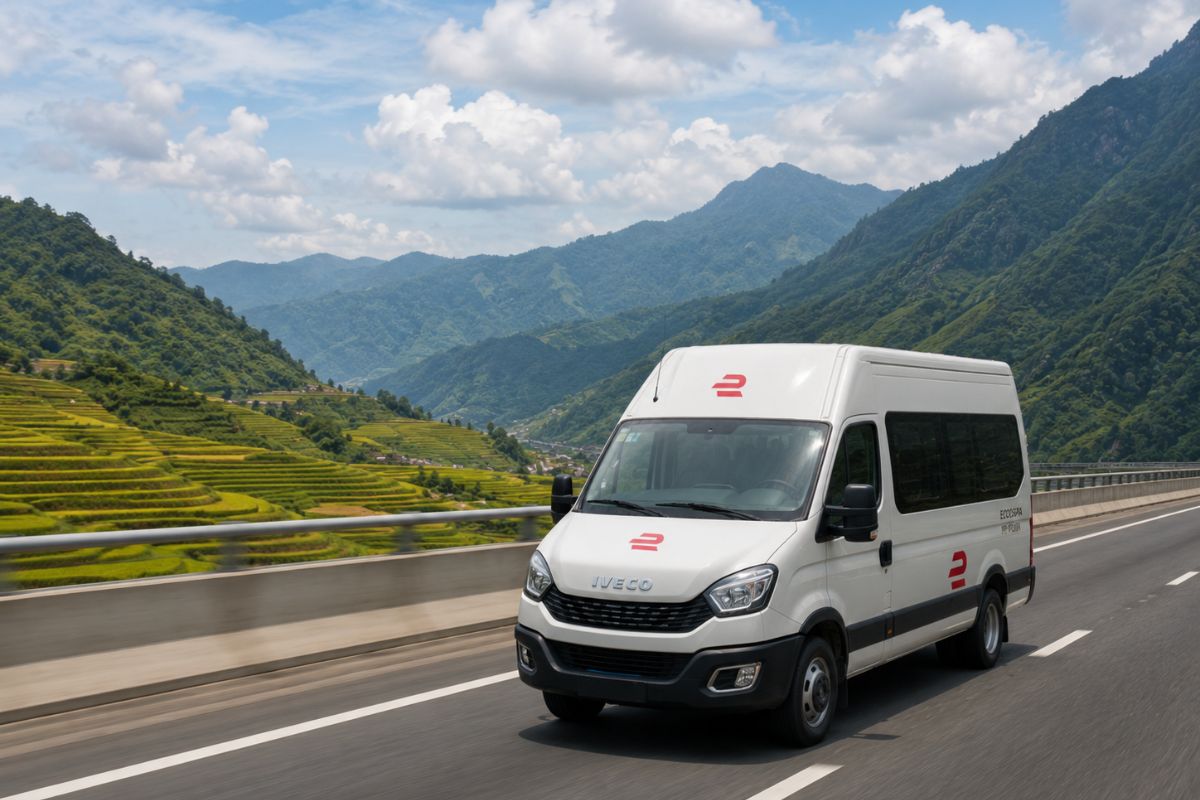
While the sleeper train remains a romantic option, the limousine bus has quickly become the go-to choice for experienced Vietnam travelers — and for good reason. At just $22–25 USD per seat, a modern limousine bus gives you a fully reclining cabin seat, air conditioning, onboard Wi-Fi, charging ports, complimentary water, and a blanket — all for a fraction of what a private car costs.

The biggest advantage? Door-to-door convenience. Unlike the train, which drops you at Lao Cai station 35 km below town, a limousine bus picks you up from your Hanoi hotel and delivers you directly to Sapa's town centre — no transfers, no haggling with taxi drivers at 5 AM, and no extra fees. The total journey takes around 5–6 hours, meaning you can depart Hanoi after breakfast and arrive in time for an afternoon trek.

Multiple departures run daily in both directions, so you have flexibility to fit the bus around your schedule rather than the other way around. For couples, solo travelers, and small groups who want maximum comfort without the premium price of a private car, the limousine bus is the smartest option.

TIP: EcoSapa Limousine operates daily Hanoi–Sapa routes with free hotel pickup in Hanoi's Old Quarter. Their fleet features VIP cabin seats with 160° recline — think business-class comfort at backpacker prices. Check schedules & book online →

Getting Around Sapa

Within the town, most attractions are walkable. For further-flung villages, motorbike taxis (xe om) and electric-cart shuttles are affordable and easy to flag down. Renting your own motorbike is possible but the mountain roads demand real experience — if in doubt, hire a driver.

🚂
Book Transport

Compare trains, buses & private transfers.

📋
Download Itinerary

Printable PDF of our 2, 3 & 4-day plans.

💬
Ask a Local

Chat with our Sapa-based team.

Suggested Sapa Itineraries

Whether you have a packed weekend or a leisurely half-week, these plans help you see the highlights without burning out. Click a tab, then expand each day for details.

  • Morning: Arrive from Hanoi by overnight train or early bus. Check into your hotel and fuel up with a bowl of pho at the market.
  • Late morning–afternoon: Join a guided half-day trek into the Muong Hoa Valley toward Lao Chai village.
  • Evening: Return to town for dinner. Try grilled stream fish (ca suoi nuong) near the church square.
  • Morning: Cable car up Fansipan (arrive by 08:00 to beat queues) or walk to Cat Cat village for a relaxed morning.
  • Midday: Herbal bath back in town, then lunch at a rooftop cafe.
  • Afternoon: Board your return transport to Hanoi.
  • Morning: Arrive, drop bags, wander the town centre and visit the stone church.
  • Afternoon: Walk to Cat Cat village. Explore the French-era hydro station and waterfall.
  • Evening: Dinner in town. Sample thang co (highland stew) if you're adventurous.
  • Full day: Trek from Sapa through Muong Hoa Valley to Ta Van village (~14 km). The route passes rice terraces, streams, and H'mong settlements.
  • Evening: Overnight homestay. Family-cooked dinner and star-gazing from the porch.
  • Morning: Cable car up to Fansipan summit.
  • Midday: Red Dao herbal bath, then souvenirs at Sapa market.
  • Afternoon: Depart by bus or private car to Hanoi.
  • Morning: Arrive, check in, breakfast with a valley view.
  • Afternoon: Easy stroll to Cat Cat village. Textile workshops and waterfall.
  • Evening: Night market in Sapa centre — stalls open from ~17:00.
  • Full day: Multi-village trek through Muong Hoa: Lao Chai, Ta Van, ancient rock carvings.
  • Evening: Homestay in Ta Van. Community dinner and rice wine.
  • Morning: Transfer to Ta Phin for an indigo-dyeing or batik workshop.
  • Afternoon: Explore the Ta Phin cave complex and Red Dao herbal bath houses.
  • Evening: Return to Sapa town for a quiet dinner.
  • Early morning: Cable car to Fansipan at opening (usually 07:30) for clearest views.
  • Late morning: Descend, pick up souvenirs, check out.
  • Afternoon: Return transport to Hanoi.

Where To Stay in Sapa

Sapa's lodging runs from dormitory hostels near the bus station to boutique hillside retreats with infinity pools. For a property-by-property breakdown see our full Sapa accommodation guide.

Cozy mountain homestay with wooden interiors and valley views in Sapa
Homestays offer the richest cultural experience. Placeholder.
Luxury resort infinity pool with panoramic views over Sapa valley
High-end resorts deliver panoramic views. Placeholder.

Budget (Under 500,000 VND / night)

Backpacker hostels and basic guesthouses cluster around the town centre. Dorm beds typically cost 100,000–200,000 VND. Community homestays in surrounding villages sit in this bracket and deliver a far richer experience than any hostel common room.

Mid-Range (500,000–1,500,000 VND / night)

Boutique mini-hotels and upgraded homestays offer private rooms with hot showers, breakfast, and often a valley-view balcony. This tier is the sweet spot for most independent travelers.

High-End (Over 1,500,000 VND / night)

Luxury resorts perched on the valley rim provide heated pools, spa services, and panoramic dining. Worth considering if you alternate hard trekking days with full relaxation days.

TIP: Book directly with properties whenever possible — it saves them the platform commission and often gets you a better rate or a room upgrade.

What To Eat & Drink in Sapa

Highland cuisine leans on locally grown vegetables, freshwater fish, free-range pork, and sticky rice steamed in bamboo tubes. Expect bolder, heartier flavours than the lowlands. For a nationwide deep-dive, see our Vietnamese food guide.

A spread of Sapa highland dishes — grilled meats, sticky rice, and fresh mountain greens
Mountain food in Sapa is hearty and deeply flavourful. Placeholder image.

Must-Try Dishes

Start your day with pho or banh cuon (steamed rice rolls) from morning market stalls. For lunch, seek out com lam — sticky rice cooked inside a bamboo joint with sesame salt and grilled pork. Thang co, a traditional stew at weekly highland markets, is an acquired taste but an essential cultural experience. After dark, the night market fires up corn grills, sweet-potato stands, and hot ginger tea to fight the mountain chill.

Coffee & Drinks

Vietnamese drip coffee is everywhere and surprisingly affordable (15,000–30,000 VND). Several rooftop cafes on Cau May street offer exceptional valley views. For something stronger, local rice wine (ruou can) is sipped communally through thin bamboo straws — pace yourself, it's stronger than it tastes.

Practical Information for Sapa

A few nuts-and-bolts details to smooth your planning.

Money & ATMs

Vietnam's currency is the dong (VND). ATMs accepting international cards are available in Sapa town (Agribank, BIDV, Vietcombank) but virtually non-existent in rural villages. Withdraw enough cash before trekking. See our money & currency guide for exchange tips.

Internet & SIM Cards

4G coverage in Sapa town is decent; signal drops off in remote valleys. Grab a Vietnamese SIM card in Hanoi before your trip — Viettel offers the best highland coverage. Most hotels and cafes have Wi-Fi.

Visa & Entry Requirements

Most nationalities can obtain an e-visa valid for 90 days. Many passport holders qualify for visa-free entry for 45 days. Always verify the latest rules before booking flights.

Health & Vaccinations

No mandatory vaccinations, but hepatitis A/B, typhoid, and tetanus boosters are recommended. Malaria risk is very low at Sapa's altitude. See our health & safety guide for a full checklist.

Safety & Responsible Travel Tips

Sapa is broadly safe, but a few precautions and courtesies go a long way.

Trail Safety Paths get treacherous after rain. Wear proper hiking boots, carry a rain jacket, and never trek alone in fog without a guide.
Altitude Awareness Sapa town is too low for altitude sickness, but Fansipan's 3,143 m summit can cause mild symptoms. Hydrate and pace yourself.
Photography Etiquette Always ask before photographing people, especially children. A warm greeting goes further than a zoom lens.
Support Local Guides Hiring a village-based guide channels money into the community and provides insights no guidebook matches.
Cash Is King ATMs exist in Sapa town but are scarce elsewhere. Carry enough dong for homestays, markets, and tips.
Leave No Trace Carry out all rubbish, stick to marked paths, and avoid picking plants. Sapa's ecosystems are fragile.

Frequently Asked Questions About Sapa

The ideal window runs from September through November and again from March through May. Autumn brings golden rice terraces and clear skies, while spring offers lush green valleys and pleasant hiking temperatures between 15–25 °C.
Three main options: an overnight sleeper train to Lao Cai station (~8 hours) plus a 30-minute transfer, a direct limousine bus (~5–6 hours, $22–25 USD), or a private car (~5 hours). We recommend the limousine bus for most travelers — it offers door-to-door service with free Hanoi hotel pickup, reclining cabin seats, and arrives directly in Sapa town centre with no transfers needed.
Highly recommended, especially for multi-day treks through ethnic minority villages. Guides keep you safe on narrow mountain trails, help with communication, and channel tourism revenue into local households.
Yes — widely considered safe, including for women traveling alone. Main risks are weather-related: fog and slippery trails during the rainy season. Stay on marked paths and inform your accommodation of your plans.
Layers (below 5 °C in winter), sturdy waterproof hiking boots, rain jacket, sunscreen, reusable water bottle, and a small daypack. A headlamp is essential for homestay treks with limited lighting.
Two full days cover a valley trek and town visit. Three adds Fansipan or a deeper homestay. Four days allow a relaxed pace including markets and off-the-beaten-path villages.
Higher-end hotels and some restaurants accept cards. Most local vendors, homestays, and market stalls are cash only. Withdraw dong from ATMs in Sapa town before heading to rural areas.
Sapa town (~1,500 m) is generally too low. The exception is Fansipan at 3,143 m, where some hikers get mild headaches or fatigue. Stay hydrated, ascend steadily, and rest if symptoms appear.
About This Guide & Sources
Researched and written by our editorial team from first-hand visits, interviews with local guides and homestay operators in the Sapa area, official data from the Lao Cai Province Department of Tourism, and cross-referenced traveler reports current as of February 2026. Prices, schedules, and regulations can change — verify critical details before traveling. Spot something outdated? Let us know.
if ( is_singular('tour') ) { echo do_shortcode('[contact-form-7 id="7f2adcc" title="tour"]'); }